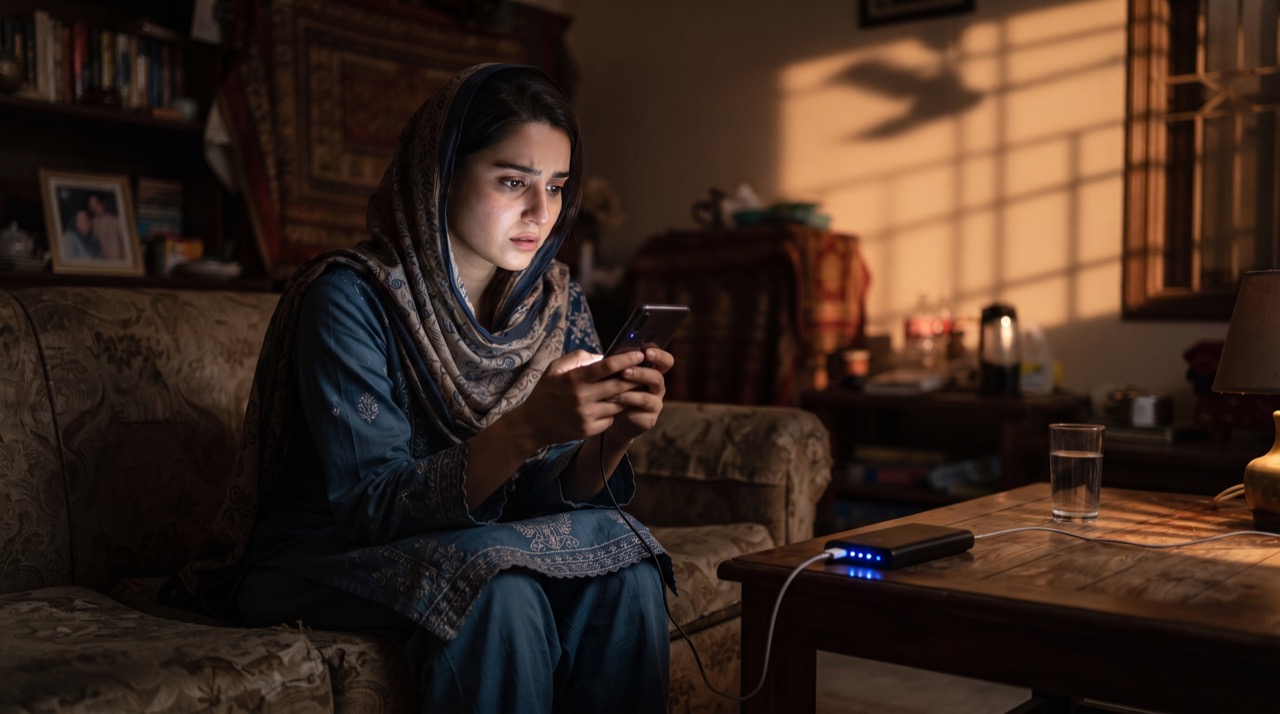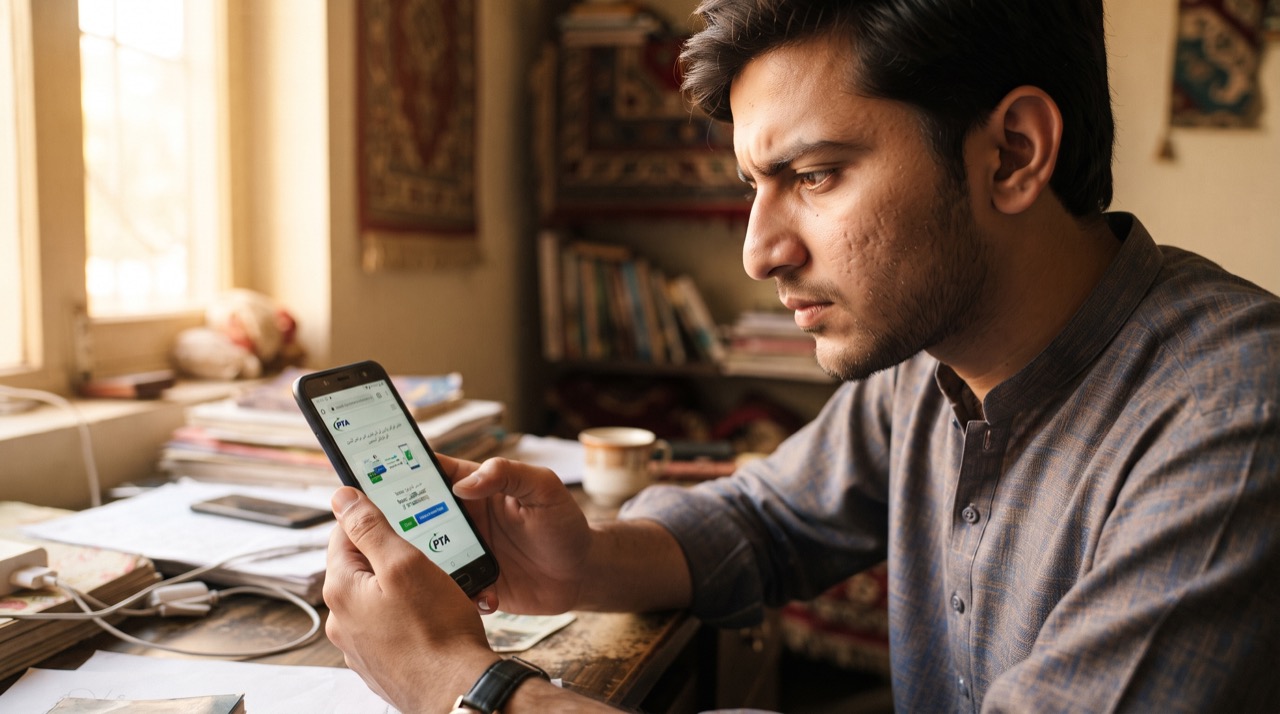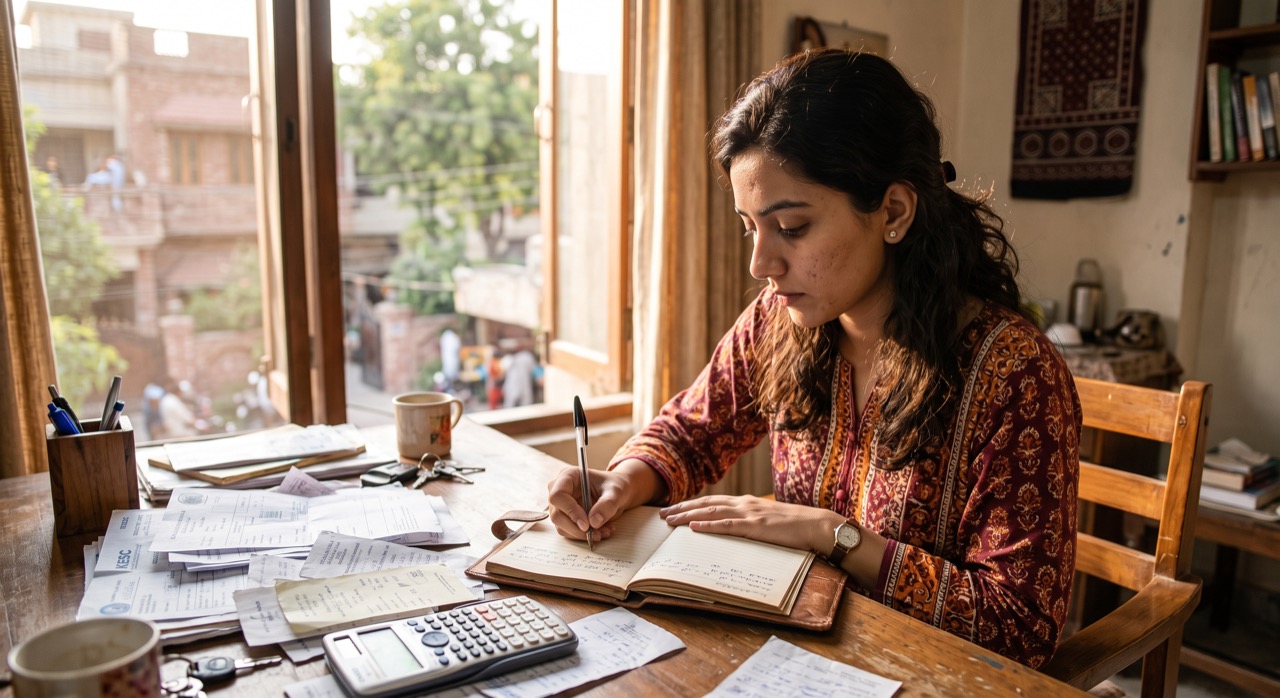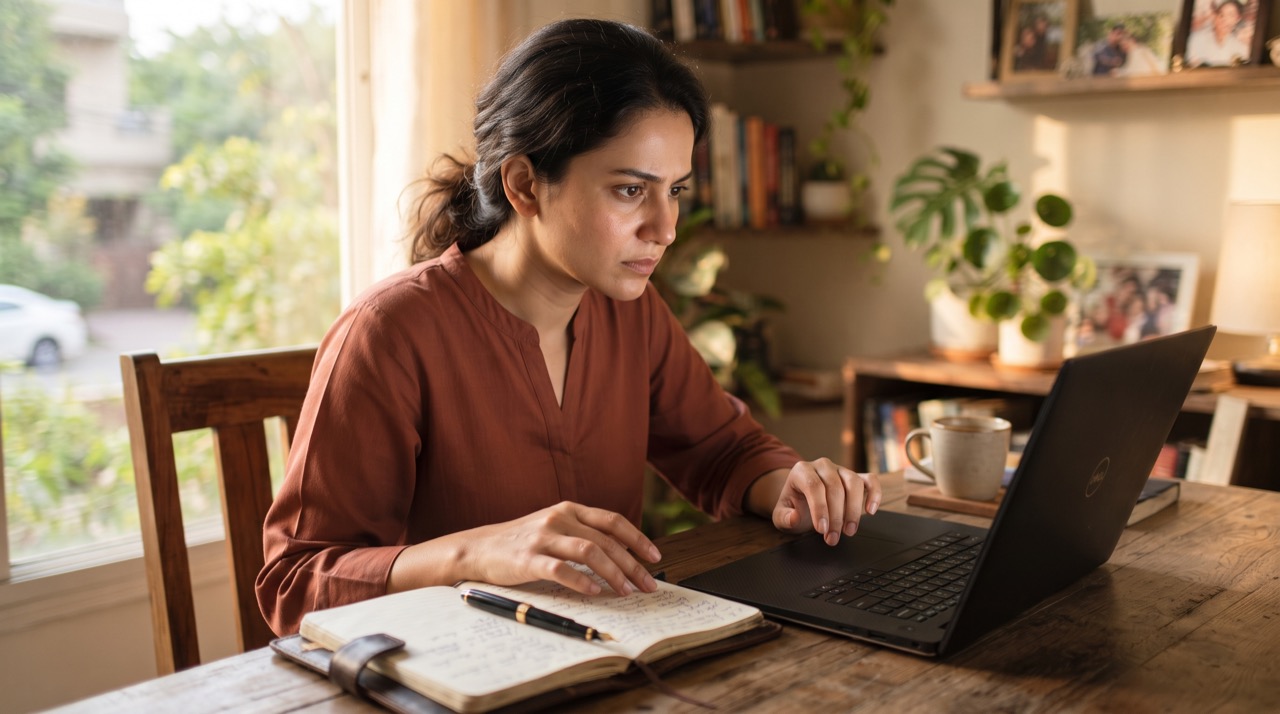
Every Pakistani internet user juggles a dozen accounts today — WhatsApp, email, mobile banking apps like JazzCash or Easypaisa, Facebook, university portals, and more. The natural response is to reuse one easy password everywhere, or write it on a sticky note. Both habits are exactly how accounts get hacked. The good news is that strong security does not require a photographic memory. It requires one simple technique — the passphrase — and one free tool to hold the rest.
Why "P@kistan123" Is Not Safe
Most people believe adding a capital letter, a number, and a symbol to a familiar word makes it secure. It does not. Automated cracking tools try every common substitution (a to @, o to 0, i to 1) within seconds, because millions of people make the exact same swaps. The length of a password matters far more than how clever its symbols look.
- Short and "complex": P@ss1234 — cracked almost instantly by modern hardware.
- Long and simple words: correct-horse-lahore-92 — takes centuries to brute-force, and is easier to type and recall.
This is the core idea behind the passphrase method, popularized by security researchers and explained clearly in the comic xkcd #936: length beats complexity.
The Passphrase Technique, Step by Step
Instead of inventing a random jumble, string together four or five unrelated words. Unrelated is the key word — "MyNameIsAli1990" is guessable because it follows a pattern people use. Truly random words are not.
- Pick 4-5 random words that have nothing to do with each other or with you personally — for example: chai-cricket-thunder-mango-42.
- Mix languages if you like — Urdu and English words combined are even harder for foreign wordlists to guess, e.g., garmi-basket-dhoop-purple.
- Add one number and one symbol anywhere in the string, not just at the end, since that is the first place crackers check.
- Never use personal facts — no birthdays, cricket team names, spouse names, or CNIC digits. These are the first guesses in a targeted attack.
- Make each account's passphrase different by swapping just one word — change "mango" to "guava" for your email versus your bank login, so a leak on one site cannot unlock the rest.
A four-random-word passphrase (roughly 20-25 characters) is dramatically stronger than an 8-character "complex" password, and far easier to type on a phone keyboard, which matters since most Pakistani users are mobile-first.
A password only needs to be memorable to you and unguessable to everyone else — a random four-word phrase does both at once, while "P@kistan@123" does neither.
Free Password Managers Worth Using
You still should not reuse even a strong passphrase across every account, and remembering 30 unique ones is unrealistic. This is what a password manager is for: one master passphrase unlocks an encrypted vault holding all your other logins, and it can auto-fill them on your phone and browser.
- Bitwarden — free tier is genuinely full-featured (unlimited passwords, sync across all your devices, open-source code that has been independently audited).
- Google Password Manager — already built into Chrome and Android, works with zero setup, good enough for casual users who want the simplest option.
- Built-in Apple Keychain — if you use an iPhone, it syncs passwords across Apple devices automatically at no cost.
Whichever you choose, protect the vault itself with a strong passphrase (using the method above) and turn on two-factor authentication (2FA) wherever it is offered, especially for email and banking apps — it is the single biggest upgrade you can make to your account security.
A Few Habits That Matter More Than Any App
- Never share OTP codes with anyone, even someone claiming to be from your bank or telecom operator.
- Enable 2FA on your primary email first — it is the recovery key to almost every other account you own.
- Check whether your email has appeared in a data breach using Have I Been Pwned, and change any reused passwords immediately if it has.
- Avoid saving passwords in an unlocked Notes app or WhatsApp chat "to yourself" — these are not encrypted vaults.
Roman Urdu
Aaj kal har Pakistani ke paas WhatsApp, email, JazzCash, Easypaisa aur university portal jaisay kai accounts hotay hain. Aksar log ek hi asaan password har jagah use kartay hain ya kisi kaghaz pe likh letay hain — dono hi tareeqay khatarnak hain.
Passphrase technique: Password ko mushkil banane ke liye symbols aur numbers dalna kaafi nahi — length zyada zaroori hai. 4-5 random alfaaz jo aapas mein kisi tarah connected na hon, unhein jor kar ek lamba passphrase banayein, jaisay: chai-cricket-thunder-mango-42. Urdu aur English mila kar bhi likh saktay hain, jaisay garmi-basket-dhoop-purple — yeh guess karna aur bhi mushkil ho jata hai. Kabhi bhi apni birthday, cricket team ka naam, ya CNIC number password mein na dalein — yeh sab se pehlay guess hotay hain. Har account ka passphrase thora different rakhein, sirf ek lafz badal kar, taake agar ek jagah leak ho to baqi accounts mahfooz rahein.
Free password managers: Itnay saaray unique passwords yaad rakhna mushkil hai, is liye password manager use karein — yeh ek encrypted vault hai jo sab passwords save karta hai, sirf aik master passphrase yaad rakhna hota hai.
- Bitwarden — free version mein unlimited passwords save ho saktay hain, sab devices pe sync hota hai.
- Google Password Manager — Chrome aur Android mein pehlay se maujood hai, koi setup nahi chahiye.
- Apple Keychain — iPhone users ke liye automatic sync.
Jo bhi manager choose karein, uska master passphrase strong rakhein aur jahan bhi mumkin ho 2FA (two-factor authentication) zaroor on karein — khaaskar email aur banking apps pe. Kabhi bhi OTP code kisi ko na dein, chahay woh bank ya telecom company ka namumkin representative hi kyun na ho. Apni email Have I Been Pwned pe check karein ke kahin data breach mein to nahi aayi — agar aayi ho to fauran passwords badal lein.