Many Pakistani families avoid buying insurance altogether because they worry it conflicts with Islamic principles — specifically the concerns around riba (interest), gharar (excessive uncertainty), and maysir (gambling-like speculation). This hesitation is understandable, but it often means families go without any financial protection at all, leaving them exposed when a health emergency, accident, or death disrupts household income. Takaful was designed exactly for this gap. It is a Shariah-compliant, cooperative alternative to conventional insurance that is now widely available in Pakistan through licensed operators regulated by the Securities and Exchange Commission of Pakistan (SECP). Understanding how it actually works — rather than just knowing it exists — helps families make an informed decision instead of avoiding protection out of uncertainty.
How Takaful Actually Works
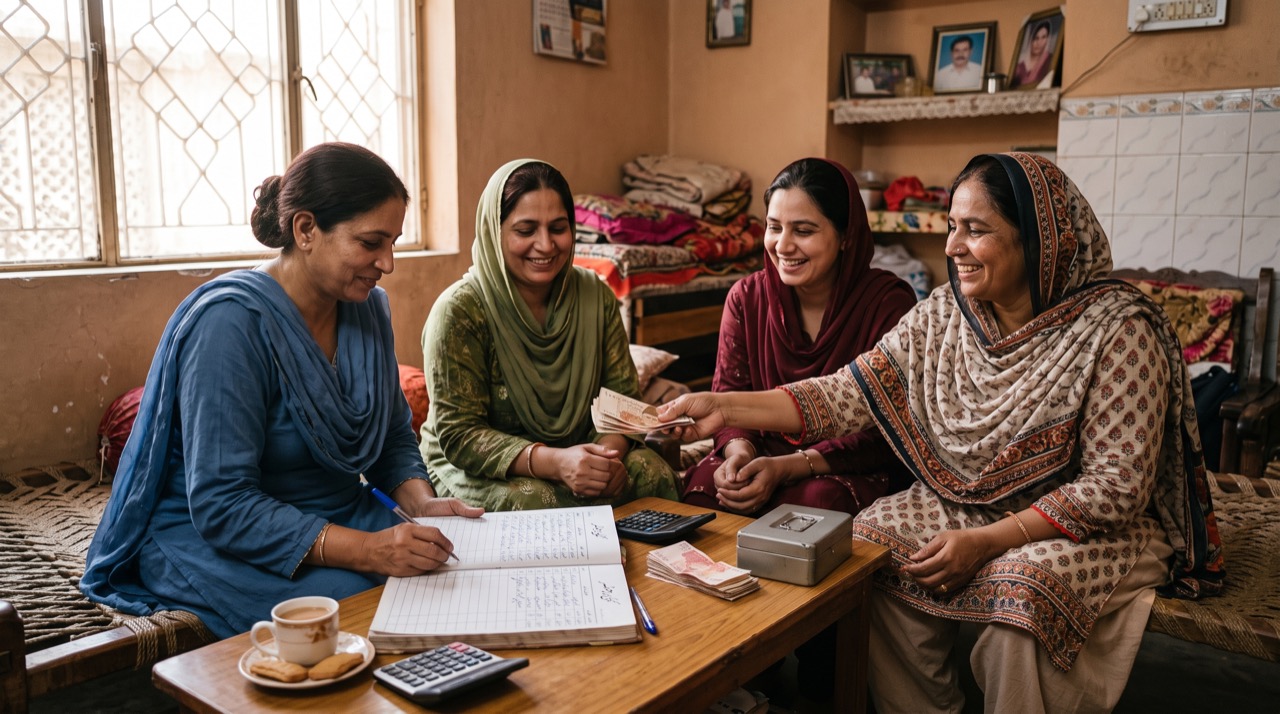
The word Takaful comes from the Arabic root meaning "to guarantee each other" or "joint guarantee." Instead of a company selling you a risk-transfer contract, a group of participants pool their contributions into a shared fund, and that fund is used to compensate members who suffer a covered loss. The key structural difference is ownership and intent:
- Mutual risk-sharing, not risk-transfer: In conventional insurance, you pay a premium and the insurer takes on your risk in exchange for profit. In Takaful, participants collectively share each other's risk; the operator only manages the fund on their behalf.
- Tabarru (donation) contract: A portion of your contribution is treated as a donation into the common pool, which removes the element of gharar (uncertainty) that scholars object to in conventional premium contracts.
- Wakalah or Mudarabah model: The Takaful operator usually acts as a wakeel (agent) charging a transparent management fee, or as a mudarib (fund manager) sharing in investment profits — never as the risk-bearing owner of your money.
- Surplus sharing: If the pooled fund has a surplus at year-end after claims are paid, that surplus can be distributed back to participants or reinvested — unlike conventional insurers, who keep underwriting profit entirely for shareholders.
- Shariah-compliant investment: Fund reserves are invested only in halal instruments (sukuk, Islamic mutual funds, Shariah-screened equities), avoiding interest-bearing bonds or conventional fixed deposits.
Key Differences From Conventional Insurance
- Ownership of the fund: In Takaful, the pooled fund technically belongs to participants collectively; in conventional insurance, premiums become the insurer's asset once paid.
- Shariah Supervisory Board: Licensed Takaful operators in Pakistan must have an independent Shariah board that audits contracts, investments, and claims processes for compliance.
- No investment in interest-based instruments: Conventional insurers commonly invest reserves in interest-bearing government bonds; Takaful funds are restricted to Shariah-compliant assets.
- Claims come from a shared pool, with mutual responsibility: Philosophically, when you make a claim, you're drawing from a fund that other participants also contributed to as an act of mutual help — not simply invoking a commercial contract.
What to Check Before You Sign Up
- Confirm the operator is licensed by SECP as a Takaful operator (not just a conventional insurer with a "Takaful window" label attached loosely) — you can verify licensing status via the SECP website.
- Ask for the name and credentials of the Shariah Supervisory Board and request the annual Shariah compliance report.
- Understand whether the product is Family Takaful (life/savings-linked, for long-term protection and education/retirement planning) or General Takaful (short-term, for health, motor, home, or business assets).
- Read how surplus distribution works — some operators return surplus annually, others retain it in the fund for future claims stability.
- Compare the wakalah fee (management charge) across operators, since this affects how much of your contribution actually goes into the risk pool versus administrative costs.
Takaful does not promise a guaranteed return or eliminate all risk — it reframes the relationship from "buying protection from a company" to "sharing risk with a community," while keeping the underlying financial mechanics transparent and auditable.
Is Takaful Right for Your Family?
For families who want health cover, life protection, or savings-linked plans without the lingering unease conventional policies can cause, Takaful offers a practical middle ground: real financial protection, structured to avoid riba and gharar, with oversight from a Shariah board and a regulator. It is not a charity — you still need to pay contributions consistently, and claims are assessed against clear policy terms just like any other cover. But the structure means your money is pooled with intent, invested according to Islamic principles, and any surplus is shared rather than pocketed entirely as shareholder profit. Before choosing a plan, sit down as a family, list your actual needs — hospitalisation, breadwinner protection, children's education fund — and match those needs to a specific Takaful product rather than buying whatever is easiest to sign up for.
Roman Urdu
Bohat se Pakistani families conventional insurance se isliye door rehti hain kyunke unhe riba, gharar (ziyada uncertainty), aur maysir (gambling jaisi speculation) ka khadsha hota hai. Lekin is wajah se wo family bilkul bhi financial protection nahi lete, aur jab health emergency ya accident ho jata hai to poora bojh akele uthana parta hai. Takaful isi masla ka hal hai — ek Shariah-compliant, cooperative tareeqa jo ab Pakistan mein SECP se license-yafta operators ke zariye available hai.
Takaful ka matlab hai "ek dusre ki zamanat dena." Is mein participants apna contribution ek shared fund mein daalte hain, aur jis kisi ko nuqsan hota hai usay usi fund se compensate kiya jata hai. Company aapka risk kharid kar profit nahi kamati — balke sab members mil kar ek dusre ka risk share karte hain. Aapke contribution ka ek hissa "tabarru" yani donation ke tor par pool mein jata hai, jo gharar ka masla khatam karta hai. Operator sirf wakeel (agent) ki tarah fee leta hai ya mudarib (fund manager) ki tarah profit share karta hai — wo fund ka malik nahi banta. Agar saal ke end mein fund mein surplus bache to wo participants ko wapas kiya ja sakta hai, jabke conventional insurance mein ye profit sirf company rakhti hai. Fund ka paisa sirf halal instruments jaise sukuk aur Shariah-compliant equities mein invest hota hai, interest-based bonds mein nahi.
Takaful lene se pehle ye zaroor check karein: operator SECP se license-yafta Takaful operator hai ya nahi (verify SECP ki website se karein), Shariah Supervisory Board ka naam aur unki annual compliance report, ye Family Takaful hai (life/savings ke liye) ya General Takaful (health, motor, home ke liye), surplus distribution ka tareeqa kya hai, aur wakalah fee kitni hai — kyunke ye fee ka hissa aapke contribution mein se katta hai.
Takaful koi guaranteed return ya charity nahi hai — aapko regular contribution dena parta hai aur claims bhi policy terms ke mutabiq assess hote hain. Lekin isme paisa niyyat ke sath pool hota hai, Islamic usoolon ke mutabiq invest hota hai, aur surplus sirf shareholders ke jeb mein nahi jata. Apni family ki zaroorat — hospitalisation, breadwinner protection, ya bachon ki education — pehle list karein, phir usi ke hisaab se sahi Takaful plan chunein.