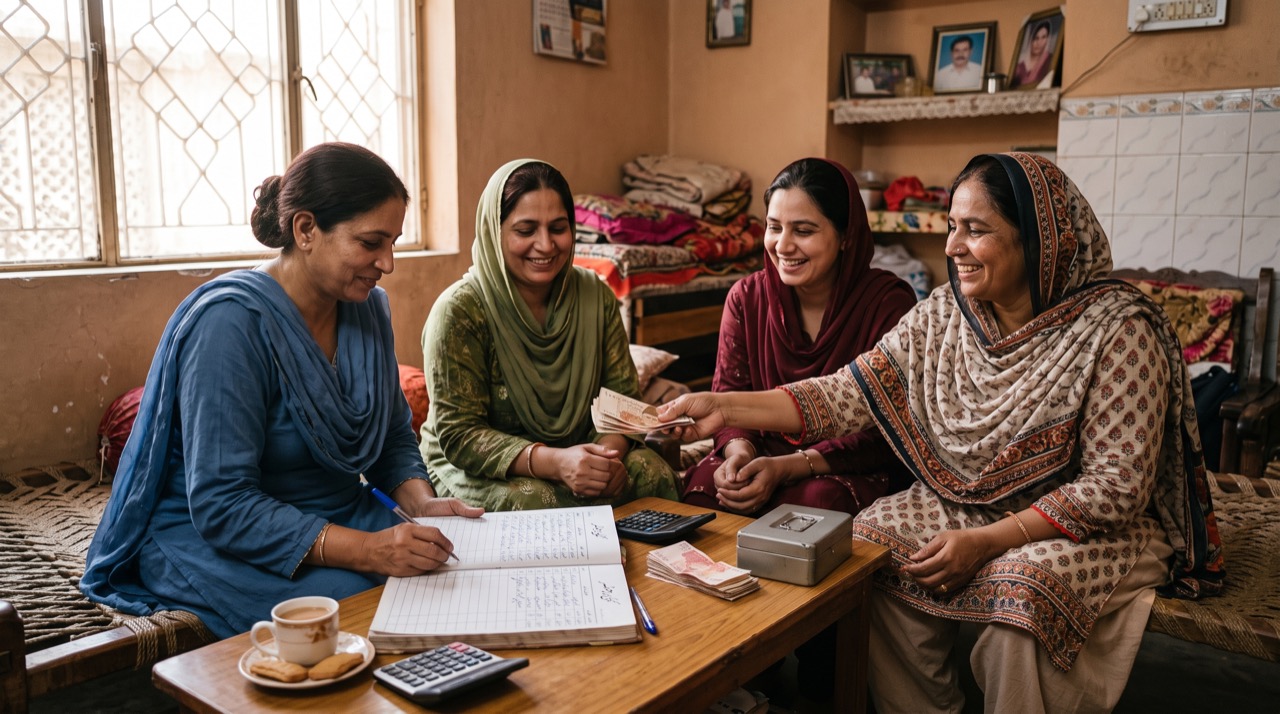
The 50/30/20 rule is one of the most quoted budgeting frameworks in the world: 50% of income to needs, 30% to wants, 20% to savings. It's simple, which is why it spreads so easily on social media. The problem is that it was built around a Western cost structure, and it buckles fast when you apply it to a salary in Lahore, Karachi, Faisalabad, or Peshawar. Rent alone can eat 35-45% of a mid-level earner's take-home pay in a decent area of a major city, and electricity bills after tax and fuel adjustment charges have become a line item nobody budgeted for five years ago. If you try to force a strict 50/30/20 split here, you'll either fail within two months or you'll quietly lie to yourself about which category things belong in.
Why the Original Split Breaks Down Locally
The 50/30/20 rule assumes housing, utilities, groceries, and transport together stay near half your income. In most Pakistani cities that assumption doesn't hold, for a few concrete reasons:
- Rent-to-income ratio is higher. A two-bedroom flat in a mid-tier area of Karachi or Lahore can run PKR 40,000-90,000, while salaries for the people renting them often sit in the PKR 80,000-180,000 range. That alone can be 30-45% of income before a single utility bill arrives.
- Utility bills are volatile, not fixed. Summer electricity bills routinely double or triple winter bills because of air conditioning and slab-based tariffs, where crossing a unit threshold pushes your entire bill into a higher rate. A "needs" budget that assumes a flat monthly utility number will blow up every June through September.
- Joint family and remittance obligations are real needs, not wants. Many salaried Pakistanis send a fixed amount home monthly or contribute to a parents' household. This is a need in practice, even though no Western budgeting template accounts for it.
- Informal income and cash components complicate the base number. Bonuses, overtime, and side income arrive irregularly, so "monthly take-home pay" itself needs a conservative definition before you split anything.
A Reworked Split: 55/20/25 (or worse, and that's fine)
Instead of forcing 50/30/20, use it as a starting reference and rework the numbers around your actual city and rent bracket:
- Needs: 55-65%. This covers rent, all utility bills (budget for the peak summer bill, not the average), groceries, transport/fuel, children's school fees, and any fixed family remittance. If you're in Karachi or Islamabad with high rent, this band will likely sit closer to 65%.
- Wants: 10-20%. Eating out, mobile data top-ups beyond the basic package, clothes, subscriptions, and social spending. This is the category that should flex downward first when needs rise, not the one you protect.
- Savings and debt payoff: 15-25%. If your needs percentage is unavoidably high this month, don't let savings drop to zero — protect at least 10% as a non-negotiable, even if it means wants shrink to almost nothing.
Practical Adjustments That Matter More Than the Percentages
- Budget utility bills using your highest month, not your average. Look at last year's June-August electricity bill and set that as your monthly "needs" line for power, even in cooler months. The surplus in low-bill months becomes an automatic buffer.
- Separate a small emergency-bill fund from your main savings. A dedicated PKR 10,000-20,000 buffer just for unexpected gas or electricity slab jumps prevents you from raiding real savings every few months.
- Treat committee (BC) contributions as savings, not needs. Committees are common and useful for forced discipline, but they belong in your savings bucket in your own tracking, separate from rent and bills.
- Automate savings on salary day, before rent goes out. Many people plan to save "whatever is left," which in a high-needs budget is usually nothing. Move your savings percentage out first, even if it's a modest 10,000-15,000 rupees.
- Reconsider the 30% "wants" habit of eating out multiple times a week. This is often the single most compressible category in a Pakistani urban budget and the fastest place to recover 5-8% of income without touching rent or bills.
A budget that survives your actual electricity bill is worth more than a budget that looks clean on a spreadsheet.
Start With One Month of Real Numbers
Before adopting any percentage split, track one full month, including a high-utility month if possible, using a simple notebook or a free app. The State Bank of Pakistan and consumer finance resources can help you understand broader interest-rate and savings-product context if you're deciding where to park the 20-25% you save. Once your real needs percentage is visible, the 50/30/20 rule becomes what it was always meant to be: a reference point to adjust, not a rule to obey exactly.
Roman Urdu
50/30/20 wala budget rule bohot mashhoor hai — 50% needs, 30% wants, 20% savings. Lekin ye rule Western cities ke hisaab se bana hai, aur Pakistan ke shehron mein rent aur bijli ke bills is tarah ke nahi hote jaise wahan hotay hain. Karachi ya Lahore mein decent flat ka rent hi salary ka 35-45% kha jata hai, aur summer mein bijli ka bill slab system ki wajah se double ya triple ho jata hai. Isliye seedha 50/30/20 follow karna ziyada tar logon ke liye practical nahi.
Behtar approach ye hai ke percentages ko apni city aur rent ke hisaab se adjust karein:
- Needs: 55-65% — rent, har mahine ka utility bill (summer ke peak bill ko base bana kar), grocery, transport, bachon ki school fees, aur agar ghar walon ko fixed paisay bhejte hain to wo bhi is mein shamil karein.
- Wants: 10-20% — bahar khana, extra mobile data, kapre, subscriptions. Jab needs zyada ho jayein to sabse pehle isi category ko kam karein.
- Savings: 15-25% — agar kisi mahine needs zyada ho jayein, tab bhi kam az kam 10% saving zaroor rakhein, chahe wants bilkul zero ho jayein.
Kuch practical tips: bijli ka budget hamesha apne sabse zyada bill wale mahine (June-August) ke hisaab se rakhein, na ke average se — is se sardiyon ka bacha hua paisa ek buffer ban jayega. Committee (BC) ki qiston ko saving samjhein, need nahi. Aur salary aate hi sabse pehle saving wala hissa alag nikal dein, baad mein jo bache wo mat sochein — warna aksar kuch nahi bachta. Bahar khane ka kharcha aik aisi cheez hai jo sabse aasani se kam ho sakti hai aur is se 5-8% tak bach sakta hai bina rent ya bills ko chhue.
Sabse zaroori baat: ek mahina apni asal kharch tracking karein — khaas kar wo mahina jab bill sabse zyada ho — tab hi aapko pata chalega ke aapki asal needs percentage kya hai. Iske baad 50/30/20 sirf ek reference point ban jata hai jise aap apni zindagi ke hisaab se dhal sakte hain, na ke aisa rule jise majboori mein follow karna pare.