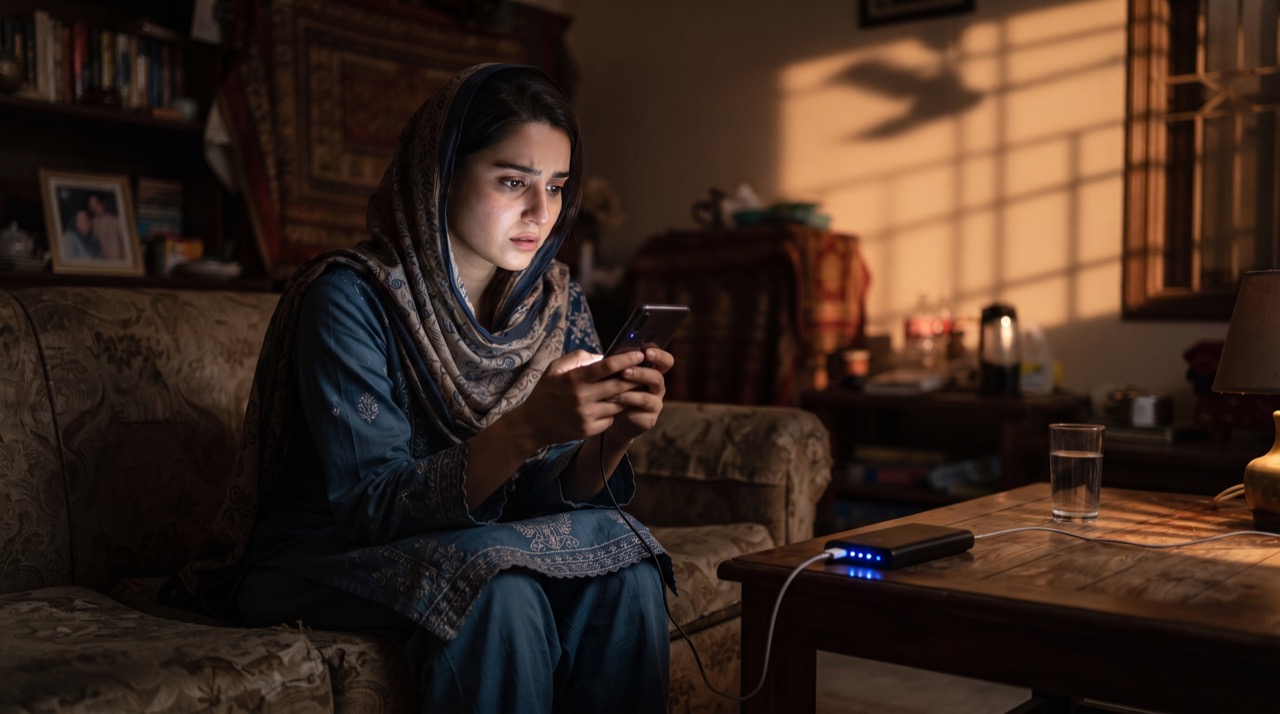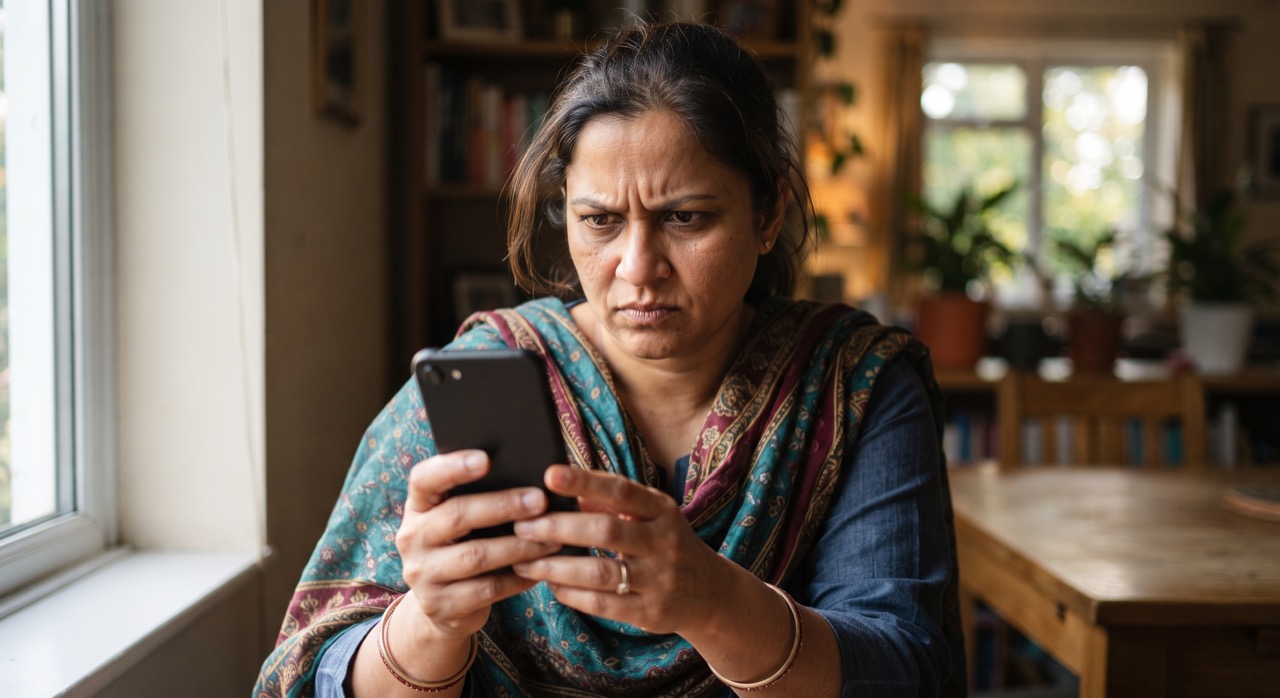
Your phone rings. The caller ID looks almost official, the voice on the other end sounds calm and professional, and within seconds they know your name, your CNIC's last four digits, and maybe even your recent transaction amount. This is exactly how thousands of Pakistanis lose their savings every month to fake JazzCash and Easypaisa "customer support" calls. The scam isn't sophisticated technology — it's sophisticated psychology. Understanding how it works is the single best defence you have.
How the Scam Actually Works
Fraudsters rarely hack your account directly. Instead, they trick you into handing over the keys yourself — a tactic called social engineering. A typical call follows a script:
- The caller claims your account has been "blocked," "flagged for suspicious activity," or is "about to be upgraded," creating urgency and fear.
- They already have some of your real details (leaked from data breaches or guessed from your mobile number), which builds false trust.
- They ask you to "verify" yourself by reading out the OTP (One-Time Password) you just received, or your 4-digit PIN.
- Once you share it, they log into your wallet or complete a transaction on their end and drain your balance within minutes.
- Some scammers pose as "lucky draw" winners, army welfare schemes, or even job offers requiring a small "processing fee" via JazzCash or Easypaisa.
The entire scam depends on one thing: you saying your PIN or OTP out loud, or typing it into a fake link. Nothing else is needed.
The Golden Rule
No bank, telecom company, or mobile wallet — JazzCash, Easypaisa, or any other — will EVER call, text, or email you asking for your PIN, OTP, or CNIC password. Not for verification. Not for a refund. Not for an upgrade. Never.
Memorize this line and repeat it to your parents, your domestic staff, and anyone in your family who uses mobile money. It is the single fact that stops almost every version of this fraud.
Warning Signs to Watch For
- Urgency and pressure: "Act now or your account will be permanently closed" is a classic manipulation tactic.
- Unofficial numbers: Genuine helplines are short codes like 4444 (JazzCash) or 3737 (Easypaisa) — not random 11-digit mobile numbers.
- Asking you to "confirm" an OTP for a transaction you never initiated. If you didn't request a code, that code was triggered by someone trying to log in as you.
- Suspicious links via SMS or WhatsApp that lead to fake login pages designed to steal your credentials.
- Requests to install a "remote support" app like AnyDesk or TeamViewer so they can "fix" your account — this gives them full control of your phone.
What To Do If You Receive a Suspicious Call
- Hang up immediately. You are never rude for protecting your own money.
- Never share your PIN, OTP, CNIC number, or full card details with anyone over the phone, no matter how official they sound.
- If in doubt, call back only through the number printed on your JazzCash or Easypaisa app or the official website — never the number that called you.
- Report the number by blocking it and, for serious cases, filing a complaint with the FIA's Cyber Crime Wing (NR3C).
- Enable app lock and fingerprint/PIN protection on your wallet app itself, separate from your OTP.
- Regularly check your transaction history inside the official app so you notice anything unusual early.
For official guidance on mobile wallet security, you can also review consumer protection information from the State Bank of Pakistan, and report cyber fraud directly to the FIA Cyber Crime Wing.
Financial fraud thrives on speed and fear. Slow down, verify independently, and remember: real support never needs your secret code — because they already have every other way to help you without it.
Roman Urdu
Aksar log ek phone call se apni zindagi bhar ki bachat kho dete hain — sirf is liye kyun ke caller khud ko JazzCash ya Easypaisa ka "customer support" bata kar itna confident aur official lehja istemal karta hai ke shak hi nahi hota. Ye fraud koi high-tech hacking nahi, balke ek simple tareeqa hai jise "social engineering" kehte hain — yani aapko khud apni marzi se apna raaz bata dene par majboor karna.
Scam ka tareeqa aksar aisa hota hai: caller kehta hai aapka account "block" ho gaya hai ya "suspicious activity" ki wajah se rok diya gaya hai, aur ghabra kar aap se OTP ya PIN maanga jata hai "verification" ke naam par. Kabhi lucky draw jeetne ka jhoota paigham hota hai, kabhi job offer ke naam par thodi si "processing fee" mangi jati hai.
Yaad rakhein ye golden rule:
Koi bhi bank, telecom company ya mobile wallet — JazzCash ho ya Easypaisa — kabhi bhi phone, SMS ya email par aap se PIN, OTP ya CNIC password nahi mangta. Kabhi nahi.
Kuch nishaniyan jo dhoka pehchanne mein madad karti hain:
- Jaldi karwana aur dhamki dena ke "abhi na kiya to account band ho jayega"
- Random mobile number se call, jabke asal helpline short code hoti hai (JazzCash 4444, Easypaisa 3737)
- Aisa OTP confirm karwana jo aapne khud request hi nahi kiya tha
- SMS ya WhatsApp par shakki links bhejna jo fake login page par le jate hain
- AnyDesk ya TeamViewer jaisi remote app install karwana taake wo aapke phone ka control le sakein
Agar aisi call aaye to foran band kar dein, kisi ko bhi apna PIN ya OTP na batayein, aur agar shak ho to sirf official app ya website par diye gaye number par khud call karein. Bada fraud ho to FIA Cyber Crime Wing (NR3C) mein report darj karayein. Apne wallet app mein fingerprint ya PIN lock zaroor lagayein aur transaction history regularly check karte rahein.
Yaad rahe — asal support wale kabhi aapka secret code nahi maangte, kyun ke unhe pehle se hi har cheez ka access hota hai. Sirf fraudster ko iski zaroorat hoti hai.