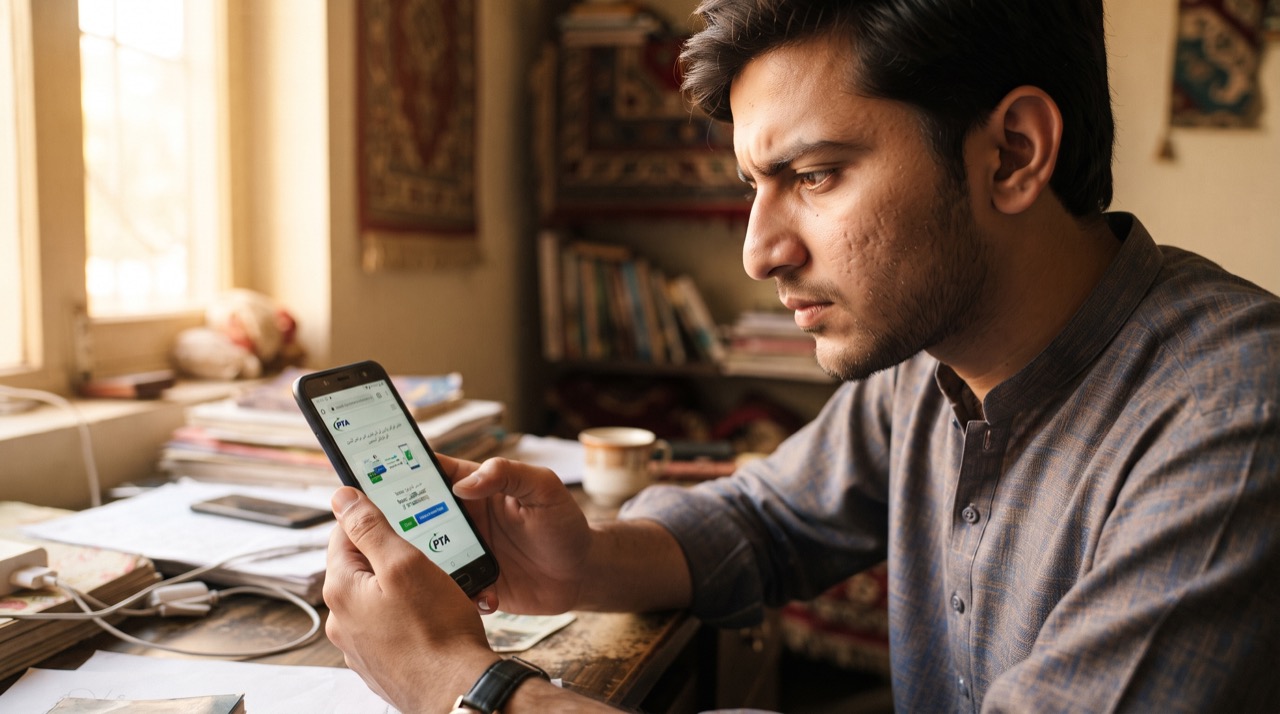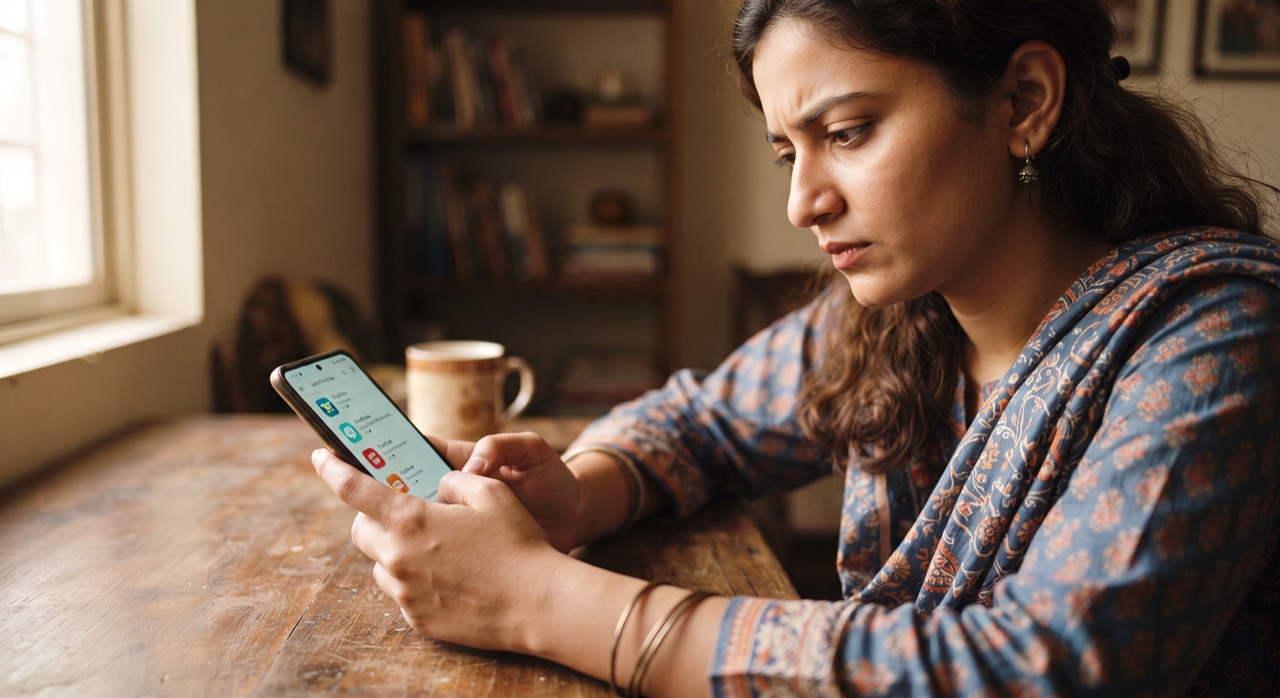
Every week there's a new story from someone in Lahore or Karachi whose WhatsApp got hacked, or whose bank balance disappeared after they installed "just a flashlight app." Almost always, the app came from a link on Facebook or a third-party website — not the real Google Play Store. The good news is that spotting a fake or malicious app takes less than two minutes once you know what to look for. Here's a practical checklist you can use before you tap that "Install" button.
Check the Developer Name, Not Just the App Name
Scammers copy app icons and titles almost perfectly, but they can rarely fake the developer account cleanly. Before installing anything financial, banking-related, or camera/microphone-heavy, scroll down to the "About this app" section and look at the developer name.
- Search the developer name separately on Google. A real bank's app should be published by the bank itself (for example "JS Bank Limited," not "JS Bank Pro Team" or a random individual name).
- Be suspicious of developer names with random numbers, extra spaces, or slightly misspelled company names (e.g., "WhatsAp Inc" instead of "WhatsApp LLC").
- Check how many other apps that developer has published. A developer with one app, published two weeks ago, imitating a famous brand, is a major red flag.
- Tap on the developer's name to see their full app catalogue and official website link — legitimate companies usually list a working website and support email.
Read Reviews Properly — Not Just the Star Rating
A 4.5-star rating means nothing if it was bought with fake reviews. Instead:
- Sort or scroll to the most recent reviews, not the top "featured" ones. Fake apps often get flooded with fake 5-star reviews at launch, then real users start complaining a few weeks later.
- Look for specific complaints like "stole my OTP," "asked for unnecessary permissions," "drains battery," or "redirects to gambling sites." These are recurring scam patterns.
- Check the total number of downloads versus the number of reviews. An app claiming 1 million+ downloads with only 40 reviews is suspicious.
- Read the developer's replies to negative reviews (if any). Genuine companies respond professionally; fake ones either don't reply or respond with generic copy-paste text.
Review Permissions Before You Tap Install
This is the single most important habit. On the app's Play Store page, scroll to "App permissions" (or check after installing, under phone Settings > Apps > [App name] > Permissions) and ask yourself if the permission makes sense for what the app does.
- A calculator or flashlight app should never ask for SMS access, contacts, or call logs.
- A photo editor doesn't need access to your microphone or location at all times.
- Be extremely cautious of apps requesting "Accessibility Service" permission unless it's a well-known screen reader or productivity tool — this permission can let malicious apps read your screen, including OTPs and banking passwords.
- If an app demands permissions unrelated to its core function, uninstall it immediately, even if you already granted access.
Extra Safety Habits Worth Building
- Only download from the official Google Play Store app — never from APK files shared on WhatsApp, Facebook groups, or random websites.
- Turn on Google Play Protect in Play Store settings; it scans installed apps for known malware behaviour automatically.
- For banking or payment apps, only trust the link shared on the official bank or company website — search "[bank name] official app" and compare it to what's listed on their site.
- If unsure, wait. New apps with big promises ("earn Rs 5000 daily," "free mobile balance") almost always turn out to be scams designed to harvest your data.
A few seconds spent checking a developer's name and permission list can save you weeks of dealing with a hacked account or stolen savings.
Building this small habit — developer check, recent reviews, permission review — takes barely two minutes but protects your phone, your data, and your money for years of use.
Roman Urdu
Aaj kal fake apps ka scam Pakistan mein bohat aam ho gaya hai — log Facebook ya WhatsApp se APK download karte hain aur phir unka data ya bank balance chori ho jata hai. Asli Google Play Store se app download karna sab se zaroori qadam hai, lekin sirf yeh kaafi nahi — kuch aasan cheezen check karna zaroori hai.
Sab se pehle developer ka naam zaroor dekhein. Agar koi banking app hai to uska developer wahi bank hona chahiye, na ke koi random naam jaisa "XYZ Bank Pro Team." Developer ka naam Google par search karein aur dekhein ke unke aur kitne apps hain — agar sirf ek hi app hai jo kisi famous brand ki copy lag rahi hai, to yeh khatarnak sign hai.
Reviews bhi sirf star rating dekh kar mat judge karein. Sab se recent reviews scroll kar ke parhein — agar log likh rahe hain "OTP chori ho gaya" ya "fazool permissions maangta hai," to us app se door rahein. Download aur review count ka ratio bhi check karein — agar 10 lakh downloads hain lekin sirf 40 reviews, to yeh normal nahi.
Sab se important cheez permissions hain. Install karne se pehle "App permissions" section zaroor dekhein. Agar ek calculator app SMS ya contacts maangta hai, ya ek photo editor microphone aur location har waqt maangta hai, to yeh sahi nahi. "Accessibility Service" permission se bohat ehtiyat karein — is se malicious apps aapki screen padh sakte hain, jaise OTP aur banking password.
Hamesha sirf Google Play Store se hi apps download karein, kabhi bhi third-party website ya WhatsApp forward se APK install na karein. Play Store settings mein Google Play Protect ko on rakhein — yeh automatically malicious apps detect karta hai.
Banking ya payment apps ke liye hamesha company ki official website check karein aur wahan se diya gaya link use karein. Agar koi app "roz Rs 5000 kamayein" jaisa vaada kare, to samajh jayein ke yeh scam hai. Do minute ka yeh check aapke phone, data, aur paison ko mahino ki pareshani se bacha sakta hai.