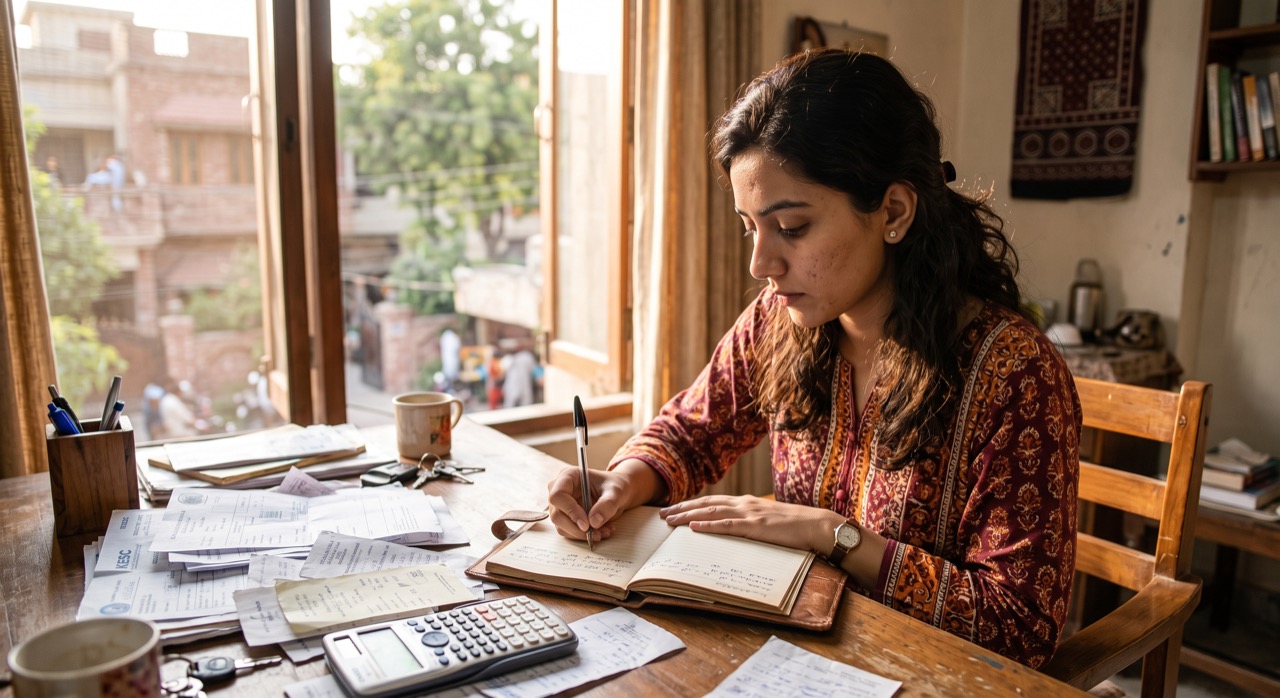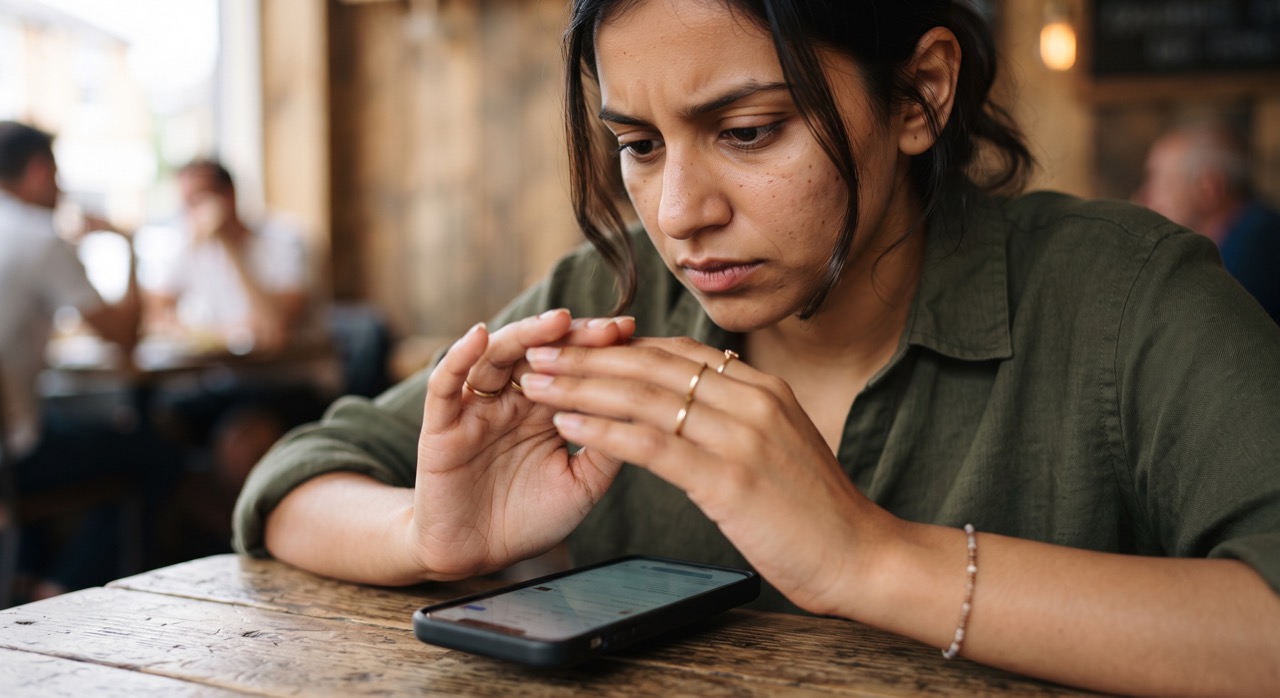
Every time you post a picture, fill a form, or accept a "fun quiz" on Facebook, you hand over a small piece of your identity. On its own, one piece feels harmless. But data brokers, scammers, and identity thieves don't need one piece — they collect dozens of small pieces from different places and stitch them into a complete profile of you: your CNIC number, your phone number, your home area, your daily routine. In Pakistan, where SIM registration, mobile wallets, and even loan apps are tied directly to your CNIC, this stitched-together profile can be used to open fraudulent SIMs in your name, apply for loans you never took, or plan a break-in while you're posting "having a great time in Murree" in real time. Here is a practical breakdown of what is safe to share, what needs boundaries, and what should never leave your phone.
Never Post These, Ever
- CNIC number and photos of your CNIC. Never post a photo of your card, front or back, on social media, WhatsApp status, or even in "verification" groups. Your CNIC number alone is often enough for someone to attempt SIM fraud, mobile wallet fraud, or fake loan applications in your name.
- Full date of birth alongside your full name. Combined with your CNIC-linked details, this pair is a favourite for security-question guessing and identity verification bypass.
- Live location or "checked in" posts while you're still there. Posting that you're currently at a wedding, at Murree, or on Umrah tells burglars your house is empty right now. Share travel photos after you're back home.
- Boarding passes, ticket QR codes, and bank/ATM slips. Boarding pass barcodes can reveal your booking reference and personal details; bank slips can expose partial account numbers.
- Children's school name, uniform, or daily pickup routine in public posts — this is a common vector for real-world targeting, not just data theft.
Share With Caution, Never in Public Groups
- Phone number: Fine to give directly to a verified business or bank support line; never post it in public Facebook groups, buy-sell pages, or comment sections where scrapers and robocall lists harvest numbers.
- Home address: Share only in private chats with couriers or known contacts. Avoid writing full addresses in public marketplace listings — use area/landmark only, and finalize exact address privately.
- Workplace and daily schedule: Fine as general info ("I work in banking"), risky when specific ("I leave the office at 6pm and walk home alone via this street").
Quiz Apps and "Fun" Surveys
Those "What's your street name + first pet = celebrity name" games are not random fun — the answers often match real bank and email security questions. Treat any third-party app or quiz asking for Facebook login permissions or personal trivia as a data-harvesting tool by default. Check what a Facebook app can access before accepting, and periodically review and remove old connected apps.
Practical Steps to Lock Things Down
- Set old posts and photo albums to "Friends Only" using Facebook's Privacy Checkup tool.
- Turn off precise location tagging in your phone's camera and social apps.
- Enable two-factor authentication (2FA) on WhatsApp, Facebook, and email — this alone blocks most account-takeover attempts even if your password leaks.
- If you must verify identity for an online service, ask whether a masked/partial CNIC (last 4 digits) is acceptable instead of the full number.
- Report and block accounts asking for CNIC photos "for verification" in DMs — this is one of the most common scam patterns on WhatsApp and Facebook Marketplace in Pakistan.
A good rule of thumb: if a stranger could use the information to pretend to be you at a bank counter, or to know exactly when your house is empty, it does not belong in a public post.
None of this requires deleting your social media or living offline — it just means treating your CNIC, phone number, and location the same way you'd treat cash in your wallet: useful when you choose to use it, dangerous when it's left lying around for anyone to pick up.
Roman Urdu
Jab bhi aap koi picture post karte hain, form fill karte hain, ya Facebook par "mazaikda quiz" complete karte hain, to aap apni identity ka ek chhota hissa share kar rahe hote hain. Akela hissa be-zarar lagta hai, lekin scammers aur data thieves alag-alag jagah se chhote chhote hisse jama karke aapki mukammal profile bana lete hain — CNIC number, phone number, ghar ka ilaqa, roz ka routine. Pakistan mein jahan SIM registration, mobile wallets, aur loan apps seedha CNIC se juri hoti hain, ye profile fake SIM issue karwane, jhoote loans lene, ya jab aap "Murree mein enjoy kar rahe hain" live post kar rahe hon to ghar khali dekh kar chori karne ke liye use ho sakti hai.
Ye Cheezein Kabhi Post Na Karein
- CNIC ki photo (aage ya peeche) kisi bhi social media, WhatsApp status, ya "verification" group mein kabhi na dein.
- Full date of birth ko apne full naam ke saath ek jagah post na karein — ye security questions guess karne ke liye use hota hai.
- Abhi live location ya "checked in" post na karein — jab tak wapas ghar na pahunch jayein, travel pictures baad mein share karein.
- Boarding pass, ticket QR code, ya bank/ATM slip ki photo kabhi share na karein.
- Bachon ke school ka naam ya roz ka pickup routine public posts mein na dalein.
Ehtiyat Se Share Karein, Public Groups Mein Kabhi Nahi
- Phone number sirf verified bank ya company ko seedha dein — public buy-sell groups ya comments mein kabhi na likhein.
- Ghar ka pura address sirf private chat mein courier ya jaan-pehchaan wale ko dein, public listings mein sirf area/landmark likhein.
- Office ka waqt aur roz ka route detail mein share na karein.
Quiz Apps Se Bachein
"Aapki gali ka naam + pehle pet ka naam = aapka celebrity name" jaisi quizzes fun nahi, data harvesting hoti hain — ye jawab aksar bank aur email ke security questions se match karte hain. Facebook apps ki permissions check karein aur purani connected apps hata dein.
Kya Karein
- Purani posts aur albums ko "Friends Only" par set karein.
- Camera aur social apps mein precise location tagging band karein.
- WhatsApp, Facebook, aur email par 2FA (two-factor authentication) zaroor lagayein.
- Agar verification ke liye CNIC mangi jaye to sirf akhri 4 digits dena kaafi hai ya nahi, poochein.
- DM mein CNIC photo mangne wale accounts ko turant block aur report karein — ye Pakistan mein aam scam pattern hai.
Yaad rakhein: agar koi ajnabi is information se bank counter par aapka bahana bana sakta ho, ya jaan sakta ho ke aapka ghar kab khali hai, to wo cheez public post ke qabil nahi.