Someone you love is struggling — maybe a job loss, a family conflict, a health scare, a broken engagement, or grief. In Pakistan, where "sab theek ho jayega" is often the default response to everything, it can be hard to know how to show up for a friend in a way that actually helps rather than just fills the silence. Good intentions aren't enough; how you show up matters. Here is a practical guide to being the kind of friend people remember for the right reasons.
What to Say (and What Actually Helps)
You don't need perfect words — you need honest, simple ones that make space for the other person instead of rushing them toward "moving on."
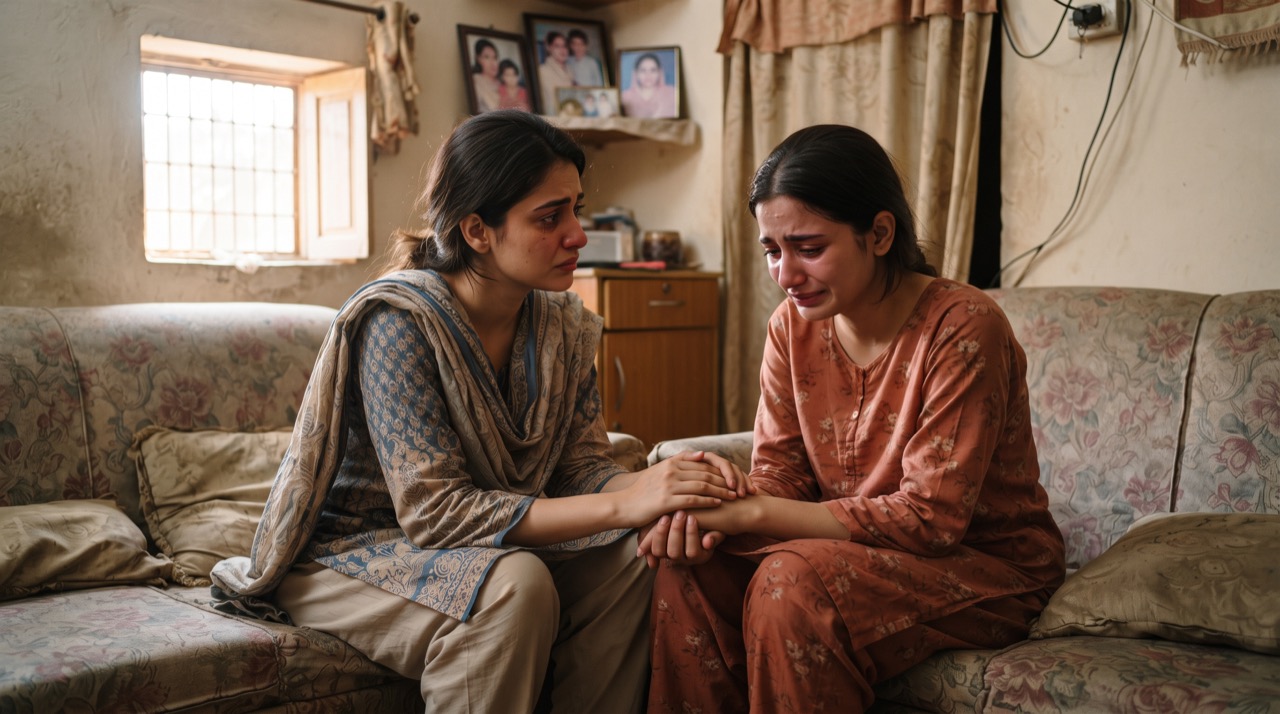
- "I'm here. You don't have to explain everything right now." — removes pressure to perform okayness.
- "That sounds really hard. I'm sorry you're going through this." — validates without minimizing.
- "What do you need right now — someone to listen, or someone to help fix this?" — lets them lead instead of assuming.
- "I'm not going anywhere." — reassures without demanding a timeline for their recovery.
- Ask open questions and then actually listen — don't use the pause to plan your reply.
People rarely remember the exact words you used. They remember whether you stayed, and whether they felt judged.
What to Avoid
Some responses feel supportive to say but land as dismissive to hear. Watch for these:
- Comparing pain — "Someone else has it worse" makes their struggle feel invalid, not smaller.
- Instant advice — jumping to solutions before they've finished venting can feel like you're not really listening.
- Toxic positivity — "Everything happens for a reason" or "just stay positive" can shut a person down mid-conversation.
- Making it about you — "I know exactly how you feel, when I went through..." shifts focus away from them.
- Gossiping about their situation — in tight-knit families and biradari circles, this is one of the fastest ways to lose trust permanently.
- Disappearing after the first check-in — support that shows up once and vanishes feels worse than not reaching out at all.
Practical Help That Makes a Difference
Emotional support matters, but concrete help often matters more, especially in the first few weeks.
- Be specific, not vague. Instead of "let me know if you need anything," say "I'm dropping off dinner Thursday" or "I'll drive you to the appointment on Monday."
- Handle small logistics. Picking up groceries, helping draft a resignation letter, sitting with them at a hospital, or managing a WhatsApp group so they don't have to repeat bad news to everyone.
- Protect their privacy. Ask before sharing their situation with mutual friends or relatives — let them control the narrative.
- Check in on a schedule, not just once. A short text a week later ("thinking of you, no need to reply") often means more than a long message on day one.
- Respect financial sensitivity. If money is part of the crisis, offer help quietly and without conditions, and never bring it up in front of others.
- Know your limits. If the situation involves serious depression, self-harm risk, or a health crisis beyond what a friend can manage, gently encourage professional help alongside your support, not instead of it.
When It's Bigger Than Friendship Can Fix
If your friend seems persistently hopeless, withdrawn, or mentions not wanting to be around anymore, that is beyond what friendship alone should carry. Encourage them to speak with a doctor or mental health professional, and offer to help them find one or go with them to the first appointment. The World Health Organization's guidance on mental health is a useful starting point for understanding when support needs to go beyond a friend's role.
Roman Urdu
Jab koi apna dost mushkil waqt se guzar raha ho — job chali jaye, ghar mein jhagra ho, rishta toot jaye, ya koi bimari ho — to sirf "sab theek ho jayega" kehna kaafi nahi hota. Asal support un cheezon se milta hai jo aap karte hain, sirf jo aap kehte hain us se nahi.
Kya Kaha Jaye
Simple aur honest baat karein: "Main yahan hun, sab kuch explain karne ki zaroorat nahi." Ya "Yeh sach mein mushkil hai, mujhe afsos hai." Unse poochein ke unhein kya chahiye — sunne wala ya madad karne wala. Unki baat sunein bina jaldi advice diye.
Kya Avoid Karein
Kabhi bhi unke dukh ko kisi aur se compare na karein ("dusron ka to aur bura hal hai"). Foran advice dena, ya "sab kuch ek wajah se hota hai" jaisi baatein unhein aur akela mehsoos kara sakti hain. Unki baat aage kisi aur se share na karein — khaas taur par biradari aur family circles mein yeh trust todne ka sabse tez tareeka hai. Aur sirf ek dafa puchh kar ghayab na ho jayein.
Amli Madad Jo Farq Dalti Hai
Sirf "kuch chahiye ho to bata dena" kehne ke bajaye specific offer karein — jaise "Guruwar ko khana le kar aa raha hun" ya "Pir ko appointment pe le jaunga." Chhoti chhoti zimmedariyan sambhalein — grocery, hospital mein sath baithna, ya logon ko baar baar bad news batane se bachana. Unki privacy ka khayal rakhein aur bina pooche kisi ko unki baat na batayein. Aik hafte baad chhota sa message bhi bohat maayne rakhta hai.
Agar dost ki halat bohat zyada kharab lage — mayoosi, akelapan, ya khud ko nuqsan pohnchane ki baat — to yeh sirf dosti se theek hone wali baat nahi. Unhein pyaar se kisi doctor ya mental health professional se baat karne ka mashwara dein, aur agar mumkin ho to unke sath pehli appointment pe jayein.