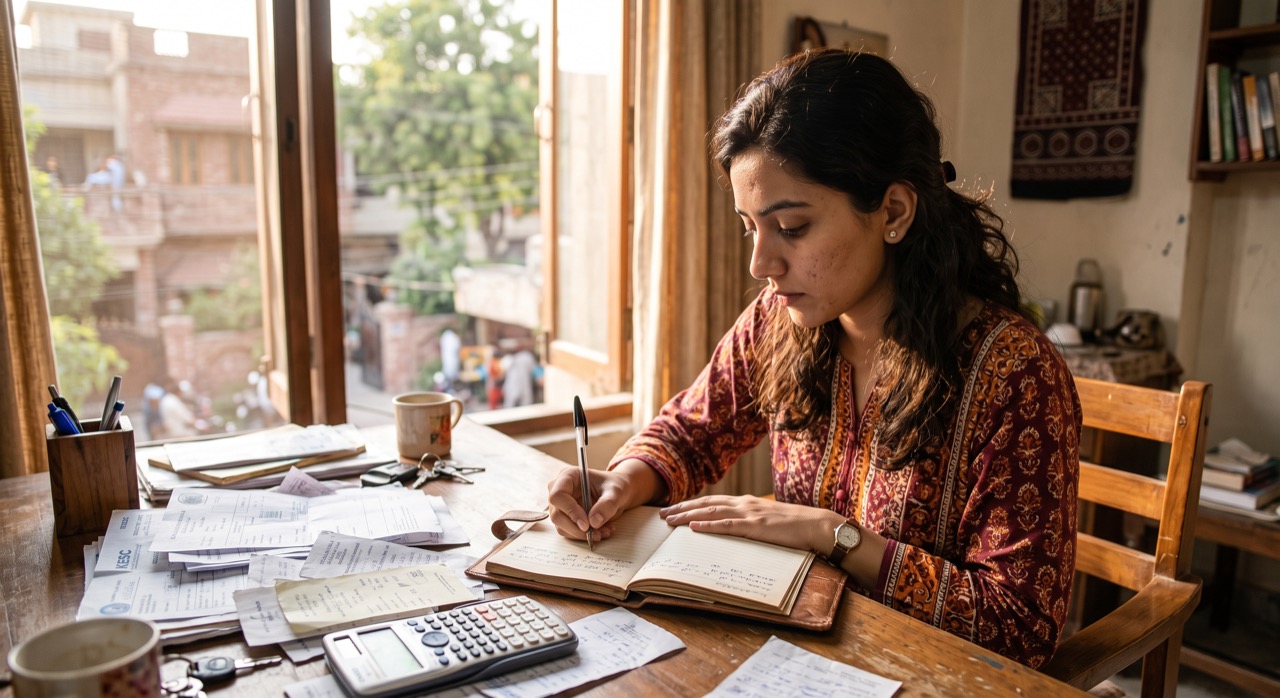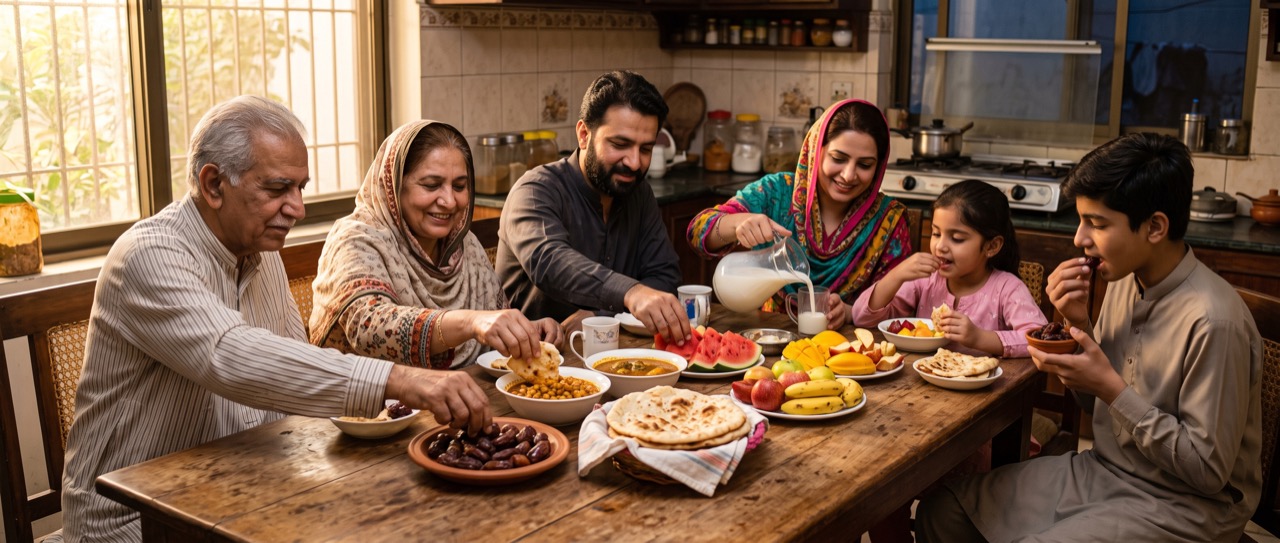
Ramadan in Pakistan usually means long fasting hours, a full workday sandwiched in between, and an evening that only gets busy after iftar. The difference between dragging yourself through the afternoon and actually feeling normal at your desk almost always comes down to three things: what you eat at sehri, how you spread your water intake, and how you protect your sleep. None of this requires giving up your favourite foods — it just means being a little more deliberate about timing.
Sehri: Build a Plate That Lasts 15 Hours, Not 3
The biggest mistake most people make at sehri is eating heavy, fast-digesting food and going back to sleep — which means the energy crash hits right around lunchtime at the office. Aim for a plate that digests slowly and keeps blood sugar stable.
- Complex carbs over refined ones: whole wheat paratha or roti, oats, or brown rice instead of plain white bread or sugary cereal — they release energy gradually instead of spiking and crashing.
- Protein is non-negotiable: eggs, plain yogurt (dahi), paneer, or a handful of nuts keep you fuller for longer than carbs alone.
- Add fibre: a banana, dates, or a small bowl of chana keeps digestion slow and steady through the day.
- Go easy on salt and fried items: parathay fried in extra ghee or salty leftovers make you thirstier by mid-morning — save the fried food for iftar, in moderation.
- Eat as close to the sehri cut-off as reasonably possible rather than at midnight, so the "usable" window before your body starts running on reserves is longer.
Hydration: Spread It Out, Don't Chug It
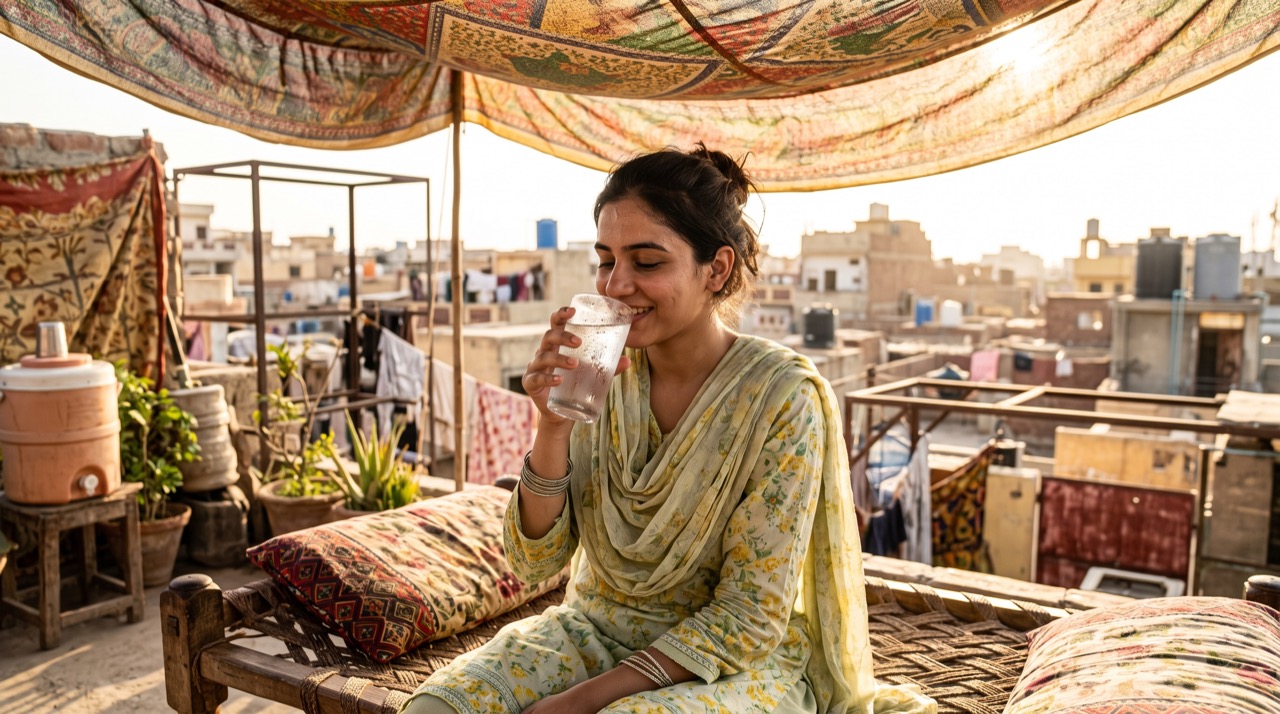
Drinking two glasses of water at 4 a.m. does very little if you sweat it out by 9 a.m. The goal is steady hydration across the non-fasting hours, not a last-minute top-up.
- Split your water between iftar and sehri — roughly 6-8 glasses total, spaced out rather than gulped in one sitting.
- Add one glass with a pinch of salt and sugar or ORS at sehri if you're doing physical work or it's a hot month — it helps retain fluid longer than plain water.
- Cut back on tea and coffee at sehri. Caffeine is a diuretic, so that "wake-up" chai at 4 a.m. can actually work against your hydration and leave you with a headache by noon.
- Watermelon, cucumber, and oranges at iftar or sehri add water content along with vitamins, without you having to force down extra liquid.
Iftar: Break the Fast Gently, Then Eat
Jumping straight into pakoras and a full plate of biryani the second the azaan goes off is exactly why so many people feel sluggish an hour later. The stomach needs a gentle restart, not a shock.
- Start with dates and water — the natural sugars restore blood glucose quickly without overwhelming your system.
- Wait 10-15 minutes (through Maghrib prayer works well) before moving to the main meal — this gives your stomach time to signal fullness properly later, so you don't overeat.
- Balance the plate: if fried items like pakoras or samosas are on the table, pair them with something light — a salad, soup (shorba), or fruit chaat — instead of stacking fried food on fried food.
- Keep the heaviest meal for after Maghrib, eaten slowly, rather than rushing a huge meal in ten minutes before you're pulled into evening errands or work calls.
A simple rule that works: sehri should feel like fuel for the day ahead, and iftar should feel like recovery — not a race to make up for everything you skipped.
Sleep and Staying Alert at Work
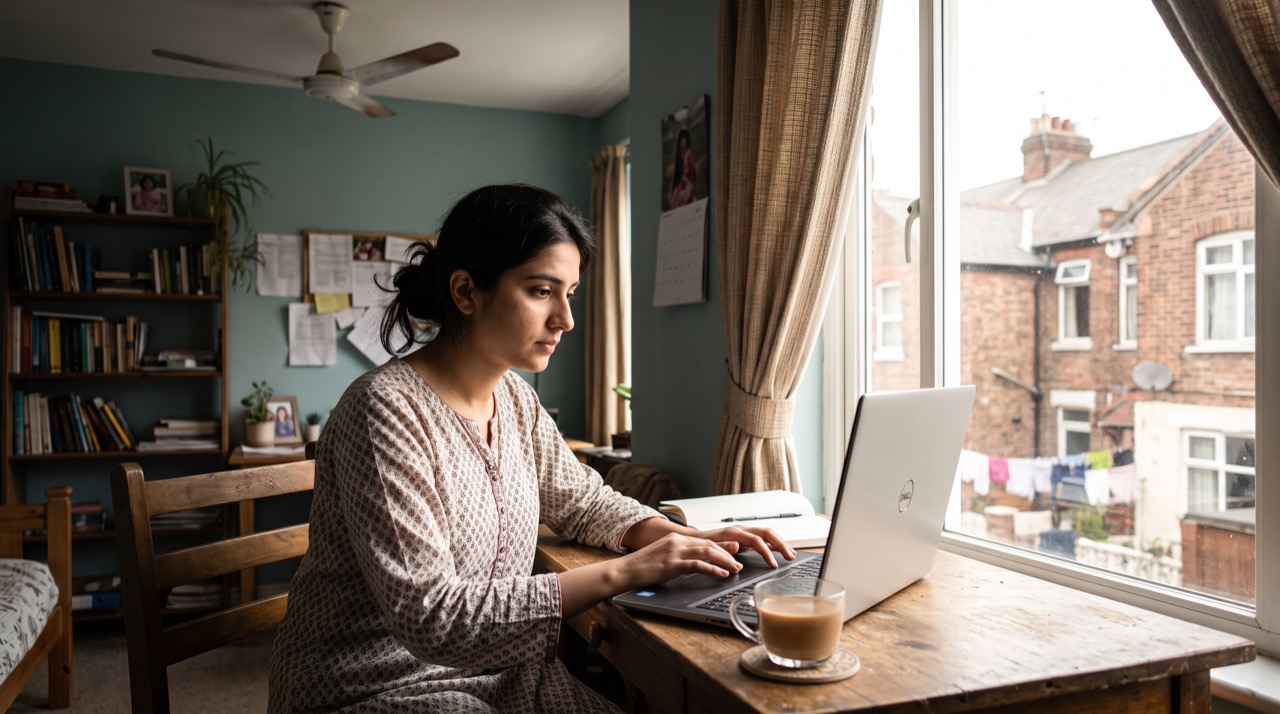
Ramadan shortens your sleep window, and that's usually the real reason people feel foggy at work — not the fasting itself.
- Protect a core sleep block of at least 5-6 hours, even if it's split between a short pre-sehri nap and a post-Fajr block.
- A 20-30 minute power nap after lunch (if your workplace allows a break) does more for alertness than a large one at random.
- Avoid heavy screen time right after sehri — going back to sleep on a full stomach with bright light exposure disrupts deep sleep quality.
- Keep your work priorities for the first half of the day when energy is highest, and save lighter tasks for the late afternoon slump.
None of this is complicated — it's mostly about spacing things out instead of cramming them into two rushed meals. Small, consistent adjustments to sehri, water, and sleep timing add up to a Ramadan where you're actually present at work, not just surviving it.
Roman Urdu
Pakistan mein Ramadan ka matlab hai lambi fasting aur beech mein poora office day. Din bhar energetic rehne ka raaz teen cheezon mein hai: sehri ka khana, pani ka sahi tareeqa, aur neend ka schedule.
Sehri mein hamesha halka nahi, balke der tak chalne wala khana lein — jaise roti ya paratha (thora sa ghee), anday, dahi, aur agar mumkin ho to kuch fibre wali cheez jaise chana ya kela. Zyada namak aur talay hue parathay se parhez karein, warna dopeher tak pyaas lag jaati hai. Chai ya coffee sehri mein kam rakhein kyunke caffeine jism se pani nikalta hai.
Pani ko ek hi waqt mein peene ke bajaye poore iftar-se-sehri period mein phaila dein — takreeban 6-8 glass. Garmi ke mahine mein ek glass mein thora namak-cheeni ya ORS milana faydemand hota hai. Tarbooz, kheera aur santara jese phal bhi hydration mein madad karte hain.
Iftar khajoor aur pani se shuru karein, phir 10-15 minute ka waqfa dein (Maghrib ki namaz ke doran) is se pehle ke aap bhari khana shuru karein. Talay hue items ke saath salad ya shorba zaroor lein taake pait par bojh na pare.
Ek simple usool: sehri jism ko fuel deti hai, aur iftar jism ko recover karta hai — is liye iftar ko race na banayein.
Neend Ramadan mein sabse zyada asar dalti hai. Kam se kam 5-6 ghante ki neend zaroor lein, chahe wo do hisson mein ho. Lunch ke baad agar mumkin ho to 20-30 minute ki chhoti nap lein — is se office mein alertness barh jaati hai. Sehri ke foran baad mobile screen dekhne se bachein, is se neend ka quality kharab hota hai. Din ke pehle hisse mein zaroori kaam nipta lein jab energy sabse zyada hoti hai.
In choti choti tabdeeliyon se aap Ramadan mein sirf guzar nahi karenge, balke apne kaam mein bhi poori tarah maujood rahenge.