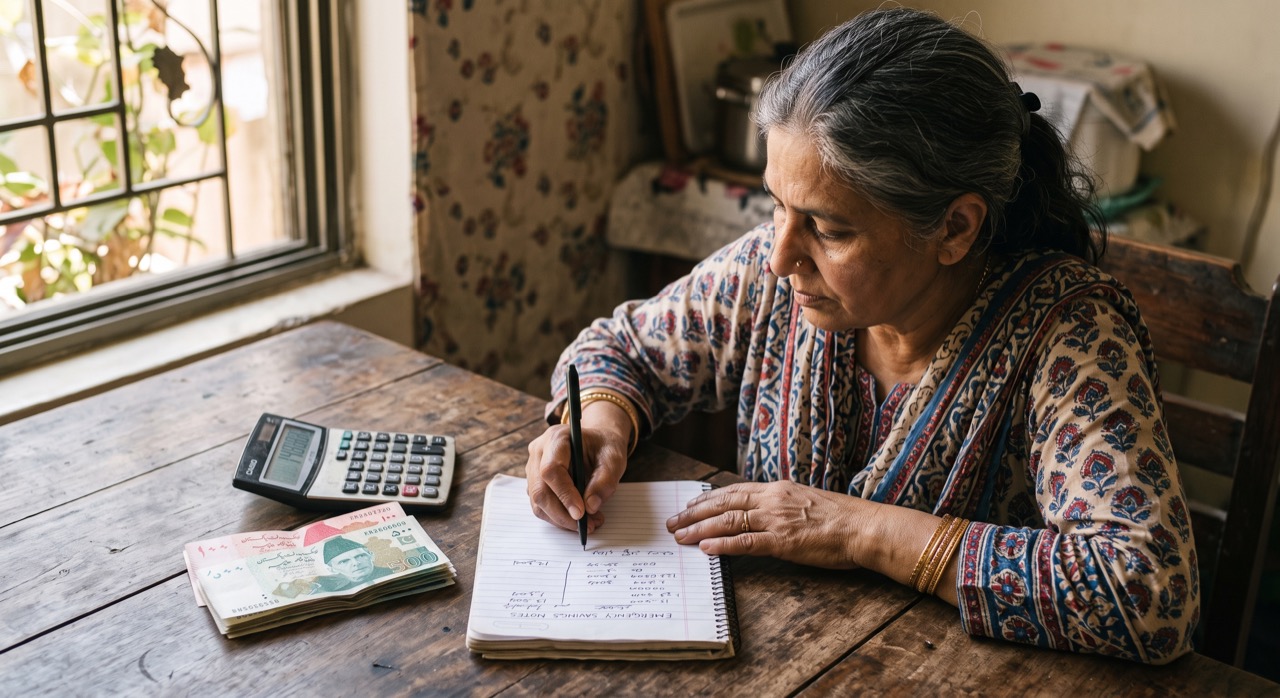
A medical emergency, a sudden job loss, a broken motorbike you need for work — these things don't ask permission before they happen. If you're living paycheque to paycheque, even a small unexpected bill can push you toward high-interest borrowing or asking relatives for help. The good news is that you don't need a huge salary to build a safety net. You need a system that works automatically, even when willpower runs low. Here's a realistic way to build one on an average Pakistani income.
Set a Small, Believable First Target
Forget the advice that says you need six months of expenses saved before you're "safe." That number is so far away for most modest earners that it feels pointless to even start — so people don't. Instead, break it into stages:
- Stage 1: Rs. 10,000–15,000 — enough to cover a doctor's visit, a phone repair, or a few days without income.
- Stage 2: One month's basic expenses (rent, groceries, utilities, transport).
- Stage 3: Three months of basic expenses — the long-term goal.
Hitting Stage 1 within 60–90 days is realistic for most households and gives you the confidence to keep going. Momentum matters more than the final number at the start.
Automate a Fixed Amount Before You Can Spend It
The single biggest reason savings plans fail is that people save "whatever is left" at month-end — and there's rarely anything left. Flip the order: save first, spend second.
- On salary day, immediately move a fixed amount — even Rs. 500 or Rs. 1,000 — into a separate account or mobile wallet before you pay any bills.
- If your bank allows a standing instruction or auto-transfer, set it up so the decision is made once, not every month.
- Treat this transfer like a bill you owe yourself. It is non-negotiable, not optional.
"Beware of little expenses; a small leak will sink a great ship." — Benjamin Franklin
The reverse is also true: a small, consistent deposit will eventually build a solid ship.
Keep the Fund Separate — and Slightly Inconvenient
Emergency savings should be reachable within a day or two, but not sitting in the same account you use for daily spending, where it quietly disappears into small purchases.
- Open a basic separate savings account, or use a dedicated mobile wallet balance on Easypaisa or JazzCash that you don't touch for everyday transactions.
- Don't link this account to a debit card you carry around — friction is your friend here.
- Once the fund grows past your Stage 1 target, you can explore low-risk options such as Prize Bonds or National Savings certificates through the Central Directorate of National Savings, but for the core emergency cushion, liquidity matters more than returns.
Find Extra Rupees Without Feeling Deprived
You don't need a second job to build this fund — small, repeatable choices add up faster than most people expect.
- Cook one extra meal at home per week instead of ordering out; redirect that saved amount directly to your fund.
- Cancel or pause subscriptions you forgot you had.
- Save loose change and small notes physically — count and deposit monthly.
- Redirect any windfall — an Eidi gift, a bonus, a tax refund — straight into the fund instead of your spending account.
- Review your mobile data and call packages; many people overpay for bundles they don't fully use.
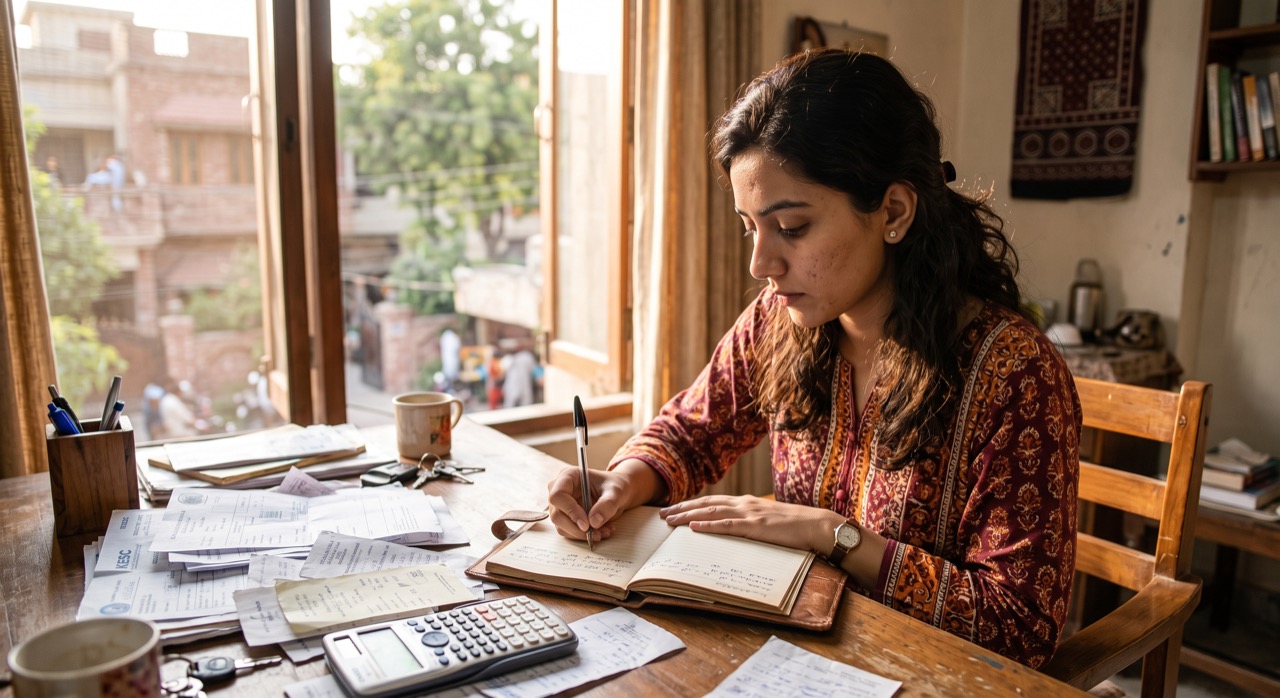
Track your progress somewhere visible — a notebook, a phone note, or a simple spreadsheet. Watching the number grow, even slowly, is what keeps most people consistent for the long run.
Roman Urdu
Emergency fund banana kisi bhi income wale ke liye zaroori hai — chahe salary kam ho ya zyada. Bimari, job jana, ya motorcycle kharab hona, koi bhi cheez bina bataye ho sakti hai. Agar aap tanqha se tanqha guzara karte hain, to chhoti bachat ki adat hi aapko us waqt bacha sakti hai.
Pehla kaam ye hai ke chhota, mumkin target set karein — poore 6 mahine ke kharche jama karna abhi ke liye bhool jayein. Pehle sirf Rs. 10,000 se 15,000 jama karne ki koshish karein, jo ek doctor ki visit ya mobile repair ke kaam aa sake. Us ke baad ek mahine ka kharcha, phir teen mahine ka — dheere dheere.
Sab se bada rule ye hai: salary aate hi, kharch karne se pehle, ek fixed amount alag nikal lein — chahe Rs. 500 hi kyun na ho. Ise apne bill ki tarah samjhein jo har mahine dena zaroori hai. Agar bank mein auto-transfer ki sahulat hai to us se faida uthayein, taake faisla baar baar na karna pade.
Ye paisa apne roz marra wale account se alag rakhein — misal ke taur par ek separate savings account ya Easypaisa ya JazzCash wallet mein jise aap rozana kharch ke liye use nahi karte. Jab fund thora bara ho jaye, to National Savings jaisi safe schemes bhi dekh sakte hain, lekin emergency fund ka bara hissa aisi jagah rakhein jahan se turant nikal sakein.
Chhoti chhoti cheezon se bhi paisa bach sakta hai — hafte mein ek dafa ghar ka khana khayein bajaye order karne ke, fazool subscriptions cancel karein, Eidi ya bonus seedha fund mein dalein, aur mobile package check karein ke zaroorat se zyada to nahi le rahe. Apni progress kahin likh kar rakhein — chahe copy mein ho ya phone mein — taake motivation bani rahe. Yaad rakhein, bara target ek din mein nahi banta, roz ki chhoti adat hi is ka raaz hai.