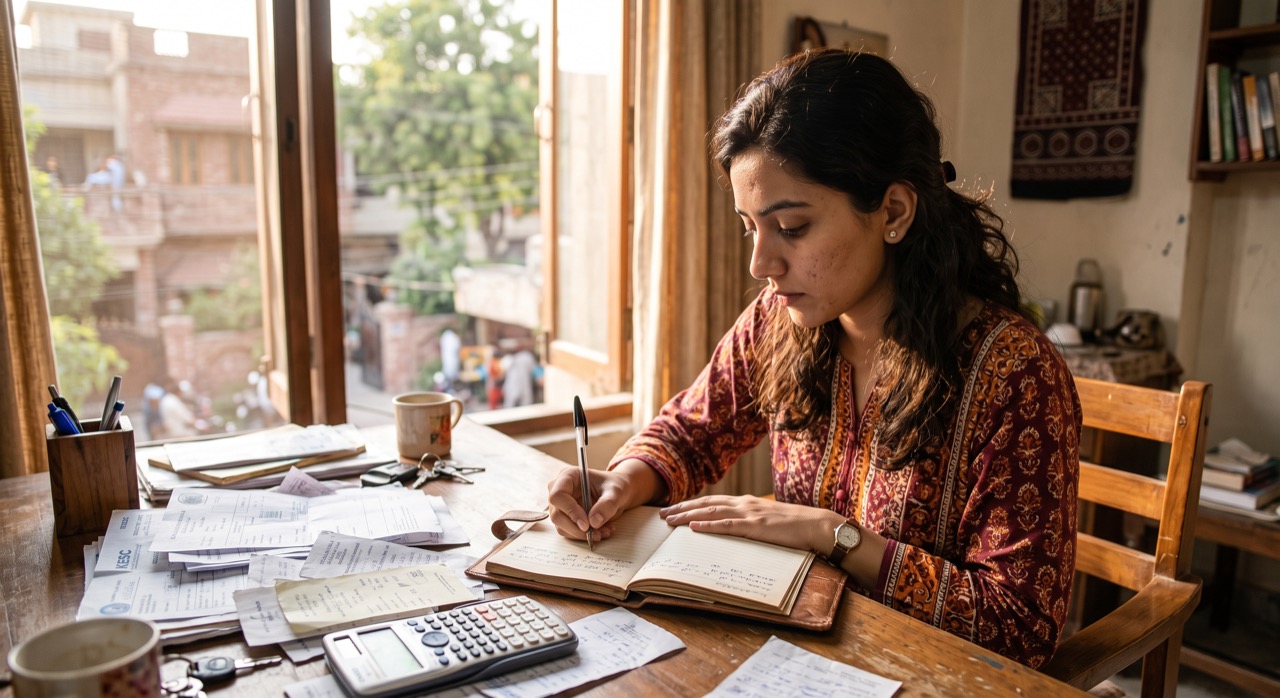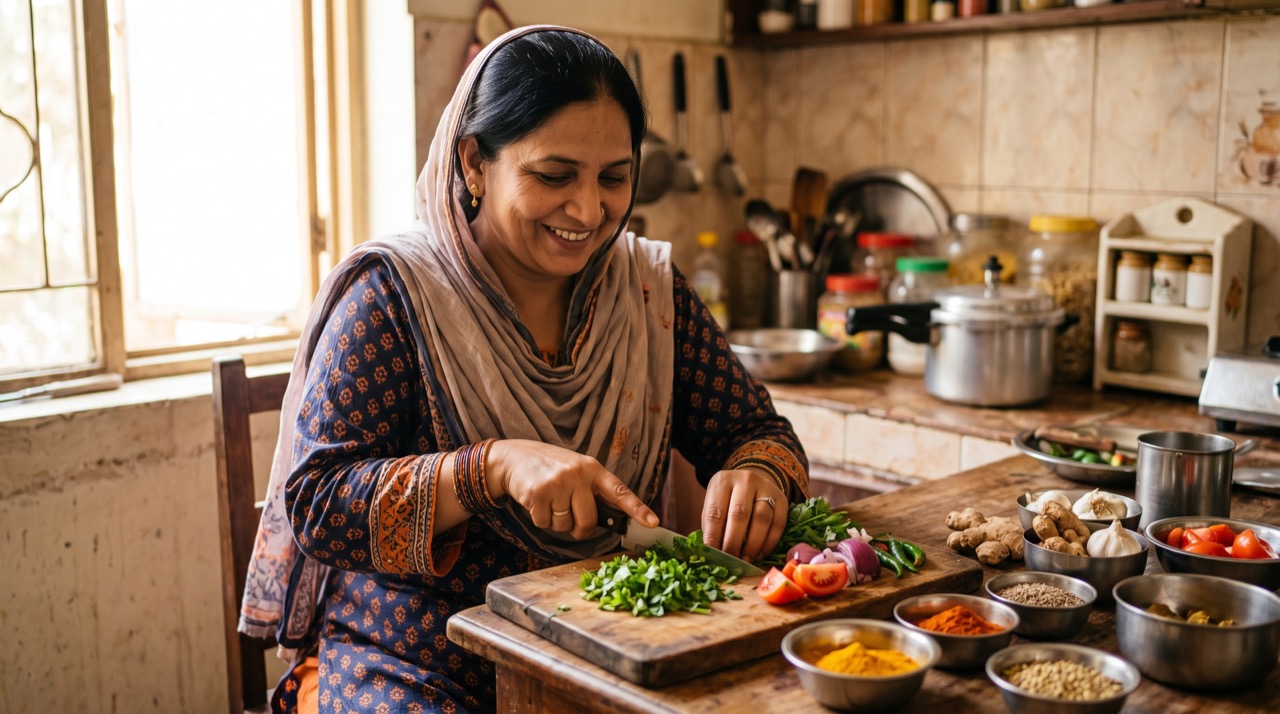
Saving money doesn't have to mean cutting out everything you enjoy. With rising grocery bills, unpredictable electricity units, and fuel prices that change overnight, most Pakistani households are already looking for ways to stretch the rupee further. The good news is that the biggest savings usually come from small, repeatable habits rather than dramatic sacrifices. Here's how to lower your monthly spending on groceries, bills, and transport while still living comfortably.
Smarter Grocery Shopping
Groceries are usually the second-biggest household expense after rent, and small changes here add up fast over a month.
- Shop with a list and a full stomach. Impulse buys drop sharply when you're not hungry and you know exactly what you need.
- Buy seasonal produce. Vegetables and fruits in season are cheaper, fresher, and often better quality than off-season imports.
- Compare per-kilo prices, not package prices. A bigger pack often costs less per unit, but only buy what you'll actually use before it spoils.
- Cook in batches. Making daal, qorma, or biryani in larger quantities and freezing portions saves on gas, time, and reduces the temptation to order food.
- Reduce meat portions slightly rather than cutting it out. Stretching one kilo of meat across an extra dish with more daal or vegetables keeps meals filling without the full cost.
- Buy from mandis or wholesale markets when possible. Weekly sabzi mandis are often 20-30% cheaper than convenience stores for the same produce.
Lowering Utility Bills
Electricity and gas bills fluctuate with usage habits more than most people realize.
- Track your electricity slab. Pakistani electricity billing is tiered, so staying just under the next slab (for example under 200 or 300 units) can mean a much lower per-unit rate for the whole bill, not just the extra units.
- Use fans before AC. Running a ceiling fan alongside the AC lets you set the thermostat a few degrees higher while feeling just as cool.
- Switch to LED bulbs if you haven't already — they use roughly 80% less electricity than incandescent bulbs and last far longer.
- Unplug standby devices. Chargers, routers, and appliances left plugged in draw small amounts of power constantly, which adds up over a month.
- Service your geyser and AC filters regularly. A clogged filter or scaled-up geyser element makes appliances work harder and consume more energy for the same result.
Cutting Transport Costs
Fuel and transport costs are among the most volatile parts of a household budget, but a few habits can meaningfully reduce them.
- Combine errands into one trip instead of multiple short drives — short trips with a cold engine also use more fuel per kilometre.
- Maintain correct tyre pressure. Underinflated tyres increase fuel consumption and wear out faster, so check pressure monthly.
- Carpool for regular routes like office commutes or school drop-offs — splitting fuel costs with a neighbour or colleague can cut your transport spend significantly.
- Use ride-hailing apps for occasional trips instead of keeping a second car running, especially if it's rarely used.
- Service your bike or car on schedule. A poorly tuned engine, dirty air filter, or worn spark plugs can quietly increase fuel consumption by 10-15%.
Making It a Habit, Not a Chore
The households that save the most aren't the ones who cut back hardest for one month — they're the ones who build small, sustainable habits that stick. Track your spending loosely for a month to see where the money actually goes; often the biggest surprise is not big purchases but frequent small ones.
Small, consistent savings on everyday things quietly outperform occasional big sacrifices — because they don't require willpower every single day.
Start with one category — groceries, bills, or transport — apply two or three of these tips, and let it become routine before adding more. Painless saving is really about removing waste, not removing comfort.
Roman Urdu
Paise bachana matlab ye nahi ke aap apni zindagi ki har khushi chor dein. Grocery, bijli ke bill, aur transport ke kharche thori si samajhdari se kaafi kam ho sakte hain — bina kisi qurbani ke.
Grocery: List bana kar aur pet bhar kar shopping karein taake fuzool cheezain na khareedein. Seasonal sabzi aur phal sasty aur behtar hote hain. Bara pack lein agar wo istemaal ho jaye, aur per-kilo rate compare karein. Khana bulk mein pakayein aur freeze karein — is se gas aur waqt dono bachte hain, aur bahar se khana mangwane ka dil bhi kam karta hai. Gosht thora kam karke daal ya sabzi zyada daalein, poora khana barabar bhar dega.
Bijli aur gas ke bill: Apna electricity slab yaad rakhein — agle slab se neeche rehna poore bill ka rate kam kar deta hai. AC ke sath pankha chalayein taake thermostat thora upar rakh sakein. LED bulbs lagayein, unused chargers aur appliances unplug karein, aur geyser/AC filters regular service karayein — ye sab bijli ki khapat kam karta hai.
Transport: Ek hi trip mein saare kaam nimta lein, chote-chote alag trips na banayein. Tyre pressure sahi rakhein, kyunke kam hawa wale tyre zyada petrol khate hain. Office ya school ke liye carpool karein. Gaari ya bike ka waqt par service karwayein — kharab engine ya purana filter 10-15% zyada fuel istemaal karta hai.
Sab se zyada bachat unhi logon ki hoti hai jo choti choti aadatein banate hain, bade sacrifices nahi. Ek category se shuru karein, do teen tips apnayein, aur jab wo routine ban jaye tab agli category par jayein. Asaani se bachat ka matlab fuzool kharch khatam karna hai, comfort nahi.