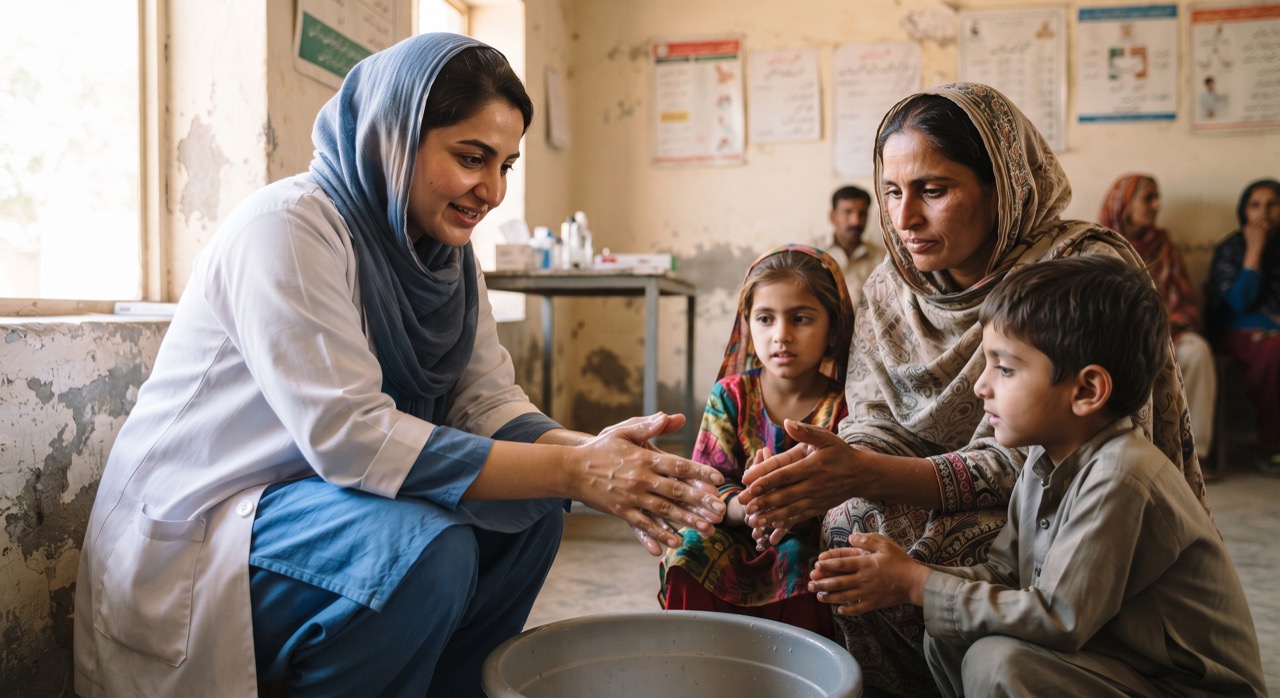
For many women in Pakistan, "managing money" quietly stayed a job for fathers, husbands, or brothers for generations. That is changing fast. More women are working, freelancing, running small businesses from home, and asking a simple but powerful question: where do I even start? The good news is that starting is simpler than it feels — it just needs a clear first step, not a finance degree.
Step One: Open a Bank Account in Your Own Name
Financial independence begins with having money that sits in an account only you control. Under the State Bank of Pakistan's Banking on Equality policy, banks are required to make account opening easier for women, including waiving minimum balance requirements on basic accounts in many cases. You only need your original CNIC and, if employed, a simple salary slip or employer letter.
- Ask specifically for a "basic banking account" or a women-focused account — HBL, UBL, Meezan Bank, and Bank Alfalah all offer these with low or zero minimum balance.
- Get mobile banking activated on day one so you can check your balance and move money without visiting a branch.
- If a full bank branch feels intimidating, start with a branchless mobile wallet like JazzCash or Easypaisa — both are regulated by the State Bank and let you save, send, and receive money using just your CNIC and phone number.
Build a Saving Habit Before You Chase Big Goals
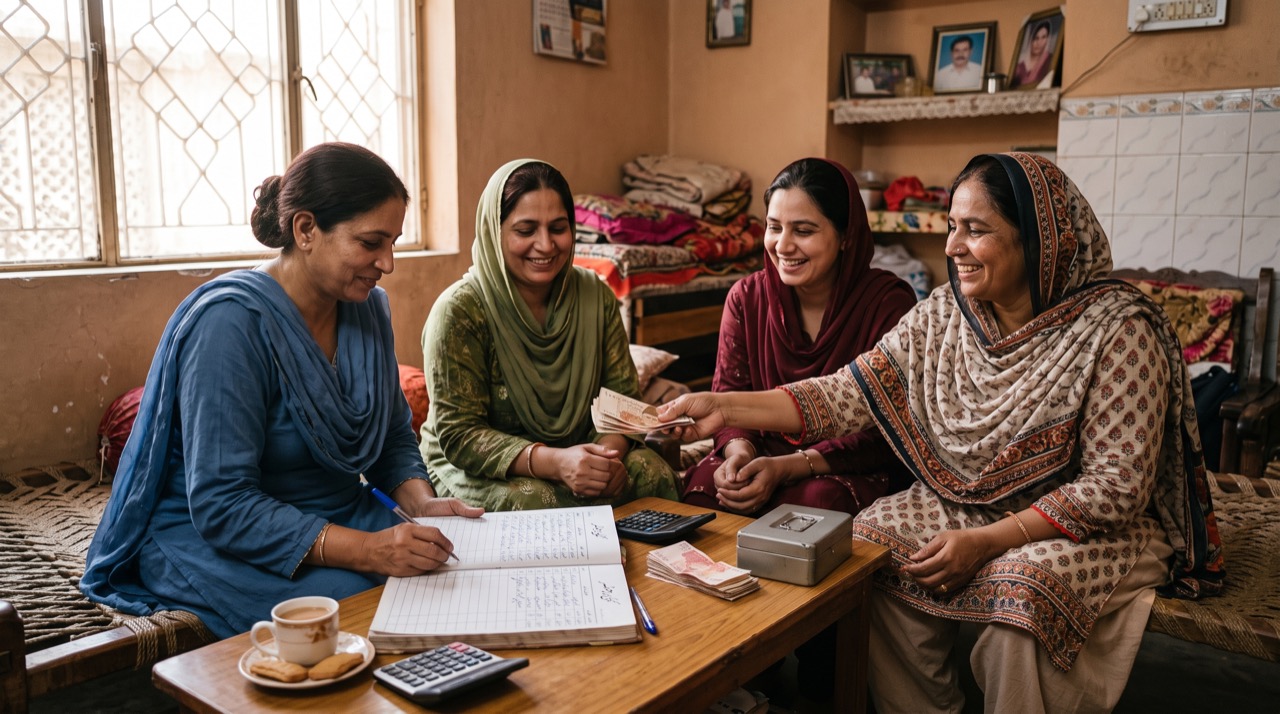
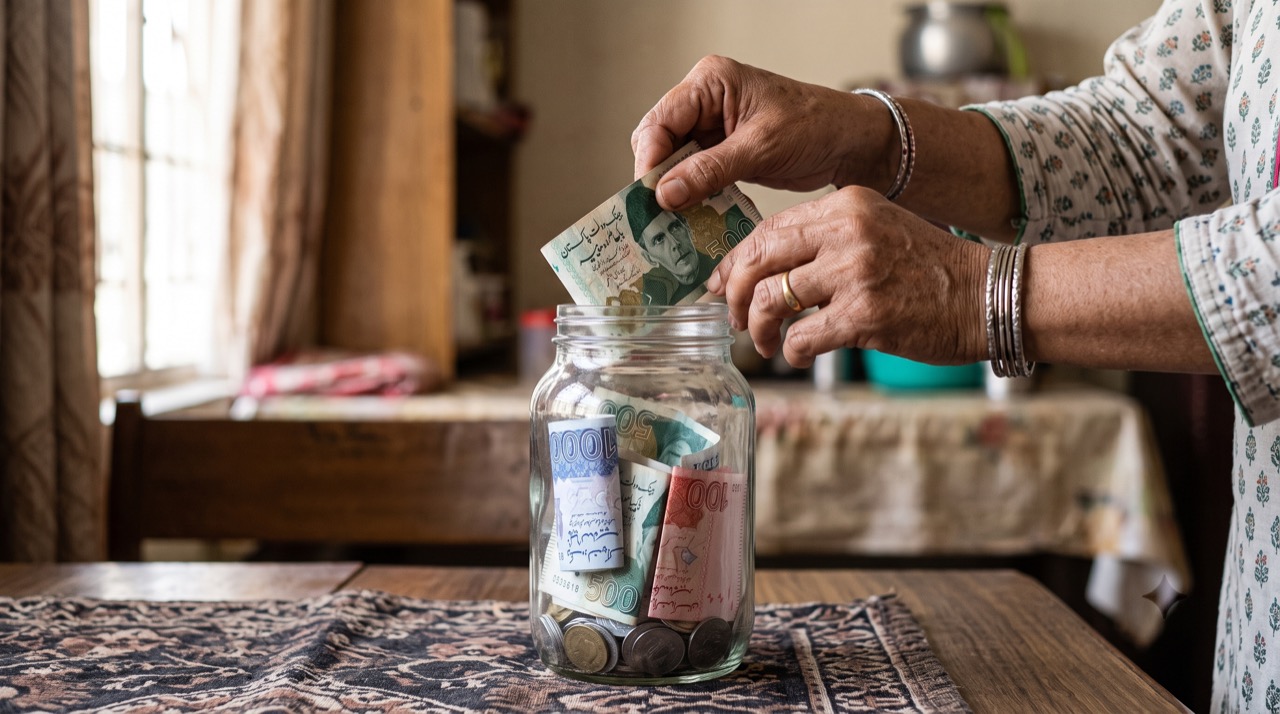
Committees (bachat committees) are a familiar, trusted way many Pakistani women already save with sisters, colleagues, or neighbours — and there is nothing wrong with using one, as long as it is with people you genuinely trust, since committees carry no legal protection if someone defaults. Alongside or instead of a committee, open a separate savings account and treat a fixed amount — even Rs. 500 a week — as a bill you pay yourself first, before other spending.
- Keep spending money and saving money in two different accounts so you're not tempted to dip in.
- Use National Savings Certificates (Sarwa Islamic, Regular Income Certificate, or Bahbood Savings Certificate for widows and senior women) for safer, government-backed growth once you have a small buffer built up.
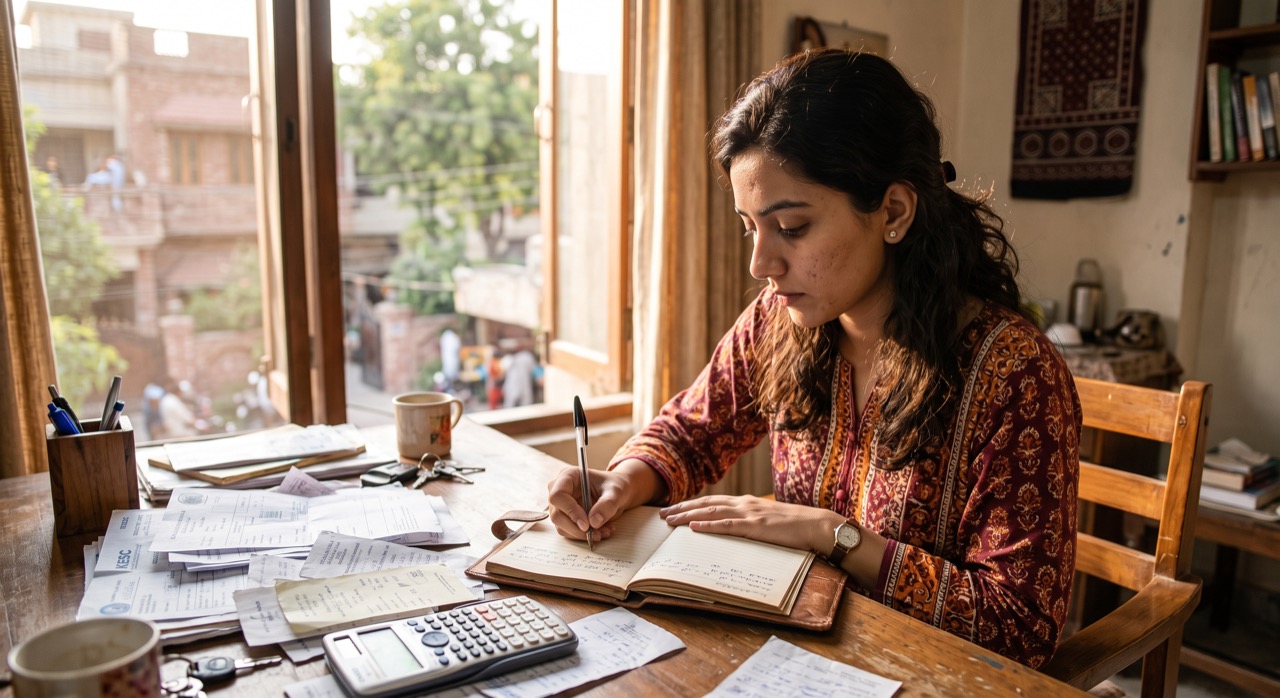
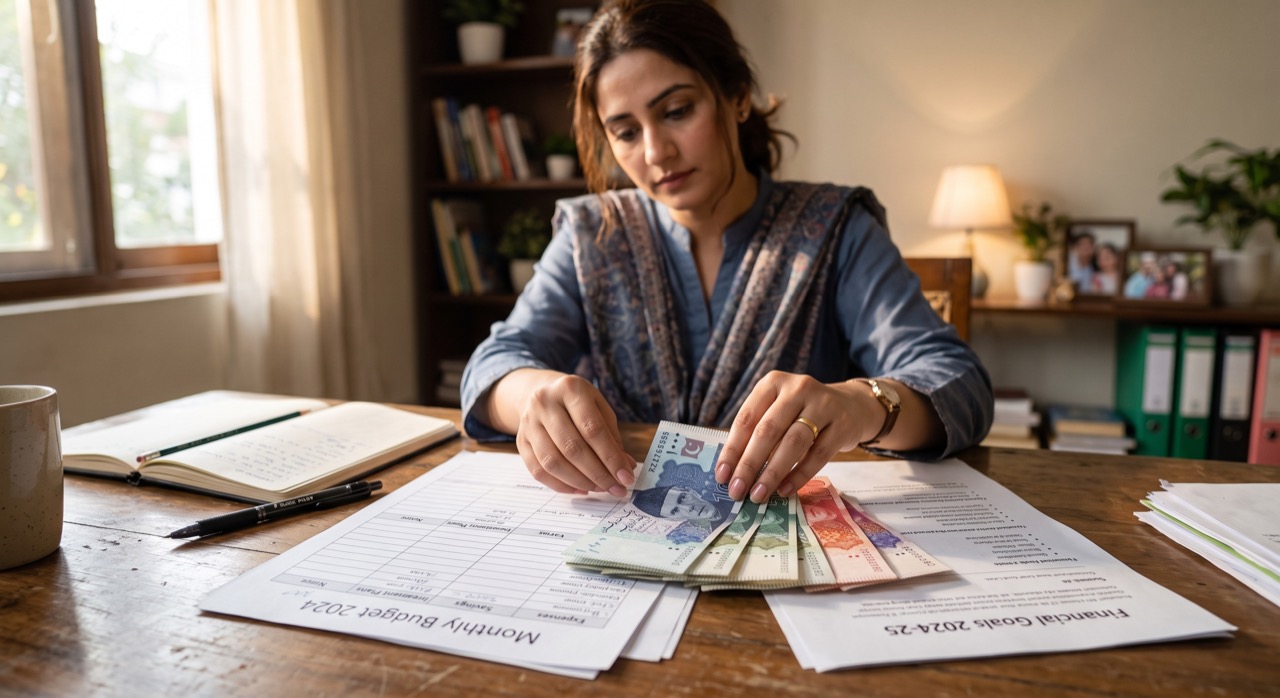
- Track spending for one month on paper or a notes app before building a budget — you cannot fix what you haven't measured.
Learn Before You Invest, Not Instead of Investing
Once saving becomes a habit, investing is what makes money grow faster than inflation. The Securities and Exchange Commission of Pakistan runs Jamapunji, a free investor education portal specifically built to help first-time investors — including women — understand mutual funds, the stock market, and how to avoid scams. Mutual funds through licensed Asset Management Companies are a reasonable low-effort starting point, since a professional manager handles the picks and you can start with a few thousand rupees a month.
A woman who controls her own savings controls her own choices — where she lives, what she studies, and what she walks away from.
Grow Your Own Income, Not Just Your Savings
Saving alone has a ceiling; earning does not. Freelancing platforms, tailoring, home baking, tuition, and small online stores on Instagram or WhatsApp have become real income sources for thousands of Pakistani women, often started with no capital beyond a phone and a skill. Register with your CNIC as a filer once your income is steady — it is free through the FBR's IRIS portal and immediately reduces the tax withheld on your banking and mobile transactions.
- Keep business income in a separate account from personal savings from day one — it saves enormous confusion later.
- If you inherit property, gold, or savings, know that Pakistani and Islamic law both guarantee your inheritance share — do not sign it away under family pressure without understanding what you're owed.
- Ask questions at the bank without embarrassment. Every man opening an account started exactly where you are.
Roman Urdu
Pakistan mein aksar khawateen ke liye paisa sambhalna hamesha bhai, abbu ya shohar ka kaam samjha jata raha hai. Ab yeh soch badal rahi hai. Pehla qadam simple hai: apne naam par bank account kholna. State Bank ki Banking on Equality policy ke tehat banks ko women-friendly basic account offer karna zaroori hai, jisme minimum balance ki sharat aksar khatam kar di jati hai. Sirf original CNIC ki zaroorat hoti hai. Agar branch jana mushkil lage to JazzCash ya Easypaisa jaisi mobile wallets se bhi shuruat ki ja sakti hai.
Saving ki habit banane ke liye committee ek jani-pehchani tareeqa hai, lekin sirf un logon ke sath karein jin par pura bharosa ho, kyunki committee ka koi legal tahaffuz nahi hota. Iske sath sath ek alag savings account bhi kholein aur har hafte ya mahine ek fix raqam khud ko "pay" karein, chahe woh sirf 500 rupay hi kyun na ho. Kharchay ko ek mahine tak likh kar track karna budget banane se pehle zaroori qadam hai.
Jab saving ki adaat ban jaye to seekhne ke baad invest karna agla step hai. SECP ka Jamapunji portal bilkul free hai aur mutual funds, stock market aur scams se bachne ke tareeqay sikhata hai. Chhoti raqam se mutual fund mein invest karna aik acha aghaz ho sakta hai.
Jo aurat apni bachat khud sambhalti hai, woh apni zindagi ke faislay bhi khud karti hai.
Sirf bachat kaafi nahi, apni kamai barhana bhi zaroori hai. Freelancing, tailoring, ghar se baking, tuition ya Instagram store se bhi income shuru ki ja sakti hai. Jab kamai stable ho jaye to FBR ke IRIS portal par filer register karwayein — yeh free hai aur banking transactions par tax kam kar deta hai. Warasat (inheritance) mein mile paisay, sona ya property apna haq samajh kar samjhein, family ke dabao mein aa kar chhorein nahi. Bank mein sawal poochne mein sharmindagi mehsoos na karein — har mard bhi yahin se shuru hua tha.