An emergency fund is not about becoming rich. It is about not falling apart when the fridge breaks, a relative needs urgent help, or your job disappears for a month. In Pakistan, where inflation is unpredictable and salaried jobs can change overnight, this cushion matters more than almost any other financial habit. The good news: you do not need a large income to build one. You need small, repeatable mini-goals and a place to put the money where you will not touch it.
Start With a Number You Can Actually Reach
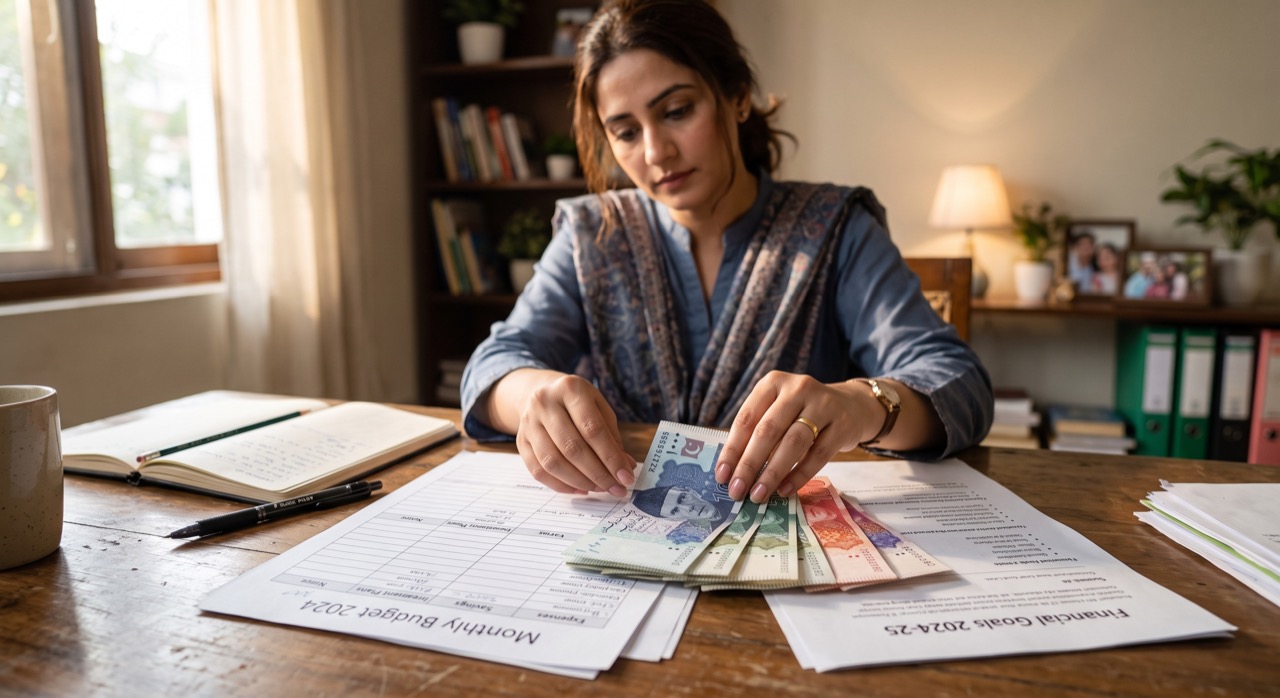
The standard advice is "save three months of expenses," but if your monthly expenses are Rs. 40,000, that is Rs. 120,000 — a number that feels impossible when you are just starting. Break it into stages instead of staring at the final total.
- Mini-goal 1: Rs. 1,000. This proves to yourself that saving is possible even this month.
- Mini-goal 2: One week of expenses. Enough to cover a sudden bike repair or a missed daily-wage day.
- Mini-goal 3: One month of expenses. This is the real turning point — most emergencies (job loss, illness, family need) resolve within four to six weeks.
- Mini-goal 4: Three months of expenses. The full cushion. Treat everything after mini-goal 3 as a bonus round, not a deadline.
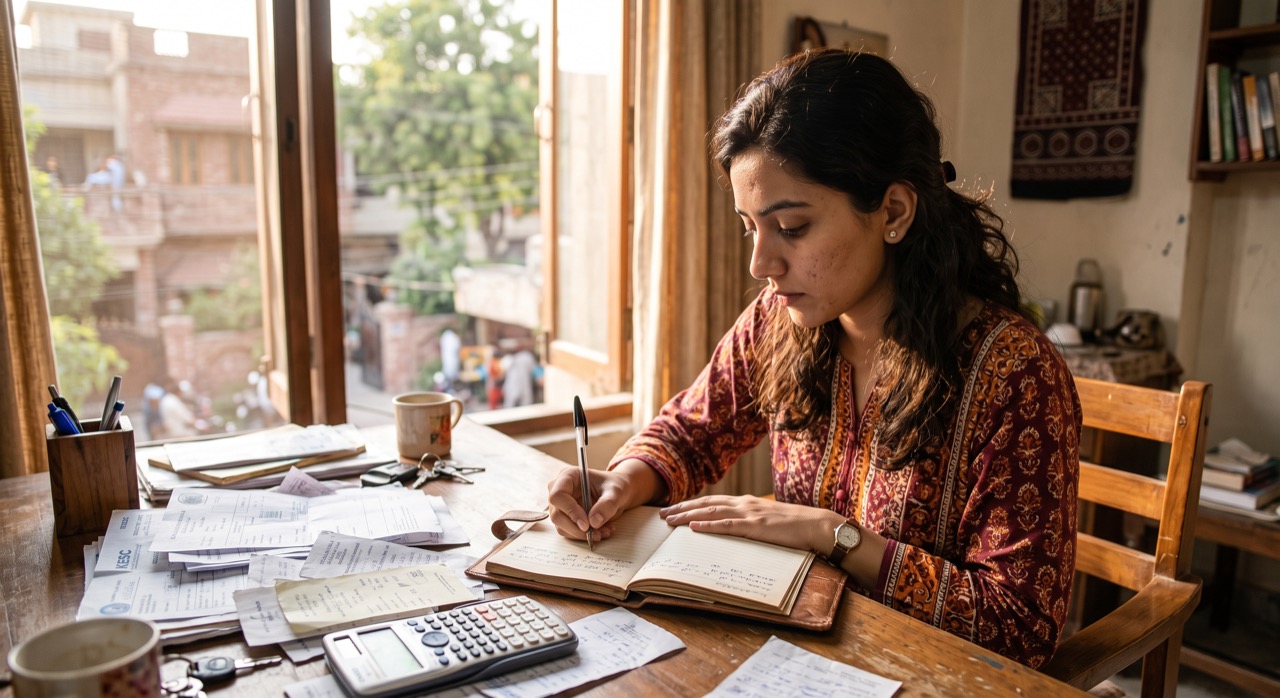
Write your expenses down first — rent, groceries, utilities, transport, phone load, school fees. Most people underestimate this number until they track a real month.
Find Money You Didn't Know You Had
On a low income, you cannot "cut the coffee budget" your way to savings — the money has to come from somewhere real. A few sources that work in the Pakistani context:
- Round-up savings. After every purchase, round up to the nearest Rs. 50 or Rs. 100 and move the difference into savings the same day. Rs. 30–70 a few times a day adds up faster than it feels.
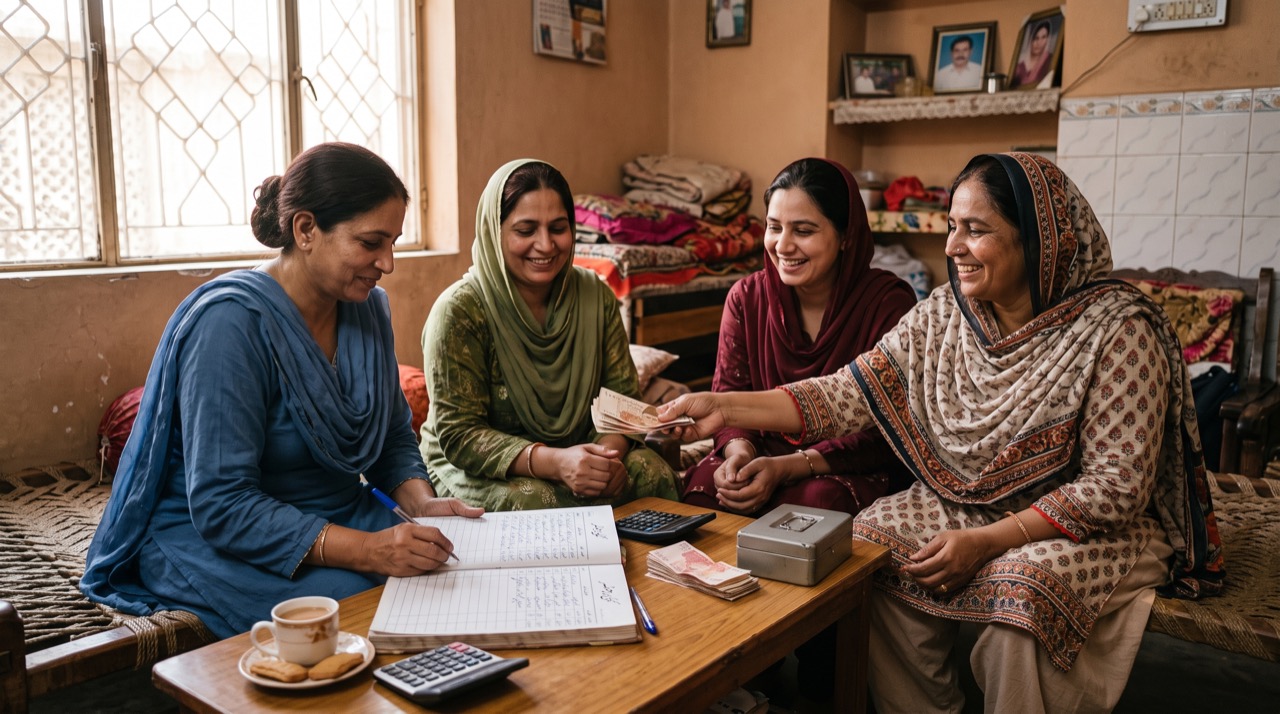
- Committee (BC) discipline, redirected. If you already run or join a committee with friends or colleagues, treat your payout month as an automatic emergency-fund deposit instead of spending it immediately.
- Eid, bonus, and overtime money — split it. Before any windfall touches your regular spending account, move 50% straight to savings. You never miss money you never see.
- One recurring subscription or habit cut. Not everything — just one. A single unused subscription or a reduced mobile package can fund mini-goal 1 in a week.
Where to Actually Keep the Money
The biggest reason emergency funds fail is that the money sits somewhere too easy to spend. It needs to be separate, slightly inconvenient, but not locked away forever.
- A separate bank account with no debit card, or a savings account you don't check daily.
- Mobile wallets like JazzCash or Easypaisa — useful for small daily round-ups, but move the balance to a proper savings account once it crosses a few thousand rupees, since it's too easy to tap into.
- A short-term savings certificate from institutions like the Central Directorate of National Savings once you have built up a few months' worth — these offer better returns than a wallet sitting idle, though check current lock-in periods before committing your whole fund.
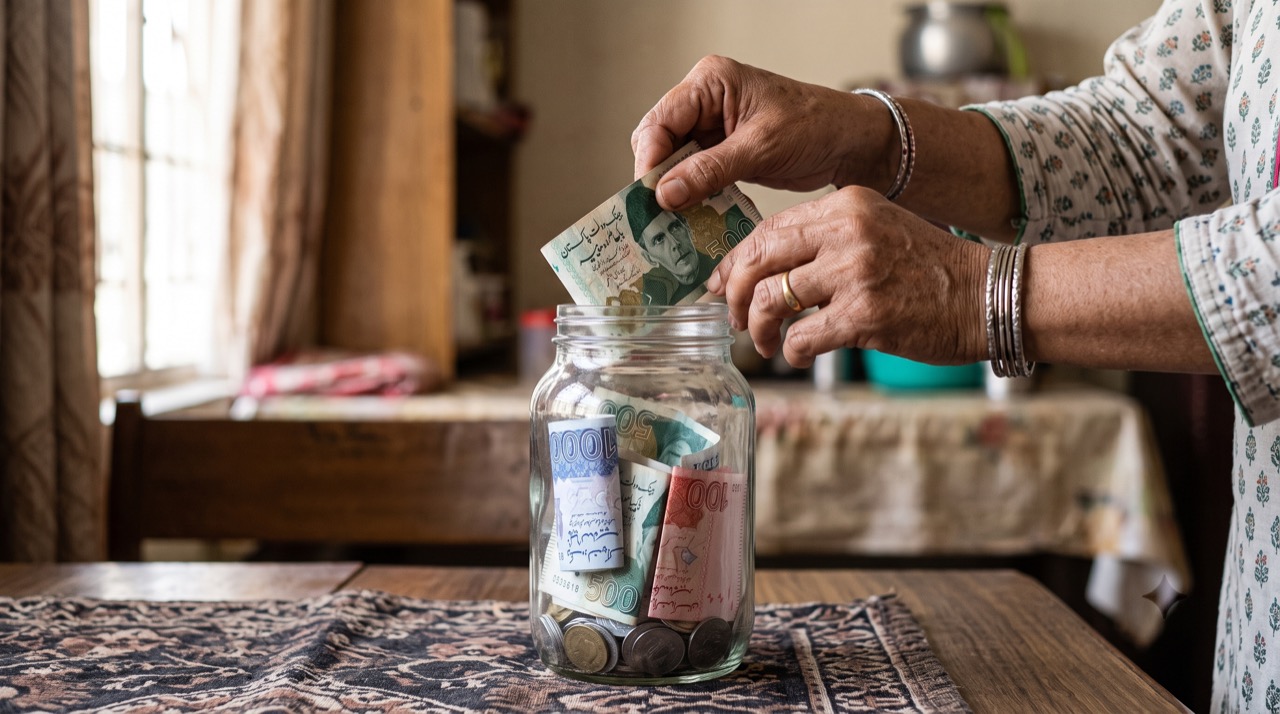
- Avoid keeping it as cash at home. Physical cash gets "borrowed" from itself far too easily, and it earns nothing while inflation quietly reduces its value.
Protect the Fund Once You Have It
Building the fund is only half the job — the harder skill is leaving it alone.
- Name the account something specific, like "Emergency Only" — a small psychological trick that works better than you'd expect.
- Set a personal rule for what counts as an actual emergency: job loss, medical need, urgent home or vehicle repair. A sale on clothes is not an emergency.
- If you do dip into it, treat refilling it as mini-goal 1 again — start small, rebuild the streak.
You don't need a big salary to build a safety net — you need a system that survives your worst month, not just your best one.
Consistency beats intensity here. Someone saving Rs. 500 every week for a year builds a real fund of Rs. 26,000 plus — enough to cover most sudden shocks. Start with whatever mini-goal is in front of you, and let the rest follow.
Roman Urdu
Emergency fund ka matlab ameer bunna nahi hai — iska maqsad sirf itna hai ke jab achanak koi museebat aaye, ghar ka fridge kharab ho jaye, ya naukri chali jaye, tab aap tootain na. Pakistan mein jahan mehngai kabhi bhi barh sakti hai aur naukri ka bharosa nahi hota, ye cushion bohat zaroori hai. Achi baat ye hai ke iske liye bara salary zaroori nahi — chotay mini-goals aur thori si discipline kaafi hai.
Chota Number Se Shuru Karein
Agar aapka mahana kharcha Rs. 40,000 hai, to teen mahine ka fund Rs. 120,000 bunta hai — jo shuru mein namumkin lagta hai. Isay stages mein torein:
- Pehla goal: Rs. 1,000 bachayein — sirf ye sabit karne ke liye ke aap bacha saktay hain.
- Dusra goal: Ek hafte ka kharcha jama karein.
- Teesra goal: Ek mahine ka kharcha — asli turning point yahi hai, kyunke zyada tar emergencies 4-6 hafton mein hal ho jati hain.
- Chautha goal: Teen mahine ka kharcha — poora cushion.
Paisay Kahan Se Nikalein
Har purchase ke baad round-up karein — Rs. 30-70 rozana bachayein, ye jaldi jama ho jata hai. Eid bonus ya overtime ka 50% seedha savings mein dalein, isse pehle ke kharch ho jaye. Committee (BC) ka payout bhi emergency fund mein daal saktay hain, agar zaroorat foran na ho.
Paisay Kahan Rakhein
Alag bank account rakhein jispe debit card na ho, taake haath na lage. JazzCash ya Easypaisa rozana ke round-ups ke liye theek hain, lekin jab thodi raqam jama ho jaye to isay proper savings account mein shift kar dein. Ghar mein cash rakhna theek nahi — ye jaldi kharch ho jati hai aur mehngai se iski value kam hoti rehti hai. Kuch mahinon baad, National Savings ke short-term certificates bhi dekh saktay hain, behtar return ke liye.
Bara salary zaroori nahi — bas aisa system chahiye jo aapke sab se bure mahine mein bhi kaam kare, sirf achay mahine mein nahi.
Agar kabhi fund se paisay nikalne parein, to usay dobara bharna pehle goal ki tarah samjhein — chota shuru karein aur dobara consistency banayein. Rs. 500 hafta-war bachane se saal mein Rs. 26,000 se zyada ban jate hain — jo zyada tar emergencies ke liye kaafi hota hai.