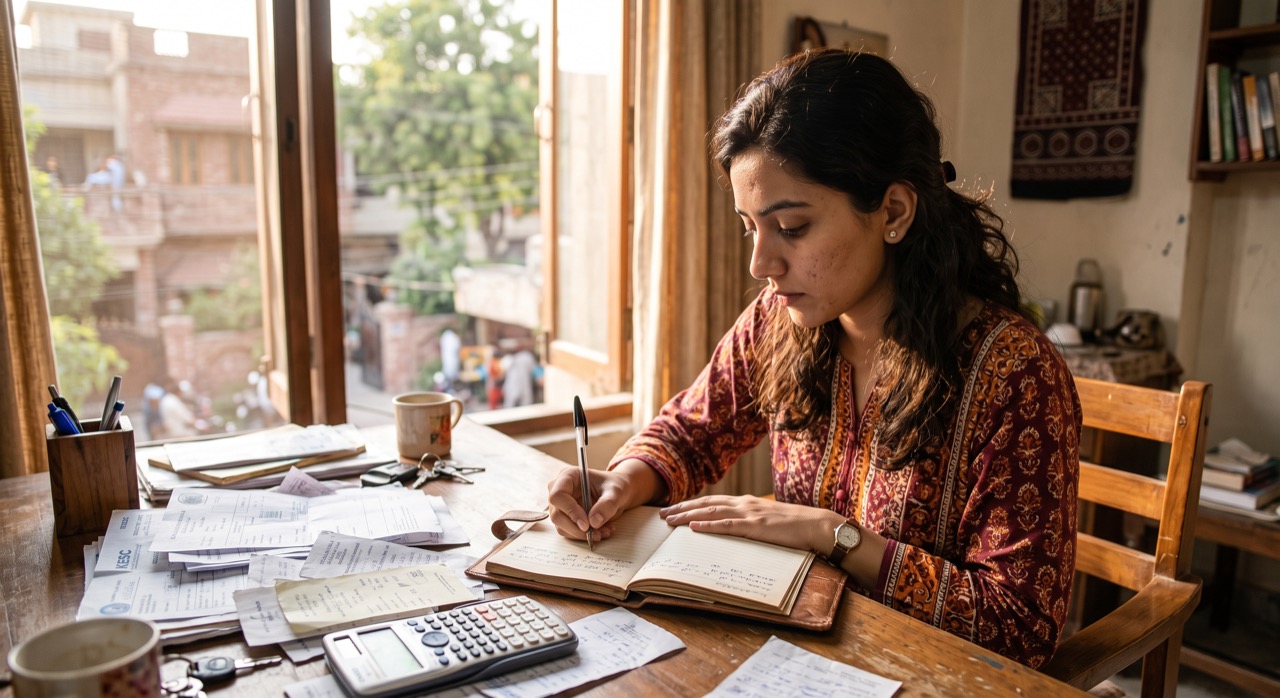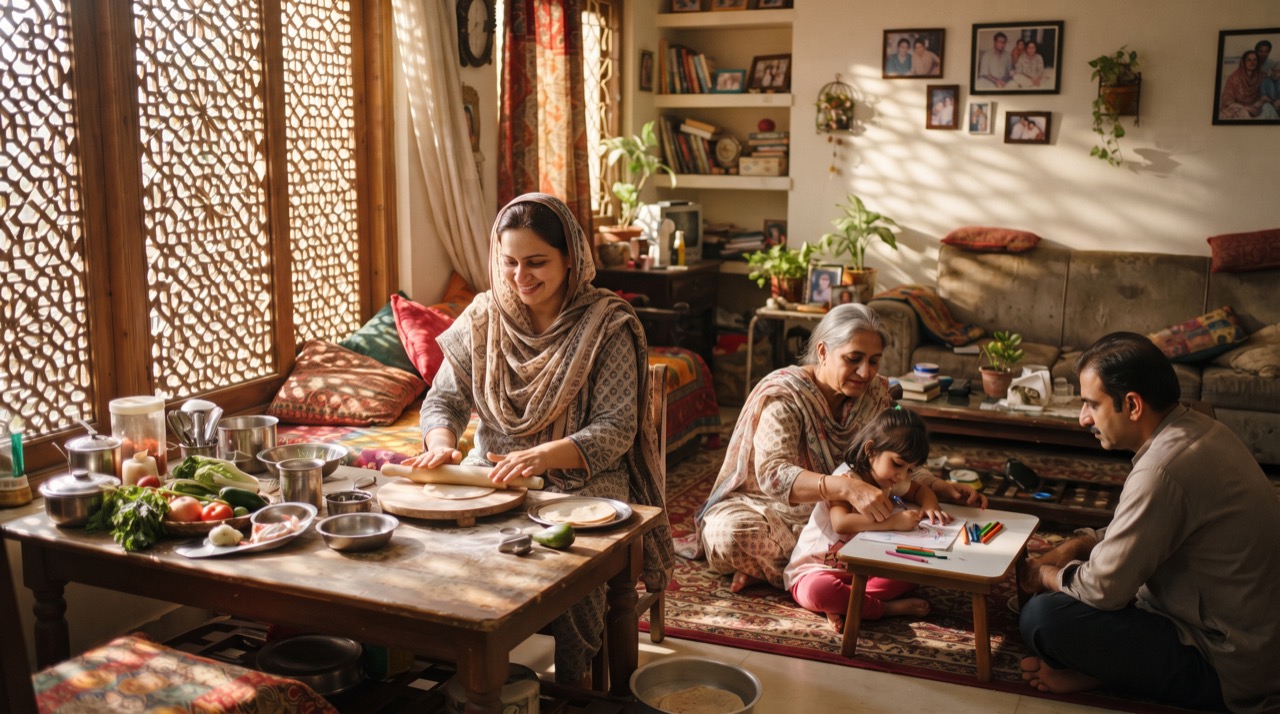
Pakistan sits in one of the sunniest belts on earth, yet study after study finds that a majority of Pakistanis — especially women, office workers, and people living in big cities like Karachi, Lahore, and Islamabad — have low vitamin D levels. This sounds contradictory until you look at how people actually live: long hours indoors under fluorescent light, modest dress that covers most of the skin, sunscreen use, heavy air pollution and smog that blocks UVB rays, and a diet that rarely includes vitamin D-rich foods. The result is a population surrounded by sunlight but starved of the vitamin that sunlight is supposed to provide.
This matters because vitamin D isn't just a "bone vitamin." It helps your gut absorb calcium and phosphorus, keeps bones dense and strong, supports muscle function, and plays a role in immune health and everyday energy levels. Chronic low levels are linked to soft, weak bones (osteomalacia in adults, rickets in children), higher fracture risk, muscle aches, and persistent fatigue that many people mistake for simply being tired or "run down."
Why Deficiency Is So Common Despite Living in a Sunny Country
- Limited skin exposure: Covering most of the body for cultural or religious reasons is common and healthy in many ways, but it does reduce the skin area available to make vitamin D from sunlight.
- Indoor lifestyles: Students, office staff, and factory workers often leave for work before sunrise and return after sunset, especially in winter months.
- Smog and pollution: Cities like Lahore regularly experience heavy smog, particularly October to February, which scatters and blocks the UVB rays needed for vitamin D synthesis.
- Darker skin pigmentation: Melanin acts as a natural sunscreen, meaning darker skin needs more sun time than fairer skin to produce the same amount of vitamin D.
- Low dietary intake: Few everyday Pakistani foods are naturally rich in vitamin D, and fortified foods (like fortified milk) are not yet widespread.
- Exclusive sunscreen or full veiling without supplementation: Protecting skin from cancer and sun damage is wise, but it should be paired with dietary or supplement sources of vitamin D, not left unaddressed.
Safe Sun Exposure: Getting Vitamin D Without Damaging Your Skin
You do not need to sunbathe for hours to make meaningful vitamin D. A practical, skin-safe approach:
- Expose your face, arms, and hands (whatever is culturally comfortable) to direct sunlight for roughly 10–20 minutes, a few times a week, ideally between 10 a.m. and 2 p.m. when UVB rays are strongest.
- Avoid exposure long enough to burn — pink or red skin means you've had more sun than needed and are now risking skin damage, not gaining extra vitamin D.
- People with darker skin tones may need the longer end of that range; older adults produce vitamin D less efficiently from sun and often need more from diet or supplements instead.
- In winter or during heavy smog days, sun exposure alone is often not enough — lean more on diet and supplements during these months.
Food Sources Worth Adding to Your Plate
- Fatty fish such as salmon, mackerel, and sardines (fresh or tinned) are among the richest natural sources.
- Egg yolks — an easy, affordable daily addition for most households.
- Fortified milk or fortified dairy products, where available, add a meaningful daily boost.
- Mushrooms exposed to sunlight during growing contain some vitamin D as well.
- Pair vitamin D intake with calcium-rich foods like dairy, sesame seeds (til), and leafy greens, since the two nutrients work together to build strong bones.
When and How to Supplement Safely
Because diet alone rarely covers the gap, many doctors in Pakistan recommend supplements, particularly for women, older adults, people who are mostly indoors, and anyone with confirmed low blood levels.
- A simple blood test (25-hydroxyvitamin D) at a local lab can confirm whether you're actually deficient before you start high-dose supplements.
- Standard maintenance doses are often modest and taken daily, while confirmed deficiency may call for a short course of a higher weekly dose under medical supervision.
- Vitamin D is fat-soluble, so taking your supplement with a meal that contains some fat improves absorption.
- Very high, unsupervised doses over long periods can cause harm, so self-prescribing large "mega-doses" without a blood test or doctor's guidance isn't advisable.
Vitamin D works quietly in the background — you rarely feel its absence directly, but your bones, muscles, and energy levels pay the price over years of low levels.
For general reference on recommended intakes and safe upper limits, the NIH Office of Dietary Supplements vitamin D fact sheet is a solid, non-commercial resource. As always, a local doctor or lab test is the best way to know your personal numbers rather than relying on general guidelines alone.
Roman Urdu
Pakistan mein dhoop bohat hai, phir bhi zyada tar log — khas taur par khawateen, office mein kaam karne wale, aur bade shehron (Karachi, Lahore, Islamabad) ke residents — vitamin D ki kami ka shikar hain. Wajah simple hai: hum din ka zyada waqt ghar ya office ke andar guzarte hain, jism ka zyada hissa clothes se covered hota hai, shehron mein smog aur pollution dhoop ki UVB rays ko rokte hain, aur khane mein bhi vitamin D wali cheezein kam shamil hoti hain.
Vitamin D sirf haddiyon (bones) ke liye nahi — yeh calcium ko jism mein absorb karne mein madad deta hai, muscles ko mazboot rakhta hai, aur immune system ko bhi support karta hai. Iski kami se haddiyan kamzor ho sakti hain, jism mein dard rehta hai, aur hamesha thakan (fatigue) mehsoos hoti hai jise log aksar "bas thak gaya hoon" samajh kar nazarandaz kar dete hain.
Safe Dhoop Lene Ka Tarika
Ghanton dhoop mein baithne ki zaroorat nahi. Haftay mein kai baar, subah 10 baje se dopeher 2 baje ke darmiyan, chehre aur haathon ko taqreeban 10-20 minute dhoop mein rakhein. Itni dhoop na lein ke skin surkh (red) ho jaye — yeh nuksan ki nishani hai, faida ki nahi. Sardiyon ya smog wale dino mein dhoop se kafi vitamin D nahi milta, is liye khane aur supplements par zyada dhyan dein.
Khane Mein Kya Shamil Karein
- Machli (salmon, mackerel, sardines) — sab se acha natural source
- Anday ki zardi (egg yolk) — rozana ka asaan option
- Fortified milk, jahan available ho
- Calcium wali cheezein bhi saath lein — dairy, til, sabz patte wali sabzi — kyunke calcium aur vitamin D mil kar kaam karte hain
Supplement Kab Aur Kaise Lein
Agar aapko lagta hai kami hai, to pehle blood test (25-hydroxyvitamin D) karwayein takay pata chale kitni kami hai. Doctor ki rai se rozana ya haftawar dose lein — khane ke saath lein kyunke vitamin D fat-soluble hai aur khane ke chikanai (fat) ke saath behtar absorb hota hai. Khud se bohat zyada dose lena theek nahi, is liye doctor ya lab report ke baghair "mega-dose" na lein.
Yaad rakhein: vitamin D ki kami chupke se asar dikhati hai — aap turant mehsoos nahi karte, lekin saalon baad haddiyan aur energy dono is se mutasir hoti hain. Chota sa test aur mamooli si tabdeeli aapki sehat ko bohat behtar bana sakti hai.