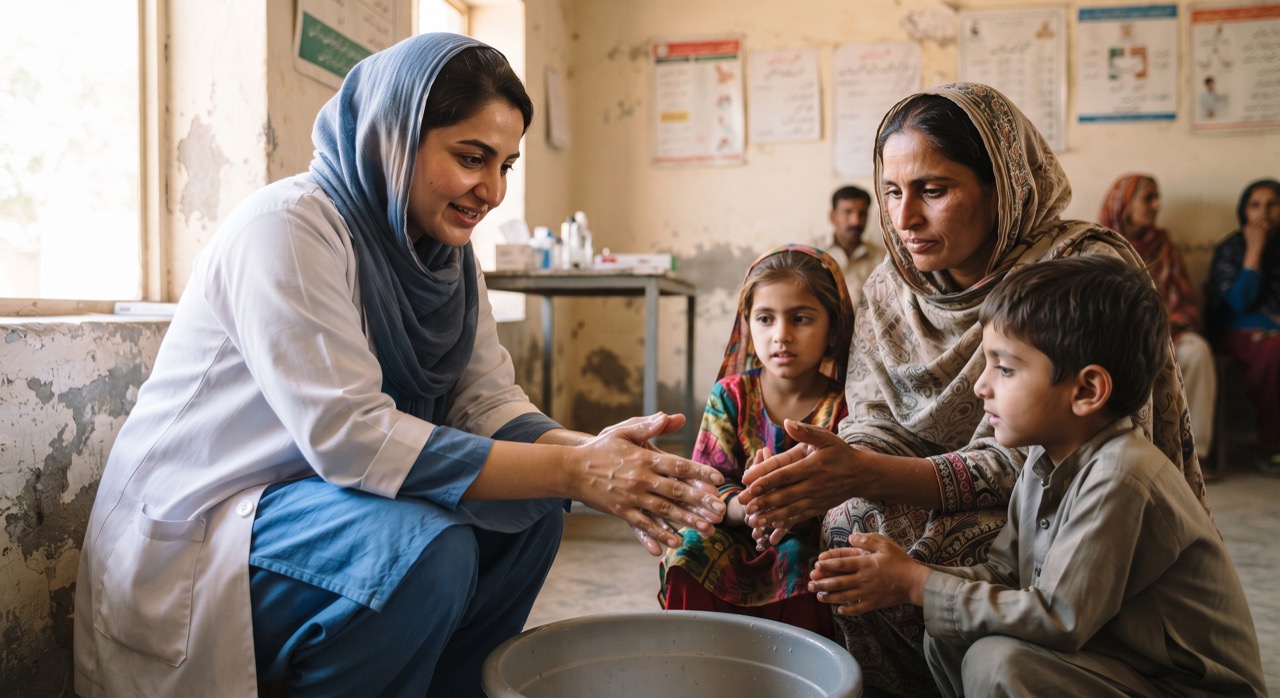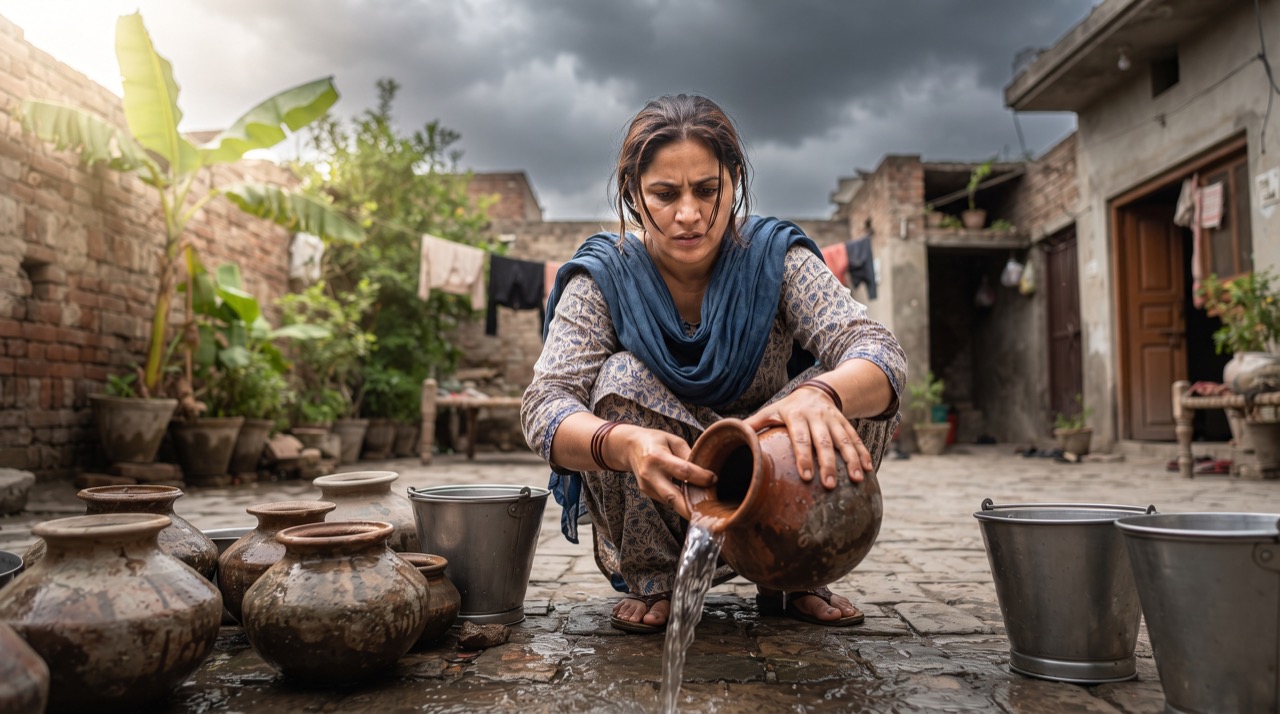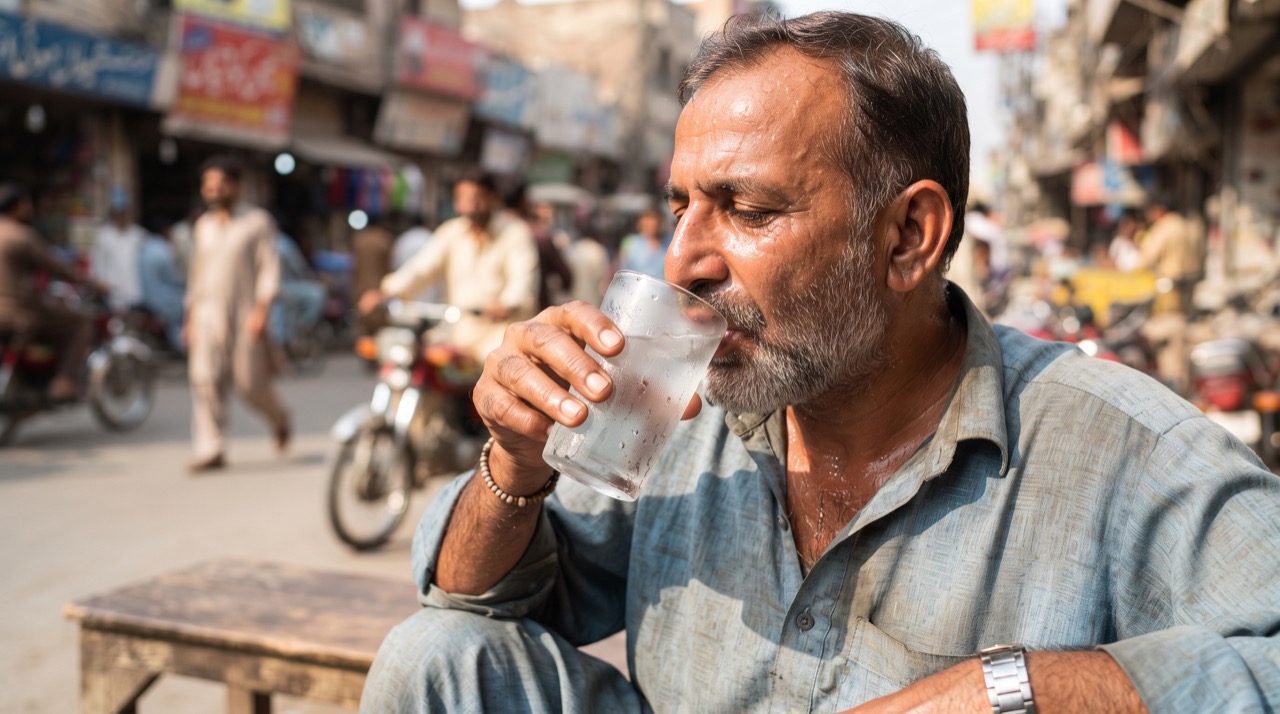
Every summer, cities like Jacobabad, Sibi, Larkana, Nawabshah and Multan post some of the highest temperatures on Earth, regularly crossing 45C, while Karachi's humidity turns even 38C into a dangerous "feels like" figure well above 50C. Heatstroke is not a minor inconvenience here — it is a genuine medical emergency that kills hundreds of Pakistanis every year, most of them daily-wage outdoor workers, the elderly, and young children. The good news is that heatstroke is almost entirely preventable if you know the warning signs and build a few habits into your day. This guide breaks down what actually works, based on public health guidance, not just common assumptions passed around in WhatsApp groups.
Know the Difference: Heat Exhaustion vs Heatstroke
Heat exhaustion is your body's warning stage. Heatstroke is the emergency that follows if you ignore it. Learning to tell them apart can save a life.
- Heat exhaustion signs: heavy sweating, cold or clammy skin, muscle cramps, dizziness, weakness, nausea, headache, fast but weak pulse.
- Heatstroke signs (call for emergency help immediately): body temperature above 40C, hot and dry skin (sweating often stops completely), confusion or slurred speech, throbbing headache, rapid strong pulse, loss of consciousness, or seizures.
- What to do if you suspect heatstroke: move the person to shade or an air-conditioned space immediately, remove excess clothing, apply cool wet cloths or ice packs to the neck, armpits and groin, and get them to a hospital — heatstroke has a high fatality rate if body temperature isn't brought down within the first hour.
Do not wait for a person to "recover on their own." Confusion, fainting, or hot-dry skin in extreme heat is a red flag that needs immediate action.
Staying Hydrated the Right Way
Plain water alone is not always enough once you're sweating heavily for hours, because you're also losing sodium and potassium.
- Drink water consistently through the day rather than large amounts at once — small, frequent sips are absorbed better than gulping a full glass after long gaps.
- Homemade options like nimbu pani with a pinch of salt, lassi, or sattu drinks replace lost electrolytes better than plain water during heavy sweating.
- Oral rehydration solution (ORS) sachets, sold cheaply at almost any pharmacy, are genuinely useful during a heatwave, not just for diarrhoea — keep a few at home and at work.
- Cut back on tea, coffee, and cold drinks with high sugar content during peak heat; they increase urination and can worsen dehydration.
- Check urine colour as a rough guide — pale yellow means you're hydrated, dark yellow means drink more.
Protecting Outdoor Workers, the Elderly, and Children
These three groups face the highest risk and need different, specific precautions.
- Outdoor and daily-wage workers: where possible, shift heavy labour to early morning (before 10am) or after 5pm. Take shade breaks every 30-45 minutes. Employers and site supervisors should provide drinking water and rest areas — this is basic worker safety, not a luxury.
- Elderly family members: ageing bodies sweat and regulate temperature less efficiently, and many elderly people don't feel thirsty even when dehydrated. Check in on elderly relatives and neighbours at least twice a day during a heatwave, and keep their rooms as cool and ventilated as possible.
- Children and infants: never leave a child alone in a parked car, even for a few minutes — vehicle interiors can exceed 60C within minutes in direct sun. Dress children in light, loose cotton clothing and increase fluids even if they don't ask for water.
- For everyone: wear light-coloured, loose cotton clothing, use an umbrella or wide-brimmed hat outdoors, and apply sunscreen on exposed skin during peak hours.
Cooling Your Home Without Overspending
- Keep curtains or blinds closed on windows facing direct sun during the day; open them after sunset to let heat escape.
- Damp cloths on the back of the neck, wrists, and forehead cool the body faster than fans alone in extreme humidity.
- Cross-ventilation — opening windows on opposite sides of a room during cooler night hours — helps flush out trapped heat before the next day's peak.
- Avoid using the stove or oven during the hottest hours; it adds unnecessary heat load to the home.
Heatstroke develops fast and can be fatal within hours if untreated — but nearly every case is preventable with hydration, shade, and recognising the early warning signs before they escalate.
Pakistan's heatwaves are only getting more intense and more frequent, as documented by global health bodies including the World Health Organization. Building these habits into your household and workplace now — checking on elderly neighbours, keeping ORS at home, knowing the signs of heatstroke — costs very little but can genuinely save lives during the peak months of May through August.
Roman Urdu
Pakistan ki garmiyon mein temperature aksar 45C se upar chala jata hai, khaas kar Jacobabad, Sibi, Larkana aur Multan jaisay shehron mein. Heatstroke koi mamuli cheez nahi — yeh ek medical emergency hai jo har saal sainkron logon ki jaan le leti hai, khaas kar outdoor mazdoor, bujurg aur bachay. Lekin acchi baat yeh hai ke agar aap early signs pehchan lein aur kuch aadaten apna lein, to heatstroke ko rokna mumkin hai.
Heat exhaustion aur heatstroke mein farq: Heat exhaustion mein zyada pasina, chakkar, kamzori aur ulti ka dil chahna hota hai. Lekin agar skin garam aur khushk ho jaye, pasina rukk jaye, confusion ya behoshi ho jaye, to yeh heatstroke hai — foran mareez ko saaye ya AC wali jagah le jayein, geela kapda gardan aur bagal par rakhein, aur turant hospital le jayein.
Hydration ka sahi tareeqa: Sirf pani kaafi nahi, kyunke pasine se sodium aur potassium bhi nikal jata hai. Nimbu pani namak ke saath, lassi, ya ORS ghol behtareen hain. Thoda thoda pani baar baar peena, ek dam gilas bhar ke peene se zyada faidemand hai. Chai, coffee aur zyada meethay cold drinks kam karein — yeh urine barhate hain aur dehydration ko badha detay hain.
Khaas khayal rakhein: Outdoor mazdoor subah 10 baje se pehle ya shaam 5 baje ke baad kaam karein, har 30-45 minute mein saaye mein araam karein. Bujurgon ko din mein do martaba zaroor check karein, kyunke unhe pyaas ka ehsaas kam hota hai. Bachon ko kabhi bhi akele bandh gaadi mein na chhorein — gaadi ke andar chand minuton mein temperature 60C tak jaa sakta hai. Halka, loose sooti kapda pehnayein.
Ghar ko thanda rakhne ke liye: Din mein dhoop wali khirkiyon ke parde band rakhein, raat ko khol dein taake garmi bahar nikal jaye. Geela kapda gardan aur kalai par rakhna fan se bhi zyada thandak deta hai.
Heatstroke tezi se badhta hai aur ghantay mein jaan lay sakta hai — lekin sahi hydration, saaya aur waqt par alamaat pehchanne se yeh tقریبا hamesha rok-tham ke qabil hai.
World Health Organization ke mutabiq bhi climate change ki wajah se heatwaves ab pehle se zyada shadeed ho rahi hain, isliye yeh aadaten apnana — ORS ghar mein rakhna, bujurg parosiyon ka khayal rakhna — bohat kam khareh mein bohat badi jaanein bacha sakta hai.