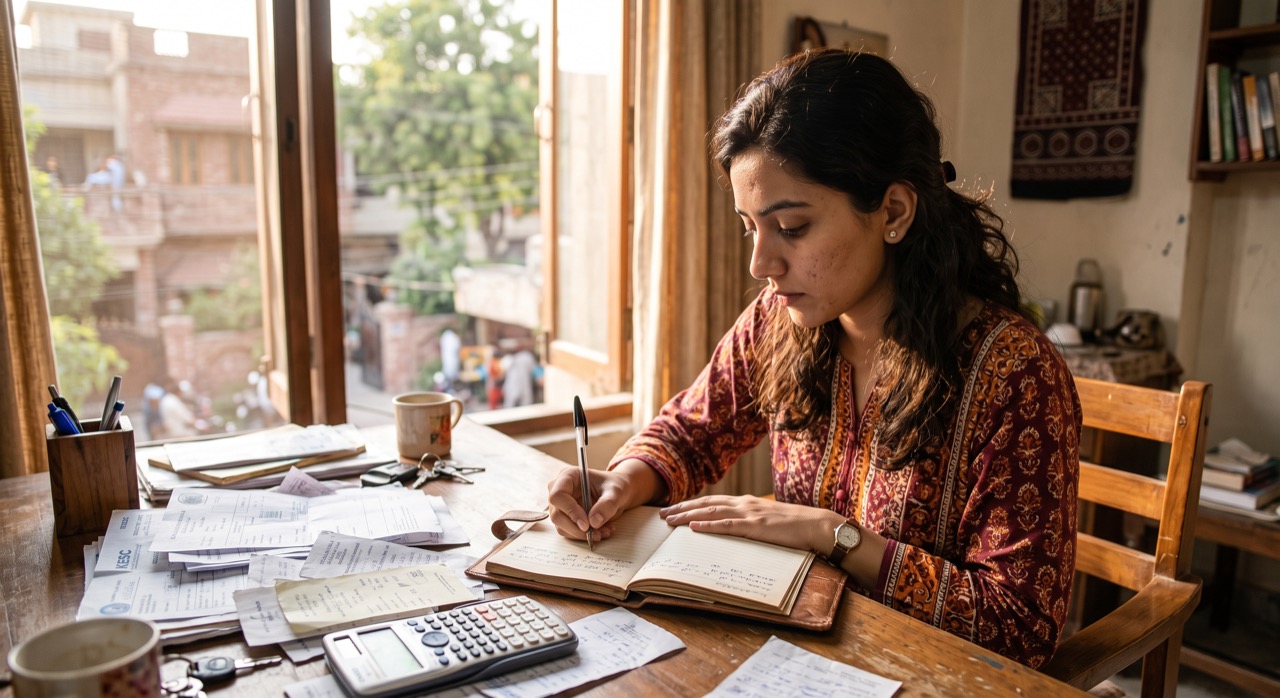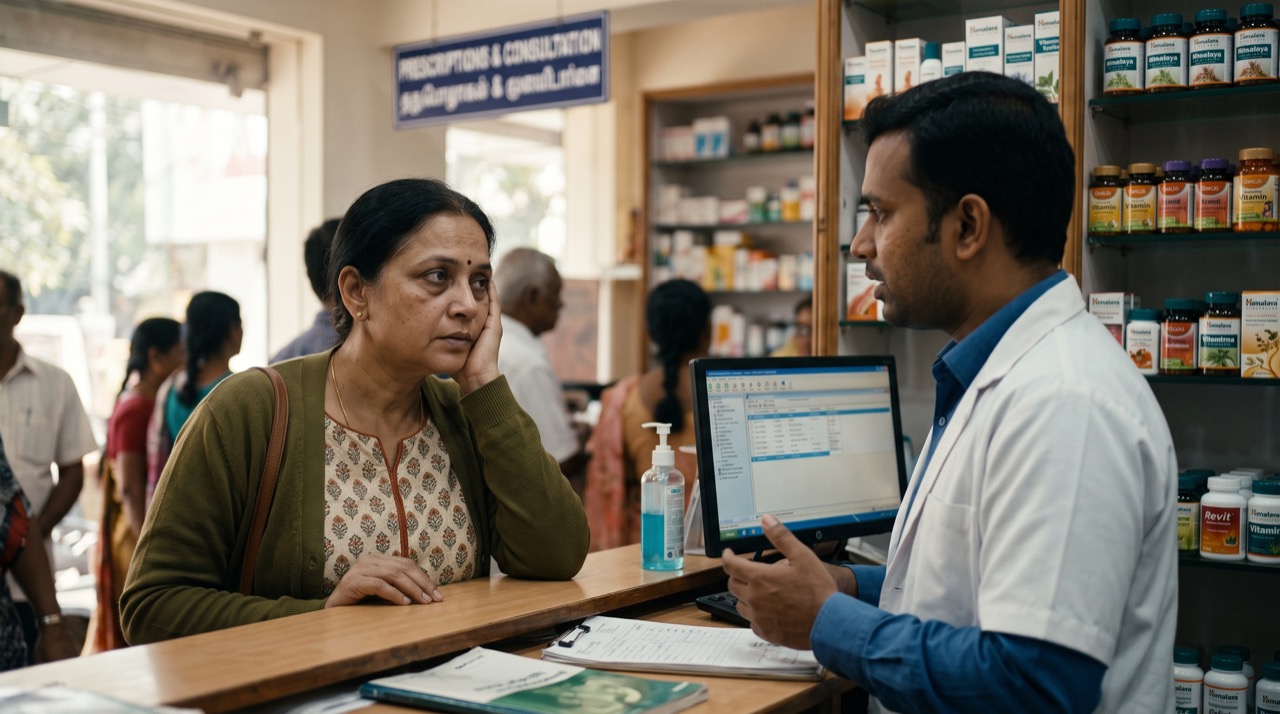
If you sleep a full eight hours and still feel like you were hit by a rickshaw, the problem might not be your schedule — it could be your blood. Vitamin B12 is the nutrient your body uses to make red blood cells and keep your nerves working properly, and it is quietly one of the most common deficiencies in Pakistan, especially among people who eat little meat, dairy, or eggs, and among anyone over 50. The tricky part is that B12 deficiency builds up slowly over months or years, so the fatigue, brain fog, and mood dips get blamed on "stress" or "just getting older" long before anyone checks a blood report.
The Signs Most People Miss
B12 deficiency rarely announces itself loudly. It shows up as a cluster of smaller complaints that are easy to dismiss individually:
- Fatigue that doesn't improve with rest — tiredness that feels heavier than normal sleepiness
- Pins-and-needles or numbness in the hands and feet, sometimes described as "sui chubhna" (needle-pricking)
- Low mood, irritability, or brain fog — trouble concentrating, forgetfulness
- Pale or slightly yellowish skin, a sore or smooth-looking tongue
- Breathlessness or a racing heart on mild exertion, like climbing stairs
- Dizziness or unsteady balance, especially in older adults
None of these alone confirm B12 deficiency — that needs a simple blood test (serum B12, and ideally a follow-up like MMA if levels are borderline). But if two or three of these sound familiar, it is worth asking your doctor for the test rather than reaching for another cup of chai and pushing through.
Why It's So Common Here
B12 is found almost entirely in animal foods — meat, fish, eggs, and dairy. Plants don't naturally make it. That puts several groups in Pakistan at real risk:
- Vegetarians and those who eat meat rarely due to cost, availability, or personal choice
- People over 50, because stomach acid (needed to release B12 from food) naturally declines with age
- Diabetics on long-term metformin, which is well known to lower B12 absorption over time
- Anyone with gut issues — H. pylori infection, IBS, or a history of stomach/intestinal surgery
- Pregnant and breastfeeding women, whose needs go up while intake often doesn't
A good rule of thumb: if you're tired, foggy, and tingly at the same time, think B12 before you think caffeine.
Foods That Actually Help
If your levels are only mildly low, food can rebuild your stores over a few months:
- Liver (beef or chicken) — by far the richest source, traditional and cheap
- Eggs, ideally with the yolk, a few times a week
- Fish such as rohu, sardines, or tuna
- Milk, dahi, and paneer/cheese — good for lacto-vegetarians
- Fortified foods like some breakfast cereals or plant milks — check the label for "B12 added"
When You Need Supplements
Diet alone often isn't enough once a deficiency is confirmed, and it doesn't work at all if the cause is poor absorption rather than low intake. In that case, oral B12 tablets (typically 500–1000 mcg cyanocobalamin or methylcobalamin) or, for more severe cases, B12 injections prescribed by a doctor, are the standard fix. Improvement in energy and mood can start within days to weeks, though nerve symptoms like tingling can take longer to fully resolve — so don't stop treatment early just because you feel a bit better. Do not self-inject or take high-dose B12 indefinitely without a doctor confirming the diagnosis first, since fatigue has many other causes (thyroid problems, iron deficiency, poor sleep) that need different treatment. For general reference on recommended intakes and safe upper levels, the NIH Office of Dietary Supplements B12 fact sheet is a reliable starting point.
Roman Urdu
Agar aap poori neend lene ke bawajood thake thake rehte hain, to wajah sirf "stress" nahi ho sakti — Vitamin B12 ki kami bhi ho sakti hai. B12 khoon ke surkh khaliye banane aur nasoon (nerves) ko theek rakhne ke liye zaroori hai, aur Pakistan mein ye kami kaafi aam hai, khaas taur par un logon mein jo gosht, anda ya dairy kam khate hain, aur 50 saal se zyada umar ke logon mein.
Alamaat dheere dheere aati hain is liye inhe nazar-andaz karna aasan hota hai: hamesha thakan mehsoos hona jo aaram se theek na ho, haath-paon mein jhun-jhunahat ya sunn hona (sui chubhne jaisa), mood kharab rehna ya dhyan na lag pana, chehra peela pehna, seedhiyan chadhte waqt saans phoolna, aur balance bigadna. Agar aap mein do-teen alamaat ek saath hain, to doctor se blood test (serum B12) zaroor karwayein.
Zyada khatre mein hain: vegetarians, 50+ umar ke log (jinke pet mein acid kam banta hai), sugar ke marz mein metformin lene wale, pet/aant ke masail wale log, aur hamla ya doodh pilane wali khawateen.
Yaad rakhein: agar thakan, dhundlapan aur jhun-jhunahat saath mein ho rahi hain, to chai-coffee se pehle B12 check karwayein.
Khane mein sudhaar: kaleji (liver) sabse behtreen zariya hai, iske alawa anda, machli (jaise rohu ya sardine), doodh, dahi aur paneer B12 dete hain. Kuch fortified cereals ya plant milk mein bhi B12 milaya jata hai — label zaroor dekhein.
Agar kami confirm ho jaye to sirf khane se kaafi nahi hoga, khaas taur par jab wajah jism ka B12 sahi tarah absorb na karna ho. Is surat mein doctor B12 tablets (500-1000 mcg) ya zaroorat ho to injections tajweez karte hain. Energy chand hafton mein behtar ho sakti hai, lekin jhun-jhunahat theek hone mein waqt lag sakta hai — is liye ilaj beech mein na chhodein. Khud se high-dose B12 na lein; pehle doctor se tashkhees zaroor karwayein, kyunke thakan ki aur bhi wajuhaat ho sakti hain jaise thyroid ya iron ki kami.