Heart disease is now one of the leading causes of death in Pakistan, and cholesterol sits right at the centre of that story. Yet most people only hear the word "cholesterol" when a lab report comes back with numbers in red. Understanding what those numbers actually mean — and which everyday habits move them — is one of the most useful things you can do for your long-term health, especially if heart disease runs in your family, which is common in South Asian households.
What LDL and HDL Actually Mean
Cholesterol itself is not evil — your body needs it to build cell walls, make hormones, and produce vitamin D. The problem is how it travels through your blood, carried by two main types of particles:
- LDL (low-density lipoprotein) — often called "bad" cholesterol. When LDL is too high, it deposits inside artery walls, forming plaque that narrows blood vessels over years. This is the main driver of heart attacks and strokes.
- HDL (high-density lipoprotein) — the "good" cholesterol. HDL acts like a cleanup crew, carrying excess cholesterol back to the liver for disposal. Higher HDL is generally protective.
- Triglycerides — a separate type of blood fat, often raised by excess sugar, white rice, refined flour, and alcohol. High triglycerides combined with high LDL sharply raise risk.
- Total cholesterol — the sum of LDL, HDL, and a portion of triglycerides; useful as a rough screen but less informative than the individual numbers.
As a general guide for adults without existing heart disease: LDL under 100 mg/dL is considered optimal, HDL above 40 mg/dL (men) or 50 mg/dL (women) is protective, and triglycerides under 150 mg/dL are healthy. These targets shift if you already have diabetes, high blood pressure, or prior heart disease, so always interpret your lipid profile with a doctor rather than against a generic chart.
Diet Changes That Genuinely Move the Numbers
Pakistani cuisine can absolutely be heart-healthy — the issue is usually cooking oil quantity, fried snacks, and red meat frequency rather than the spices themselves.
- Cut down repeated-use ghee and vanaspati (banaspati); switch daily cooking to canola, olive, or sunflower oil, and measure it instead of pouring freely.
- Limit fried items like pakoray, samosas, and paratha to occasional treats, not daily breakfast or iftar staples.
- Add soluble fibre daily — oats, chana, daal, lobia, and fruit with skin (like apples and guavas) bind cholesterol in the gut and lower LDL.
- Swap red meat for fish or skinless chicken a few times a week; fatty fish like rohu or mackerel provide omega-3s that help triglycerides.
- Cut back on sugary chai, soft drinks, and desserts like gulab jamun — excess sugar raises triglycerides even when total fat intake is normal.
- Use nuts (almonds, walnuts) as a snack in small portions — they raise HDL modestly without the sugar load of biscuits.
Activity and Lifestyle Habits That Help
- Aim for at least 150 minutes a week of brisk walking, cycling, or similar activity — even a daily 30-minute walk after dinner measurably raises HDL over a few months.
- If you smoke or use naswar, quitting is one of the fastest ways to raise HDL and improve artery health.
- Manage weight around the waist — abdominal fat is closely linked to poor lipid profiles, more so than weight alone.
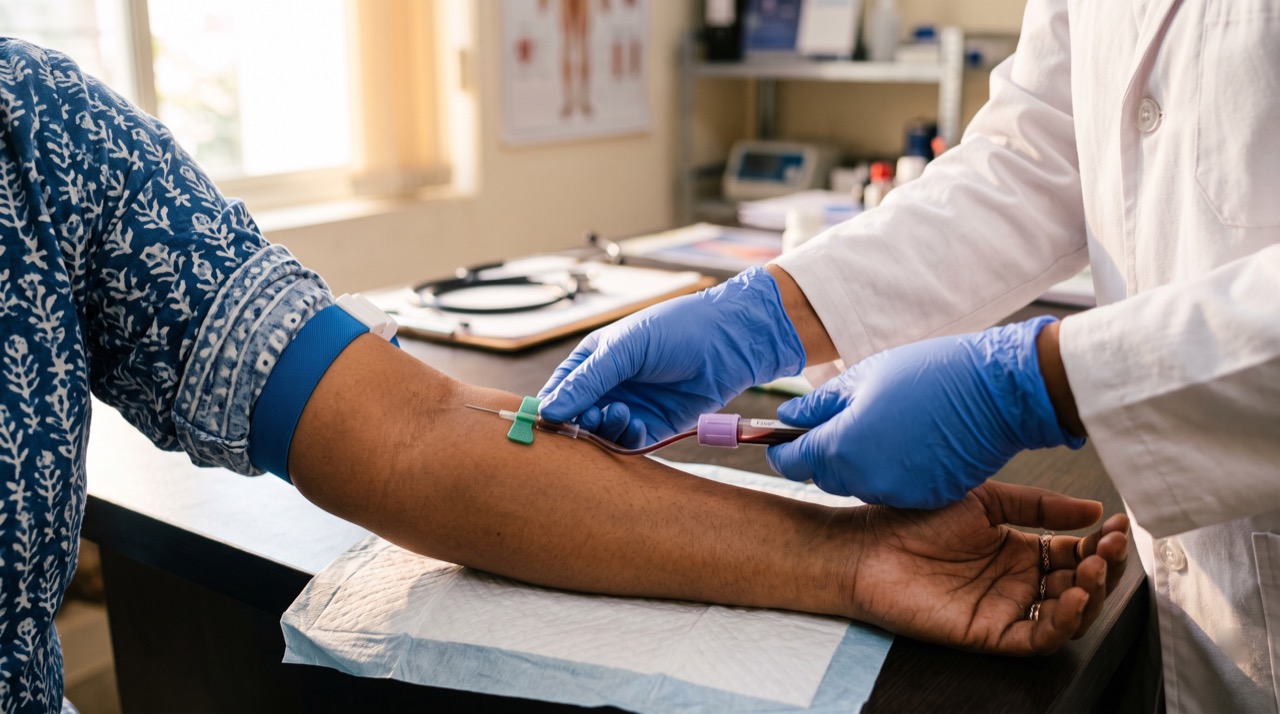
- Get a fasting lipid profile checked at least once a year after age 30, or earlier if there's a family history of heart attacks or diabetes.
- Sleep matters too — chronic short sleep is linked to higher LDL and triglycerides independent of diet.
Cholesterol numbers rarely change from a single meal or a single walk — they respond to what you repeat, week after week, for months.
If diet and exercise alone don't bring LDL to a safe range, especially with a strong family history, your doctor may recommend medication such as statins. This is common and effective — it does not mean lifestyle changes were wasted, since medication and healthy habits work best together. For detailed, evidence-based guidance, resources like the World Health Organization's cardiovascular disease fact sheet and the American Heart Association's cholesterol guide are reliable starting points before your next doctor's visit.
Roman Urdu
Cholesterol do tarah ka hota hai: LDL aur HDL. LDL ko "bura" cholesterol kaha jata hai kyunke ye rag-on (arteries) ke andar jama ho kar unhe tang kar deta hai, jis se heart attack aur stroke ka khatra barh jata hai. HDL "acha" cholesterol hai jo khoon se extra cholesterol nikal kar liver tak le jata hai. Triglycerides bhi ek qisam ki fat hai jo zyada chini, safed chawal aur maide wali cheezon se barhti hai.
Aam tor par LDL 100 se kam, HDL mardon mein 40 aur khawateen mein 50 se zyada, aur triglycerides 150 se kam behtar samjhe jate hain — lekin apni exact report hamesha doctor se check karwayein, khaas taur par agar diabetes ya blood pressure ki bimari pehle se ho.
Khane mein sabse pehla kaam ye hai ke rozana istemal hone wala ghee ya banaspati kam karein aur canola ya sunflower oil naap kar use karein. Pakoray, samosay aur paratha rozana ki bajaye kabhi kabhi khayein. Oats, chana, daal aur phal (chilke samet) khane se LDL kam hota hai. Red meat ki jagah hafte mein kuch din machli ya bagair chamri ka chicken khayein. Meethi chai, cold drinks aur mithaiyan kam karein kyunke ye triglycerides barhati hain.
Rozana kam az kam aadha ghanta tez chalna, cycling ya koi bhi jismani activity HDL ko barhati hai. Sigarette ya naswar chhorna bhi bohat faida mand hai. Pait ke ird gird ki charbi kam karna zaroori hai, sirf wazan dekhna kaafi nahi. Sal mein ek dafa lipid profile test zaroor karwayein, khaas taur par 30 saal ki umar ke baad ya family mein heart disease ki history ho to pehle bhi.
Agar sirf khane aur exercise se LDL control na ho, to doctor statin jaisi dawai bhi tajweez kar sakte hain — ye aam baat hai aur dawai ke sath healthy lifestyle mil kar sab se acha kaam karti hai.