The thyroid is a small, butterfly-shaped gland in your neck, but the hormones it makes control almost every system in your body — your heart rate, body temperature, energy levels, digestion and even your mood. In Pakistan, thyroid disorders are common, especially in women, yet they are often missed for months because the symptoms get blamed on stress, weather, or "just getting older." Learning to recognise the pattern can save you a lot of unnecessary suffering.
What the Thyroid Actually Does
Your thyroid produces two main hormones, T3 and T4, which act like a throttle for your metabolism. When the gland produces too little, everything in the body slows down — this is called hypothyroidism (underactive thyroid). When it produces too much, everything speeds up — this is hyperthyroidism (overactive thyroid). Both are usually caused by autoimmune conditions (Hashimoto's or Graves' disease), iodine imbalance, or, less commonly, nodules or thyroid growths.
Signs of an Underactive Thyroid (Hypothyroidism)
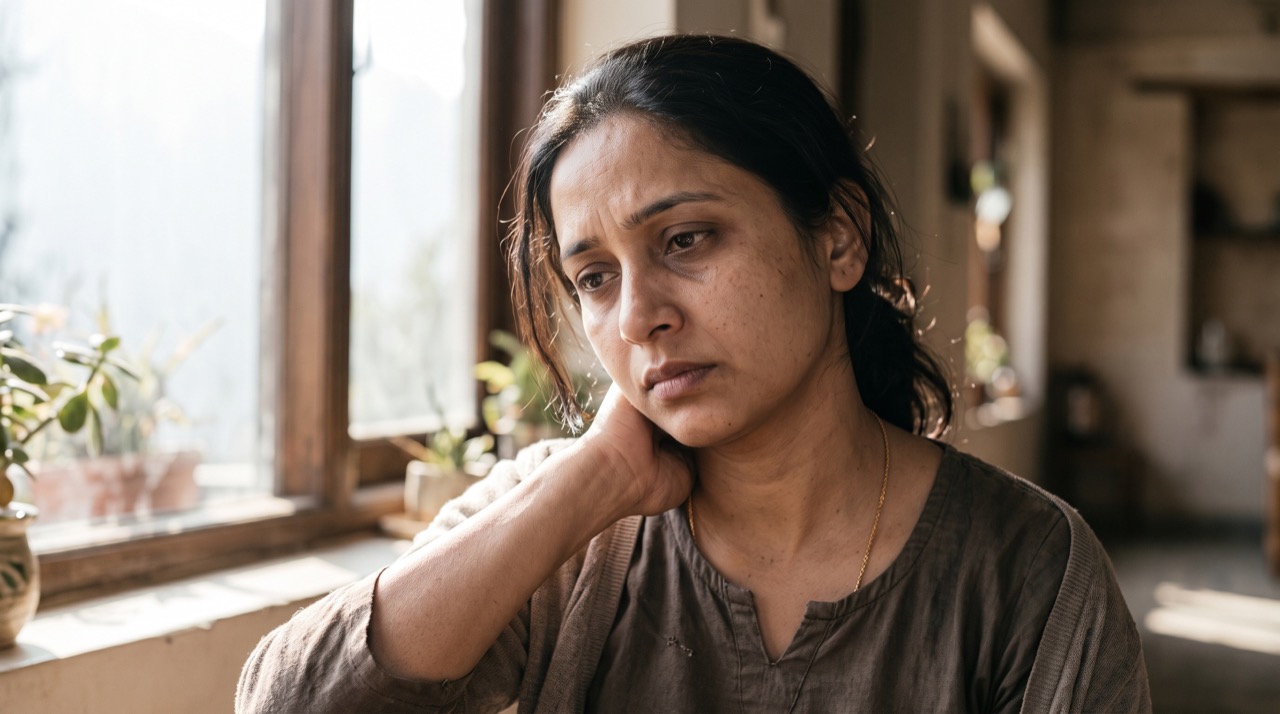
- Persistent fatigue or feeling cold all the time, even in mild weather
- Unexplained weight gain despite no change in diet
- Dry skin, brittle nails, and hair thinning or excessive hair fall
- Constipation that doesn't respond to usual home remedies
- Heavy or irregular periods, or difficulty conceiving
- Low mood, brain fog, or slowed thinking
- Puffiness around the face and eyes, and a hoarse voice
Signs of an Overactive Thyroid (Hyperthyroidism)
- Unexplained weight loss even though appetite is normal or increased
- Rapid or irregular heartbeat, palpitations, or feeling anxious/jittery
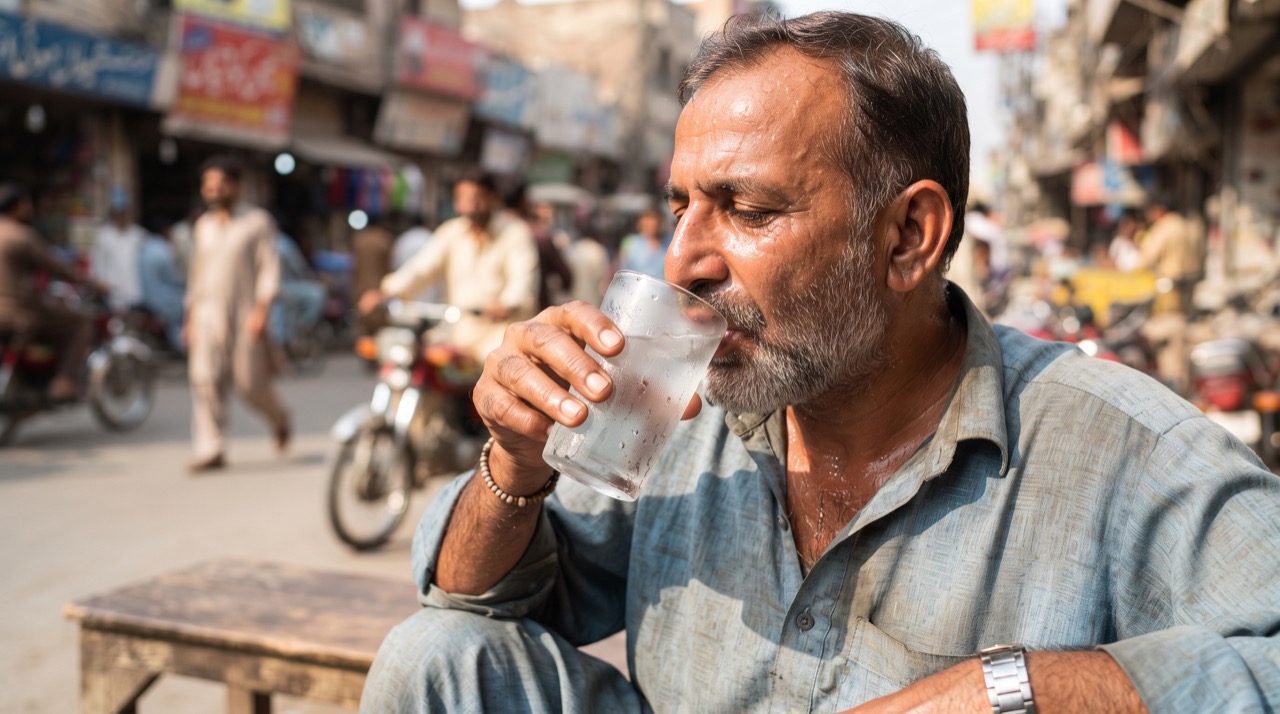
- Excessive sweating and intolerance to heat
- Hand tremors and trouble sleeping
- Frequent bowel movements or loose motions
- Bulging eyes or a visibly enlarged gland (goitre) in the neck
- Muscle weakness, especially in the thighs when climbing stairs
A simple rule of thumb: if fatigue, weight change, or mood shifts have lasted more than a few weeks and don't have an obvious cause, it is worth asking your doctor for a thyroid panel rather than assuming it will pass.
When to Get Tested
A thyroid problem is confirmed with a blood test, not guesswork. The standard first test is TSH (thyroid-stimulating hormone), often paired with Free T3 and Free T4. This is widely available at labs across Pakistan and does not require fasting. You should consider getting tested if you have:
- Two or more of the symptoms listed above lasting several weeks
- A family history of thyroid disease, since it often runs in families
- Irregular periods, unexplained infertility, or a recent pregnancy (thyroid issues are common postpartum)
- A visible lump or swelling in the front of your neck
- Diabetes or another autoimmune condition, since these often occur together with thyroid disease
Both hypothyroidism and hyperthyroidism are very manageable once diagnosed — usually with a daily tablet or, for overactive thyroid, medication that reduces hormone production, sometimes followed by longer-term treatment. The key is not to dismiss the symptoms for months. For general reference on symptoms and management, resources like the Mayo Clinic's hypothyroidism guide and hyperthyroidism guide are helpful starting points, but a local doctor and a blood test are what actually confirm the diagnosis.
Roman Urdu
Thyroid gardan mein choti si butterfly-shape gland hoti hai, lekin iske hormones jism ke almost har system ko control karte hain — dil ki dhadkan, body temperature, energy, digestion aur mood tak. Pakistan mein thyroid ke masail bohat aam hain, khaaskar khawateen mein, lekin aksar mahino tak nazar-andaz ho jate hain kyunke symptoms ko stress ya mausam ki wajah samajh liya jata hai.
Underactive Thyroid (Hypothyroidism) ki Alamat
- Hamesha thakan mehsoos hona ya thandak lagna
- Bina wajah wazan barhna
- Khushk jild, kamzor nails, baal jhadna
- Qabz jo aam gharelu ilaj se theek na ho
- Periods ka be-tarteeb ya bhaari hona, ya conceive na ho pana
- Mood kharab rehna ya zehni sustee
Overactive Thyroid (Hyperthyroidism) ki Alamat
- Bina wajah wazan kam hona jabke bhook theek ya zyada ho
- Dil ki dhadkan tez ya be-tarteeb hona, ghabrahat mehsoos hona
- Zyada pasina aana aur garmi bardasht na hona
- Haathon mein larzish aur neend na aana
- Gardan mein soojan ya ubhri hui aankhen
Agar upar di gayi alamat do ya zyada hafton se mojood hain, to guessing chhod kar doctor se TSH aur T3/T4 blood test karwayein — ye test aam labs mein aasani se mil jata hai aur fasting ki zarurat nahi hoti. Family mein thyroid history, pregnancy ke baad symptoms, ya diabetes jaisi autoimmune condition ho to test aur zaroori ho jata hai. Achi khabar ye hai ke dono conditions ilaj-pazeer hain — hypothyroidism mein rozana ek goli aur hyperthyroidism mein medicine se control ho sakta hai. Bas symptoms ko mahino tak nazar-andaz mat karein.