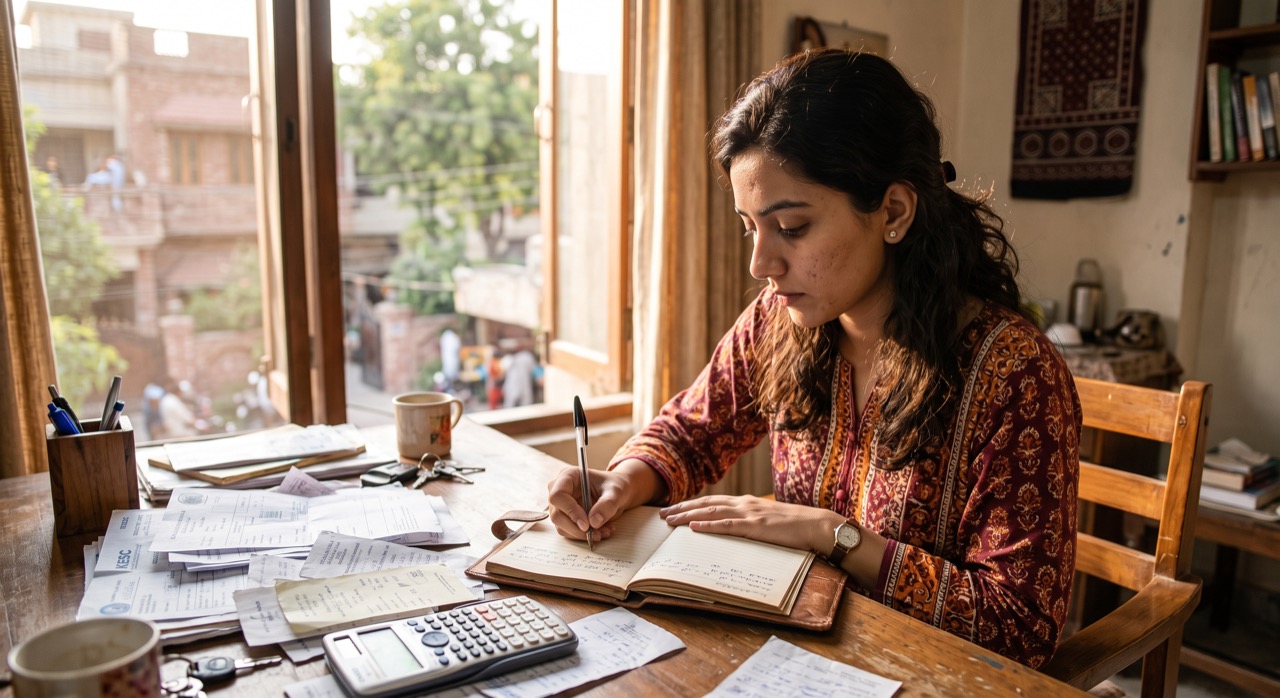
Polycystic Ovary Syndrome (PCOS) affects a large number of women across Pakistan, yet it is still widely misunderstood — often dismissed as "just irregular periods" or blamed entirely on weight. In reality, PCOS is a hormonal condition involving insulin resistance, elevated androgens, and disrupted ovulation, and South Asian women are known to develop it at a younger age and with more pronounced insulin resistance than women in many other populations. The good news is that PCOS is manageable with realistic, sustainable changes — not extreme diets or expensive treatments.
Recognizing the Symptoms
PCOS looks different from woman to woman, which is part of why it often goes undiagnosed for years. Common signs include:
- Irregular or missed periods (cycles longer than 35 days, or fewer than 8-9 periods a year)
- Excess facial or body hair (hirsutism), often on the chin, upper lip, or abdomen
- Persistent acne along the jawline, chest, or back that doesn't respond to usual treatments
- Sudden or stubborn weight gain, especially around the abdomen
- Thinning hair on the scalp
- Dark, velvety skin patches on the neck or underarms (acanthosis nigricans), a sign of insulin resistance
- Difficulty conceiving despite regular attempts
If you notice two or more of these, see a gynaecologist for a proper workup — typically a pelvic ultrasound plus blood tests for androgens, fasting insulin, thyroid function, and prolactin. PCOS is a diagnosis of exclusion, so ruling out thyroid disease is an essential first step, since thyroid disorders can mimic PCOS symptoms and are common in Pakistani women too.
Diet Changes That Actually Work in a Desi Kitchen
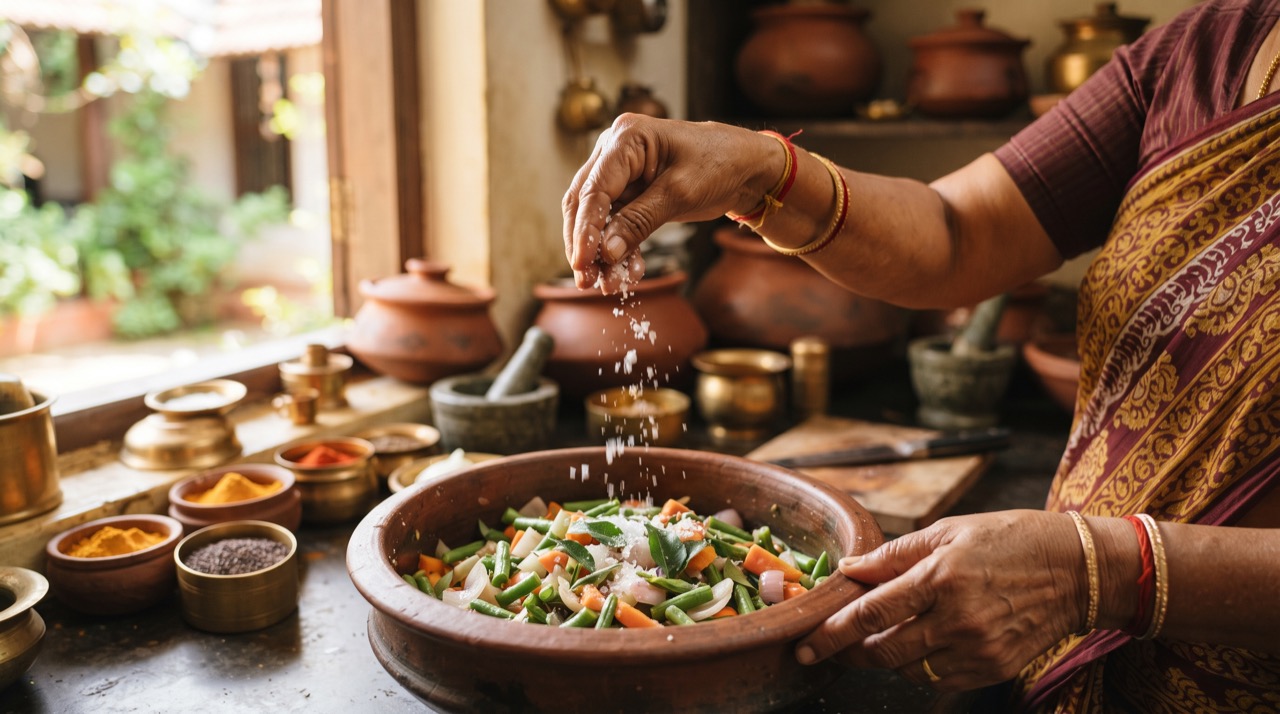
You do not need to abandon roti, rice, or daily chai to manage PCOS. The goal is steadying blood sugar and insulin, since insulin resistance drives much of the hormonal chaos. Small, consistent swaps matter more than one dramatic overhaul:
- Swap plain white roti for a mix of besan, bajra, or whole-wheat atta a few times a week — the added fibre slows sugar spikes
- Have protein with every meal (daal, chana, eggs, paneer, chicken, fish) rather than a carb-heavy plate alone
- Cut back on sugary chai and cold drinks gradually — try one less spoon of sugar every week instead of quitting overnight
- Fill half the plate with vegetables (karela, palak, bhindi, salads) before adding rice or roti
- Choose fruit over fruit juice — whole fruit keeps fibre intact and slows sugar absorption
- Space meals so you're not going more than 4-5 hours without eating, which helps prevent insulin spikes from large, delayed meals
A registered dietitian or endocrinologist can personalise this further, particularly if there is significant insulin resistance requiring medication like metformin alongside diet changes.
Lifestyle, Weight and Fertility
Even a 5-10% reduction in body weight has been shown to restore ovulation in many women with PCOS — you don't need to reach an "ideal" weight to see real hormonal improvement. Focus on:
- 30 minutes of brisk walking most days, or any movement you'll actually keep doing — consistency beats intensity
- Strength training twice a week, which improves how your body uses insulin
- Prioritising sleep — poor sleep worsens insulin resistance and cravings
- Managing stress through prayer, short walks, or time away from screens; chronic stress raises cortisol, which further disrupts cycles
For women trying to conceive, ovulation tracking apps, timed intercourse, and medications like letrozole (prescribed by a doctor) are commonly used first steps before more advanced fertility treatment is considered. PCOS is one of the most treatable causes of infertility — it is rarely the dead end that family rumours suggest.
PCOS is not a life sentence and it is not your fault — it is a manageable hormonal condition, and small, consistent changes usually matter more than perfect ones.
For further reading from a trusted medical source, the Mayo Clinic's PCOS overview is a reliable, free reference to discuss with your doctor.
Roman Urdu
PCOS (Polycystic Ovary Syndrome) Pakistan mein bohat aam hai lekin log isay sirf "periods ki gadbad" samajh kar nazar-andaz kar dete hain. Asal mein yeh hormonal masla hai jismein insulin resistance aur androgens ki ziyadti shamil hoti hai, aur South Asian aurton mein yeh masla kam umar mein aur zyada shiddat se hota hai.
Alamaat: Irregular ya missed periods, chehre ya jism par ziyada baal, na khatam hone wale muhaanse, pait ke ird gird wazan barhna, sir ke baal patle hona, gardan ya bagal ki jild ka kaala parna, aur pregnant hone mein mushkil. Agar do ya zyada alamaat mojood hain to gynaecologist se ultrasound aur blood tests zaroor karwayein — thyroid check bhi zaroori hai kyunke iski alamaat PCOS jaisi hoti hain.
Khanay mein tabdeeli: Roti-chawal chhorne ki zaroorat nahi, bas insulin ko stable rakhna hai. Kabhi kabhi besan ya bajray ki roti try karein, har meal mein protein (daal, chana, anda, chicken) shamil karein, cheeni aahista aahista kam karein, plate ka aadha hissa sabziyon se bharein, aur juice ki jagah pura phal khayein. Kabhi bhi 4-5 ghantay se zyada bhooka na rahein.
Lifestyle aur fertility: Sirf 5-10% wazan kam karne se bhi ovulation wapas normal ho sakta hai. Roz 30 minute walk karein, hafte mein do martaba halki weight training karein, neend poori karein, aur stress kam karne ki koshish karein. Conceive karne ki koshish karne waali khawateen ke liye doctor ki nigrani mein ovulation tracking aur zaroorat parne par dawaiyan (jaise letrozole) madadgar sabit hoti hain. PCOS aksar theek hone wali cheez hai — yeh family ki baaton ki tarah "aakhri rasta" nahin hai.
PCOS aapki ghalti nahi hai aur na hi yeh zindagi bhar ka azaab hai — chhoti, mustaqil tabdeeliyan aksar perfect tabdeeliyon se zyada asar dikhati hain.