Most people never build a personal finance plan because they imagine it needs a finance degree, a fancy spreadsheet, or a windfall of extra income to start. In reality, a plan is just four things working together in the right order: knowing where your money goes, protecting yourself from shocks, clearing expensive debt, and pointing whatever is left at your actual goals. Do these four in sequence and even a modest salary starts to feel manageable instead of chaotic.
Step 1: Track and Categorize Before You Budget
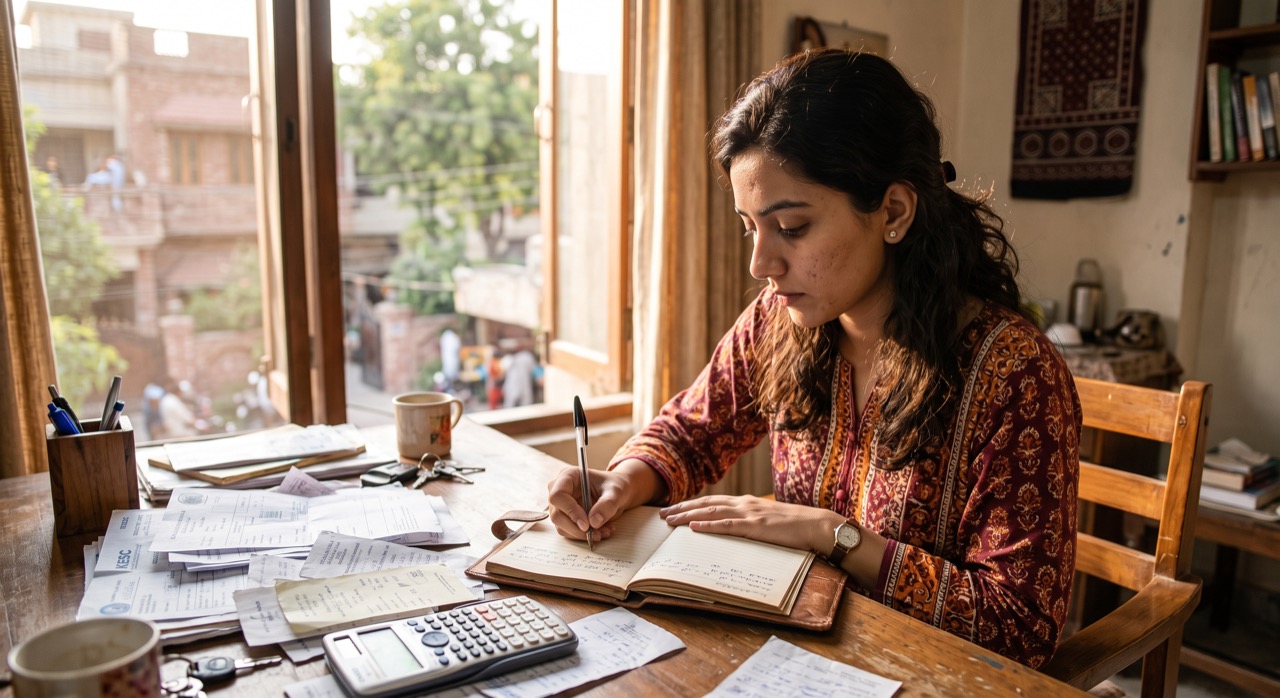
You cannot fix a leak you cannot see. For one full month, write down every rupee that comes in and goes out — salary, freelance income, rent, groceries, transport, mobile top-ups, family contributions, everything. Use a notebook, a free spreadsheet, or a budgeting app; the tool matters far less than the honesty of the entries.
- Fixed costs — rent, utilities, school fees, loan installments (these barely move month to month)
- Variable needs — groceries, fuel, medicine, data packages
- Wants — eating out, subscriptions, impulse online shopping
- Savings and goals — whatever you set aside on purpose, not what happens to be left over
A simple starting split many people find workable is roughly 50% needs, 30% wants, 20% savings and debt payoff — but treat that as a starting point to adjust, not a rule. If your needs already eat 70% of income, your first job is trimming fixed costs (a cheaper phone plan, renegotiating rent, carpooling) rather than feeling guilty about the percentages.
Step 2: Build a Small Emergency Cushion First
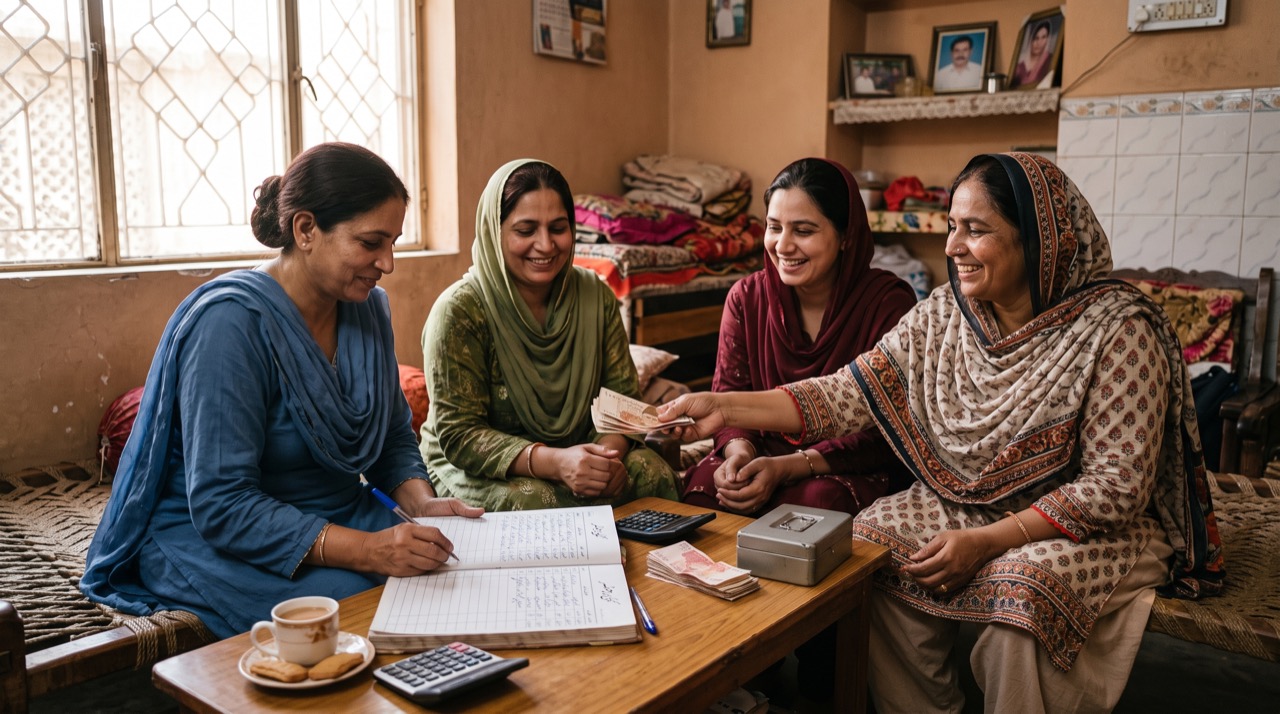
Before aggressively paying down debt or investing, save a starter emergency fund — even a modest one changes everything, because it stops a sudden medical bill or job gap from forcing you onto a credit card or an expensive personal loan. Aim first for one month of essential expenses, then build toward three. Keep this money boring and accessible: a separate bank account or a State Bank of Pakistan-regulated scheduled bank's savings/profit account, not tied up in property, gold you'd have to sell in a hurry, or a rotating committee (BC) you can't withdraw from on demand.
Step 3: Attack Debt With a Method, Not Guesswork
Debt is where plans usually fall apart, mostly because people pay whatever feels urgent instead of what actually costs the most. List every debt with its balance and interest/markup rate, then pick one method:
- Avalanche method — pay minimums on everything, throw extra money at the highest-interest debt first (usually credit cards, then personal loans). Mathematically the cheapest route.
- Snowball method — pay off the smallest balance first regardless of rate, for the motivation of quick wins. Costs slightly more but keeps many people consistent.
Either works better than no method at all. If you're juggling informal loans from relatives alongside bank debt, be upfront about repayment timelines — awkward conversations now are cheaper than damaged relationships later.
Step 4: Turn Goals Into Numbers With Deadlines
"Save more" is not a goal; "save Rs. 300,000 for a wedding in 18 months" is. Break every goal into a monthly rupee figure, and rank goals so your budget knows what to prioritize when money is tight.
- Short-term (under 1 year): Eid expenses, a device upgrade, a small trip
- Medium-term (1–5 years): wedding, car down payment, business capital
- Long-term (5+ years): home purchase, children's education, retirement
For retirement specifically, look into voluntary contributions through the Employees' Old-Age Benefits Institution (EOBI) if you're employed, or a voluntary pension scheme if you're self-employed — starting small decades early beats starting large a few years before you need the money.
A budget doesn't restrict your life; it tells your money where to go instead of wondering where it went.
None of these four steps needs to be perfect on day one. Track for a month, save a small cushion, target your costliest debt, and write down one real goal with a number and a date. Revisit the whole plan every payday — it's a living document, not a one-time exercise.
Roman Urdu
Zyada tar log apna personal finance plan is liye kabhi nahi banate kyunke unhe lagta hai iske liye finance degree ya bohat zyada extra paisa chahiye. Asal mein plan sirf char cheezon ka sahi tarteeb mein hona hai: paisa kahan ja raha hai yeh pata hona, emergency se bachna, mehnga qarz khatam karna, aur bachay hue paisay ko apne goals ki taraf mor dena.
Pehla Qadam: Kharcha Track Karein
Ek mahine ke liye har rupaya likhein — salary, kiraya, grocery, mobile bills, sab kuch. Fixed kharche (kiraya, fees), zaroori variable kharche (grocery, dawai), khwahishat (bahar khana, subscriptions), aur savings alag alag likhein. Aik shuruati split jo kaam karti hai: 50% zaroorat, 30% khwahish, 20% savings — lekin apni situation ke hisaab se adjust karein.
Dusra Qadam: Chhota Emergency Fund Banayein
Qarz utarne ya invest karne se pehle, thora emergency fund bana lein — chahe aik mahine ka kharcha hi ho. Yeh paisa kisi bank ke alag account mein rakhein, na ke committee (BC) ya property mein jahan se nikaalna mushkil ho.
Teesra Qadam: Qarz Ko Tarteeb Se Khatam Karein
Har qarz ki list banayein uske interest rate ke saath. Sabse mehnga qarz (credit card, personal loan) pehle khatam karein jabke baaqi par minimum payment jaari rakhein. Agar rishtedaron se udhaar liya hai to unse waqt par baat cheet karein.
Chautha Qadam: Goals Ko Number Aur Deadline Dein
"Zyada bachat karni hai" koi goal nahi — "18 mahine mein shadi ke liye 3 lakh bachana hai" asal goal hai. Short-term (Eid, gadget), medium-term (shadi, car), aur long-term (ghar, retirement) goals alag karein. Naukri karne walon ke liye EOBI ki voluntary contributions dekhein, aur self-employed hain to voluntary pension scheme par ghor karein.
Budget zindagi ko roktay nahi, balke paisay ko batata hai kahan jana hai — is se pehle ke woh khud hi kahin gayab ho jaye.
Yeh char qadam pehle din perfect honay ki zaroorat nahi. Aik mahina track karein, chhota cushion banayein, sabse mehnga qarz target karein, aur aik real goal number aur date ke saath likh lein. Har salary ke baad plan ko dobara dekhein — yeh aik zinda cheez hai, one-time kaam nahi.