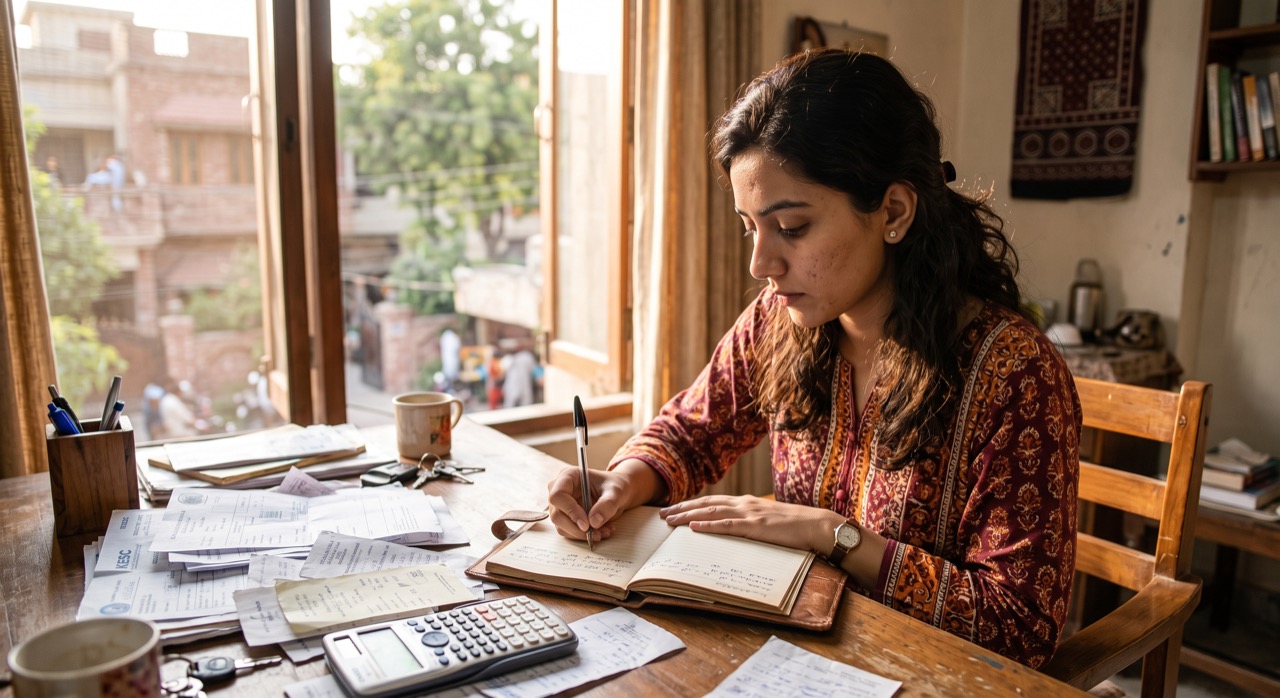
Education costs in Pakistan have been climbing faster than most parents expect. A private school that charges Rs. 8,000 a month today could easily charge Rs. 20,000 or more by the time a toddler reaches matric, and a four-year degree at a good private university can now cross Rs. 4-6 million all-in. The good news is that education expenses are predictable in a way few other life costs are — you know roughly when the bill is coming, which means you can plan for it years in advance instead of scrambling for a loan later.
Estimate the Real Cost Before You Start Saving
Most parents underestimate because they only think about tuition. Build your estimate around the full picture:
- Tuition and admission fees — check current rates at 2-3 schools/universities you're targeting, not just one.
- Annual increases — private schools in Pakistan typically raise fees 8-15% per year; universities often raise them every 1-2 years.
- Books, uniforms, transport — easily 15-20% on top of tuition at the school level.
- Tuition/coaching centre fees — increasingly a real cost from matric onward.
- University extras — hostel, mess, lab fees, and for abroad study: visa, airfare, and living costs.
A simple rule of thumb: whatever the annual cost is today, assume it roughly doubles every 6-8 years due to inflation and fee hikes. So if a semester costs Rs. 150,000 now and your child is 5 years from starting that program, budget closer to Rs. 220,000-250,000 per semester by then.
Start an Education Fund Early — Even a Small One
Time matters more than the amount you start with. Rs. 5,000 a month starting when your child is born grows into a very different number than the same amount starting at age 10, simply because of compounding.
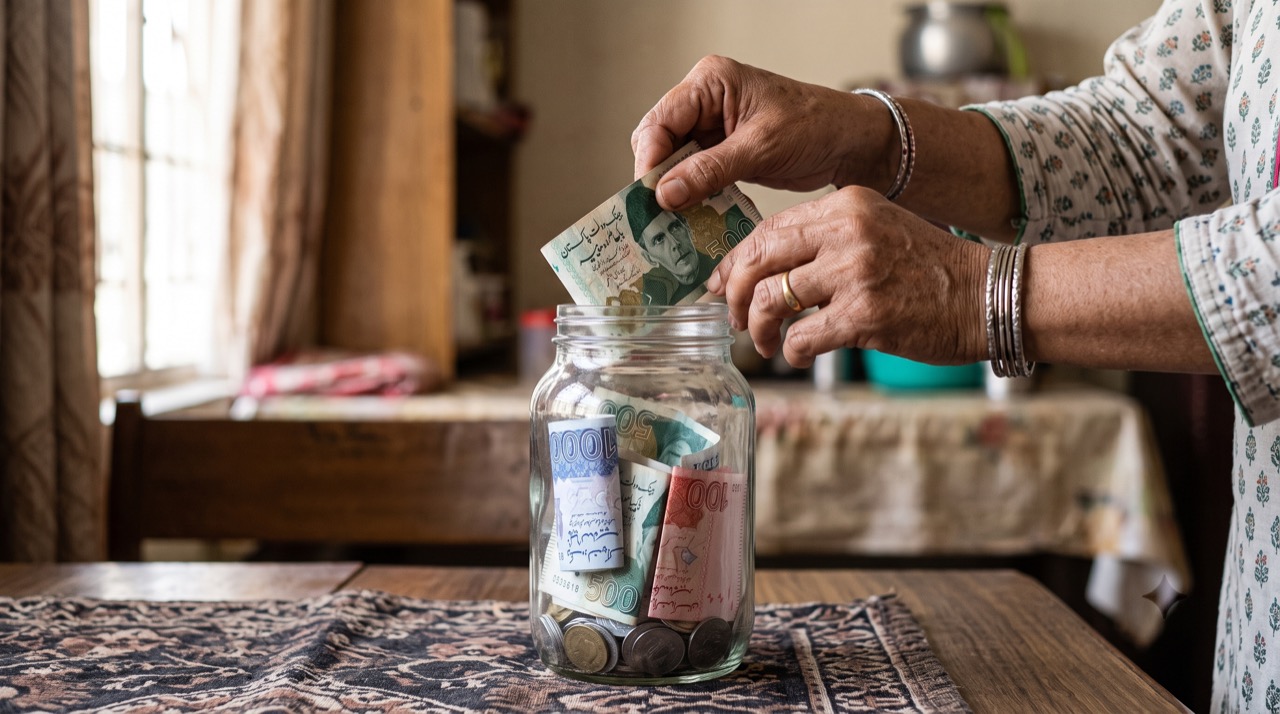
- Open a dedicated account — keep education savings separate from your general savings so it doesn't get spent on other things.
- Automate it — set a standing instruction so the amount moves out on salary day, before you have a chance to spend it.
- Use tiered vehicles by time horizon:
- For money needed in 1-3 years: a bank savings account or short-term State Bank-regulated term deposit.
- For money needed in 3-7 years: National Savings Schemes like Sarwa Islamic or Defence/Regular Savings Certificates through Central Directorate of National Savings, which offer profit rates better than standard savings accounts.
- For money needed in 7+ years: a mutual fund or mix that can include equity exposure, since you have time to ride out short-term swings. Check fund options and past performance data via the Mutual Funds Association of Pakistan (MUFAP).
- Review yearly — as your child gets closer to the expense, shift money into safer, more liquid options so a bad year in the market doesn't hit you right when the fee is due.
Practical Habits That Make the Fund Actually Work
- Treat it like a bill, not a leftover — decide the monthly amount first, then budget the rest of your spending around it, not the other way around.
- Put windfalls to work — bonuses, Eidi received, or freelance income can top up the fund without affecting your monthly budget.
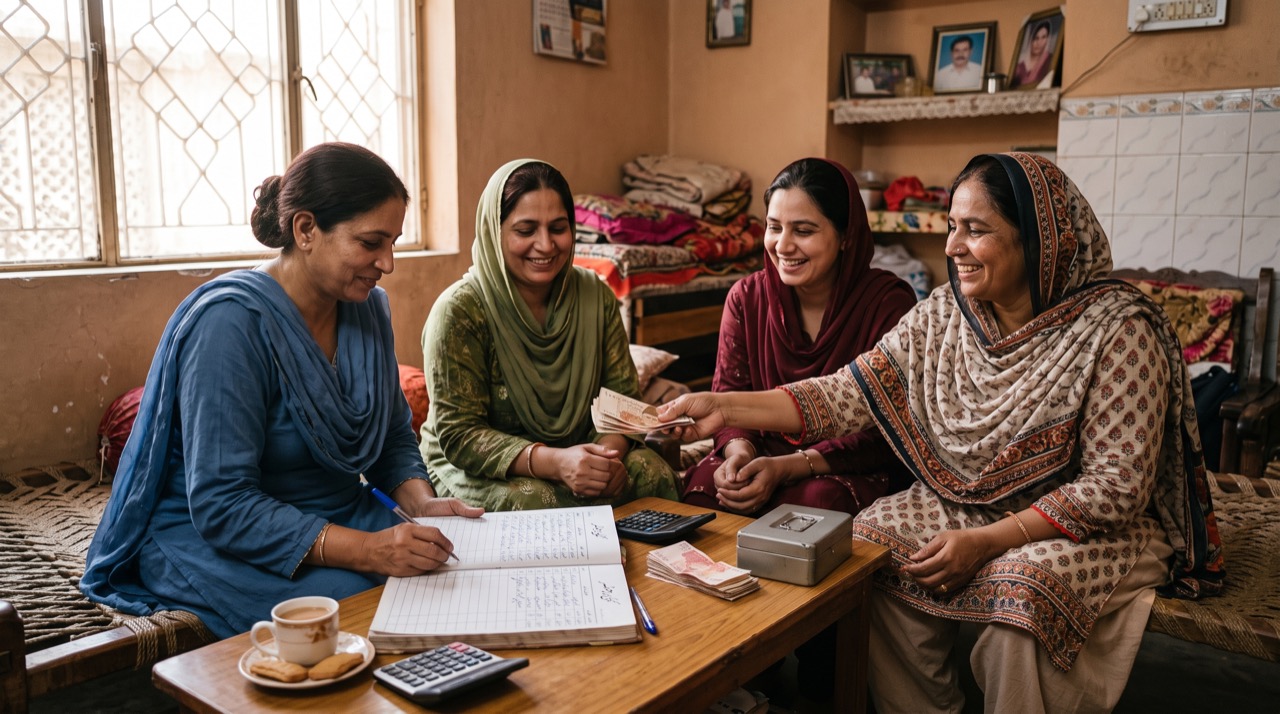
- Involve relatives thoughtfully — some families ask grandparents to contribute a birthday amount directly into the child's education account instead of buying toys.
- Track the gap, not just the balance — every year, compare your fund's growth against the updated cost estimate for the target school/university, and adjust contributions if you're falling behind.
- Avoid touching it for anything else — treat withdrawals before the target date as a last resort, not a convenient loan to yourself.
The best time to start an education fund was when your child was born. The second-best time is today — the gap between those two dates is the only thing compounding can't recover for you.
None of this requires a large income to start. It requires starting early, being specific about the target cost, and protecting the fund from everyday spending pressure. Parents who do this consistently for 10-15 years rarely face a funding crisis when the admission letter finally arrives — they simply write the cheque.
Roman Urdu
Pakistan mein education ka kharcha har saal barhta ja raha hai. Aaj jo private school Rs. 8,000 mahana le raha hai, matric tak wo Rs. 20,000 se zyada ho sakta hai, aur achi private university ki degree ka total kharcha 40-60 lakh tak pohanch sakta hai. Achi baat ye hai ke education ka kharcha predictable hota hai — aapko pehle se pata hota hai ke bill kab aayega, is liye time rehte plan banana mumkin hai.
Pehle Asal Kharcha Andaza Karein
Sirf tuition fee mat dekhein — books, uniform, transport, tuition centre, aur university level par hostel/mess bhi shamil karein. Ek aam usool: jo bhi annual kharcha aaj hai, wo har 6-8 saal mein taqreeban double ho jata hai fee increase aur mehngai ki wajah se. Is hisaab se apne bachay ki age ke mutabiq target amount nikalein.
Jald Fund Shuru Karein — Choti Raqam Se Hi Sahi
Waqt paison se zyada zaroori hai. Bachay ki paidaish se hi Rs. 5,000 mahana bachana, 10 saal ki age se shuru karne se kaafi zyada faida deta hai, sirf compounding ki wajah se.
- Ek alag education account kholein taake ye paisa doosre kharchon mein mix na ho.
- Salary aate hi automatic transfer set karein.
- 1-3 saal ke liye bank savings account behtar hai; 3-7 saal ke liye National Savings Certificates jaisa Sarwa Islamic ya Defence Savings, jo Central Directorate of National Savings se milte hain, zyada profit dete hain; 7 saal ya zyada ke liye mutual funds bhi dekhein — MUFAP par performance check kar sakte hain.
- Har saal fund ko review karein aur expense date qareeb aane par paisa safer options mein shift karein.
Kuch Aadatein Jo Fund Ko Kaamyab Banati Hain
- Is bachat ko bill samajhein, bachay hue paison ka intezar na karein.
- Bonus ya Eidi ka kuch hissa fund mein daalein.
- Har saal fund ka balance target cost se compare karein taake pata chale ke aap sahi track par hain ya nahi.
- Emergency ke ilawa is fund ko kabhi na chuein.
Education fund shuru karne ka best waqt tha jab bachay ki paidaish hui thi. Doosra best waqt aaj hai.
Bara income zaroori nahi — jo zaroori hai wo hai jald shuru karna, sahi target set karna, aur fund ko rozana ke kharchon se bachana. Jo family 10-15 saal tak ye consistency rakhti hai, unhe admission ke waqt paison ki tension nahi hoti.