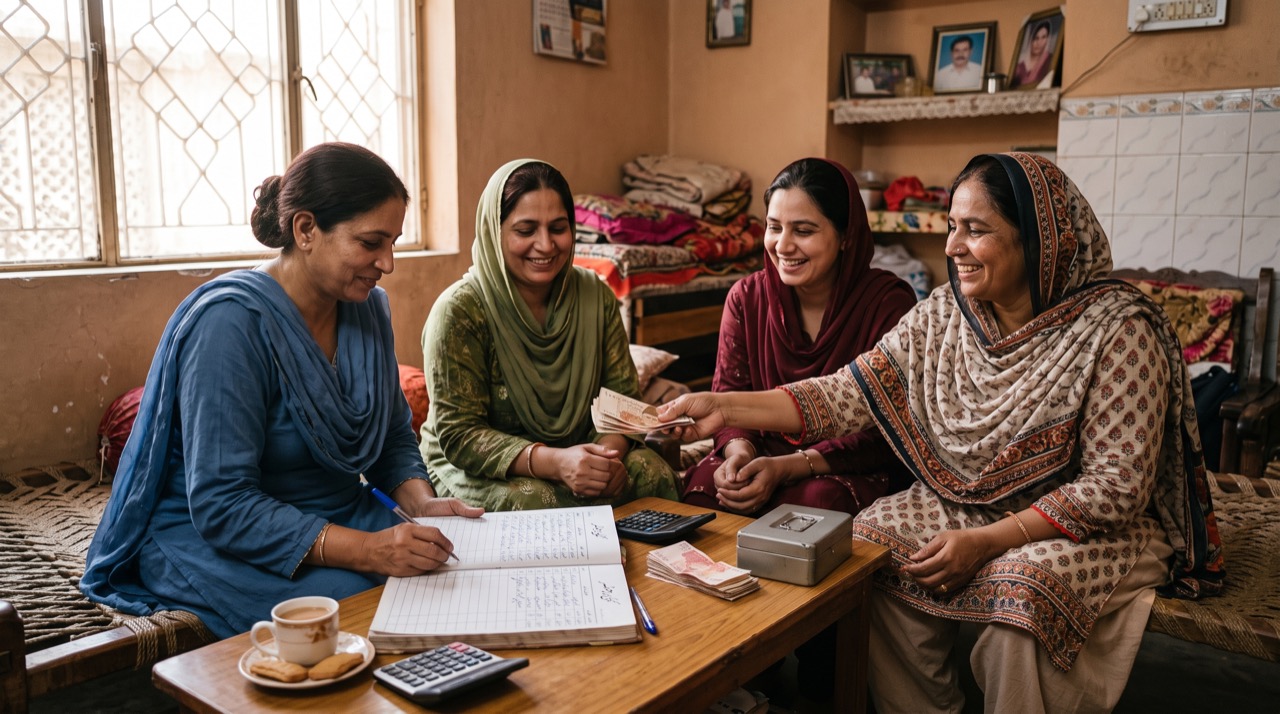
Most people in Pakistan think about retirement the same way they think about a distant relative's wedding — it's happening eventually, but there's no rush to prepare. The problem is that retirement income, unlike a wedding invite, doesn't show up on its own. Between a shrinking joint-family safety net, inflation that eats into fixed pensions, and a formal pension system that only covers part of the workforce, planning ahead isn't optional anymore. Here's how the pieces actually fit together, and what you can do starting this month.
How EOBI Actually Works
The Employees' Old-Age Benefits Institution (EOBI) is Pakistan's main state-run pension scheme for private-sector workers. If you've ever had a payslip from a registered company, there's a good chance your employer has been contributing to EOBI on your behalf, whether you noticed or not.
- Who's covered: Employees of industrial and commercial establishments with five or more workers are legally required to be registered with EOBI. Very small businesses, most home-based work, and a large chunk of the informal economy fall outside this net.
- How it's funded: Contributions are calculated as a percentage of the minimum wage and are split between employer and employee, with the employer paying the larger share. Rates and the minimum wage base are revised periodically, so check current figures rather than relying on old numbers.
- What you get: Old-age pension after meeting minimum contribution years and reaching retirement age (currently 60 for men, 55 for women, with some flexibility for early or delayed retirement), plus survivor's pension for dependents and invalidity pension for permanent disability.
- Check your own record: Don't assume your employer registered you correctly. You can verify your contribution history and registration status directly through EOBI's official website using your CNIC.
The catch: EOBI pensions are modest by design. They're meant as a floor, not a full replacement for your working income. Treat it as one layer of a retirement plan, not the whole plan.
Employer Pensions, Provident Fund and Gratuity
Beyond EOBI, many formal employers offer their own retirement benefits, and it's worth knowing the difference:
- Provident Fund: A savings pot where you and your employer both contribute monthly, usually a percentage of basic salary, and it grows with declared profit rates. This is portable in spirit but often paid out only on leaving the job.
- Gratuity: A lump sum owed by the employer based on your length of service, typically triggered by resignation, retirement, or termination. It's not something you contribute to; it's a legal or contractual obligation on the employer.
- Government pension: Civil servants have historically had a separate, employer-funded pension system, though reforms are gradually shifting new entrants toward contributory models. If you're a government employee, ask HR specifically which scheme you fall under, since the rules for new versus old employees can differ significantly.
If you're changing jobs, always ask HR in writing what happens to your provident fund balance and gratuity eligibility before you resign — verbal assurances have a way of evaporating.
Building Your Own Retirement Pot
If you're self-employed, work in the informal sector, or simply want more than EOBI and a provident fund will give you, personal savings become essential.
- Voluntary Pension System (VPS): SECP-regulated pension funds run by asset management companies let you contribute voluntarily and choose between equity, debt, and money market allocations. Contributions to approved pension funds can also qualify for tax credit, so it's worth asking your fund manager or tax advisor how much you can claim each year.
- National Savings Schemes: Instruments like the Regular Income Certificate, Bahbood Savings Certificate (for senior citizens and widows), and Pensioners' Benefit Account are backed by the government and pay periodic profit, making them popular for retirees who need predictable monthly income.
- Mutual funds and stocks: For younger savers with a longer runway, equity-based mutual funds historically outpace inflation better than fixed-return products, though they carry more short-term volatility.
- Real estate and gold: Traditional, illiquid, but still widely used as a hedge, especially by families who prefer tangible assets over paperwork.
A retirement fund isn't built in the year before you stop working — it's built in the twenty years you spend not thinking about it.
The simplest starting move: pick one vehicle, automate a fixed monthly contribution even if it's small, and increase it every time your income rises. Consistency beats timing the market or waiting for the "right" year to start.
A Quick Checklist
- Confirm your EOBI registration and contribution record on the official portal.
- Ask your employer in writing about provident fund and gratuity terms.
- If self-employed, open a VPS account or start a National Savings instrument this quarter.
- Review and increase your contribution amount once a year, ideally after any raise.
Roman Urdu
Pakistan mein retirement planning aksar log tab sochte hain jab retirement qareeb aa jaye — jo galat approach hai. EOBI (Employees' Old-Age Benefits Institution) private sector ke workers ke liye government ka pension scheme hai. Agar aap kisi registered company mein job karte hain jahan 5 ya zyada employees hain, to employer legally EOBI mein contribution dene ka paband hai, jo minimum wage ke percentage par based hota hai aur employer aur employee dono ka hissa milake banta hai.
Retirement age currently mard ke liye 60 aur khawateen ke liye 55 saal hai, aur pension milne ke liye minimum contribution years zaroori hain. Apna EOBI record CNIC se official website par check kar sakte hain — kabhi bhi employer ke bharose na rahen ke unhon ne aapko sahi register kiya hoga.
EOBI pension chota hota hai, is liye ise sirf ek layer samjhein, poora retirement plan nahi. Agar aapka employer Provident Fund ya Gratuity deta hai, to job chhorne se pehle HR se likhit mein confirm karein ke balance aur eligibility kya hai.
Apni taraf se bachat ke liye kuch options hain: Voluntary Pension System (VPS) jo SECP-regulated hota hai aur tax credit bhi deta hai; National Savings schemes jaise Regular Income Certificate ya Bahbood Savings Certificate jo fixed monthly profit dete hain; mutual funds jo lambi muddat mein achha return de sakte hain; aur real estate ya sona jo traditional demand rakhte hain.
Sabse asaan tareeqa yeh hai ke ek option chunein, har mahine chhoti si fixed raqam automatically save karna shuru karein, aur jab salary barhe to contribution bhi barhaein. Consistency hi asal cheez hai — market timing ya "sahi waqt" ka intezar karne se behtar hai aaj se shuru karna.