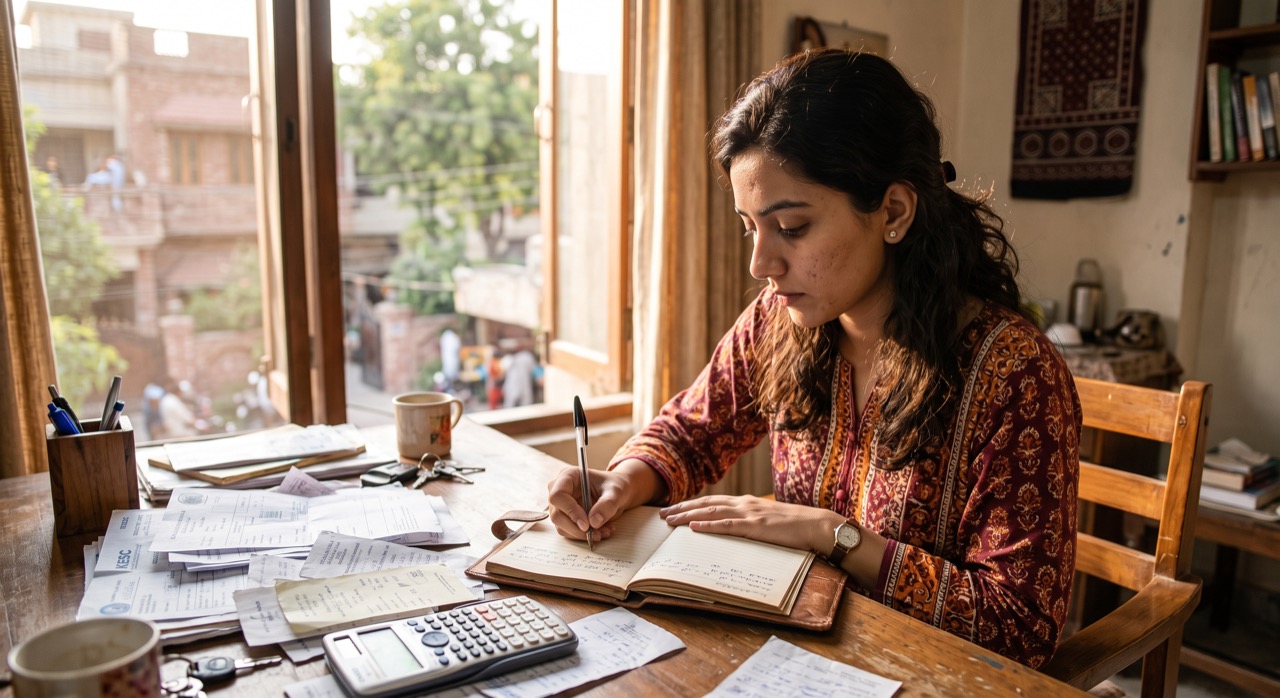
Every few years, almost every earning adult in Pakistan faces the same question: keep paying rent, or stretch for a down payment and buy? Both choices are defensible, and the "right" answer depends less on what your relatives think and more on your cash flow, job stability, and how long you actually plan to stay put. Here is a grounded way to work through the decision without the emotional noise.
The real cost of buying (not just the price tag)
The advertised property price is the smallest part of the story. Before you compare it to rent, add in:
- Down payment: Usually 20-30% upfront if you're buying through installments from a developer, or the full amount if paying cash. Bank mortgages in Pakistan typically require 15-30% equity depending on the lender.
- Transfer and registration costs: Stamp duty, registration fee, and CVT/advance tax vary by province and can add 5-8% of the property value in cities like Lahore and Karachi.
- Society development charges: Many housing schemes bill these separately from the plot price, and they add up fast.
- Ongoing maintenance: Roof leaks, plumbing, repainting, and society maintenance fees are now your responsibility, not a landlord's.
- Opportunity cost: Money locked in a down payment isn't earning returns elsewhere — in savings, gold, or a small business.
If you're financing through a bank, check current State Bank of Pakistan policy rates, since mortgage markups move with them and can swing your monthly installment significantly year to year. The State Bank of Pakistan publishes the current policy rate and housing finance guidelines if you want the latest figures before committing.
Why renting still makes sense for many people
Renting isn't "throwing money away" — that's an oversimplification. Renting buys you flexibility, which has real value:
- You can move for a better job without selling anything.
- Your capital stays liquid and can be invested, saved, or used for a business instead of sitting in one asset.
- You avoid the maintenance burden and unpredictable repair costs.
- In cities where property prices have run well ahead of rental yields (common in prime areas of Karachi, Lahore, and Islamabad), renting can genuinely be the cheaper option for years.
A simple gut-check: divide the property's purchase price by the annual rent for a similar unit. If that number is above roughly 20, renting is often financially more efficient for now, because it means rental yields are low relative to price and you'd need a long holding period to catch up through appreciation alone.
A practical decision framework
Instead of asking "rent or buy" in the abstract, answer these first:
- Time horizon: Planning to stay in the same city for 7+ years? Buying starts to make more sense once you clear transaction costs. Less than 5 years, and renting usually wins.
- Income stability: Salaried with a predictable income, or running your own business with variable cash flow? Fixed installments are riskier against irregular income.
- Emergency fund first: Don't drain your entire savings into a down payment. Keep at least 3-6 months of expenses aside before committing to any installment plan.
- Compare like-for-like: Don't compare renting a small flat to buying a house in a different area — match size, location, and quality before judging cost.
A house you can barely afford is not an asset — it's a monthly liability wearing an asset's clothes. Buy for your actual cash flow, not for what looks good at a rishta or a family gathering.
If you do decide to buy
- Verify the property title and society approval status before paying any token amount — unapproved societies are a common trap in Pakistan's real estate market.
- Get everything in writing, including possession timelines, if buying on installments from a developer.
- Compare markup rates across a few banks rather than accepting the first mortgage offer.
- Budget an extra 10% above your calculated total cost for the surprises that always show up during transfer and possession.
There's no single right answer here — only the answer that fits your income, your timeline, and how much uncertainty you can comfortably carry. Run the numbers honestly before you decide either way.
Roman Urdu
Pakistan mein har kuch saal baad yeh sawal sar utha leta hai: kiraye par rahen ya ghar khareed lein? Dono options theek hain, sahi jawab is baat par depend karta hai ke aap ka cash flow kaisa hai, job kitni stable hai, aur aap kitne saal usi shehar mein rehne wale hain.
Khareedne ki asal cost: Sirf property ki price nahi dekhni, balke down payment (20-30%), stamp duty aur registration charges (5-8% tak), society development charges, aur ongoing maintenance bhi add karni hai. Bank se loan lein to markup rate State Bank ki policy rate ke sath upar neeche hota rehta hai, isliye pehle State Bank of Pakistan ki website se latest rates check kar lein.
Kiraye mein rehna bura nahi: Yeh paisa zaya karna nahi hai — flexibility ki value hoti hai. Aap job ke liye kahin bhi shift ho saktay hain, paisa liquid rehta hai jo invest ya business mein laga saktay hain, aur maintenance ka jhanjhat landlord ka hota hai. Agar kisi area mein property price rent ke muqablay mein bohot zyada ho (yani price-to-rent ratio 20 se upar), to kiraya filhal zyada faida-mand ho sakta hai.
Faisla karne ka tareeqa: Pehle yeh sochein — kitne saal usi shehar mein rehna hai? 7 saal se zyada to khareedna sahi baith sakta hai. Income stable hai ya variable? Fixed installment variable income ke sath risky hoti hai. Down payment se pehle 3-6 mahine ka emergency fund alag rakhein, poori bachat kabhi na lagayein.
Jo ghar aap ki jeb se bahar ho, woh asset nahi, har mahine ka bojh hai. Rishtedaron ko dikhane ke liye nahi, apni asal income dekh kar faisla karein.
Agar khareedne ka faisla karein: Property ka title aur society ki approval status zaroor verify karein — unapproved societies ek aam trap hain. Har cheez likhwa kar rakhein, khaas taur par possession ki date. Ek se zyada banks se markup rate compare karein, pehli offer pe na maan jayein. Aur total budget mein 10% extra rakhein, kyunke transfer aur possession ke waqt hamesha koi na koi extra kharcha nikal aata hai.
Koi ek "sahi" jawab nahi hai — sirf woh jawab sahi hai jo aap ki income, timeline, aur risk lene ki gunjaish ke mutabiq ho. Faisla lene se pehle numbers ko imandari se check kar lein.