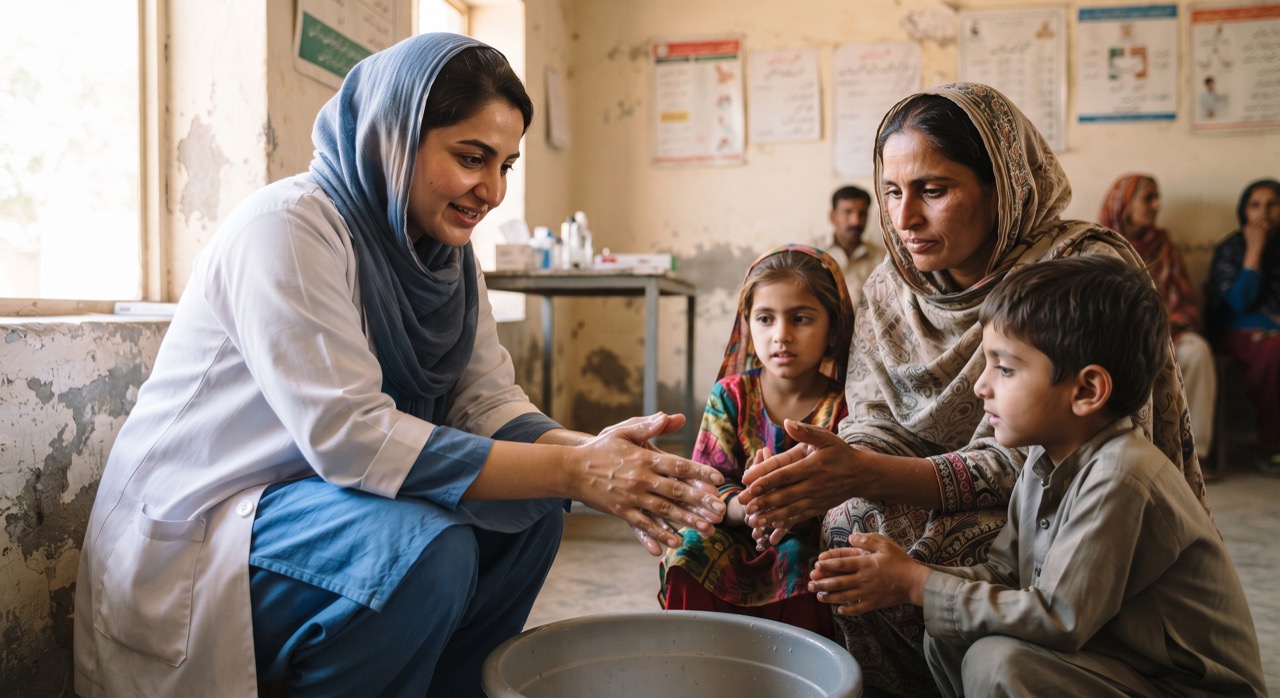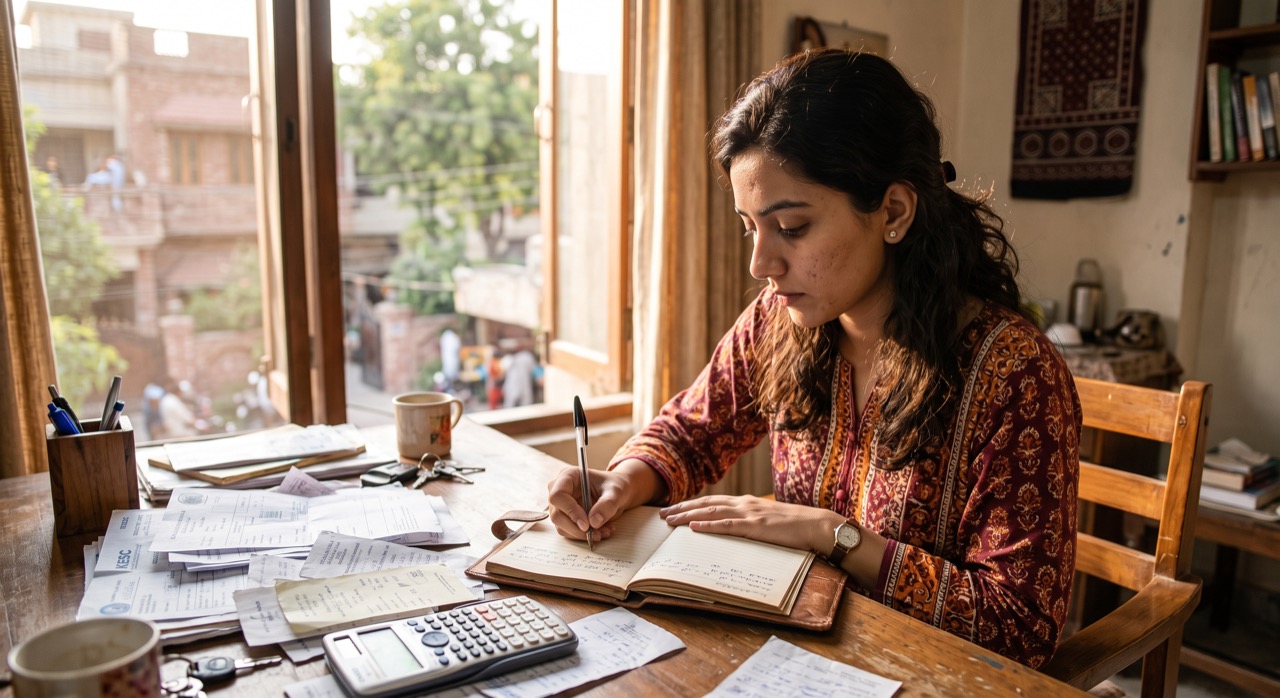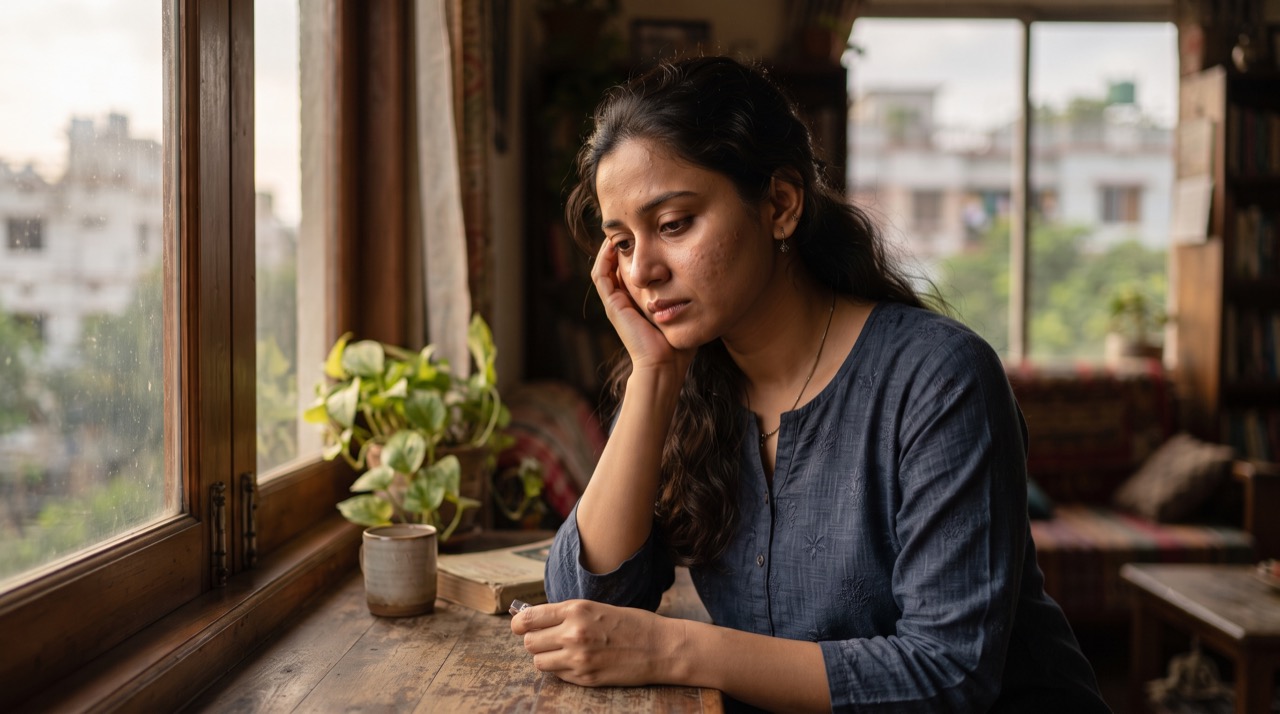
Everyone feels low sometimes — a bad exam result, a fight with family, a difficult year. That kind of sadness usually lifts within days as life moves on. Clinical depression is different. It is a persistent, heavy fog that does not clear on its own, and in Pakistan it is still widely mistaken for weakness, a "phase," or a test of faith that should simply be endured. Knowing the difference can be the first step toward getting someone — maybe even yourself — the right kind of help.
Sadness vs. Clinical Depression: Knowing the Difference
Ordinary sadness has a clear trigger, fades with time, and still allows you to laugh, eat, sleep, and function reasonably well in between low moments. Depression is broader and more stubborn. According to the World Health Organization, depression is a common mental disorder marked by persistent sadness and loss of interest lasting most of the day, nearly every day, for at least two weeks — and it affects an estimated 280 million people worldwide.
- Duration: Sadness passes in a few days; depression lingers for weeks or months.
- Trigger: Sadness usually has an obvious cause; depression can appear without any clear reason.
- Function: Sadness dips but you still manage work, namaz, and relationships; depression makes even basic tasks — getting out of bed, replying to messages, cooking a meal — feel exhausting.
- Self-view: Depression often brings persistent feelings of worthlessness or guilt that are out of proportion to the situation.
Signs You Shouldn't Ignore
Depression doesn't always look like crying. In many Pakistani households it shows up as irritability, unexplained body aches, or simply "not being themselves." Watch for:
- Sleeping far too much or barely sleeping at all, for weeks on end
- Noticeable appetite or weight changes without trying
- Losing interest in things once enjoyed — cricket, friends, food, prayer
- Constant fatigue that rest doesn't fix
- Difficulty concentrating on studies, work, or even conversations
- Unexplained headaches, stomach pain, or body aches with no medical cause
- Withdrawing from family gatherings and isolating in a room
- Increased irritability or anger over small things
- Talking about being a burden, hopelessness, or not wanting to exist
If someone mentions thoughts of death or self-harm, take it seriously every single time — it is never "just for attention." Stay with them and help them reach a doctor or helpline immediately.
Why So Many of Us Suffer in Silence
In Pakistan, mental health struggles are still often met with "sabar karo," "dua karo zyada," or "log kya kahenge" — advice that means well but can silence someone who genuinely needs medical support. Depression is treated as a character flaw rather than a treatable illness, and this stigma keeps families from taking children to a psychiatrist, keeps young men from admitting they're struggling, and keeps women from naming what they feel for fear of being called "problematic."
Seeking therapy for depression is no different from seeing a doctor for diabetes or high blood pressure — it is treating a real illness, not admitting a failure of faith or willpower.
Faith and professional treatment are not opposites. Prayer and community support can sit alongside therapy and, when needed, medication — one does not cancel out the other.
Where to Get Help in Pakistan
- Umang Pakistan Helpline: 0311-7786264 — free, confidential mental health support and referrals.
- Rozan Helpline: 0304-1111744 — counselling for trauma, abuse, and emotional distress.
- PAHCHAAN Helpline: 0800-22444 — support for women and families facing mental health crises.
- Public hospitals: Psychiatry departments at institutions like Aga Khan University Hospital, Jinnah Postgraduate Medical Centre, and Fountain House (Lahore) offer assessment and treatment, often at subsidised rates.
- Telehealth options: Platforms such as Taskeen and Sehat Kahani connect patients to licensed therapists and psychiatrists by phone or video, useful for those outside major cities.
- Start with your family doctor: A GP can screen for depression, rule out physical causes, and refer you to a specialist — a less intimidating first step for many families.
Recognising the signs early and reaching out — for yourself or someone you love — is not weakness. It is the most practical, responsible thing you can do.
Roman Urdu
Har insaan kabhi na kabhi udaas hota hai — kisi bura din, family se jhagra, ya mushkil waqt ki wajah se. Yeh udaasi kuch dinon mein khud hi theek ho jati hai. Lekin depression is se alag hota hai — yeh ek lagataar, bhari kaifiyat hai jo apne aap khatam nahi hoti, aur Pakistan mein isay aksar "kamzori" ya "sabar ki kami" samajh liya jata hai, jabke yeh ek asal medical bimari hai.
Farq kaise pehchanein: Udaasi kuch dinon mein guzar jati hai, depression hafton ya mahinon tak rehta hai. Udaasi mein ap phir bhi kaam kar lete hain, khana kha lete hain, namaz parh lete hain — depression mein basic kaam bhi mushkil lagne lagte hain, jaise bistar se uthna ya kisi ka message reply karna.
Yeh alamaat nazarandaz na karein: Bohat zyada ya bilkul kam neend ana, bhook mein badlaav, pehle pasandeeda cheezon (cricket, dost, khana) mein dilchaspi khatam ho jana, hamesha thakawat rehna, kaam ya parhai par tawajjo na de pana, bina kisi wajah ke sar dard ya jism dard, ghar walon se dur bhagna, chhoti chhoti baaton par gussa ana, aur khud ko bojh samajhna ya zindagi se mayoosi ki baat karna. Agar koi khudkushi ya khud ko nuksan pohanchane ki baat kare, to isay kabhi bhi halke mein na lein — foran unke sath rahein aur doctor ya helpline se rabta karein.
Depression ke liye therapy lena aisa hi hai jaise sugar ya blood pressure ke liye doctor se milna — yeh bimari ka ilaj hai, imaan ya himmat ki kami nahi.
Pakistan mein "sabar karo" ya "log kya kahenge" jaisi baaten aksar logon ko madad lene se rokti hain. Lekin dua aur ilaj dono sath chal sakte hain, ek dusre ki jagah nahi lete.
Madad kahan se milegi: Umang Pakistan Helpline (0311-7786264), Rozan Helpline (0304-1111744), aur PAHCHAAN Helpline (0800-22444) free aur khufia counselling dete hain. Aga Khan University Hospital, JPMC, aur Fountain House Lahore jaise hospitals mein psychiatry departments maujood hain. Taskeen aur Sehat Kahani jaisi telehealth services online therapist se raabta karati hain — chhote shehron ke liye bohat mufeed. Sab se aasan pehla qadam apne family doctor se baat karna hai, jo ap ko sahi specialist tak refer kar sakte hain. Alamaat waqt par pehchanna aur madad lena kamzori nahi — yeh sab se zimmedaar qadam hai.