Your kidneys work quietly in the background, filtering roughly 150 litres of blood every day without ever asking for attention. That silence is exactly the problem. Kidney damage rarely announces itself with dramatic symptoms until a large percentage of function is already gone. In Pakistan, where summers are brutally hot, diabetes and high blood pressure are widespread, and painkillers like diclofenac or ibuprofen are sold over the counter at almost every pharmacy without a second glance, the everyday habits around water and medicine matter more than most people realise. The good news is that protecting your kidneys does not require anything exotic—just a few consistent, practical habits.
Why Hydration Is Non-Negotiable
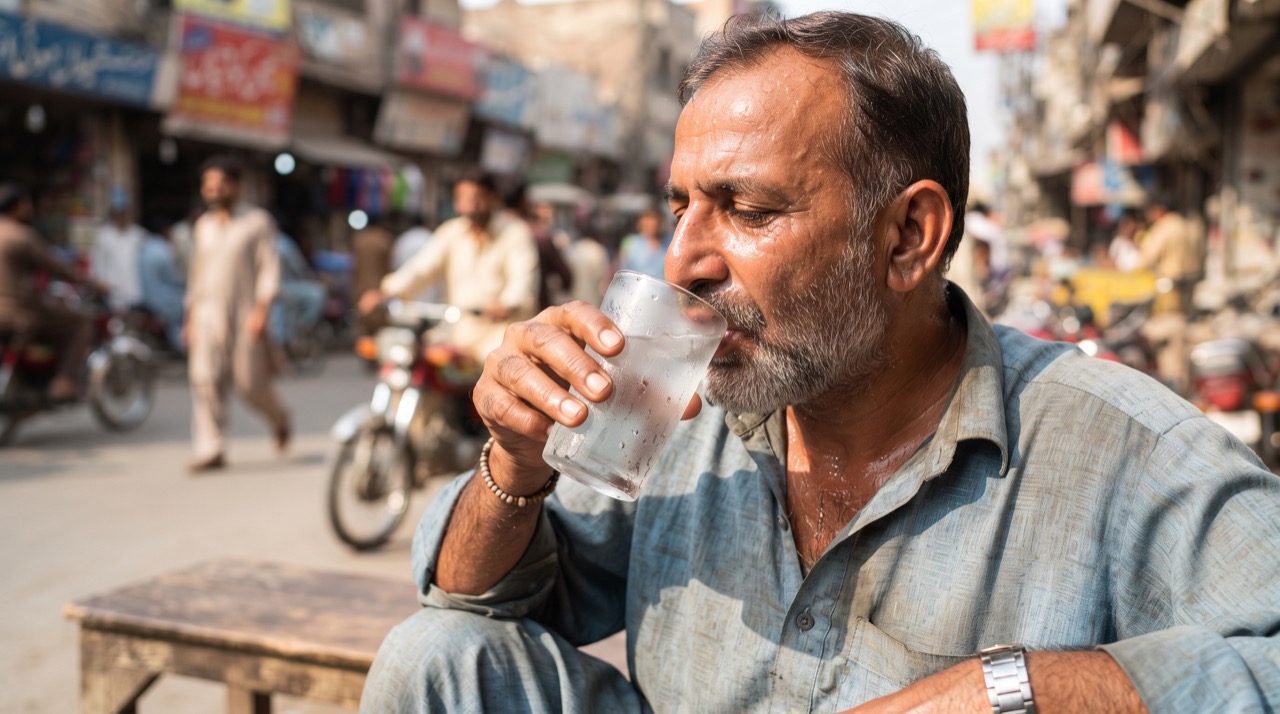
Kidneys need adequate fluid to flush out waste products, urea, and excess salts. When you are chronically under-hydrated—which is extremely common during Karachi or Lahore summers, or during long fasting hours in Ramzan—your urine becomes concentrated, waste sits longer in the kidneys, and the risk of kidney stones and urinary tract infections rises sharply.
- Aim for pale, straw-coloured urine as your daily marker—dark yellow or amber urine usually means you need more water.
- Spread water intake across the day rather than gulping large amounts at once; the kidneys handle steady intake better than sudden overload.
- In hot weather or with outdoor labour, increase intake and add oral rehydration solutions (ORS) or a pinch of salt and lemon in water to replace lost electrolytes—plain water alone is not always enough after heavy sweating.
- During Ramzan, drink generously between iftar and sehri instead of only at the very end of the fast, and reduce salty fried foods at iftar since they increase thirst and fluid loss.
- Cut back on excessive tea, coffee, and sugary soft drinks, which mildly dehydrate and add unnecessary strain, especially in people who already have borderline kidney function.
The Painkiller Habit That Quietly Damages Kidneys
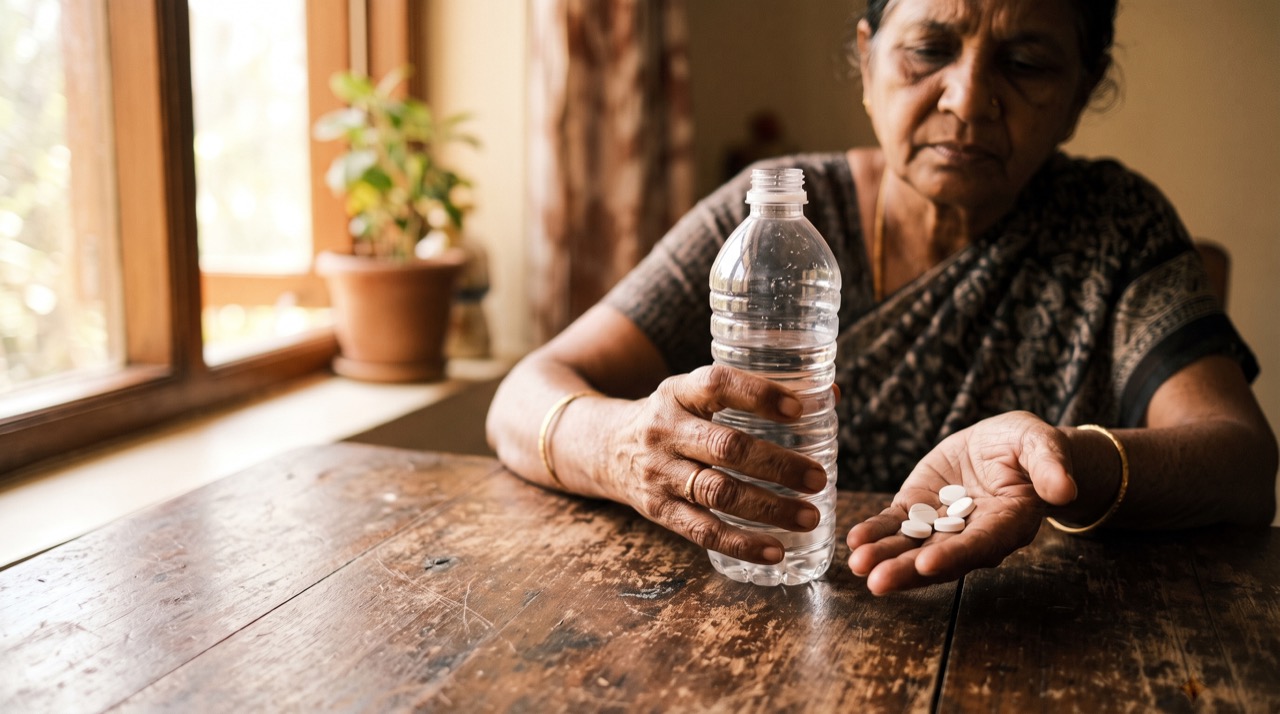
One of the most under-discussed risks to kidney health in Pakistan is the casual, self-prescribed use of NSAID painkillers—diclofenac, ibuprofen, mefenamic acid, and similar tablets bought without a doctor's advice for headaches, body aches, period pain, or fever. Used occasionally and correctly, these medicines are safe for most healthy people. The danger is in the pattern: taking them daily or near-daily for weeks, combining multiple painkillers, or using them while dehydrated, which is a common combination during hot weather or fasting.
- NSAIDs reduce blood flow to the kidneys by blocking certain prostaglandins; in a dehydrated or already-stressed kidney, this can tip the balance toward injury.
- People with diabetes, high blood pressure, or existing kidney disease are at much higher risk from even short courses of NSAIDs.
- Chronic, low-grade pain (frequent headaches, joint pain, back pain) should be evaluated by a doctor rather than self-managed indefinitely with tablets from the local pharmacy.
- Paracetamol, in recommended doses, is generally gentler on the kidneys than NSAIDs and is often the safer first choice for occasional fever or mild pain—but it is not risk-free at high doses either.
- Never combine multiple pain relievers at once, and avoid painkillers on an empty stomach or during periods of poor fluid intake.
The kidneys rarely complain until the damage is advanced—by the time swelling, fatigue, or reduced urine output appear, a significant portion of function may already be lost.
Other Everyday Habits That Protect Kidney Function
- Get blood pressure and blood sugar checked at least once a year, since uncontrolled diabetes and hypertension are the leading causes of chronic kidney disease in Pakistan.
- Reduce added salt in cooking and avoid excessive processed or fast food, which is heavy in sodium and phosphates.
- Do not casually take unregulated herbal "detox" powders or unknown supplements marketed as kidney or joint cures—several contain hidden NSAIDs, steroids, or heavy metals.
- If you must take a painkiller for more than two or three days, consult a doctor rather than repeating the same dose on your own judgment.
For further reading on kidney-friendly habits, the National Kidney Foundation and the NHS guidance on NSAID use are reliable, doctor-reviewed resources worth bookmarking.
Roman Urdu
Gurday khamoshi se kaam karte hain—din mein sainkron litre khoon saaf karte hain, lekin jab tak koi bari takleef na ho, hume unki tabiyat ka andaza hi nahi hota. Isi liye rozana ki chhoti aadatein bahut zaroori hain, khaas taur par Pakistan jaise garam mulk mein jahan sugar aur blood pressure aam hain aur painkillers medical store se bina prescription ke aasani se mil jati hain.
Pani Piyen — Sahi Tareeqe Se
Peshab ka rang halka pila hona chahiye—agar ghara ya zard rang ho to samjhein jism ko zyada pani chahiye. Din bhar thoda thoda pani piyen, ek dam ziyada na piyen. Garmi mein ya mazdoori karne walon ko ORS ya namak-lemon wala pani lena chahiye taake namkiyat bhi wapas aaye. Ramzan mein iftar se sehri tak zyada pani piyen, aur iftar mein talay hue, namkeen khane se parhez karein kyunke ye pyaas aur pani ki kami barhate hain. Chai, coffee aur cold drinks kam karein, khaas taur par un logon ke liye jinke gurday pehle se kamzor hain.
Khud Se Painkiller Lena Khatarnak Kyun Hai
Diclofenac, ibuprofen, ya mefenamic acid jaisi tablets sar dard, jism dard, ya bukhar ke liye bina doctor se pooche roz lena aam baat ban chuki hai. Kabhi kabhar lena zyada nuksaan nahi karta, lekin roz ya hafton tak lena gurdon ko nuksaan pohncha sakta hai—khaas taur par jab jism dehydrate ho, jo garmi ya roze mein aam hota hai. Sugar, blood pressure, ya pehle se gurday ki bimari walon ke liye ye khatra aur bhi zyada hai. Baar baar dard ho to doctor se check karwayein, sirf medical store se tablet le kar mahine tak na chalayein. Paracetamol aam taur par NSAIDs se zyada mehfooz hoti hai lekin usko bhi zyada matra mein lena theek nahi. Kabhi bhi ek se zyada painkiller ikathi na len, aur khali pait ya kam pani ke waqt medicine lene se parhez karein.
Gurday jab tak bahut nuksaan na ho jaye, koi shikayat nahi karte—jab sujan, thakan ya peshab kam aana shuru ho, tab tak kaafi nuksaan ho chuka hota hai.
Baqi Zaroori Aadatein
- Saal mein kam az kam ek baar sugar aur blood pressure check karwayein.
- Khane mein namak kam karein aur fast food se parhez karein.
- Anjaan herbal "detox" powders ya supplements na len—inmein chupi hui NSAIDs ya steroids ho sakti hain.
- Painkiller do teen din se zyada chal rahi ho to doctor se zaroor milein.