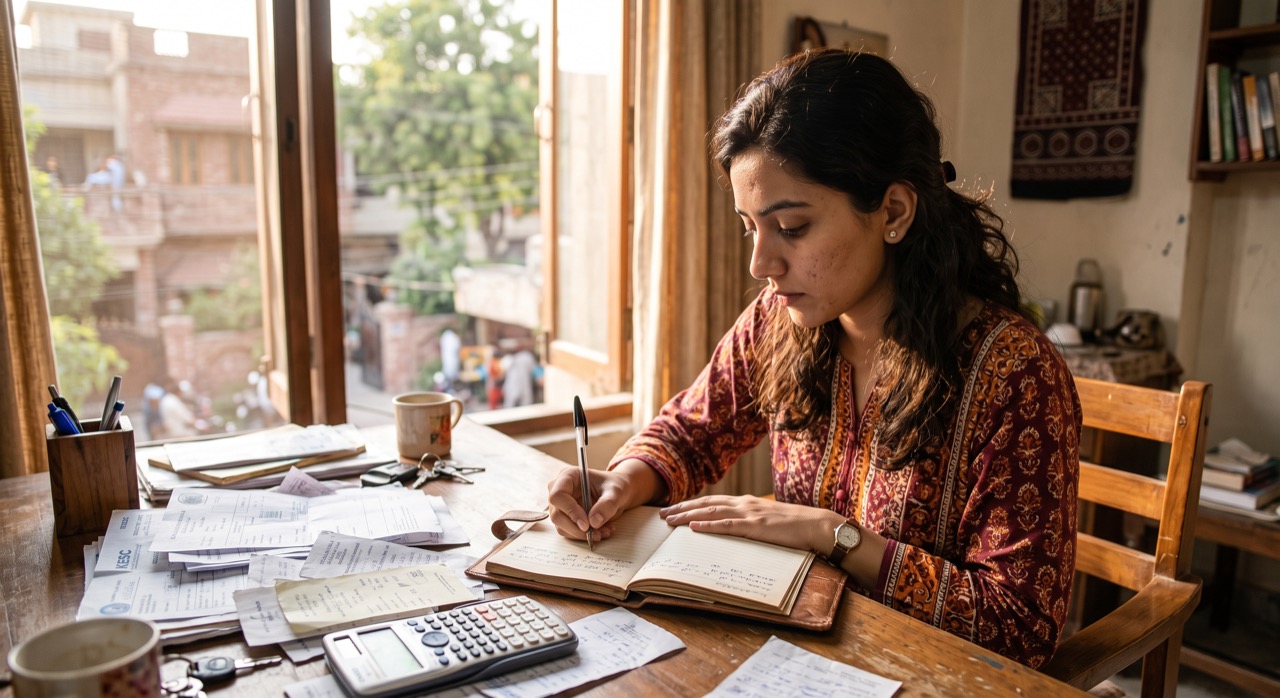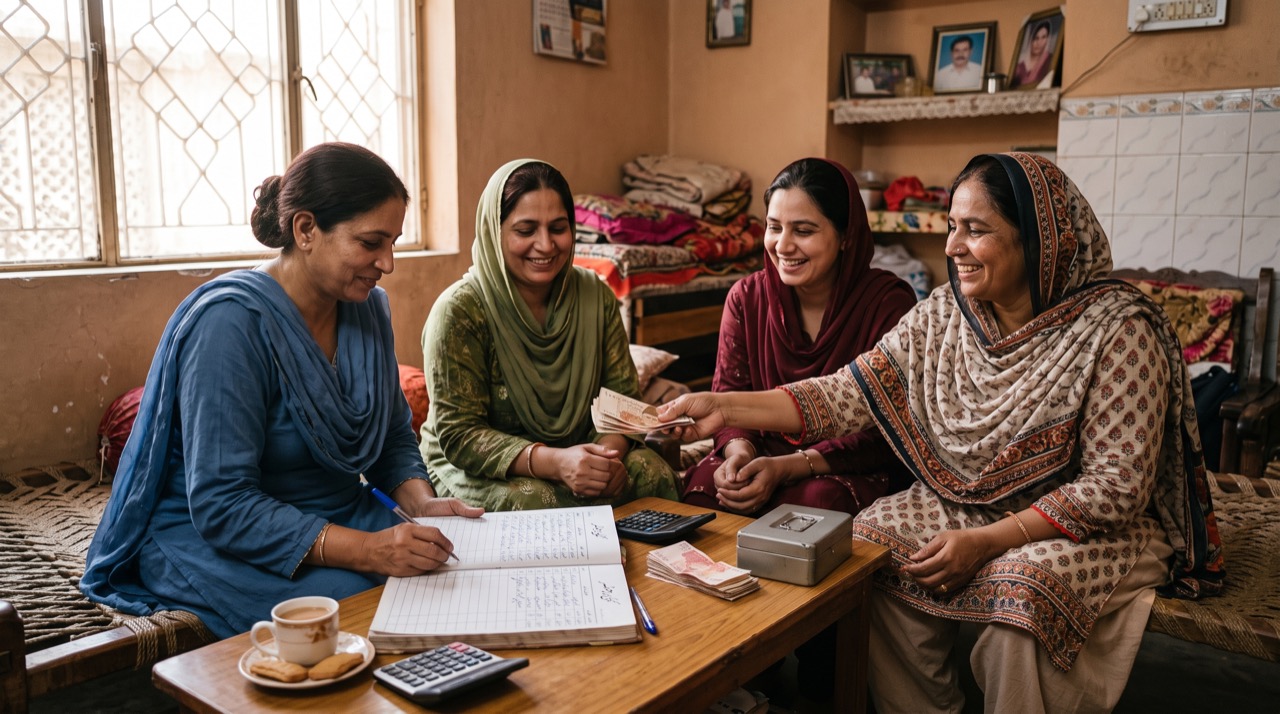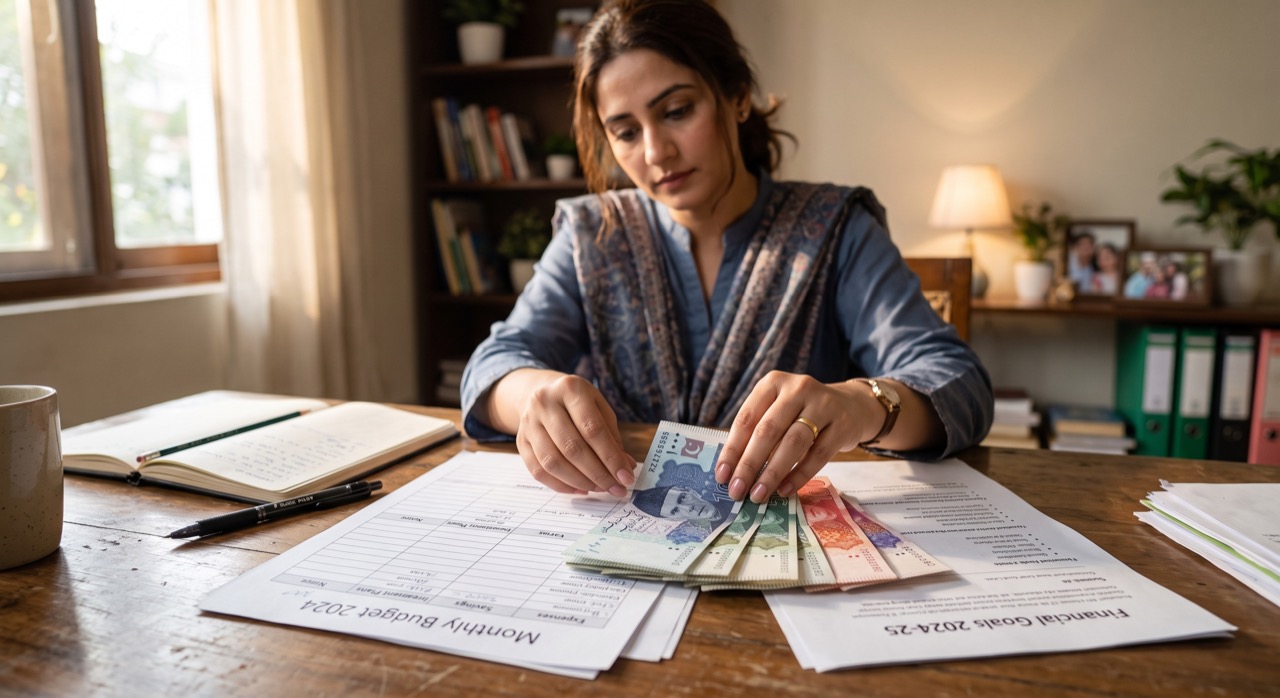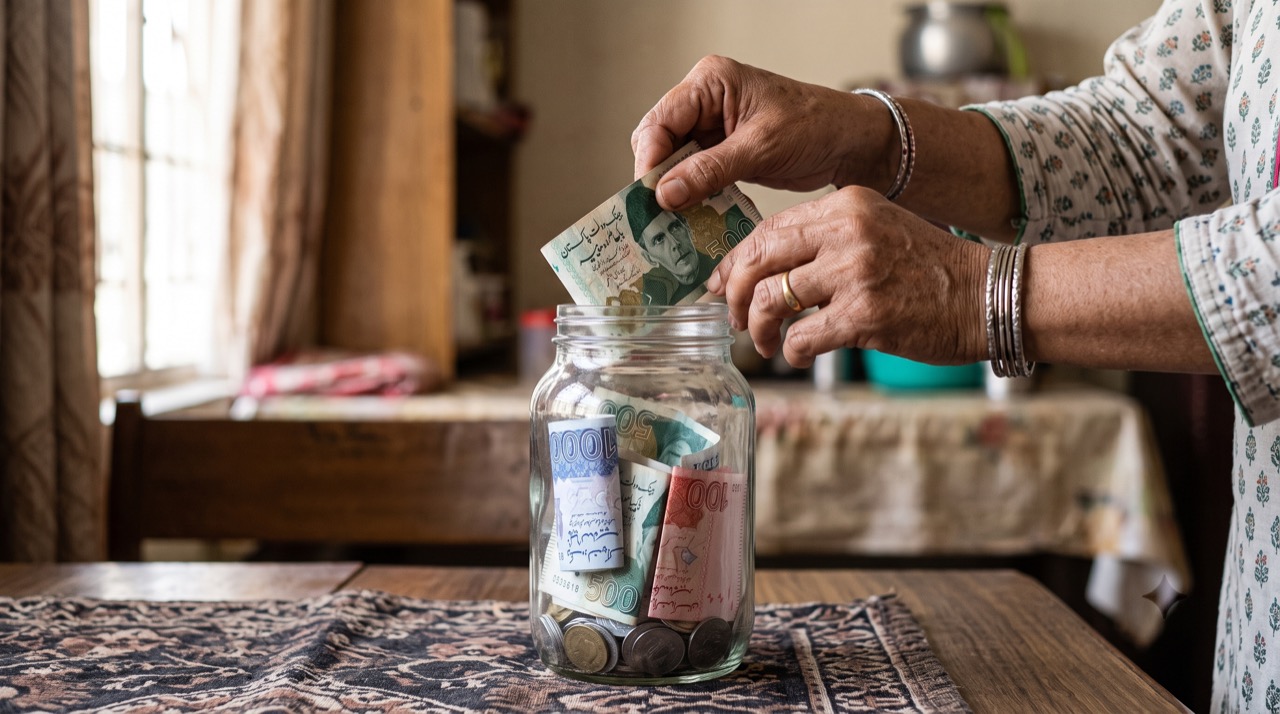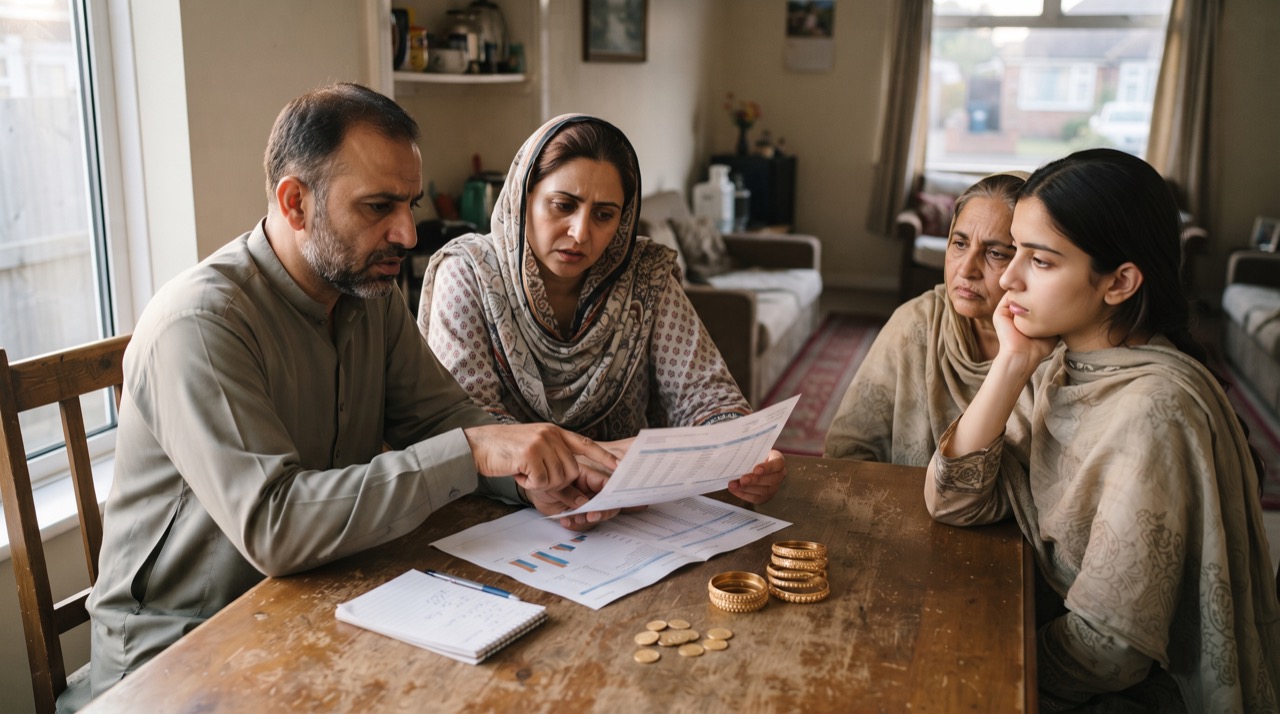
When inflation runs high, the number in your bank account can stay exactly the same while what it can actually buy shrinks month after month. In Pakistan, where price swings in food, fuel, and utilities hit household budgets hard and fast, saving money isn't enough on its own — you have to actively protect the value of what you save. The good news is that this doesn't require complicated trading or large capital. It requires a few deliberate decisions, repeated consistently.
Understand What Inflation Is Really Doing to Your Rupee
Inflation isn't just things costing more, it's a silent tax on cash that sits still. If your savings account pays 5-8% profit while inflation runs higher, you are losing real purchasing power even as your balance grows on paper. The first step is simply tracking this gap instead of ignoring it. Check your bank's declared profit rate against recent inflation figures reported by the State Bank of Pakistan and the Pakistan Bureau of Statistics, and treat any account paying meaningfully below that rate as a leak, not a safe harbor.
- Review your savings account's profit rate at least twice a year, banks change them, and yours may quietly fall behind.
- Keep only 1-2 months of expenses in a low-yield everyday account; move the rest to something that actually pays a competitive rate.
- Watch the State Bank of Pakistan's policy rate announcements, they directly influence what banks and savings schemes offer.
Move Idle Cash Into Inflation-Beating Instruments
Cash sitting in a wallet or a zero-profit current account is the worst place for it during high inflation. Pakistan has several accessible, low-risk options worth comparing rather than defaulting to whichever bank branch is nearest.
- National Savings Schemes: Regular Income, Sarwa Islamic, and Defence Savings Certificates from Central Directorate of National Savings often offer government-backed rates that are competitive with bank deposits, with special higher rates for senior citizens and widows under Behbood certificates.
- Treasury bills and government securities: available through many banks, these track the policy rate closely and are among the safest short-term options.
- Islamic and conventional mutual funds: money market and income funds are more liquid than certificates and generally beat standard savings accounts over time.
- Gold in modest amounts: a traditional hedge for Pakistani households, but buy gradually rather than in one lump sum after a price spike, since gold can also correct sharply.
Diversify Instead of Betting on One Asset
No single instrument protects you in every scenario, property can be illiquid when you need cash urgently, gold prices swing with global markets, and even government certificates carry early-encashment penalties. Spreading savings across two or three vehicles with different risk and liquidity profiles is far safer than concentrating everything in one, even if that one seems attractive right now.
A rupee protected today is worth more than a rupee you hope to earn back tomorrow, inflation rewards patience and discipline, not guesswork.
Everyday Habits That Preserve Value
- Budget in categories that inflate fastest (food, transport, utilities) and revisit the budget monthly, not yearly.
- Pay down high-interest credit or BNPL balances first, no savings instrument reliably outpaces the interest cost of unpaid debt.
- Buy durable household essentials in reasonable bulk when prices dip, rather than reactively after they spike.
- Avoid large idle balances in mobile wallets that pay no profit; sweep extra funds into an interest-bearing account regularly.
- Reassess your plan every time the SBP changes the policy rate, your savings strategy should move with it, not stay frozen.
Roman Urdu
Jab inflation (mehngai) zyada ho, to bank balance wahi rehta hai magar uski asal value ghatti jati hai. Isliye sirf paisay bachana kaafi nahi, unki purchasing power ko protect karna bhi zaroori hai.
Samjhein Ke Mehngai Kya Kar Rahi Hai
Agar aapka savings account 5-8% profit deta hai lekin inflation usse zyada hai, to aap asal mein paisay kho rahe hain chahe balance barh raha ho. Har 6 mahine mein apne bank ka profit rate State Bank of Pakistan ke policy rate se compare karein. Sirf 1-2 mahine ke kharch jitna paisa low-yield account mein rakhein, baqi behtar rate wali jaga move karein.
Idle Cash Ko Inflation-Beating Options Mein Dalen
Wallet ya zero-profit account mein pare hue paise sabse zyada nuksan dete hain. National Savings ke Regular Income ya Defence Savings Certificates, treasury bills, aur money-market mutual funds achay options hain, inki rates aam tor par bank deposits se better hoti hain. Gold bhi ek traditional hedge hai lekin thora thora khareedein, ek dam bulk mein nahi, khaaskar price spike ke baad.
Diversify Karein, Sab Kuch Aik Jaga Na Dalen
Koi bhi ek instrument har situation mein protect nahi karta, property jaldi bech nahi sakte, gold ka rate upar-neeche hota hai, aur certificates mein early withdrawal par penalty lagti hai. Do ya teen alag options mein paisa baant dena zyada mehfooz hai.
Aaj protect kiya hua rupya, kal kamane ki ummeed se zyada qeemti hota hai.
Rozmarra Ki Aadatain Jo Value Bachati Hain
- Khane, transport aur utilities ka budget har mahine dobara check karein.
- High-interest credit ya BNPL ka qarza pehle utaarein, koi bhi saving scheme is cost ko match nahi karti.
- Zaroori cheezein price kam hone par reasonable maqdar mein khareedein.
- Mobile wallets mein zyada balance na rakhein jahan profit nahi milta, extra paisa interest-bearing account mein bhejein.
- Jab SBP policy rate badle, apni saving strategy ko bhi update karein.