Typhoid fever shows up every single summer in Pakistani hospitals and clinics, and most people treat it as an unavoidable seasonal nuisance — something that "just happens" when the weather gets hot. It doesn't have to. Typhoid is caused by Salmonella typhi bacteria spreading through contaminated food and water, which means it is almost entirely preventable with a handful of habits that cost nothing and take seconds. This isn't about avoiding street food forever or living in fear of every meal outside your home — it's about knowing exactly which risks matter and fixing those specifically.
Eating Out Without Rolling the Dice
Karachi, Lahore, and most other Pakistani cities have thriving street food and restaurant cultures, and there's no need to give that up. The risk isn't the food itself — it's how it was handled before it reached your plate. A few rules make a real difference:
- Choose food that is cooked and served hot, in front of you. Bacteria die at cooking temperature but can multiply again if food sits out for hours, especially in warm weather.
- Be cautious with raw salads, chutneys, and garnishes at roadside stalls — these are often washed in water of uncertain quality and are a leading source of outbreaks.
- Skip pre-cut fruit sold in the open, especially melons and guavas cut with unwashed knives and left exposed to flies and dust.
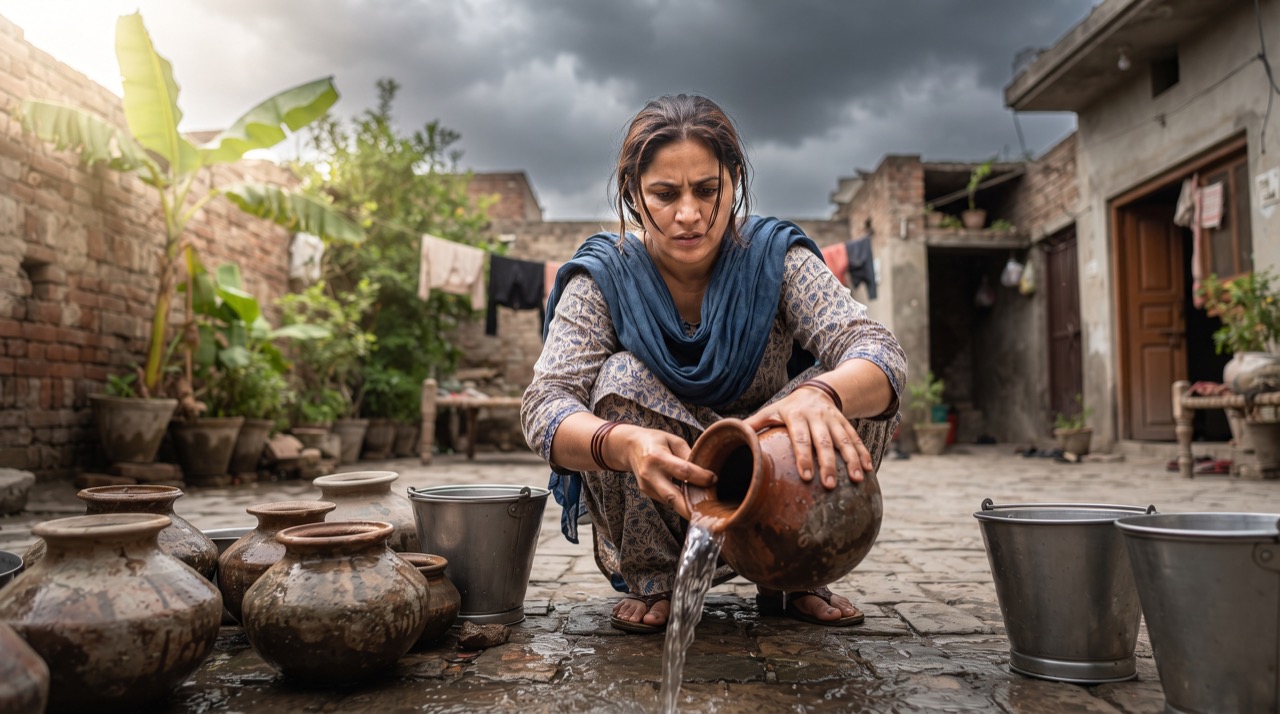
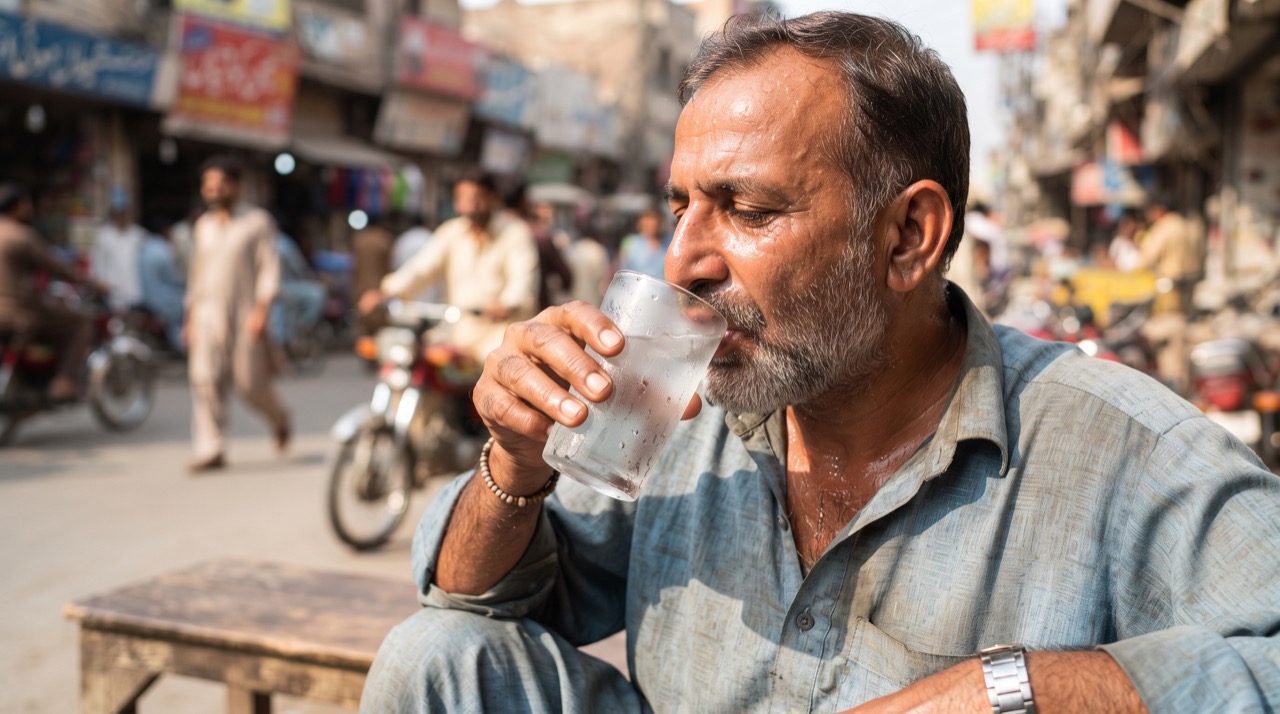
- Drink bottled, boiled, or properly filtered water only. Ask for water without ice at stalls, since ice is frequently made from unfiltered tap water.
- Pick vendors with visible turnover and cleanliness — a stall that's busy and cycles through fresh stock is generally safer than one with food sitting under a cloth for hours.
None of this means becoming paranoid about every dhaba meal. It means applying quick judgment: hot, fresh, high-turnover, and clean water wins every time.
Handwashing: The Habit That Actually Stops Transmission
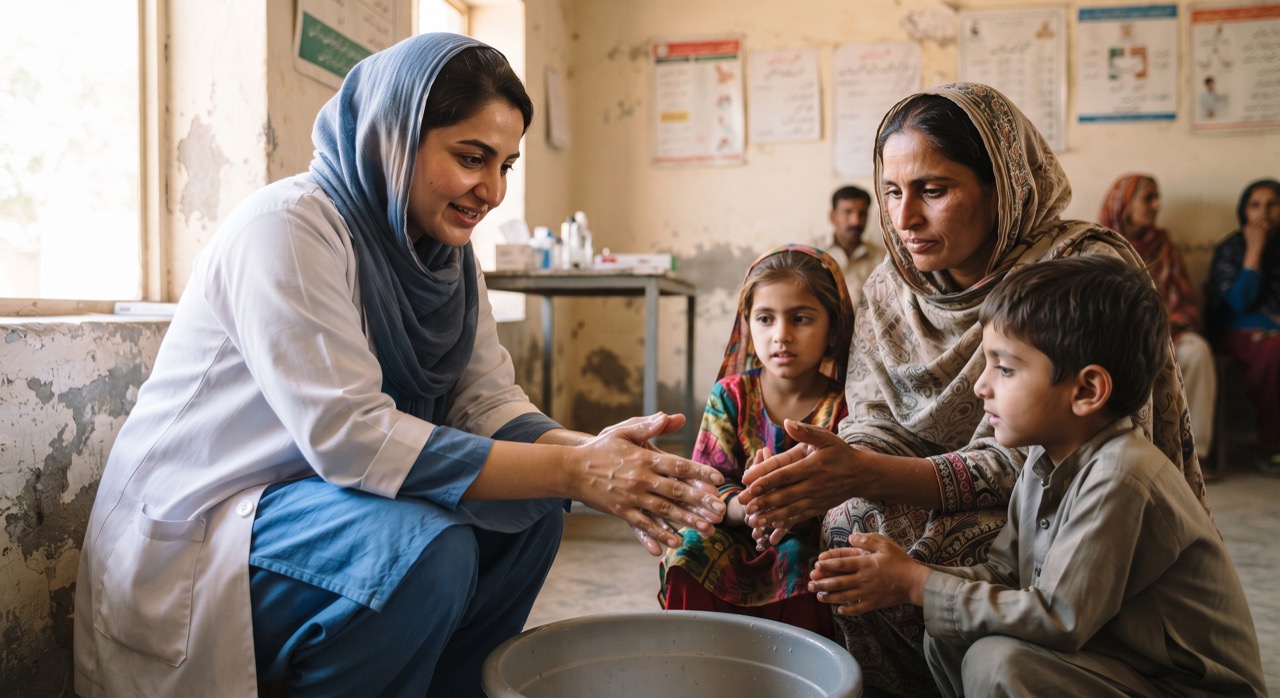
Typhoid spreads through the fecal-oral route — meaning it travels from unwashed hands to food, water, or directly into the mouth. This is why handwashing is arguably more protective than any single food choice.
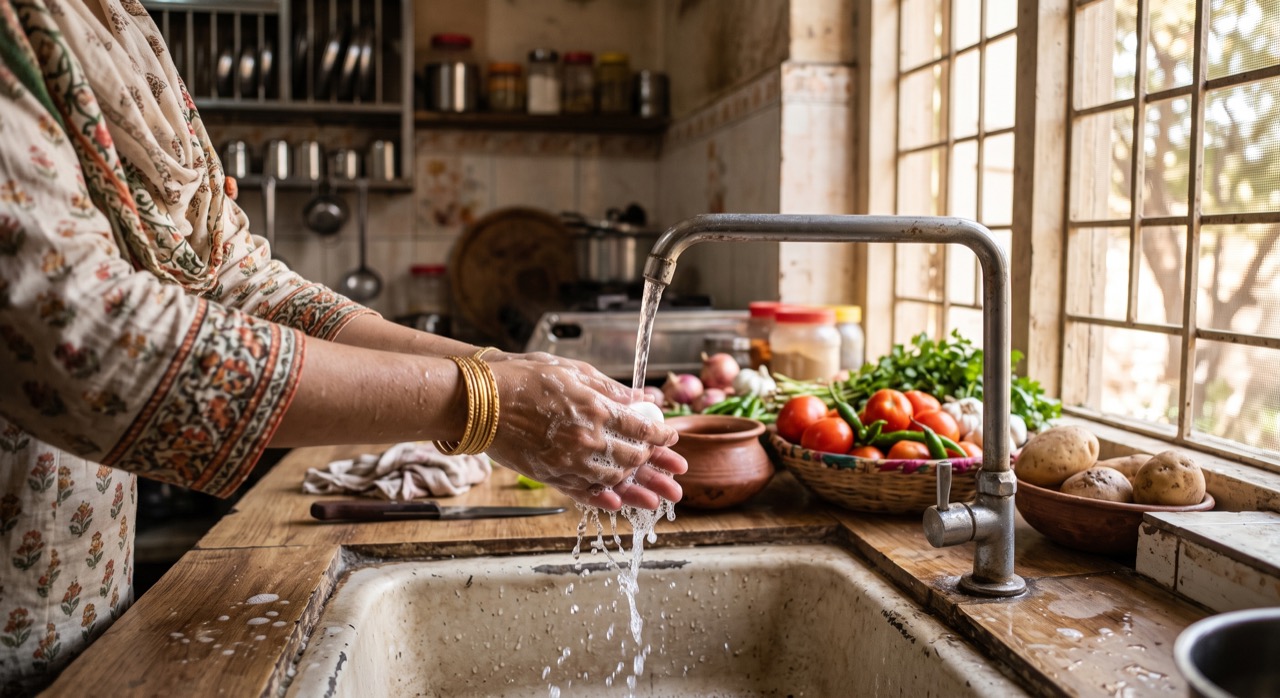
- Wash hands with soap for at least 20 seconds before eating and before preparing food — not just a quick rinse under the tap.
- Always wash after using the toilet, even at home, and especially in public places.
- Teach children this habit explicitly; they are frequent carriers who then infect the whole household.
- If soap and water aren't available, an alcohol-based hand sanitizer is a reasonable backup, though it's less effective against some pathogens than proper washing.
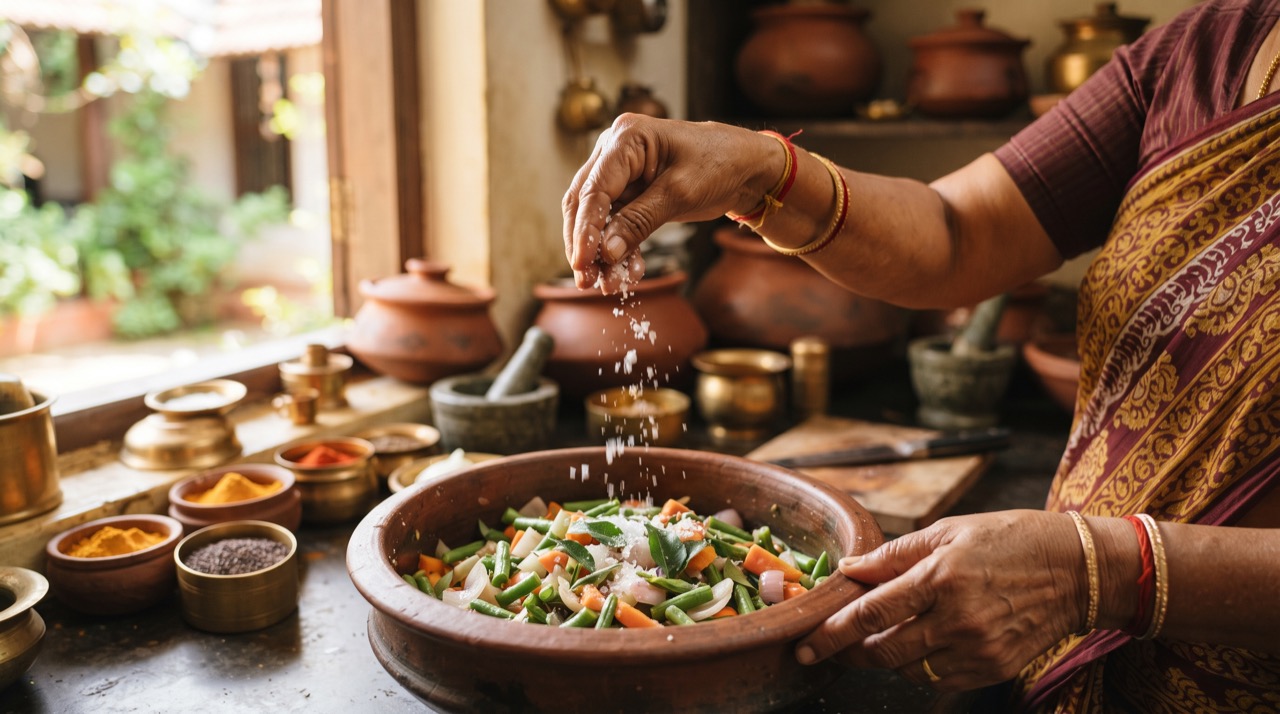
- Domestic staff who cook or handle food in the household should follow the same standard — this is a common, overlooked transmission point.
Vaccination: A Simple, Underused Layer of Protection
Pakistan has among the highest burdens of drug-resistant typhoid in the world, including extensively drug-resistant (XDR) strains first identified in Sindh that no longer respond to several standard antibiotics. This makes prevention far more important than treatment. The Typhoid Conjugate Vaccine (TCV) is included in Pakistan's routine immunization schedule for children and is also available for adults at private clinics and through provincial health department campaigns. According to the World Health Organization, TCV offers longer-lasting protection than older typhoid vaccines and is recommended in countries with high typhoid burden, including Pakistan. If you haven't had it, or aren't sure your children have, it's worth checking with a nearby government vaccination centre or the National Institutes of Health, Pakistan.
Prevention isn't about fear — it's about a few seconds of handwashing and a few smart choices at the food stall being worth more than a week in the hospital on IV antibiotics.
When to See a Doctor
- Persistent fever above 101°F lasting more than two to three days, especially if it worsens in the evening.
- Fever combined with stomach pain, weakness, headache, or loss of appetite.
- Do not self-medicate with leftover antibiotics — resistant typhoid strains in Pakistan require lab-confirmed diagnosis (blood culture) and doctor-guided treatment.
Roman Urdu
Typhoid Pakistan mein har garmi mein aam hota hai, lekin yeh asaani se rok'a ja sakta hai. Yeh bimari ganda pani ya khana khane se failti hai, is liye chand aasan aadaton se bacha ja sakta hai.
Bahar khana khate waqt in baaton ka khayal rakhein: hamesha garam aur taaza pakka hua khana khayein jo aap ke saamne banaya ja raha ho. Khule mein rakhi salad, chutney, aur kate hue phal (jaise tarbooz ya amrood) se bachein kyunki inhein aksar sadha pani se dhoya jata hai aur makhiyaan bhi lag jaati hain. Sirf boiled, filtered ya bottled pani piyein — bahar ki barf se parhez karein kyunki woh aksar nal ke pani se banti hai. Jis dukaan par grahak zyada hon aur cheezein jaldi khatam ho rahi hon, woh zyada mehfooz hoti hai. Haath dhona sab se zyada zaroori hai. Khana khane se pehle aur khana banane se pehle kam az kam 20 second tak sabun se haath dhoyein — sirf pani se nahi. Washroom jaane ke baad bhi yehi karein, chahe ghar par ho ya bahar. Bachon ko yeh aadat sikhayein kyunki woh aksar bimari ghar mein le aate hain. Ghar mein khana pakane wale mulazim bhi isi standard ko follow karein. Pakistan mein typhoid ki drug-resistant qisamein (XDR) bhi paayi gayi hain jo aam antibiotics se theek nahi hoti, is liye vaccine lagwana bohot ahem hai. Typhoid Conjugate Vaccine (TCV) bachon ke routine immunization schedule mein shamil hai aur baalighon ke liye bhi private clinics aur government centers par mojood hai. Apne qareeb ke vaccination centre ya National Institutes of Health Pakistan se maloomat lein. Agar bukhar 2-3 din se zyada rahe, pait dard ya kamzori ke saath ho, to foran doctor se milein aur khud se purani antibiotics na lein — sahi ilaj ke liye blood culture test zaroori hai.