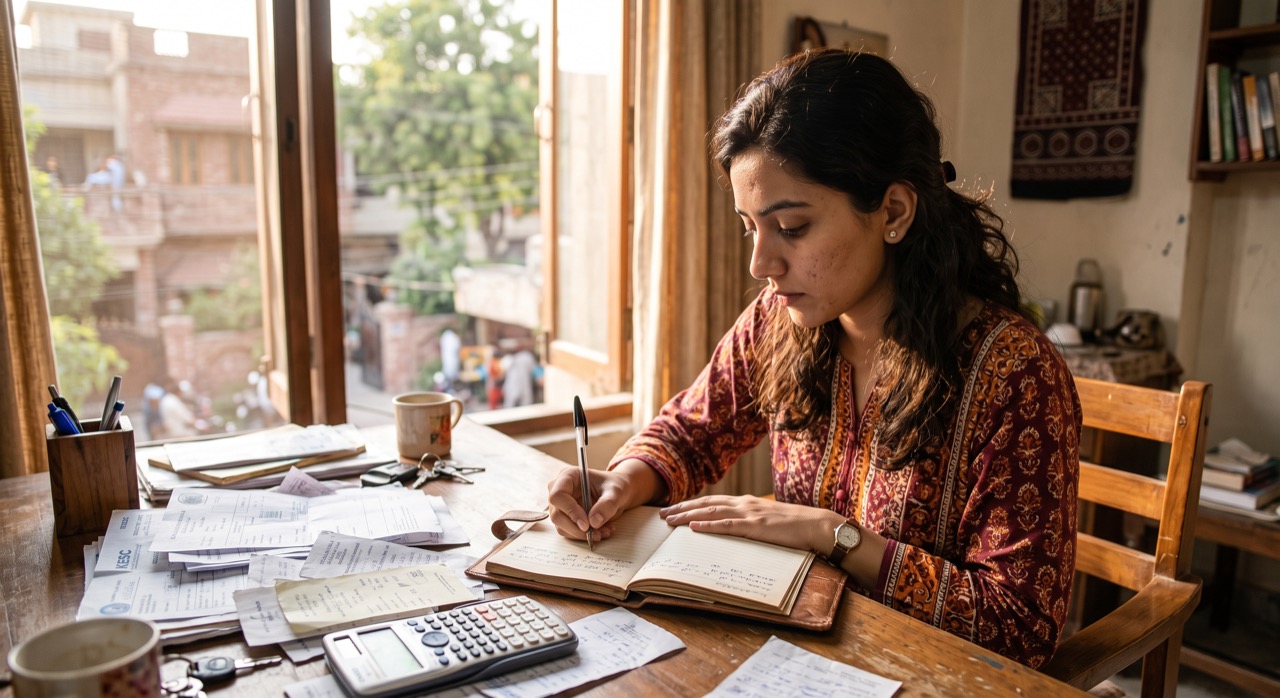
Fatty liver disease — where excess fat builds up inside liver cells — has quietly become one of the most common health problems in Pakistan, affecting a large share of adults in cities like Karachi, Lahore and Islamabad. Much of this is "non-alcoholic fatty liver disease" (NAFLD, now often called MASLD — metabolic dysfunction-associated steatotic liver disease), driven not by alcohol but by sugary drinks, refined carbs, sedentary routines and rising rates of diabetes and obesity. The good news: unlike many chronic conditions, fatty liver is often reversible in its early stages. The liver regenerates well when given the right conditions. Here is what actually works.
Why the Pakistani Diet Is a Risk Factor
Traditional Pakistani meals aren't inherently unhealthy, but modern additions have tipped the balance: sugary tea consumed multiple times a day, bottled soft drinks and energy drinks, deep-fried snacks (pakoray, samosay), white naan and rice in large portions, and desserts loaded with sugar and ghee. Combined with low physical activity, this creates the perfect storm for fat to accumulate in the liver.
- Excess fructose (from sugary drinks and sweets) is converted directly into fat by the liver — more than any other type of calorie.
- Refined white flour (maida) and white rice spike blood sugar, triggering fat storage.
- Trans fats and reused cooking oil (common in street food) increase liver inflammation.
- Low fibre intake slows down the gut's ability to clear excess fat and toxins.
Diet Changes That Genuinely Help
Several well-studied approaches consistently show improvement in liver fat and liver enzyme levels:
- Cut sugary drinks first. This is the single highest-impact change. Replace cola, energy drinks and packaged juices with water, lemon water, or plain doodh patti in moderation.
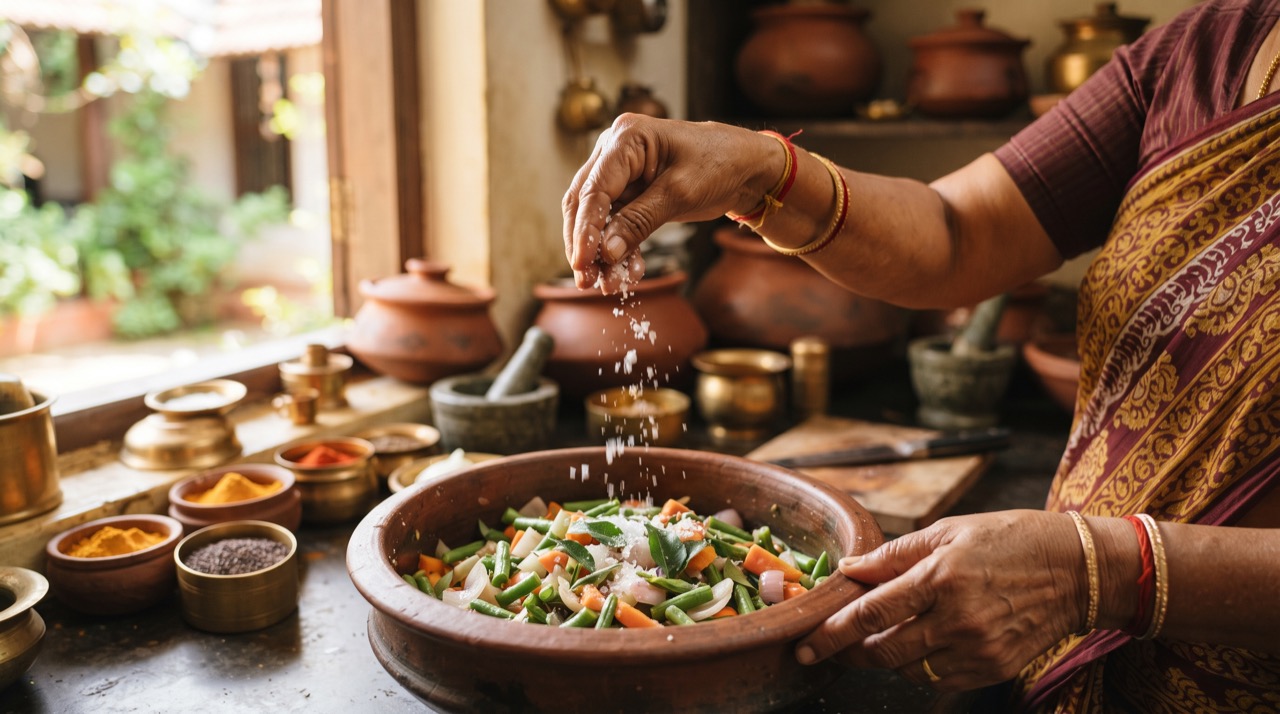
- Choose whole grains. Swap white rice and maida roti for brown rice, whole wheat atta, oats and daliya where possible.
- Increase fibre and vegetables. Saag, karela, lauki, salads and lentils (daal) support gut health and help regulate fat absorption.
- Favour healthy fats. Use olive oil or mustard oil in moderation instead of repeatedly reused frying oil; add walnuts and flaxseeds.
- Limit fried and processed food. Restrict pakoray, samosay, and bakery items to occasional treats rather than daily habits.
- Green tea and coffee (in moderation) have been associated with lower liver fat in several studies.
Weight Loss: The Most Powerful Reversal Tool
Research consistently shows that losing even 7-10% of body weight can significantly reduce liver fat, and in many cases normalise liver enzyme tests. Crash diets are not the answer — they can actually stress the liver further. A steady, sustainable approach works best:
- Aim for gradual weight loss of roughly 0.5 kg per week through diet and movement combined.
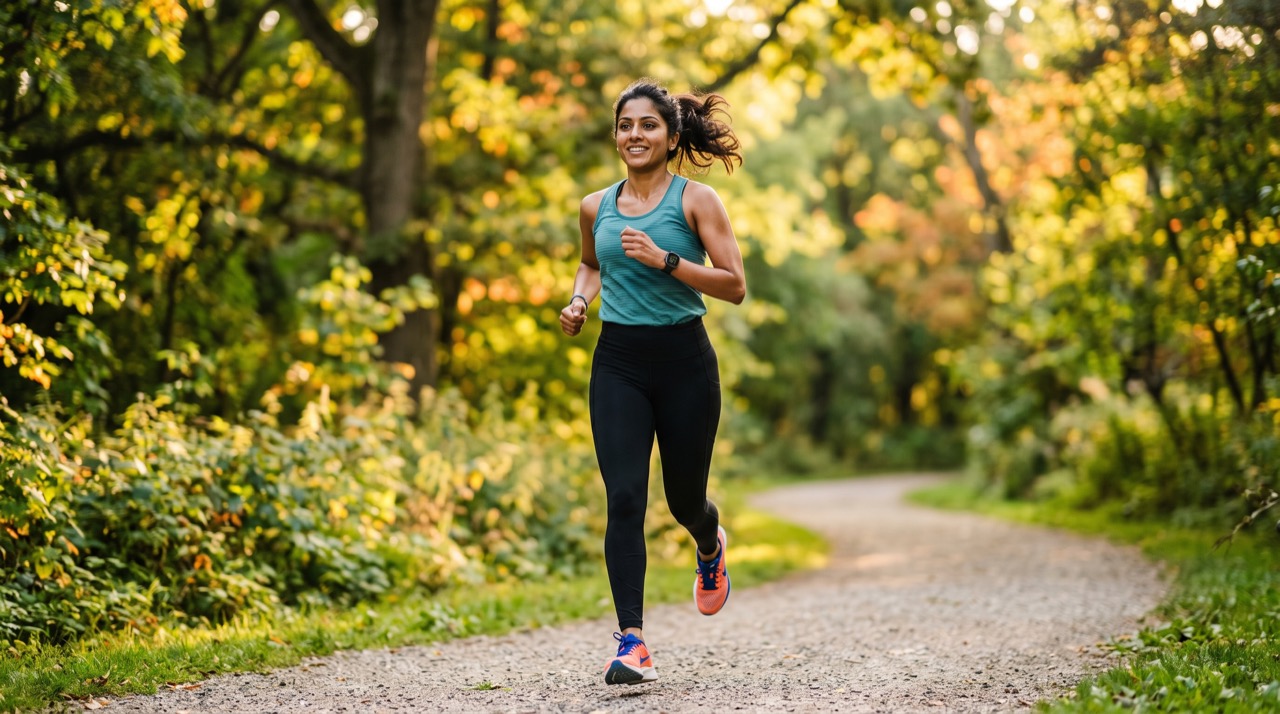
- Walk briskly for 30-45 minutes, 5 days a week — this alone reduces liver fat even without major weight change.
- Add light resistance exercise (bodyweight squats, resistance bands) twice a week to improve insulin sensitivity, which directly affects how the liver stores fat.
- Avoid skipping meals then overeating at iftar-style large meals — this pattern spikes insulin and worsens fat storage.
A liver specialist's simple rule of thumb: if you can cut sugary drinks and walk daily for three months, you will likely see measurable improvement on your next ultrasound or liver function test.
When to See a Doctor
Fatty liver often has no symptoms until it's advanced, which is why routine checkups matter, especially if you have diabetes, high cholesterol, or a family history of liver disease. A simple ultrasound and liver function test (LFTs) can catch it early. For general guidance on liver health and related conditions, resources like the World Health Organization fact sheets and the NHS guide to fatty liver disease offer reliable, doctor-reviewed information. Always consult a qualified physician before making major dietary or exercise changes, particularly if you already have diabetes or heart conditions.
Roman Urdu
Fatty liver Pakistan mein aik aam masla ban chuka hai, khas taur par shehron mein jahan log sugary drinks, fried khana aur bethi hui lifestyle ke aadi hain. Achi khabar ye hai ke shuruati stage mein ye bimari reverse ho sakti hai — agar aap sahi aadatein apna lein to liver khud ko theek kar sakta hai.
Sabse pehli aur sabse zaroori tabdeeli ye hai ke sugary drinks — cola, energy drinks, packaged juices — ko fori taur par kam ya band kar dein. In mein maujood fructose seedha liver mein fat ban jata hai. Iski jagah paani, lemon water ya halki chai istemal karein.
Khane mein safed maida aur chawal ki jagah brown rice, gehun ka atta, daliya aur oats shamil karein. Sabzi aur saag jaise karela, lauki, aur daal ka istemal barhayein kyunke fibre liver ki madad karta hai. Fried cheezein jaise pakoray aur samosay hafte mein sirf kabhi kabhar khayein, roz nahi. Khana pakane ke liye olive ya sarson ka tail istemal karein aur baar baar istemal hone wale tail se parhez karein.
Wazan kam karna liver ke liye sabse mufeed cheez hai — sirf 7 se 10 percent wazan kam karne se liver ka fat kaafi had tak kam ho sakta hai. Roz 30-45 minute tez chalna aur hafte mein do baar halki exercise karna liver ki health ke liye behtareen hai. Khana skip karke phir bhar pet khana khane se parhez karein, ye aadat insulin ko barha kar fat storage barhati hai.
Agar aapko diabetes, high cholesterol ya family mein liver ki bimari ki history hai, to regular checkup zaroor karwayein — ultrasound aur liver function test (LFTs) se ye masla waqt par pakra ja sakta hai. Koi bhi bara dietary ya exercise tabdeeli karne se pehle qualified doctor se mashwara zaroor karein.