The weeks after childbirth — often called the "fourth trimester" — are just as important for a mother's health as the pregnancy itself. Yet in many Pakistani households, all attention shifts to the newborn while the mother's own recovery is quietly overlooked. Understanding what your body needs to heal, and knowing the warning signs that something is wrong, can make the difference between a smooth recovery and months of unnecessary suffering.
Rest: Why the First Six Weeks Matter
Doctors generally advise a minimum of 40 days (chilla) of reduced activity, and this traditional practice has real medical backing. Your uterus takes about six weeks to shrink back to its normal size, and your body is repairing tissue, replacing blood volume, and adjusting hormones all at once.
- Sleep when the baby sleeps. Fragmented sleep is unavoidable, but even short naps reduce the physical and emotional toll of exhaustion.
- Avoid heavy lifting (anything heavier than your baby) for at least 2-3 weeks, longer after a C-section.
- Accept help. Let family members handle cooking, cleaning, and older children so you can focus on healing and feeding.
- Delay strenuous exercise until your doctor clears you at the 6-week check-up, though gentle walking after the first week is usually fine and helps circulation.
Nutrition for Healing and Breastfeeding
Postpartum nutrition needs to support tissue repair, replace iron lost during delivery, and fuel milk production if you are breastfeeding.
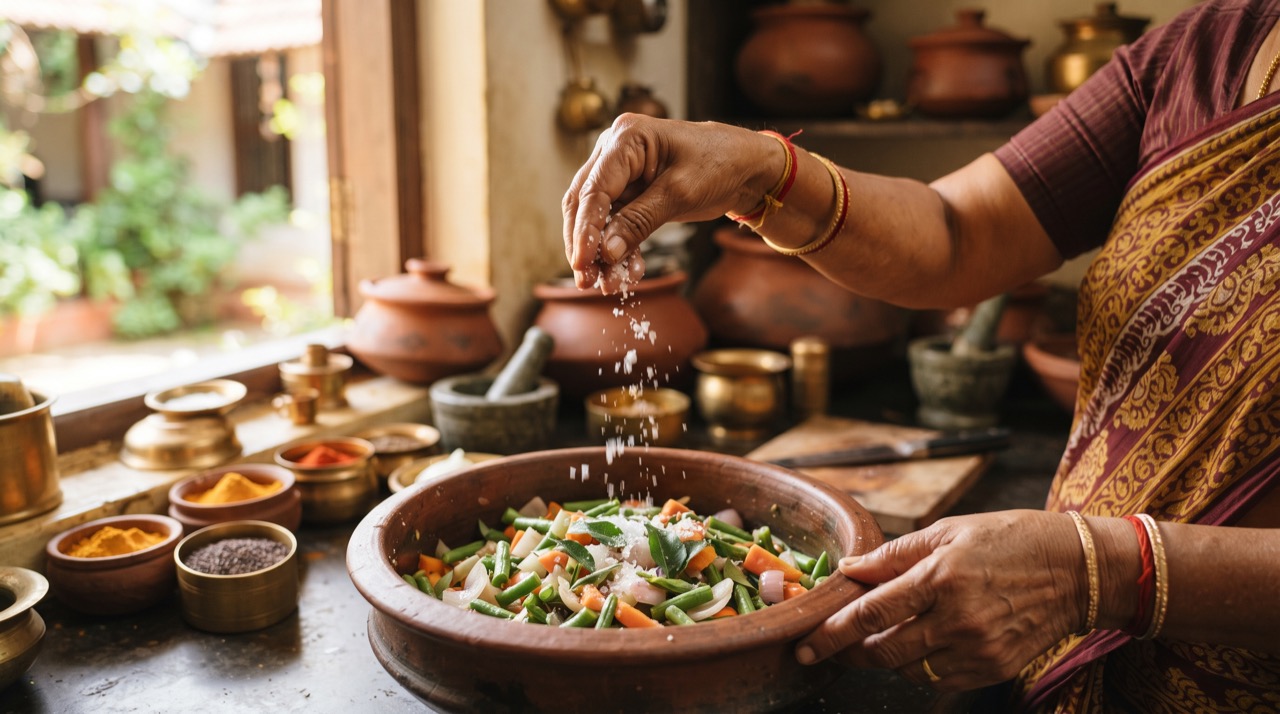
- Iron-rich foods: red meat, spinach (palak), lentils (daal), and dates (khajoor) help rebuild blood lost during delivery, especially important given how common postpartum anemia is in Pakistan.
- Protein: eggs, chicken, fish, and paneer aid wound healing and milk supply.
- Calcium and Vitamin D: milk, yogurt, and sunlight exposure protect your bones, since breastfeeding draws calcium from your body.
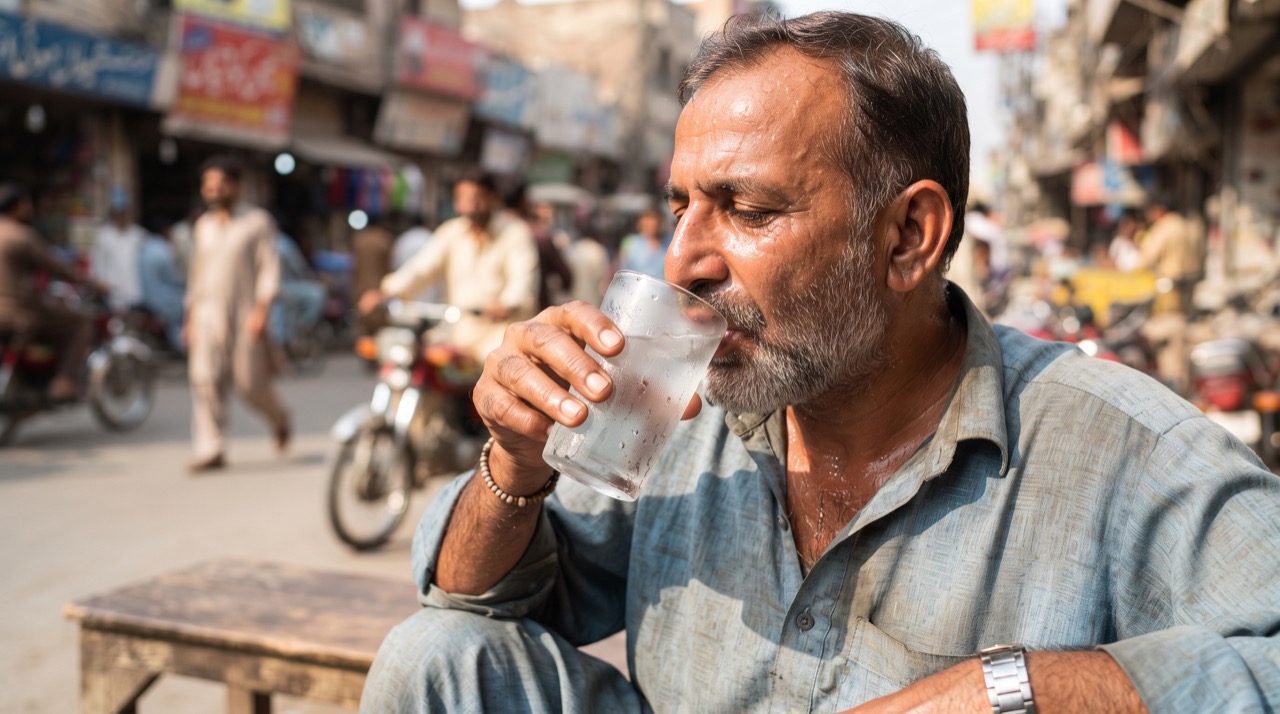
- Fiber and fluids: whole grains, fruits like papaya, and plenty of water prevent constipation, which is common after delivery, particularly with stitches.
- Traditional foods like panjiri or gond ke laddu can be genuinely useful — they are calorie-dense and often fortified with nuts and ghee — but pair them with fresh vegetables and fruit rather than relying on them alone.
- Avoid extreme dieting to "lose baby weight" quickly; your body needs adequate calories to heal and produce milk.
Wound Care After Vaginal Birth or C-Section
Proper hygiene prevents infection, which remains a leading cause of postpartum complications.
- Perineal tears or episiotomy: rinse the area with warm water after using the toilet instead of wiping, pat dry gently, and change sanitary pads every 4-6 hours.
- C-section incision: keep it clean and dry, watch for redness, swelling, unusual discharge, or fever, and avoid soaking the area until your doctor confirms it has healed.
- Bleeding (lochia) is normal for up to 4-6 weeks and should gradually lighten. Soaking a pad within an hour, passing large clots, or a foul smell needs urgent medical attention.
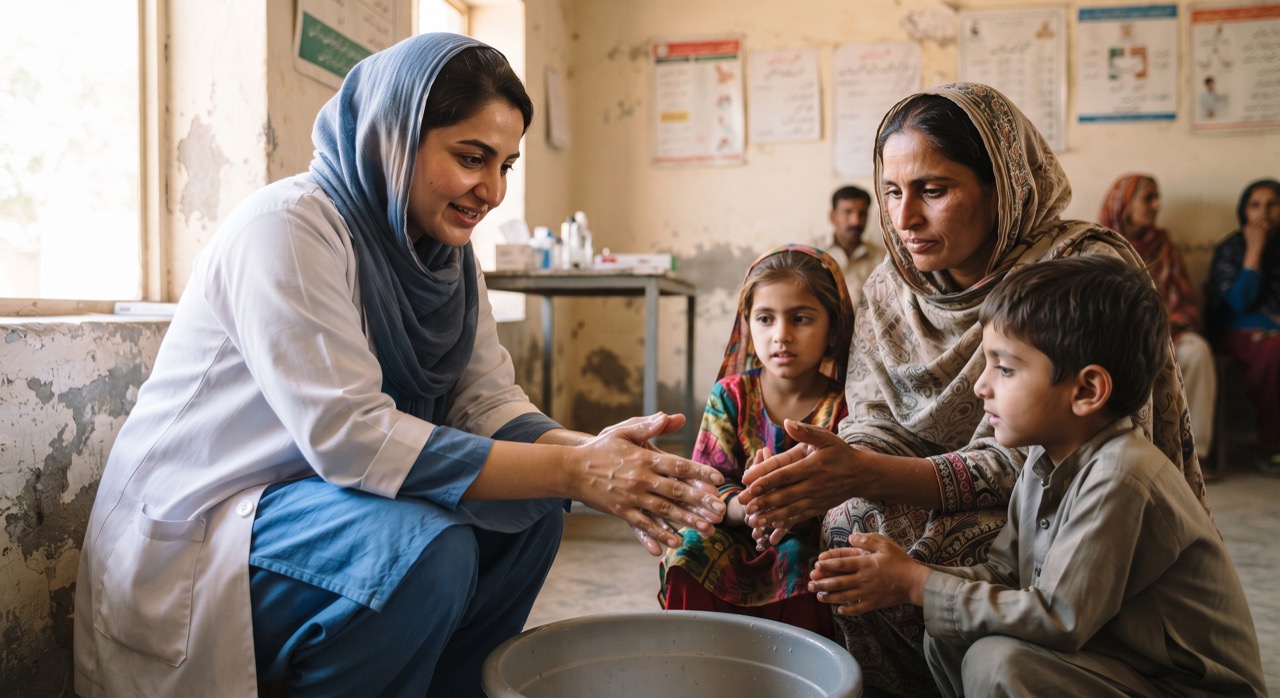
- Wash hands before and after touching the wound area, and wear loose, breathable cotton clothing.
Spotting Postpartum Depression
"Baby blues" — mood swings, tearfulness, and anxiety in the first two weeks — are common and usually pass on their own. Postpartum depression is different: it is longer-lasting, more intense, and needs treatment.
- Persistent sadness or emptiness lasting more than two weeks
- Loss of interest in the baby, or overwhelming guilt about not "feeling enough" love
- Difficulty sleeping even when the baby is asleep, or sleeping too much
- Intense anxiety, panic attacks, or intrusive frightening thoughts
- Withdrawing from family and friends
Postpartum depression is not a sign of weakness or bad mothering — it is a medical condition caused by hormonal shifts, exhaustion, and life changes, and it responds well to treatment.
If you or a family member notices these signs, speak to a doctor rather than dismissing it as normal tiredness. In Pakistan, stigma often keeps women silent, but organizations such as the World Health Organization recognize maternal mental health as a core part of postpartum care, not an optional extra. Sharing feelings with a trusted elder, sister, or friend — and seeking professional help when needed — is a sign of strength, not failure.
Roman Urdu
Bachay ki paidaish ke baad ke hafte maa ki sehat ke liye bohat ahem hain, lekin aksar ghar mein sara dhyan sirf bachay par chala jata hai aur maa ki recovery nazar-andaz ho jati hai.
Aaram: Chilla (40 din) ka rest sirf riwayat nahi, medical zaroorat hai — uterus ko normal size mein aane mein 6 hafte lagte hain. Jab bacha soye tab aap bhi so jayein, bhari samaan uthane se parhez karein, aur ghar walon se madad lein taake khud ko heal hone ka waqt milay.
Khurak: Iron se bhare foods — palak, daal, gosht, khajoor — khoon ki kami poori karte hain jo delivery ke baad aam hai. Anday, chicken, aur dahi protein aur calcium dete hain jo zakhm bharne aur doodh banane mein madad karte hain. Panjiri ya gond ke laddu theek hain lekin sirf inhi par na rahein — taza sabzi aur phal bhi zaroor khayein. Jaldi wazan kam karne ke liye diet na karein, is se doodh aur healing dono mutasir hote hain.
Zakhm ki dekhbhal: Normal delivery ke stitches ho ya C-section ka zakhm, safai ka khyal rakhein — halke garam pani se saaf karein, pad har 4-6 ghante mein badlein. Agar zakhm laal ho jaye, sujan ho, bukhar aaye, ya bohat zyada khoon aaye to foran doctor se rabta karein.
Postpartum depression: Shuru ke 2 hafton mein mood swings aur ronaa "baby blues" kehlata hai jo apne aap theek ho jata hai. Lekin agar udaasi, bachay se lagav na hona, ya bohat zyada pareshani 2 hafton se zyada rahay, to ye depression ho sakta hai jis ka ilaj zaroori hai. Ye kamzori nahi balke hormonal aur jismani tabdeeliyon ki wajah se hoti hai. Apni feelings kisi qareebi se share karein aur zaroorat par doctor se madad lein — ye himmat ki nishani hai, sharam ki nahi.