Walk through any bazaar in Lahore, Karachi or Peshawar and you'll notice something almost everyone shares: a cup of chai in hand, and for many, a paan or chaliya stall never far away. These habits are woven into daily life, social visits and even wedding functions. But they come at a real cost to oral health — one that most families never discuss until a toothache, bleeding gum, or worse, a mouth lesion forces the issue. This guide breaks down what's actually happening inside your mouth and what you can do about it, starting today.
Why Paan and Chaliya Are Different From Ordinary Bad Habits
Paan (betel leaf) chewed with chaliya (areca nut), sometimes with tobacco (gutka, mainpuri) added, is one of the most under-discussed health risks in Pakistan and the wider South Asian region. This isn't scare talk — it's established medical fact.
- Areca nut alone is carcinogenic. The World Health Organization and the International Agency for Research on Cancer both classify areca nut (chaliya) as a Group 1 carcinogen — the same risk category as tobacco — because it causes oral cancer even without added tobacco.
- Oral submucous fibrosis is a condition almost unique to paan/chaliya chewers. It stiffens the inside of the cheek and jaw over years, eventually making it hard to open your mouth fully, eat, or speak clearly. It is not reversible once advanced.
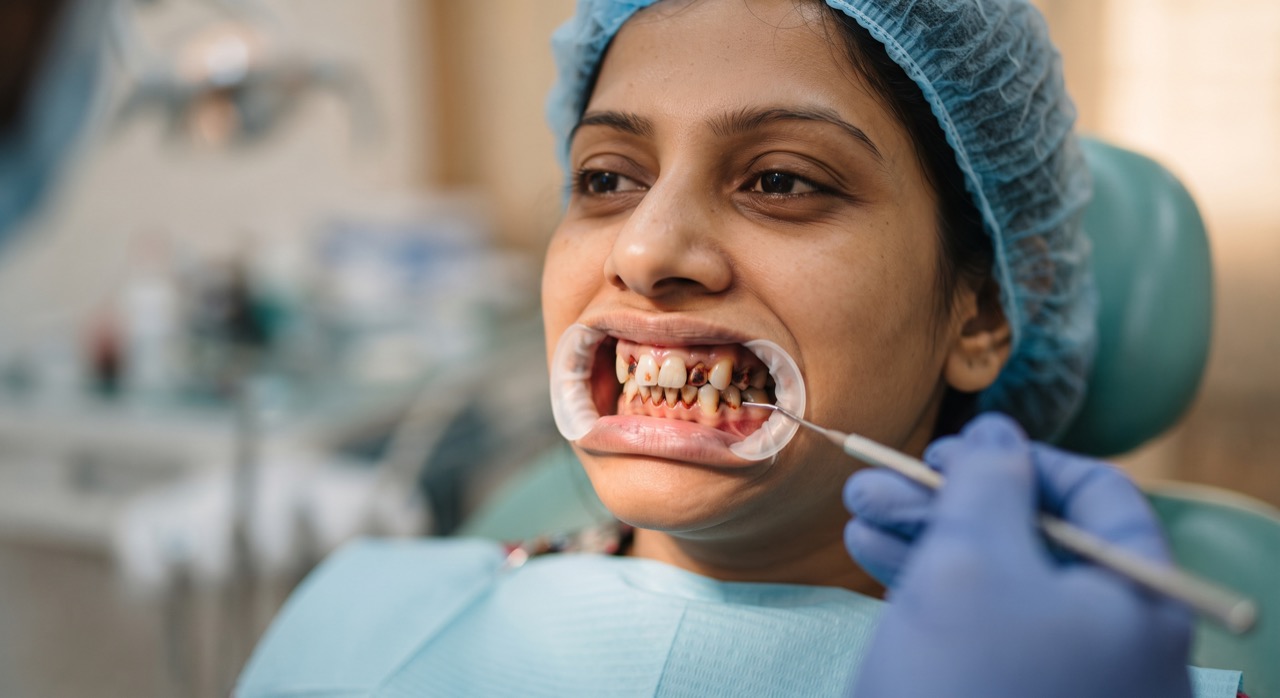
- Staining and enamel wear. The reddish-black stains on teeth aren't just cosmetic — the constant abrasive chewing wears down enamel and pushes gums back, exposing root surfaces that are far more prone to decay and sensitivity.
- Gutka and mainpuri combine both tobacco and areca nut risks, multiplying cancer risk significantly compared to either alone.
If you or a family member chews regularly, the single most protective step is reducing frequency and getting any white or red patch, ulcer, or persistent lump inside the mouth checked by a dentist or ENT specialist immediately — early lesions are treatable; advanced ones often aren't.
The Sugary Chai Problem Nobody Talks About
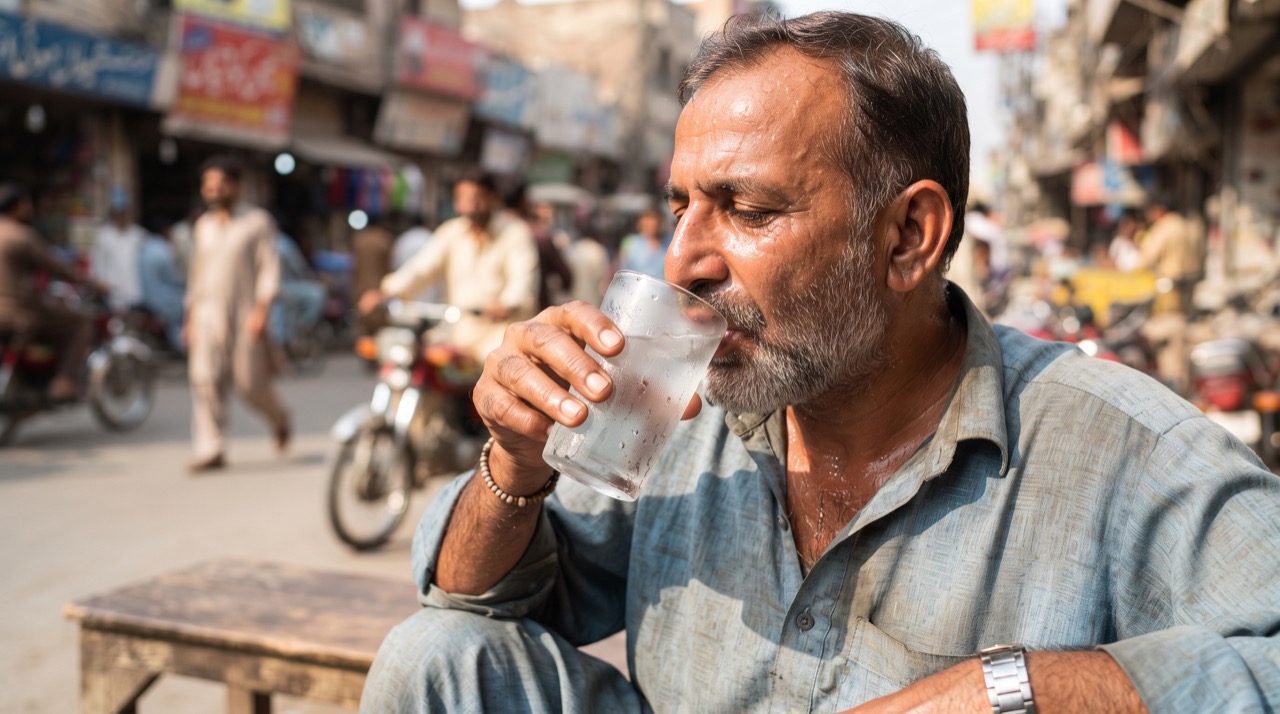
Pakistani households can easily go through 4-6 cups of chai a day, most heavily sweetened. Each cup bathes your teeth in sugar, and if you're sipping slowly over an hour (common with doodh patti at a dhaba), your teeth sit in that sugar bath even longer than if you drank it quickly.
- Try cutting sugar gradually — half a spoon less per week is unnoticeable in taste but adds up over a year.
- Rinse your mouth with plain water after chai instead of letting sugar residue sit on teeth for hours.
- Avoid brushing immediately after chai — wait at least 30 minutes, since the acid softens enamel briefly and brushing right away can wear it down faster.
- Prefer chai without excessive boiling of milk-sugar together, which can also darken teeth over time via staining, not just decay.
A Realistic Daily Routine That Works
You don't need imported products to protect your mouth. Consistency matters far more than brand.
- Brush twice daily, morning and before bed, for two full minutes with a fluoride toothpaste — fluoride is the single most proven decay-fighting ingredient, per the WHO.
- Use a soft-bristled brush and replace it every 3 months, or sooner if bristles fray.
- Floss or use an interdental brush once daily — brushing alone misses roughly a third of tooth surfaces between teeth.
- Don't share paan/chaliya or brushes — reduces spread of oral infections.
- Visit a dentist every 6 months, even without pain. Most gum disease and early cavities show no symptoms until they're advanced.
Gum Care: The Part Most People Skip
Bleeding gums while brushing is not normal, and it's not something to just "get used to." It's usually the first sign of gingivitis — inflammation caused by plaque buildup along the gumline. Left untreated, this progresses to periodontitis, which loosens teeth permanently.
- Angle your brush 45 degrees toward the gumline, not straight into the teeth.
- Massage gently — scrubbing hard damages gum tissue rather than cleaning it.
- If gums bleed for more than a week despite good brushing, see a dentist for a professional cleaning (scaling) rather than assuming it will resolve on its own.
A mouth free of pain, decay, and disease is not a luxury — it is a foundation for eating, speaking, and living with confidence, and it is achievable with a few consistent habits practiced every single day.
None of this requires giving up chai or festive traditions entirely. It requires awareness, moderation with paan and chaliya, and a daily routine you actually stick to — which is far cheaper and less painful than the alternative.
Roman Urdu
Pakistan mein paan, chaliya aur meethi chai humari rozmarra zindagi ka hissa hain, lekin in ka asar daant aur muh ki sehat par bohot zyada hota hai jo aksar log nazar-andaz kar dete hain.
Paan aur chaliya ka nuksan: Chaliya akela bhi cancer ka khatra barhata hai — WHO ke mutabiq yeh ek proven carcinogen hai, chahe tambaku shamil ho ya na ho. Gutka aur mainpuri mein tambaku aur chaliya dono milte hain jo risk ko aur zyada badha dete hain. Agar muh ke andar koi safed ya surkh dhabba, zakhm, ya ganth mehsoos ho jo theek na ho rahi ho, foran dentist ya ENT specialist ko dikhayen — waqt par ilaj se bohot farq padta hai.
Meethi chai ka masla: Din mein kayi cup chai peena aam baat hai, lekin har cup mein maujood cheeni daanton par lagatar asar dalti hai. Cheeni thori thori kam karte jayen, chai ke baad plain pani se kulli karen, aur chai peene ke foran baad brush na karen — kam az kam adha ghanta intezar karen.
Rozana routine: Din mein do dafa, subah aur raat sone se pehle, fluoride wale toothpaste se do minute brush karen. Naram brush istemal karen aur har teen mahine baad badlen. Din mein ek dafa floss ya interdental brush zaroor karen. Har che mahine baad dentist se checkup karayen, chahe dard na ho — kyunke masoon ki bimari aur cavities shuru mein pata nahin chalti.
Masoon (gums) ka khayal: Agar brush karte waqt masoon se khoon aaye to yeh normal nahin — yeh gingivitis ki nishani ho sakti hai. Brush ko masoon ki taraf halke se 45 degree angle par rakhen, zor se na rgaden. Agar hafta bhar khoon aata rahe to dentist se scaling karwayen.
Chai aur paan-chaliya ki roayat chorna zaroori nahin, lekin ehtiyat aur rozana achi aadaten apnana zaroori hai — yeh baad mein hone wale dard aur ilaj ke kharche se kahin zyada asaan hai.