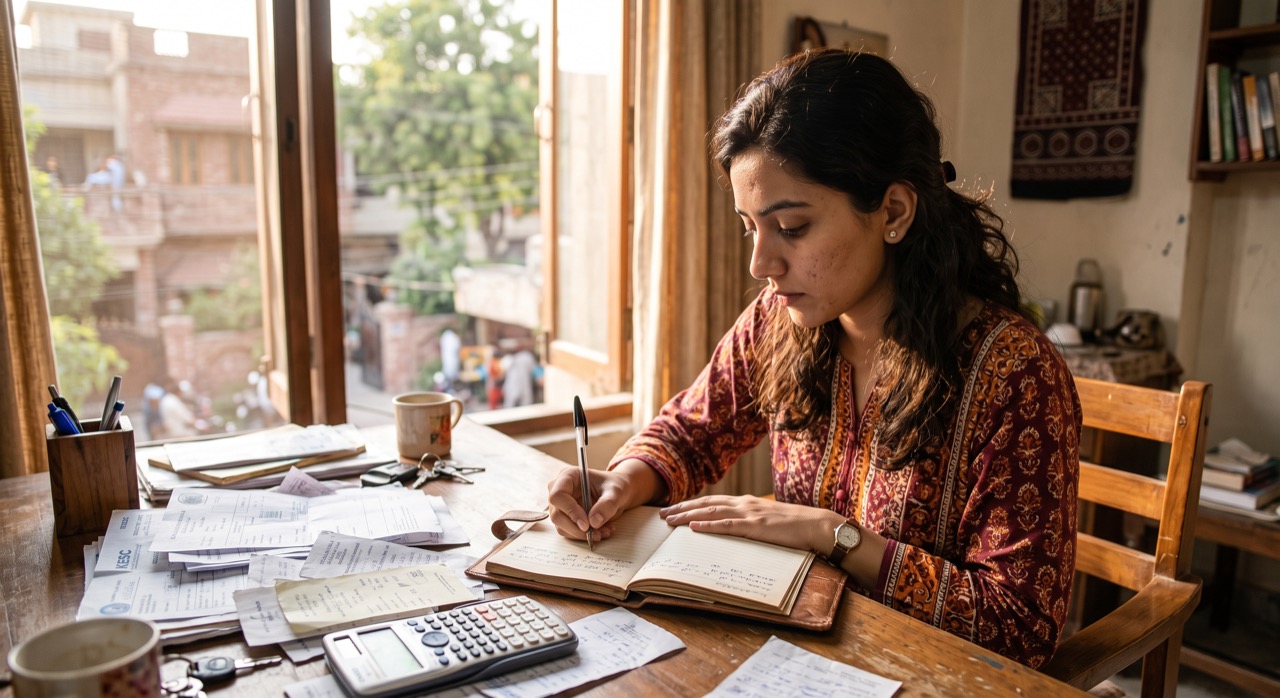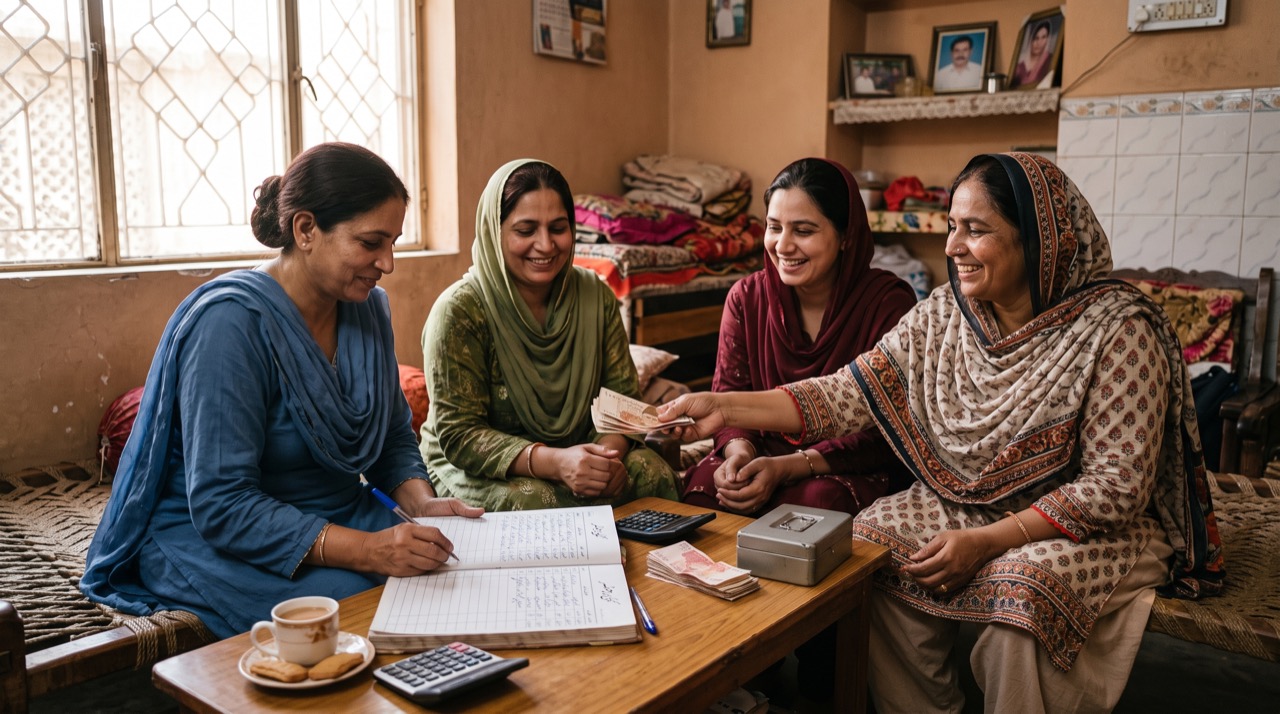
The first few months of marriage are full of adjustments, and money is usually the one nobody prepared for. Two people with different spending habits, different families' expectations, and often different incomes suddenly have to run a household together. The good news: most money conflict between newlyweds is not really about money — it is about unclear systems. Fix the system, and a lot of the tension disappears on its own.
Start With One Honest Conversation
Before you build any budget, sit down together — not while tired or after a fight — and lay everything on the table: salaries, existing loans, credit card dues, any money you send home to parents, and savings goals. Many Pakistani couples avoid this out of politeness or ego, but hiding numbers early on almost always causes bigger problems later.
- Share actual take-home income, not rough estimates.
- Disclose any existing debt — car loan, personal loan, BNPL apps, or credit card balance.
- Talk about money sent to parents or siblings — this is often non-negotiable culturally, so plan around it rather than fighting it.
- Agree on one "money date" per month to review spending together, even if it's just 20 minutes over chai.
Choose a Joint Budget Structure That Fits You
There is no single correct system — the right one depends on whether both spouses earn, and how big the income gap is.
- Fully joint account: Works well when incomes are similar. Everything goes into one pool, and you budget from it together using a simple method like the 50/30/20 rule (50% needs, 30% wants, 20% savings).
- Proportional split: If one partner earns significantly more, split shared bills by income percentage rather than 50/50. Example: if one earns 70% of combined income, they cover 70% of rent and groceries.
- Yours, mine, and ours: Keep individual accounts for personal spending, but maintain one joint account for rent, utilities, groceries, and savings. This preserves a sense of independence, which many couples find reduces resentment.
Whichever structure you pick, write it down — even a simple note on your phone — so both partners remember what was agreed.
Divide Bills Without Keeping Score
Constantly calculating "who paid last time" is exhausting and breeds resentment. Instead, assign categories rather than splitting every single bill.
- One partner owns utilities (electricity, gas, internet), the other owns groceries and household supplies — rotate yearly if incomes change.
- Use a shared expense-tracking app or even a simple spreadsheet so both of you can see spending in real time, not just at month-end.
- Set a small "no-questions-asked" personal allowance for each spouse — this prevents every purchase from becoming a negotiation.
- Agree on a spending limit above which you consult each other first — for example, anything over Rs. 10,000 gets discussed before buying.
Talk About Money Without It Becoming a Fight
Money conversations go wrong when they turn into character attacks instead of problem-solving. A few habits help:
- Talk about the budget, not the person — "we're overspending on food delivery" instead of "you always order too much food."
- Never bring up money mid-argument about something else; save it for the scheduled money date.
- Set joint goals — a Hajj fund, a house down payment, a child's future education — so saving feels like teamwork, not restriction.
- If in-law contributions or family financial obligations are a recurring source of tension, set a fixed monthly amount together so it stops being renegotiated every time.
A joint budget isn't about controlling each other's money — it's about both of you steering the same boat instead of rowing in different directions.
Consider opening a joint savings account specifically for emergencies — most banks in Pakistan, including HBL, Meezan Bank, and others, offer easy joint account options for couples. Aim to build three to six months of expenses as a cushion before chasing bigger goals like buying property or a car. Financial stress rarely disappears completely, but a couple that budgets together, communicates on a schedule, and treats money as a shared project rather than a battlefield will handle it far better than one that avoids the topic altogether.
Roman Urdu
Shadi ke pehle kuch mahinon mein sab se zyada tension paisay par hoti hai, kyunke do log jo alag habits aur income ke sath aaye hain, achanak ek hi ghar chalane lag jaate hain. Achi baat yeh hai ke zyada tar jhagray paison ki kami se nahi, balke clear system na hone se hotay hain.
Pehle Ek Honest Baat Cheet Karein
Budget banane se pehle, dono aaram se baith kar apni salary, koi bhi loan ya credit card dues, aur ghar bhejay jaane wale paison ke baray mein khulkar baat karein. Yeh sharam ya ego ki wajah se chupana baad mein bara masla bana deta hai.
- Asal takehome income batayein, andaza nahi.
- Koi bhi loan, credit card ya BNPL app ki dues bata dein.
- Waldain ya bhai behno ko bheje jaane wale paison par pehle hi baat kar lein.
- Mahine mein ek "money date" rakhein — sirf 20 minute chai ke sath, taake budget review ho sake.
Joint Budget Ka Tareeqa Chunein
Agar dono ki income barabar hai to ek joint account rakh kar 50/30/20 rule follow karein (50% zaroorat, 30% khwahish, 20% bachat). Agar income mein farq zyada hai to bills ko income ke proportion mein taqseem karein — jo zyada kamata hai woh zyada hissa de. Kuch couples "yours, mine, ours" system pasand karte hain — apna alag account bhi rakhein aur ek joint account sirf ghar ke kharchon ke liye.
Bills Taqseem Karein Bina Hisaab Kitaab Ke
Har bill par "pichli baar tum ne diya tha" wala hisaab thakawat deta hai. Iske bajaye categories baant dein — ek partner bijli/gas/internet dekhe, doosra grocery. Dono ke liye choti si "bina sawaal" pocket money rakhein taake har chhoti kharidari par bahas na ho.
Paison Par Baat Karein Bina Jhagra Kiye
Budget par baat karein, insaan par nahi — "hum khane par zyada kharch kar rahe hain" kahna behtar hai "tum hamesha zyada order karte ho" se. Jhagre ke dauran paison ki baat na chhedein, usay scheduled money date tak rok lein. Sanjha maqsad banayein — Hajj fund, ghar ka advance, bachon ki taleem — taake bachat teamwork lage, pabandi nahi.
Emergency ke liye ek joint savings account zaroor banayein aur 3 se 6 mahine ke kharche jitni bachat pehle jama karein, phir bara faisla jaise ghar ya gaari lein. Jo couple mil kar budget banata hai, waqt par baat karta hai, aur paison ko team ka project samajhta hai, woh har mushkil bhi asani se guzar leta hai.