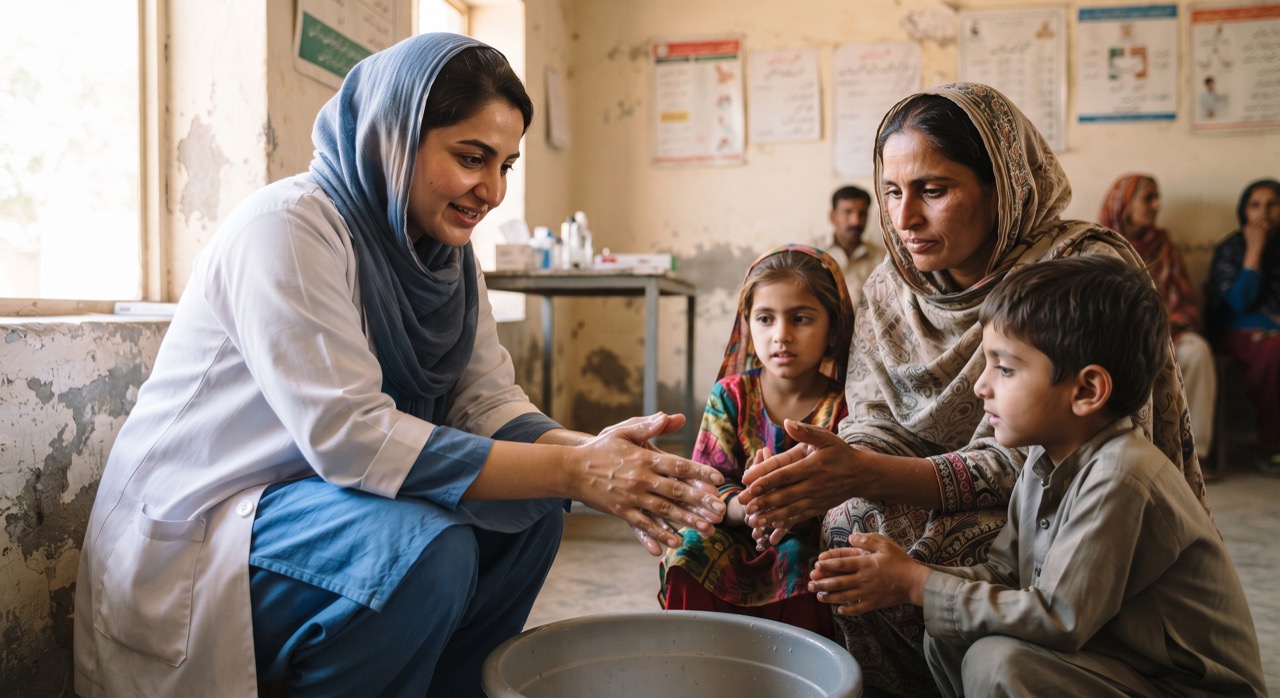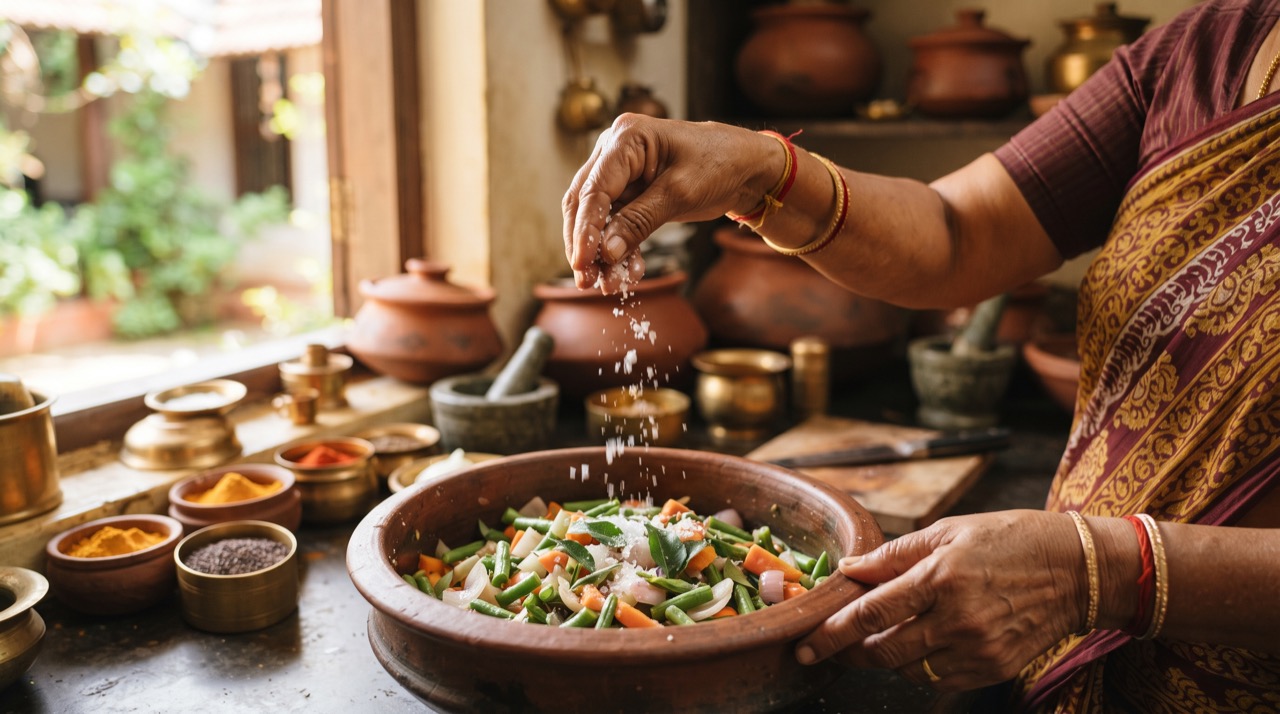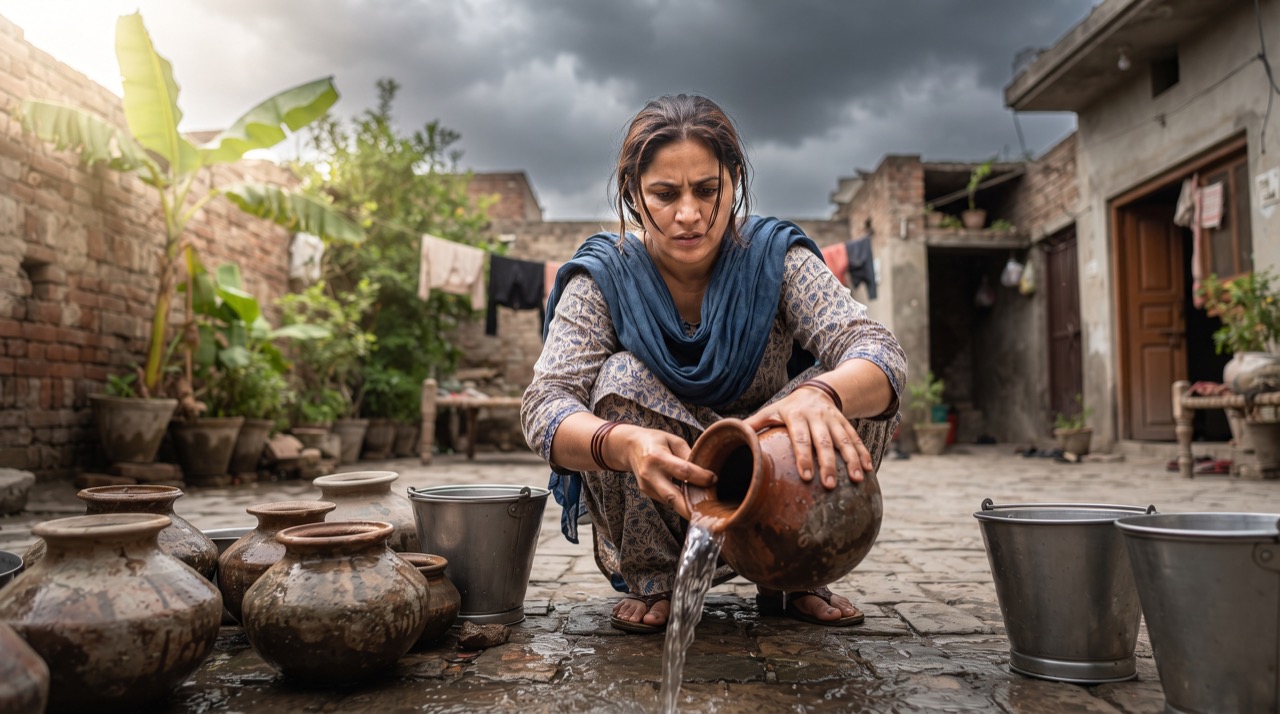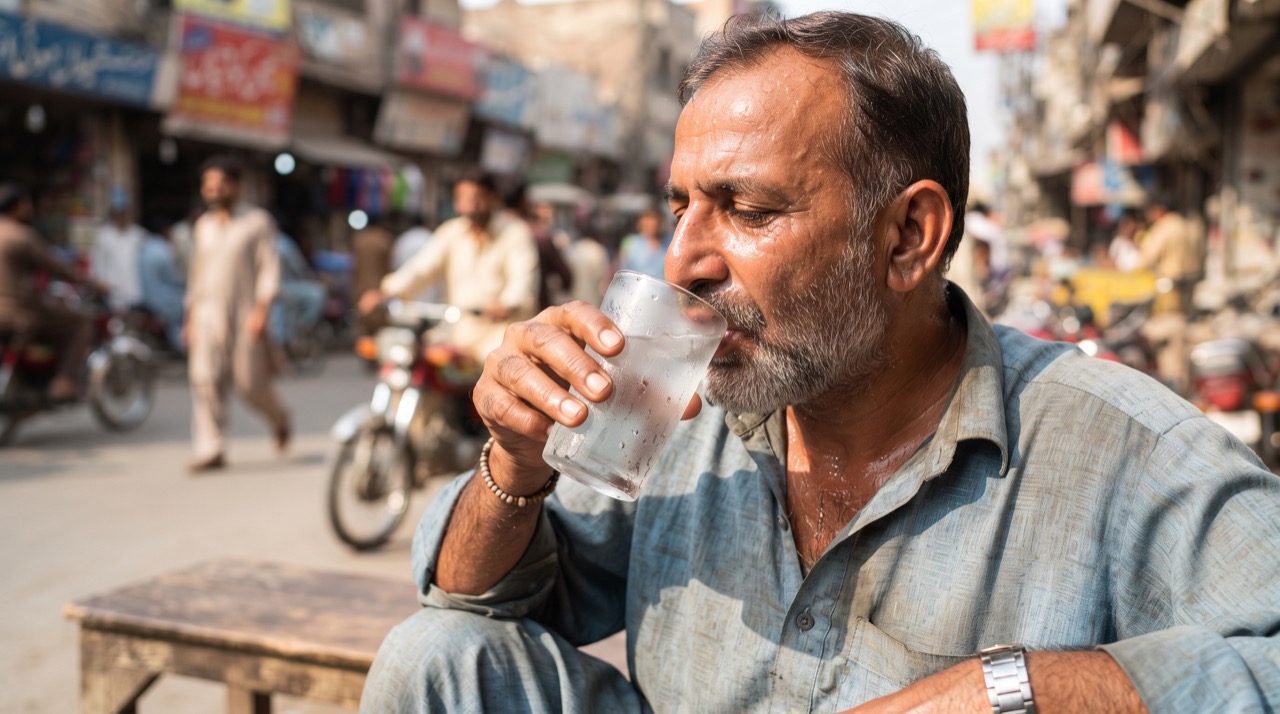
For too many girls and women in Pakistan, periods are still whispered about rather than talked about openly — even though menstruation is a completely normal, healthy part of life for roughly half the population every single month. That silence has a real cost: girls miss school out of fear or shame, women use unsafe materials because no one taught them better options, and serious symptoms get dismissed as "just how periods are" instead of being checked by a doctor. This guide lays out the facts plainly — hygiene, pain relief, and how to tell a normal period from one that needs medical attention.
Hygiene Practices That Actually Protect You
Good menstrual hygiene isn't complicated, but a few habits make a real difference in comfort and infection prevention.
- Change your pad or product every 4-6 hours, regardless of how "light" the flow feels. Bacteria multiply fast in a damp environment, and leaving a pad on too long raises the risk of skin irritation, odor, and infection.
- Wash the genital area with plain water, front to back, at least once during the day in addition to your regular bath. Scented soaps, douches, and "feminine hygiene washes" are unnecessary and can actually disturb the natural pH balance, making infections more likely — plain water is enough.
- Always wash your hands before and after changing a pad or inserting a tampon or menstrual cup.
- Cloth pads are fine if used correctly — many households across Pakistan still use them, and there is nothing shameful about that. The key is washing them properly with soap, drying them fully in direct sunlight (not in a damp corner), and replacing them once the fabric wears thin. Sunlight naturally kills bacteria that damp indoor drying leaves behind.
- Dispose of pads properly — wrap them before throwing away, and never flush pads or tampons, as they block drains.
- If you use a menstrual cup, boil it in water for 5-10 minutes before your cycle starts and after it ends; empty and rinse it every 8-12 hours during use.
Managing Period Pain Safely
Cramps happen because the uterus contracts to shed its lining — mild to moderate pain is normal, but you don't have to just "endure" it.
- A hot water bottle or heating pad on the lower abdomen relaxes the uterine muscle and is one of the most effective, side-effect-free remedies.
- Light movement — a short walk or gentle stretching — often eases cramps better than lying still, even though resting feels more natural.
- Over-the-counter pain relievers like ibuprofen or mefenamic acid work well for period pain because they reduce the prostaglandins that cause cramping. Take them with food, and if you regularly need painkillers every cycle, mention this to a doctor rather than just repeating the same dose month after month.
- Staying hydrated and cutting back on excess salt and caffeine in the days before your period can reduce bloating and cramp intensity.
- Avoid self-medicating with random tablets bought without a prescription for pain that keeps getting worse — that's a sign to get checked, not to increase the dose.
When a Period Is Not Normal
Every woman's cycle is a little different, but certain patterns are your body signaling that something needs medical attention rather than home remedies.
- Soaking through a pad or tampon every hour for several hours in a row, or passing clots larger than a rupee coin repeatedly.
- Periods lasting longer than 7 days, or cycles that are consistently shorter than 21 days or longer than 35 days.
- Pain severe enough to stop you from going to school, work, or daily activities — this is not something to just "push through"; it can be a sign of conditions like endometriosis.
- No period for 3 months or more when you are not pregnant, especially alongside sudden weight change, excess hair growth, or acne — this can point to hormonal conditions such as PCOS (polycystic ovary syndrome).
- Bleeding between periods, after menopause, or after sex.
- Fever, unusual discharge, or a strong odor alongside your period, which can indicate infection.
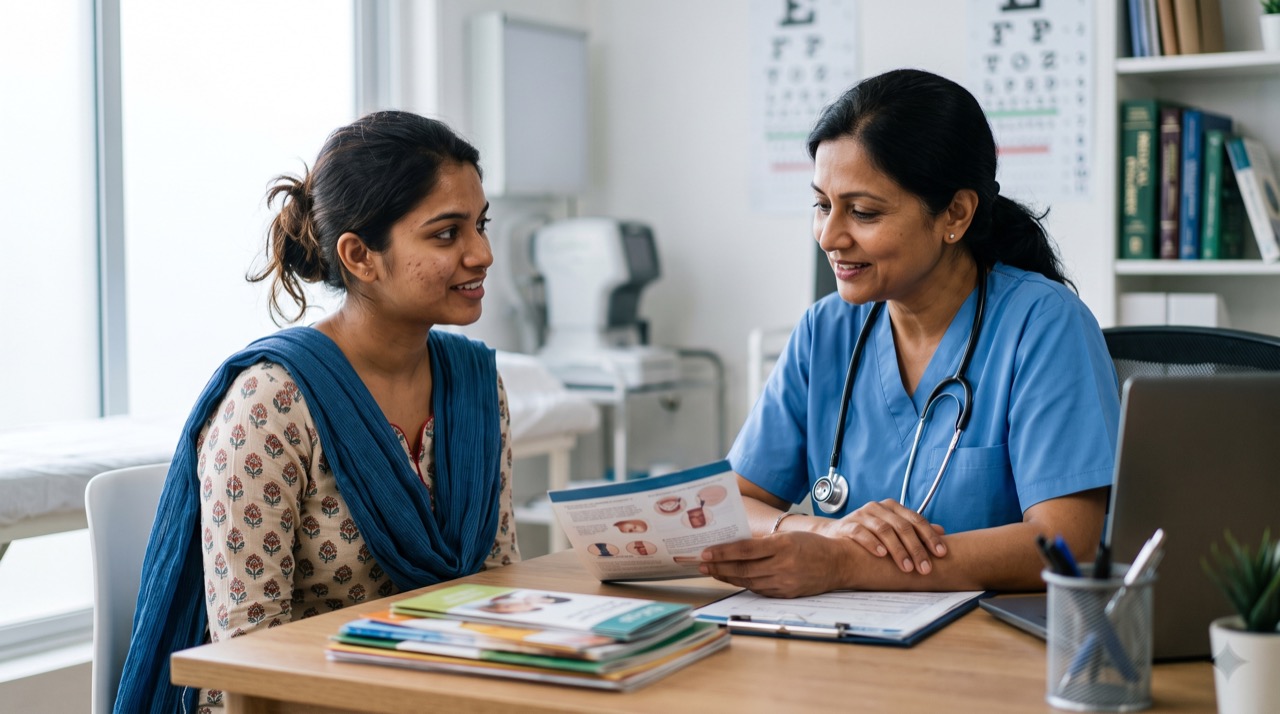
If any of these apply, see a gynecologist. Waiting because of shyness or fear of judgment often lets a treatable condition get worse.
A period is not an illness and not something to hide — it is a normal bodily function, and treating it with basic hygiene, informed pain relief, and timely medical care is simply responsible healthcare, not a taboo topic.
Organizations like the World Health Organization and UNICEF now treat menstrual health as a core part of public health and education — not a private embarrassment. The more openly mothers, sisters, and friends talk about this, the fewer girls will suffer in silence over something entirely natural.
Roman Urdu
Pakistan mein periods ke baray mein baat karna aaj bhi sharam ka mauzu samjha jata hai, jabke yeh har mahine tقریباً aadhi aabadi ke sath hone wala aik bilkul normal aur healthy amal hai. Is khamoshi ki wajah se larkiyan school miss karti hain, aurtein galat tareeqay istemal karti hain, aur serious symptoms ko "bas aisa hi hota hai" keh kar nazar-andaz kar diya jata hai.
Hygiene ka Khayal
Pad ya jo bhi product istemal karein, use har 4-6 ghante baad zaroor badlein — chahe flow kam hi kyun na ho, warna bacteria barh jatay hain. Sirf saaf pani se wash karna kaafi hai, khushbu-daar sabun ya wash use karne ki zaroorat nahi, yeh natural balance ko bigar sakte hain. Cloth pad istemal karna bilkul theek hai bas unhein sabun se dho kar seedha dhoop mein sukhayein — dhoop bacteria khatam karti hai jo andar chupi jagah sukhane se nahin martay. Hath dhona na bhoolein, aur pad ko lapet kar hi dispose karein, flush na karein.
Dard ka Ilaj
Halka se moderate dard normal hai. Garam pani ki bottle pet ke nichlay hissay par rakhna sab se asaan aur mufeed tareeqa hai. Halki walk ya stretching bhi dard kam karti hai. Ibuprofen jaisi dawa khane ke sath li ja sakti hai, lekin agar har mahine shadeed dard ke liye dawa ki zaroorat parti hai to doctor ko zaroor batayein — khud se dose barhana theek nahi.
Kab Doctor Se Milna Zaroori Hai
Agar har ghante pad badalna par raha ho, period 7 din se zyada chal raha ho, dard itna shadeed ho ke kaam ya school na ho sake, 3 mahine se period na aaya ho, ya periods ke darmiyan bleeding, bukhar ya ajeeb badbu mehsoos ho — to yeh sab alamat hain ke gynecologist se milna zaroori hai. Sharm ki wajah se dair karna kisi qabil-e-ilaj masle ko aur bigar sakta hai. Period koi bimari nahi, aik normal jismani amal hai — is par khulkar baat karna aur waqt par ilaj karwana hi asal samajhdari hai.