If you live in Pakistan, chances are you already know the specific kind of headache that shuts down your whole day — the throbbing, one-sided pain that gets worse with light, noise, or even the smell of frying pakoras from next door. That is a migraine, and it is far more common than most people realize. Migraines affect roughly 1 in 7 people worldwide, and in a country where summer temperatures regularly cross 40°C, load-shedding disrupts sleep, and long fasting hours during Ramazan are routine, the triggers are often built right into daily life. The good news is that migraines are manageable once you understand what sets yours off and build a few simple habits around it.
The Usual Suspects: Heat, Hunger, and Screens
Migraines rarely come from nowhere. They are usually a reaction to one or more triggers stacking up over a few hours. In Pakistani households and offices, three stand out again and again:
- Heat and dehydration — Standing in direct sun, sitting near a generator during load-shedding, or simply not drinking enough water during a hot Karachi or Multan afternoon can bring on a migraine within hours. Heat widens blood vessels in the brain, and dehydration makes it worse.
- Skipped meals and low blood sugar — Missing breakfast before office, working through lunch, or long Ramazan fasting hours (especially in summer) are classic triggers. A drop in blood sugar is one of the most reliable migraine setups there is.
- Screens and eye strain — Hours on a phone scrolling in bed, laptop glare at work, or bright shop lighting can overload the visual system, especially if you already need glasses or are not wearing the right prescription.
- Other common culprits — poor sleep or oversleeping, strong smells (perfume, petrol, cigarette smoke), caffeine withdrawal (missing your usual chai), stress before exams or deadlines, and for some women, hormonal shifts around their monthly cycle.
Start a Simple Trigger Diary
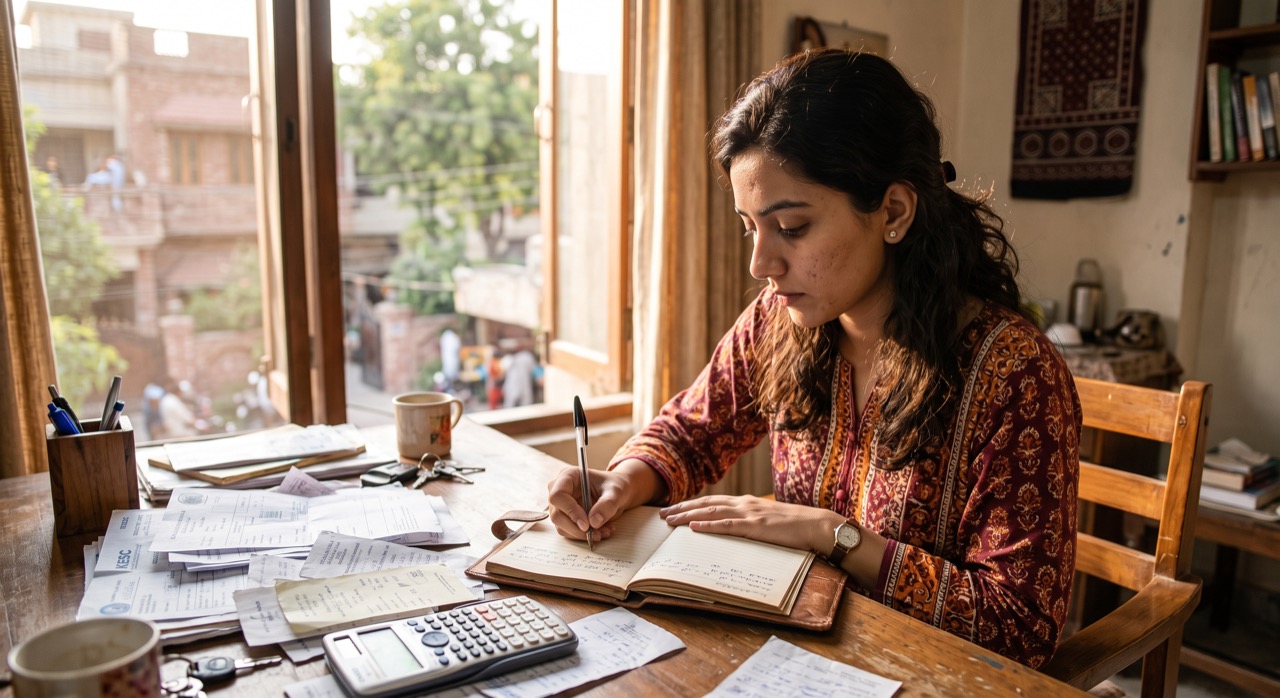
You cannot avoid what you have not identified. For two to four weeks, keep a short note (a phone notes app works fine) each time a migraine hits. Record:
- Time of day and how long it lasted
- What you ate and drank in the previous 4–6 hours, and whether you skipped a meal
- Weather — was it unusually hot, humid, or was there a sudden change (common before monsoon or dust storms)
- Screen time and sleep the night before
- Stress level, and for women, where you were in your cycle
After a few attacks, patterns usually jump out — many people discover their migraines cluster around missed lunch plus afternoon heat, or late-night phone use plus poor sleep. Once you know your pattern, you can act before the pain builds rather than after.
Relief That Actually Works
- Act early — At the first warning signs (aura, neck stiffness, yawning, light sensitivity), move to a dark, quiet room immediately rather than waiting it out.
- Hydrate and eat something light — A glass of water with a little namak-shakkar (oral rehydration mix) and a small snack can help if hunger or heat is the trigger.
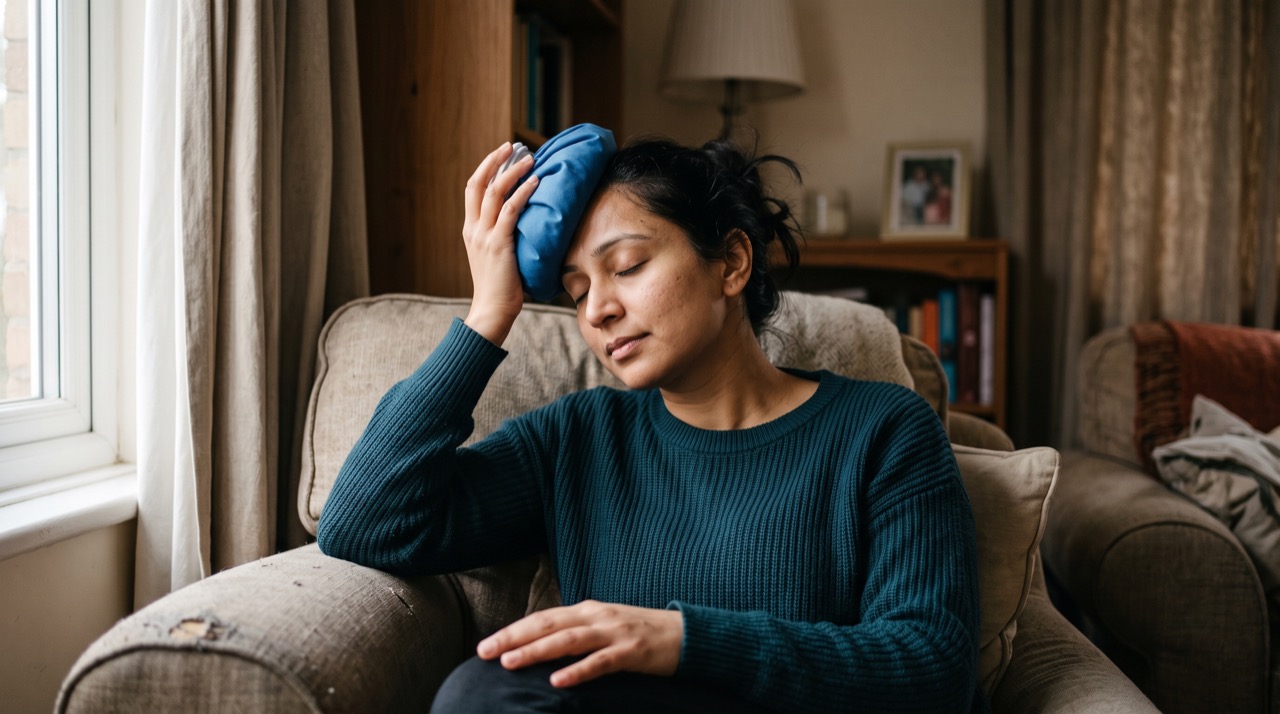
- Cold compress — A cloth-wrapped ice pack or cold water on the forehead and back of the neck narrows blood vessels and often eases the throb.
- Limit screens during an attack — Turn brightness down or step away from screens entirely; blue light worsens the sensitivity.
- Use pain relief sensibly — Over-the-counter medicines like paracetamol or ibuprofen can help if taken early, but using them more than 2–3 times a week can cause rebound headaches. Don't self-medicate long term without a doctor's advice.
- Protect your sleep and meal schedule — Fixed sleep and meal timings, even on weekends, reduce how often migraines strike.
Migraines are not "just a headache" — they are a neurological condition, and repeated attacks deserve real attention rather than being pushed through with tea and willpower.
When to See a Doctor
Home management is enough for many people, but you should see a doctor (start with a general physician, who may refer you to a neurologist) if:
- Migraines happen more than 4 times a month or are getting more frequent
- Over-the-counter medicine no longer controls the pain
- You notice numbness, slurred speech, vision loss, or confusion — get emergency care right away, as these need to be ruled out as something more serious
- A headache is the "worst of your life," comes on suddenly, or follows a head injury
- Migraines are affecting your work, studies, or sleep on a regular basis
According to the World Health Organization, headache disorders remain under-recognized and under-treated globally, and many effective treatments exist once a proper diagnosis is made. There is no need to simply live with recurring migraines — tracking your triggers is the first step, and professional care is the next.
Roman Urdu
Agar aap Pakistan mein rehte hain to migraine ka dard aap ke liye naya nahi hoga — sir ke aik taraf dard jo roshni aur awaz se aur barh jata hai. Iski sab se aam wajahat garmi, bhook, aur screen time hain.
Garmi aur pani ki kami: Tez dhoop mein khare hona, load-shedding mein generator ke paas baithna, ya kam pani peena migraine ko trigger kar sakta hai. Bhook: Nashta miss karna, lunch late karna, ya lambe roze (khas tor par garmi mein) blood sugar girata hai jo migraine ki bari wajah hai. Screen: Bistar mein ghante phone dekhna ya office mein laptop ki chamak aankhon aur dimagh par bura asar dalti hai. Neend ki kami, tez khushbu, chai ka na milna, aur stress bhi aam triggers hain.
Do se char hafton tak aik chota sa diary rakhein — jab bhi migraine ho, waqt, khana, mausam, screen time aur neend note karein. Kuch hafton mein pattern nazar aa jayega, aur phir aap us wajah se bachne ki koshish kar sakte hain.
Jab migraine shuru ho to foran andheray aur khamosh kamre mein chale jayein. Pani aur halki khuraak lein, thande paani ya ice pack peshani aur gardan par rakhein, aur screen se dur rahein. Paracetamol ya ibuprofen shuru mein le sakte hain, lekin hafte mein do teen dafa se zyada na lein warna rebound headache ho sakta hai. Neend aur khane ka waqt fix rakhna sab se zyada madadgar hai.
Agar migraine mahine mein char dafa se zyada ho, dawai se araam na aaye, ya sath mein sunn hona, dhundla nazar aana, ya bolne mein mushkil ho — to foran doctor se milein, ye emergency ho sakti hai. Agar dard aap ki zindagi ka kaam ya neend mutasir kar raha hai, to neurologist se check karwana behtar hai. Migraine ko nazar-andaz na karein — triggers pehchanna pehla qadam hai, aur sahi ilaj mojood hai.