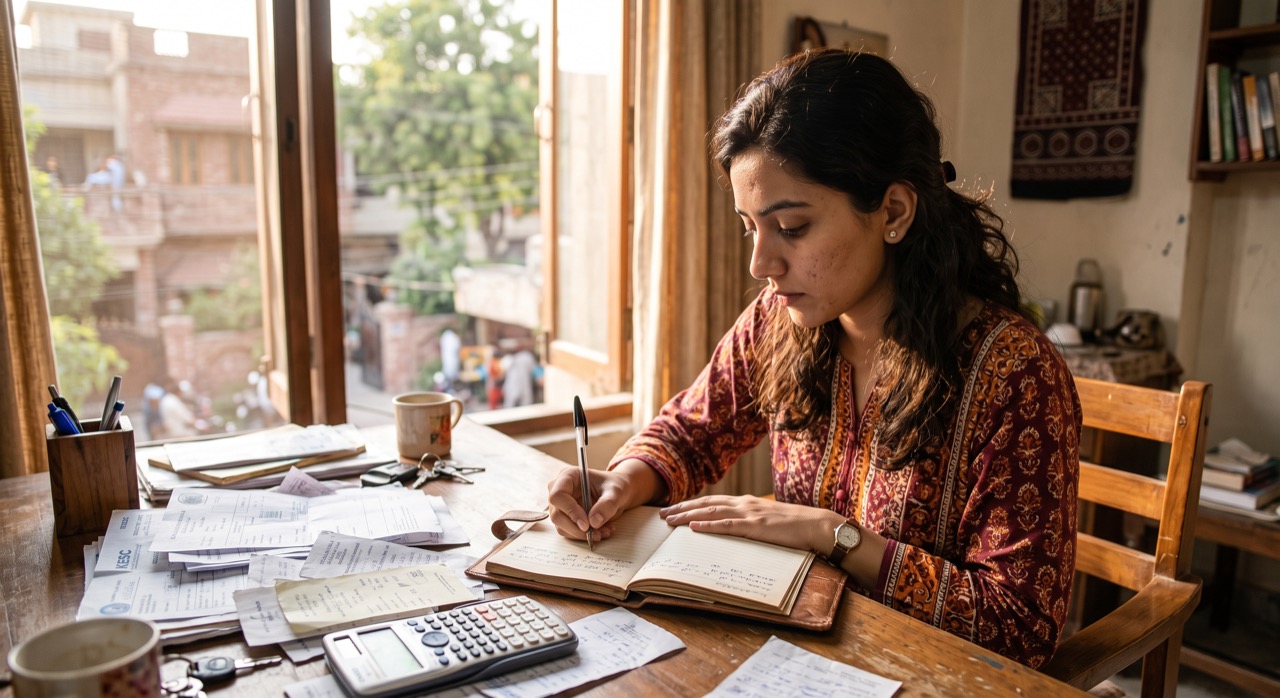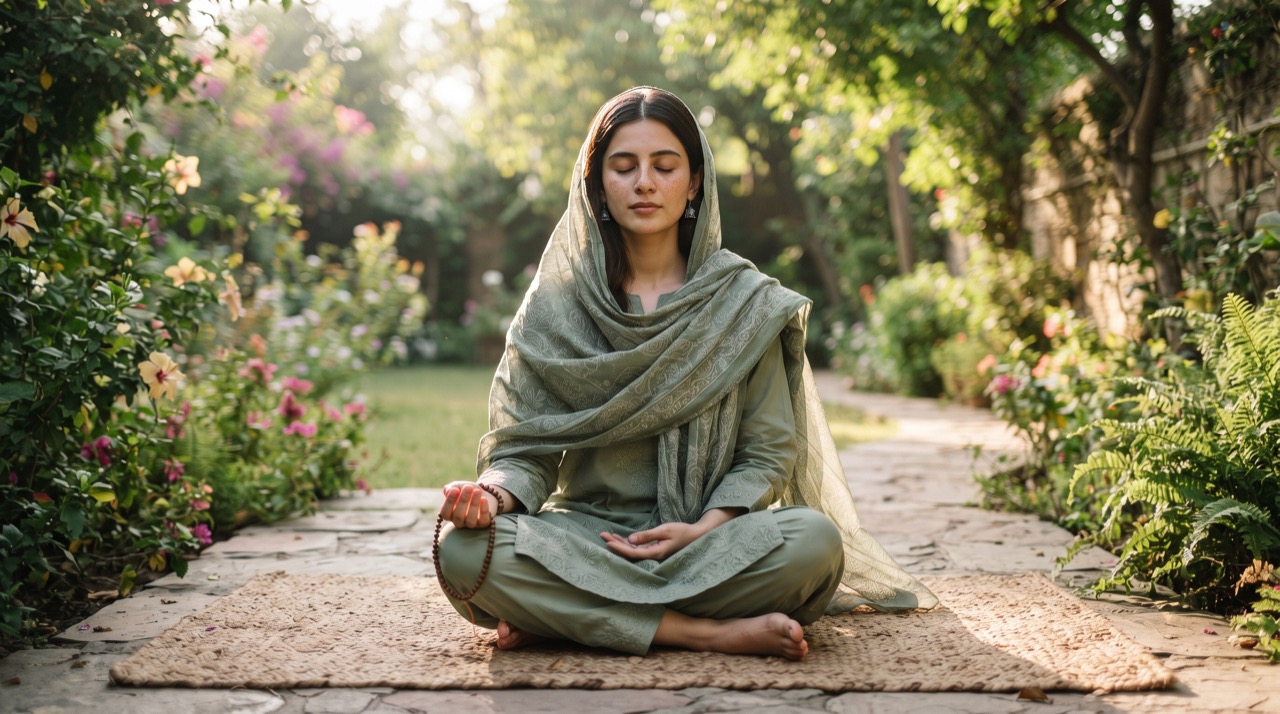
Stress has a way of creeping into ordinary days — a tense family gathering, a looming exam, a boss who won't stop texting after office hours, or just the general noise of living in a fast, crowded city like Karachi or Lahore. Medication has its place for diagnosed conditions, but for everyday stress and mild anxiety, there is a surprising amount you can do with nothing more than your breath, your calendar, and a willingness to say "no" a little more often. None of this is exotic or expensive. It is the kind of thing you can start before you finish reading this article.
Breathing Techniques That Actually Calm the Nervous System
When you're anxious, your breathing becomes shallow and fast, which tells your brain to stay alert — a loop that keeps feeding itself. Slowing your breath on purpose breaks that loop within minutes because it directly activates the parasympathetic nervous system, the body's built-in "rest and digest" switch.
- Box breathing: Inhale for 4 counts, hold for 4, exhale for 4, hold for 4. Repeat for 2-3 minutes. Used by everyone from athletes to first responders because it's simple and works fast.
- 4-7-8 breathing: Inhale through the nose for 4 counts, hold for 7, exhale slowly through the mouth for 8. This one is especially useful right before sleep, when racing thoughts keep you up.
- Belly breathing: Place one hand on your chest and one on your stomach. Breathe so that only the stomach hand rises. This retrains you out of the shallow "chest breathing" that anxiety causes.
Do any of these for even three minutes during a stressful moment — before a meeting, an exam, or a difficult phone call — and you will likely notice your heart rate and muscle tension drop.
Building a Routine That Protects Your Mind
Anxiety thrives on unpredictability. A steady daily routine, even a loose one, gives your brain fewer decisions to stress over and more of a sense of control.
- Anchor your wake and sleep times. Going to bed and waking up within the same one-hour window daily — even on weekends — is one of the most underrated stress-reduction tools there is.
- Move your body daily, even briefly. A 20-minute walk, whether around your neighbourhood or on the rooftop, lowers cortisol measurably. You don't need a gym membership.
- Protect your Fajr-to-breakfast window. Many Pakistanis already have a natural early rhythm around prayer times — use that structure rather than fighting it. A calm first hour sets the tone for the day.
- Limit doomscrolling. News and social media before bed are strongly linked to higher anxiety. Set a hard cutoff, even just 30 minutes before sleep.
Routine isn't about rigid discipline — it's about removing friction so your mind isn't renegotiating basic decisions every single day.
Setting Boundaries Without Guilt
In joint family systems and close-knit communities, boundary-setting can feel almost taboo — like you're being selfish or disrespectful. But chronic over-commitment, whether to relatives, in-laws, or work, is one of the biggest drivers of everyday anxiety.
- Use delay instead of an immediate yes. "Let me check and get back to you" buys you time to decide without the pressure of an on-the-spot answer.
- Separate the relationship from the request. You can decline a task or a late-night call while still respecting the person — the two are not the same thing.
- Set a work cutoff time. If your job allows it, mute work notifications after a set hour. Constant availability is a major, often invisible, source of chronic stress.
A boundary is not a wall you build against people — it's a fence you build around your own time and energy so you have something left to give.
If stress or anxiety starts interfering with sleep, appetite, or daily functioning for weeks at a time, it's worth speaking to a doctor or a licensed counsellor — these everyday tools work best as prevention and daily maintenance, not as a replacement for professional care when it's genuinely needed. Organisations like the World Health Organization offer reliable, free guidance on when self-help is enough and when it's time to seek support.
Roman Urdu
Stress aur anxiety aksar chhoti chhoti cheezon se shuru hoti hai — kabhi ghar ke jhagre, kabhi exam ka pressure, kabhi office ka boss jo raat ko bhi message karta rahe. Dawai apni jagah zaroori hai jab doctor tajweez kare, lekin roz marra ki stress ke liye aap khud bhi bohat kuch kar saktay hain — sirf apni saans, apna routine, aur "na" kehne ki thori si himmat se.
Saans Lene Ke Tareeqe
Jab aap anxious hotay hain to saans tez aur uthli ho jati hai, jo dimagh ko alert rehne ka signal deti hai. Is cycle ko todne ke liye:
- Box breathing: 4 count saans andar, 4 count roken, 4 count bahar, 4 count roken. 2-3 minute repeat karein.
- 4-7-8 breathing: Naak se 4 count saans lein, 7 count roken, 8 count mein mun se dheere dheere chhoren. Sone se pehle bohat kaam ki hai.
- Pet se saans: Ek haath chest par aur ek pet par rakhein, sirf pet wala haath upar niche ho — is se saans gehri hoti hai.
Kisi bhi mushkil moment se pehle — meeting, exam, ya mushkil phone call — sirf teen minute yeh karein, farq mehsoos hoga.
Routine Aur Boundaries
Anxiety ghair-yaqeeni halaat mein barhti hai. Roz ek hi waqt par sona-jagna, thori si walk, aur sone se pehle phone band karna — yeh sab dimagh ko sukoon deta hai. Fajr ke baad ka waqt istemal karein jab dimagh naturally shant ho.
Joint family ya rishtedaron ke darmiyan boundary banana mushkil lagta hai, lekin zaroori hai. Foran "haan" kehne ke bajaye "main dekh kar batata hoon" kahein — isse aapko sochne ka waqt milta hai, aur rishta bhi kharab nahi hota.
Boundary koi deewar nahi jo logon ke khilaf banayi jaye — yeh ek baar hai jo aap apne waqt aur energy ke gird banate hain.
Agar stress ya anxiety hafton tak neend ya khane par asar daal rahi ho, to doctor ya counsellor se zaroor baat karein — yeh tareeqe rokthaam ke liye behtareen hain, lekin professional madad ki jagah nahi le saktay.