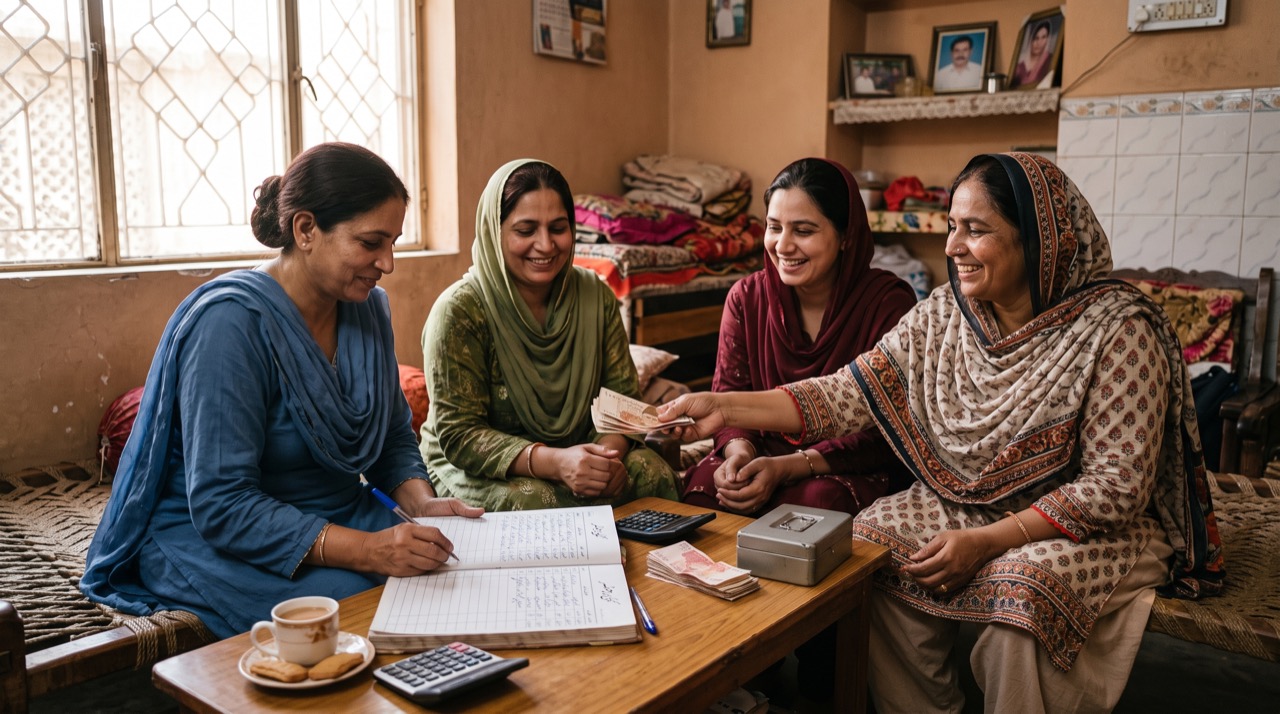
Managing money in university is a skill nobody really teaches you, yet it shapes habits that stay with you for life. Whether your allowance comes from your parents, a scholarship stipend, or a part-time gig, the challenge is the same: make a limited amount stretch across hostel fees, food, transport, printouts, and the occasional outing with friends. The good news is that with a simple system, a few smart cuts, and one or two small income streams, most students in Pakistan can go from running out of money by the 20th of the month to actually having savings by the end of the semester.
Build a Budget That Actually Survives Contact With Real Life
Most budgets fail not because students are bad with money, but because the budget was unrealistic from day one. Start by writing down your actual monthly allowance and every fixed cost: hostel or mess fee, transport (Careem, rickshaw, or van fare), mobile data, and course material. Whatever is left is your "flexible" money for food, outings, and small purchases.
- Use the 50/30/20 idea loosely: roughly half for essentials (mess, transport, data), 30% for personal spending, 20% for savings or emergencies — adjust the ratio if your hostel fee alone eats more than half.
- Track spending for one month first. Use a simple notes app, a WhatsApp message to yourself, or a free app like Google Sheets on your phone. You cannot fix what you do not measure.
- Give every rupee a job. Before the month starts, decide where the money goes instead of reacting after it is already spent.
- Keep a small emergency buffer — even Rs. 1,000-2,000 set aside prevents a single unexpected expense (a lost ATM card, a medical need) from wrecking your whole month.
Cut Costs Without Cutting Your Social Life Completely
Cost-cutting in university is less about deprivation and more about being deliberate. Small, repeated savings add up faster than one big cutback you cannot sustain.
- Mess and food: Cooking or sharing a "tola" system with roommates for basic items (chai, eggs, bread) is usually cheaper than ordering out. Save restaurant trips for special occasions rather than routine.
- Textbooks and course material: Buy second-hand books from seniors, photocopy only the chapters you need, or share one book among a study group instead of everyone buying new.
- Transport: University vans or shared rickshaws with classmates cost a fraction of solo ride-hailing. If your campus is walkable, walking also saves both money and gym fees.
- Mobile and internet: Compare student packages from Jazz, Zong, Telenor, and Ufone before committing — many offer discounted data bundles near campuses, and splitting a Wi-Fi connection with roommates is cheaper than everyone buying separate mobile data.
- Subscriptions: Share streaming subscriptions with 2-3 friends legally through family/group plans rather than each paying full price alone.
- Avoid impulse buying: A 24-hour rule works well — if you still want the item a day later, buy it; often the urge passes.
Small, Realistic Ways to Earn While You Study
You do not need a full-time job to add meaningful income. A few hours a week can cover your personal expenses and reduce pressure on your family.
- Tutoring: Teaching O/A Level or matric students in your strong subjects is one of the most reliable options and pays well relative to time spent.
- Freelancing: If you have skills in writing, graphic design, data entry, or basic coding, platforms like Fiverr and Upwork let you take small projects around your class schedule.
- On-campus opportunities: Many universities hire student workers for the library, labs, or admin offices — check with your student affairs office.
- Selling skills or services locally: Editing assignments, designing simple posters for events, or helping juniors with resumes are low-effort ways to earn within your own campus network.
- Sell what you don't use: Old books, unused hostel items, or clothes can be sold in university Facebook groups or to juniors at the start of a new semester.
A rupee saved in second year is a rupee you don't have to ask your parents for in final year.
The habits you build now — tracking spending, saying no to unnecessary expenses, and treating even small earnings seriously — are the same habits that will carry you through your first salary and beyond. Start small, stay consistent, and let compounding discipline do the rest.
Roman Urdu
University mein paise sambhalna ek aisi skill hai jo koi baqaida sikhata nahi, lekin yeh habits zindagi bhar kaam aati hain. Chahe allowance parents se aaye, scholarship se ya part-time kaam se, challenge ek hi hota hai: mahdood raqam ko hostel fee, khana, transport aur doston ke sath outings mein barabar taqseem karna.
Budget Banayein Jo Waqai Chal Sake
Sabse pehle apni monthly allowance aur fixed kharchay likhein — hostel/mess fee, transport, mobile data, course material. Jo bache woh aapka flexible paisa hai. Ek mahine tak apne kharchay note karein taake pata chale paisa jata kahan hai. Har rupee ko pehle se ek "job" dein — yani decide karein kharch se pehle, baad mein nahi. Kam se kam Rs. 1,000-2,000 emergency ke liye alag rakhein taake achanak zaroorat par pareshani na ho.
Kharchay Kam Karein Bina Social Life Khatam Kiye
Roommates ke sath khana share karna, seniors se purani kitabein lena, university van ya shared rickshaw istemal karna — yeh sab chhote steps mil kar bara farq dalte hain. Mobile packages compare karein (Jazz, Zong, Telenor, Ufone) aur Wi-Fi roommates ke sath share karein. Streaming subscriptions bhi dost mil kar share kar sakte hain. Kuch bhi kharidne se pehle 24 ghante ruk kar sochein — zaroorat waqai hai ya sirf mann chah raha hai.
Thori Mehnat Se Kamai Ke Tareeqay
Full-time job zaroori nahi, hafte mein chand ghante bhi kaafi ho sakte hain. Tuition parhana (O/A Level ya matric students ko) reliable aur achi kamai deta hai. Agar writing, design ya coding aati hai to Fiverr aur Upwork par chhote projects lein. University library ya labs mein part-time kaam ke liye student affairs office se maloom karein. Purani kitabein aur cheezein jo istemal nahi hoteen, woh bhi bech sakte hain.
Second year mein bachaya gaya rupee, final year mein parents se maangne se bachata hai.
Jo habits aap ab banayenge — kharchay track karna, faltu kharch se inkar karna, aur choti kamai ko bhi seriously lena — yehi habits aapki pehli salary aur uske baad bhi kaam aayengi. Chhoti shuruaat karein, consistent rahein.