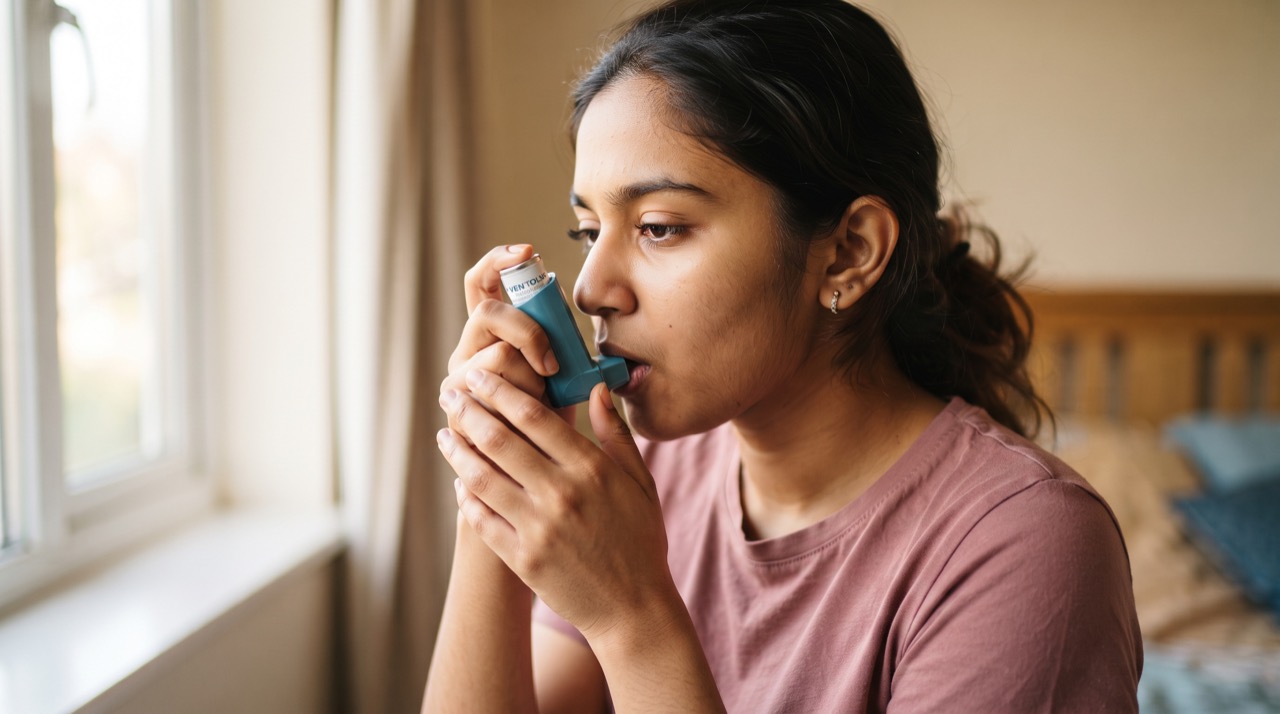
Asthma is one of the most common chronic conditions in Pakistan, made worse by dusty roads, brick kiln smoke, vehicle exhaust, and the seasonal smog that settles over cities like Lahore and Faisalabad every winter. The good news is that asthma is highly manageable once you understand what sets it off and how to use your prescribed inhaler correctly. Most attacks that land people in the emergency room happen not because their asthma is untreatable, but because of missed triggers or poor inhaler technique. This guide walks through both in plain, practical terms.
Know Your Common Triggers
Every asthma patient has a slightly different trigger list, but in the Pakistani context, these come up again and again:
- Household dust and unswept floors — sweep with a damp cloth instead of a dry broom, which just lifts dust into the air.
- Smoke — from cigarettes, hookah, cooking on wood or coal chulhas, and burning garbage. If cooking indoors, keep the kitchen ventilated or use an exhaust fan.
- Seasonal smog and vehicle pollution — especially November to January in Punjab. Check the local Air Quality Index before stepping out and avoid outdoor exercise on high-smog days.
- Mold and damp walls — common in monsoon season; fix leaks promptly and ventilate bathrooms.
- Cold air and sudden temperature changes — wrap a scarf loosely over your nose and mouth in winter mornings.
- Perfumes, incense (agarbatti), and strong cleaning sprays — switch to fragrance-free products where possible.
- Pet dander, pollen, and dust mites in bedding — wash sheets weekly in hot water.
Keeping a simple diary of when your symptoms flare up — time of day, location, activity — helps you and your doctor pin down your personal triggers within a few weeks.
Recognizing an Attack Before It Gets Serious
Early warning signs are often subtle: a dry cough at night, slight tightness in the chest, or needing your reliever inhaler more often than usual. Don't wait for wheezing or breathlessness at rest before acting.
If you find yourself unable to speak in full sentences, your lips or fingertips look bluish, or your reliever inhaler isn't giving relief within a few minutes, this is a medical emergency — get to the nearest hospital immediately.
Using Your Inhaler the Right Way
Studies consistently show that most patients, even long-time users, make at least one mistake with their inhaler technique that reduces the medicine actually reaching their lungs. For a standard metered-dose inhaler (MDI):
- Shake the inhaler well for 5 seconds before each use.
- Breathe out fully, away from the inhaler, to empty your lungs first.
- Seal your lips around the mouthpiece and start breathing in slowly as you press down once.
- Continue a slow, deep breath in for 3–4 seconds, then hold your breath for about 10 seconds.
- Wait 30–60 seconds between puffs if more than one is prescribed.
- Use a spacer device if you have one, especially for children and elderly patients — it dramatically improves how much medicine reaches the airways instead of the throat.
- Rinse your mouth with water after using a steroid (preventer) inhaler to avoid oral thrush and hoarseness.
Ask your doctor or pharmacist to physically watch you use your inhaler at least once a year — technique tends to slip over time without anyone noticing.
Building a Simple Action Plan
Work with your physician to write down three things: which inhaler to use daily for prevention, which one to use during sudden symptoms, and clear signs that mean you should seek emergency care. Keep your reliever inhaler within reach at all times, check the expiry date monthly, and never let it run completely empty without a replacement ready. Organisations such as the Global Initiative for Asthma (GINA) and the World Health Organization publish free, regularly updated guidance that your doctor can use to tailor your specific plan.
Roman Urdu
Pakistan mein asthma (dama) bohot aam bimari hai, khaas kar dhool, gari ka dhuwan aur sardiyon ke smog ki wajah se. Achi khabar yeh hai ke agar aap apne triggers pehchan lein aur inhaler sahi tareeqe se istemal karein, to asthma control mein aa sakta hai.
Triggers se bachao: Ghar ko geele kapre se saaf karein, jhaadu se dhool na uraayein. Cigarette, hookah ya chulhay ke dhuwan se door rahein aur kitchen mein exhaust fan lagayein. Smog wale dinon mein bahar exercise na karein aur AQI check kar lein. Barsaat mein deewaron ki nami theek karwayein, aur sardi mein muh-naak par scarf lapet lein. Perfume, agarbatti aur tez cleaning sprays se bhi hoshiyar rahein.
Attack ki nishaniyan: Raat ko khansi, seene mein halki jakdan, ya baar baar reliever inhaler ki zaroorat — yeh sab early warning hain, inhein nazar-andaz na karein. Agar poora jumla bolne mein dushwari ho, hont ya ungliyan neeli pad jayein, ya inhaler se araam na mile, to foran hospital jayein — yeh emergency hai.
Inhaler sahi tareeqe se istemal karein: Inhaler ko istemal se pehle 5 second hilayein. Sans poori tarah bahar nikalein, phir mouthpiece munh mein lagakar dheere dheere sans andar khenchte hue ek puff lein. 10 second tak sans roken. Agar do puff chahiye to darmiyan mein 30-60 second ka waqfa rakhein. Bachon aur bazurgon ke liye spacer device zaroor istemal karein — is se dawa seedha phephron tak pohanchti hai. Steroid wale inhaler ke baad kulli zaroor karein.
Apne doctor se sath milkar ek asthma action plan banayein — roz ka preventer inhaler, emergency ke liye reliever, aur woh nishaniyan jin par hospital jana zaroori hai. Yeh mamooli si tayari aapko bade attacks se bacha sakti hai.