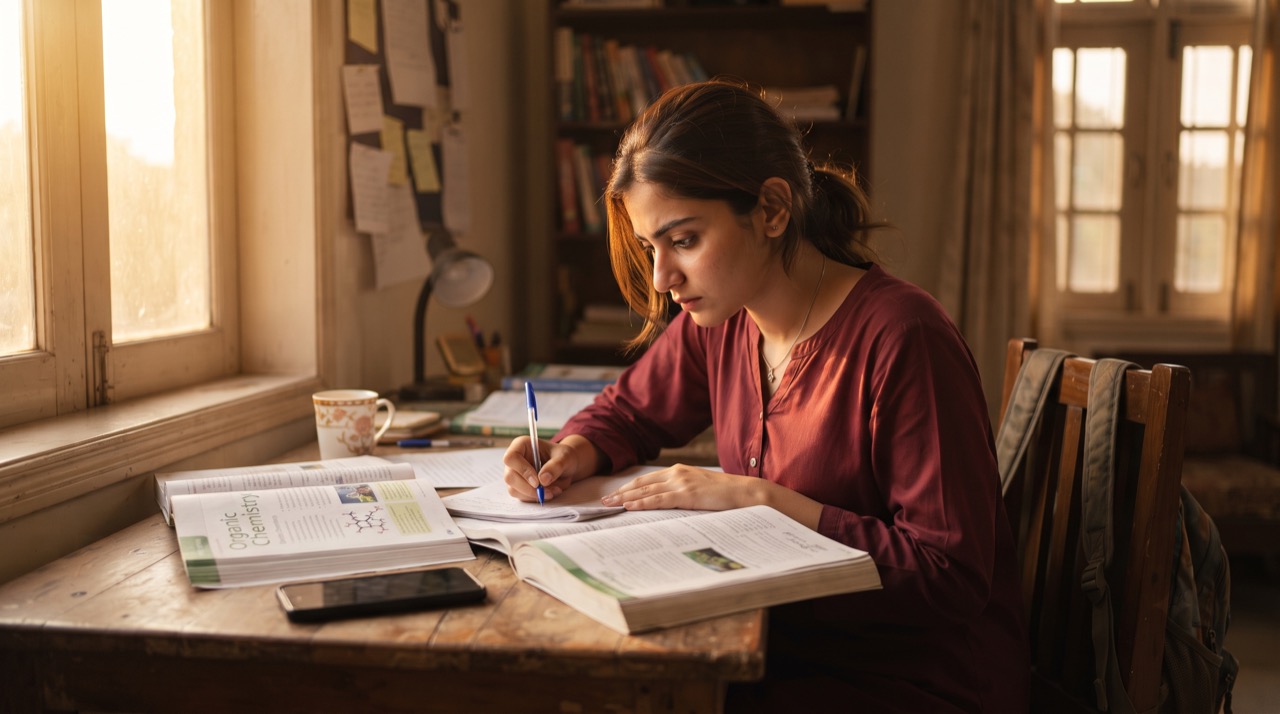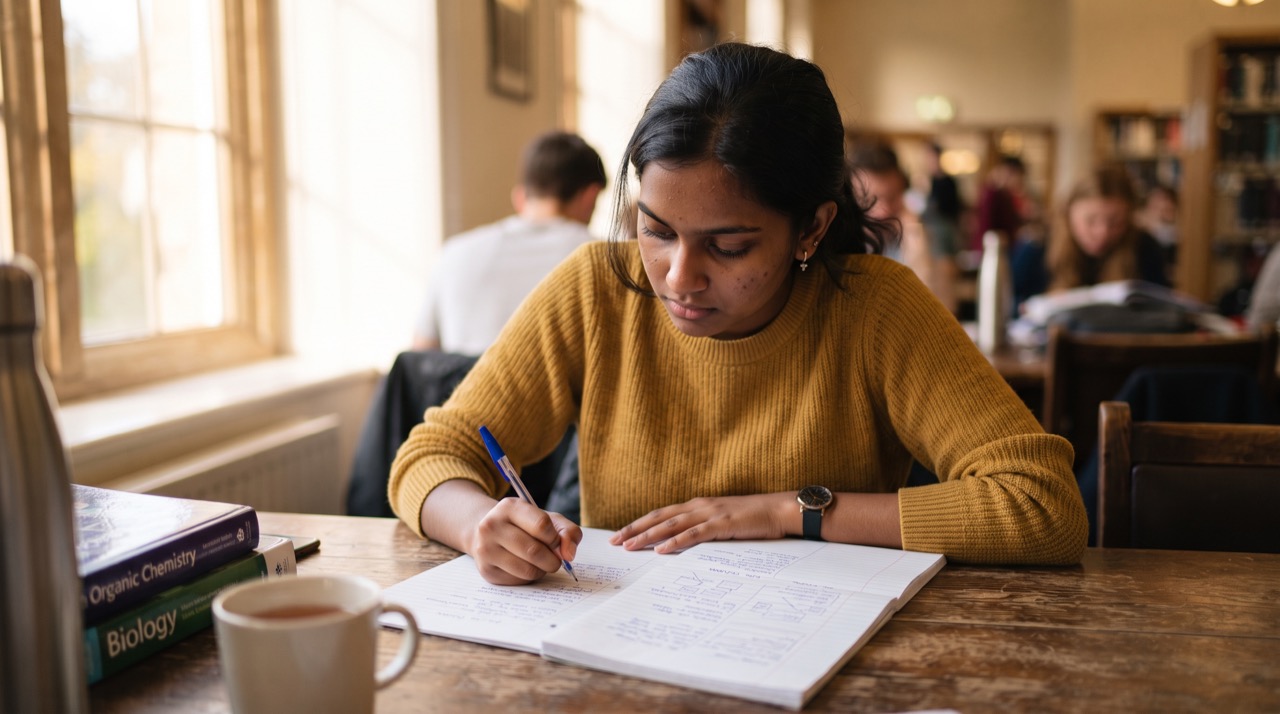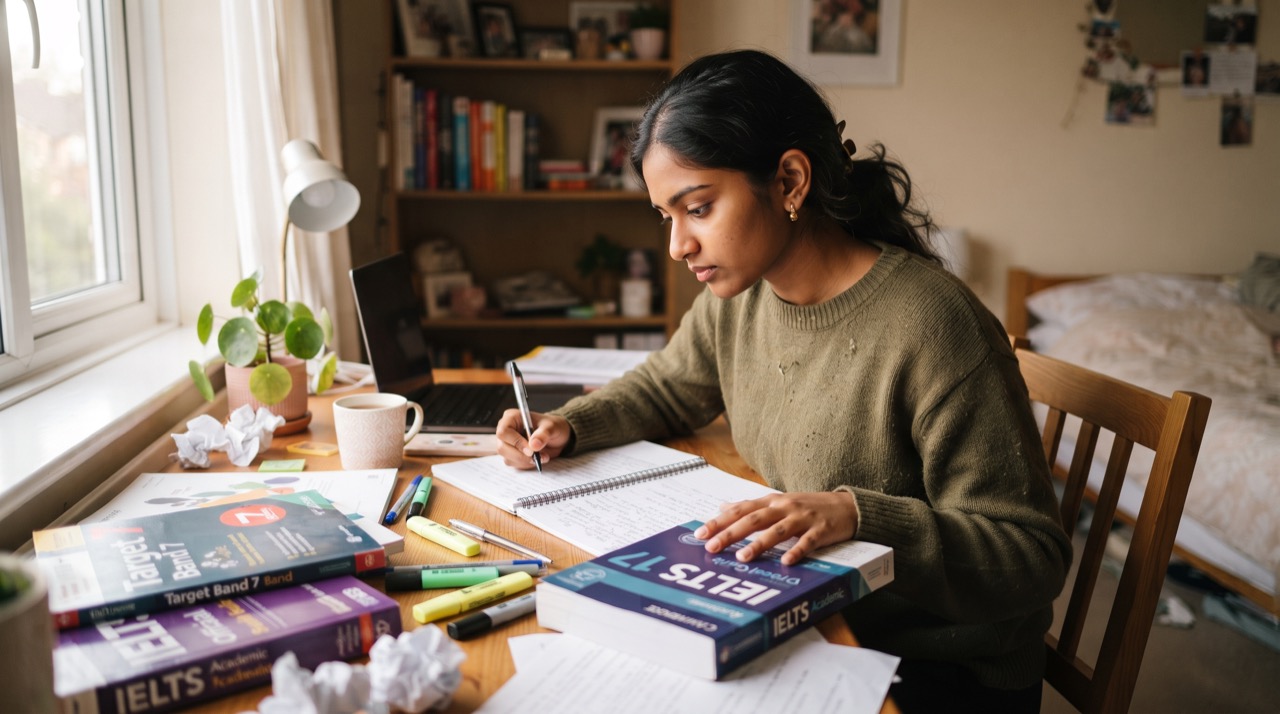
Every year, thousands of Pakistani students and professionals sit the IELTS exam hoping to study or work abroad, and a Band 7 is often the line that separates a rejected visa application from an accepted one. The good news is that a strong score does not require an expensive coaching academy in Lahore or Karachi. With a disciplined home routine and the free official materials listed below, a motivated student can realistically move from Band 5.5–6 to Band 7 in 8–10 weeks. Here is a section-by-section plan that focuses on what examiners actually reward, not just generic "practice more" advice.
Listening: Train Your Ear for Accents, Not Just Vocabulary
Most Pakistani test-takers lose marks in Listening not because they don't understand English, but because they aren't used to British, Australian, and Canadian accents at natural speed. Fix this early.
- Use the free sample tests and audio on ielts.org to get used to the real exam format — four sections, increasing difficulty.
- Practice "predict before you hear" — read the questions during the pause before each section and underline keywords (numbers, names, dates) so your ear knows what to listen for.
- Watch BBC or Australian news for 20 minutes daily with subtitles off first, then on, to check comprehension.
- Map/plan questions (common in Section 2) are the biggest scorer of easy marks lost — practice direction words like "adjacent to," "opposite," and "north of" specifically.
Reading: Manage Time Before You Manage Vocabulary
The Reading test gives 60 minutes for 40 questions across three passages, and running out of time is the number one reason strong readers score Band 6 instead of Band 7.
- Practice skimming a passage in under 3 minutes to understand structure before answering any question — do not read word by word.
- Do True/False/Not Given and Yes/No/Not Given questions last within each passage; they take the longest and are easiest to rush.
- Time yourself strictly using free downloadable practice tests from ielts.org — sitting a full 60-minute mock every week builds real exam stamina.
- Keep a personal list of academic word families (verb, noun, adjective forms) you keep missing, and review it for 10 minutes daily rather than memorising random word lists.
Writing: Structure Beats Fancy Vocabulary
This is where most Pakistani candidates plateau at Band 6, usually because of weak paragraph structure or copying memorised "template" sentences that examiners are trained to spot.
- For Task 1 (Academic), practice describing one chart, one process diagram, and one map every week — these are the three recurring formats.
- For Task 2, always plan for 3-4 minutes before writing: one idea per body paragraph, with a specific example, not a vague generalisation.
- Avoid memorised opening lines like "In today's modern world" — examiners are specifically trained to penalise these as unoriginal.
- Practice writing under real time pressure (20 minutes for Task 1, 40 for Task 2) at least twice a week, and read your own answer aloud afterward to catch grammar errors your eyes skip when reading silently.
Speaking: Record Yourself and Listen Back
Speaking is the section where isolated home study struggles most, but it's also where a phone recorder can substitute for a real examiner surprisingly well.
- Record your answers to Part 1 and Part 3 questions and listen back for filler words ("like," "actually," "you know") — cutting these alone can lift fluency scores.
- For Part 2 (the cue card), practice speaking for the full 2 minutes without stopping — most candidates run out of things to say after 60-70 seconds and need to build content stamina.
- British Council Pakistan and the IELTS official channels regularly publish free speaking preparation tips and sample questions worth reviewing before your test date.
A Band 7 is not built in the last week before the exam — it is built by fixing one specific, repeated weakness every week for two months.
Finally, register your test only after at least two full-length mock tests under real time conditions, ideally sourced from the official ielts.org practice materials and coordinated through British Council Pakistan, which administers the test locally. Consistency across eight weeks will take you further than any single "trick," and it costs nothing beyond your own discipline.
Roman Urdu
Pakistan mein har saal hazaron students aur professionals IELTS dete hain taake bahar study ya job kar sakein, aur Band 7 aksar wahi line hoti hai jo visa approve ya reject karwati hai. Achi baat yeh hai ke acha score lene ke liye mehnga coaching center zaroori nahi. Sahi routine aur free official material se 8-10 hafton mein Band 5.5-6 se Band 7 tak jaana mumkin hai.
Listening mein sab se bara masla accent ka hota hai — British, Australian aur Canadian accent ki practice zaroor karein. ielts.org ke free sample tests use karein, aur audio shuru hone se pehle questions parh kar keywords underline karein taake pata ho kya sunna hai.
Reading mein time management sab se zaroori hai — 60 minutes mein 40 questions hote hain. Passage ko pehle 3 minute mein skim karein, word-by-word na parhein. True/False/Not Given jaise mushkil questions ko passage ke aakhir mein karein.
Writing mein zyada log Band 6 par isliye ruk jaate hain kyunke paragraph structure kamzor hota hai ya ratta lagaye hue "template" sentences likhte hain jo examiner pehchan leta hai. Task 2 likhne se pehle 3-4 minute plan zaroor karein, aur har paragraph mein ek clear idea plus example dein.
Speaking ke liye apni awaaz record karein aur dobara sunein — filler words jaise "like" ya "actually" kam karne se fluency score behtar hota hai. Part 2 ke cue card mein pura 2 minute boliye, rukiye mat. British Council Pakistan ki website par free speaking tips available hain.
Test book karne se pehle kam az kam do full-length mock tests zaroor dein, asal exam jaisi timing ke saath. Yeh consistency kisi bhi "shortcut" se zyada faida degi — aur iski koi cost nahi, sirf apka disciplined effort chahiye.