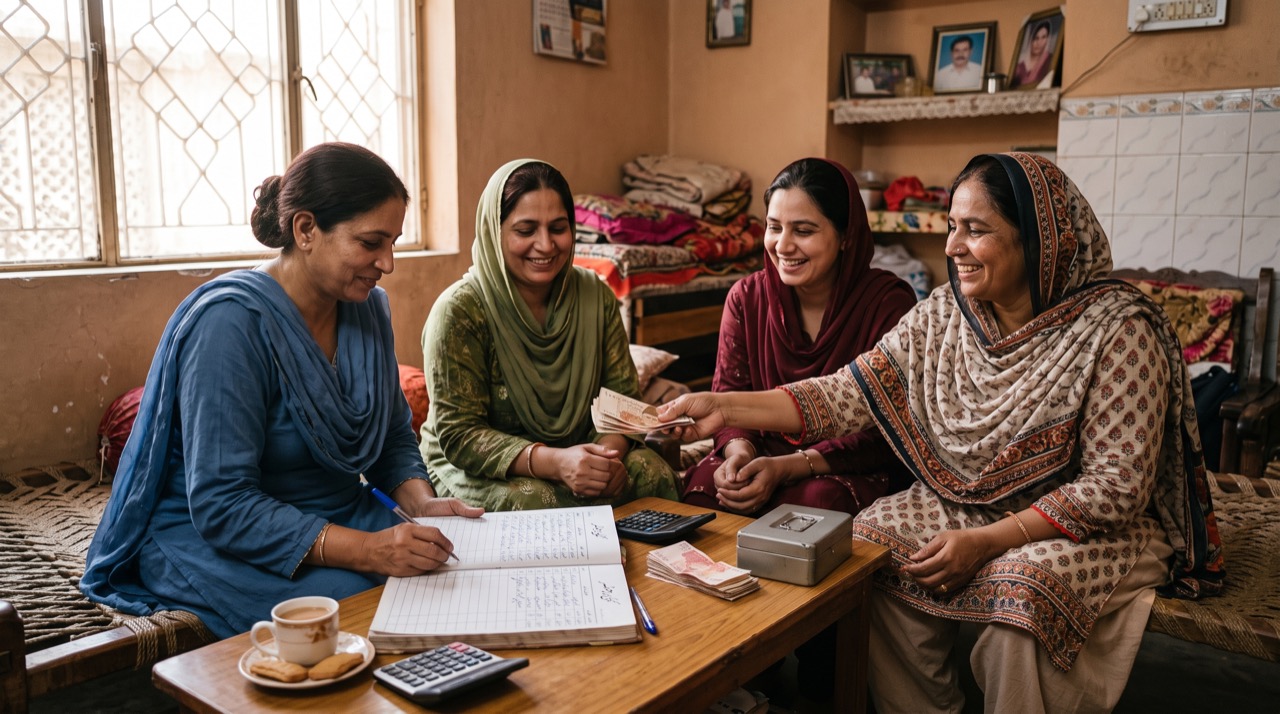
Most people don't overspend because they're careless with money — they overspend because they never actually see where it goes. A Rs. 200 chai here, a Rs. 500 mobile load there, a Rs. 1,500 Careem ride — none of it feels like much in the moment, but by the end of the month it can add up to a real dent in your salary. The good news is that expense tracking doesn't need to be complicated or expensive. You just need a method that matches your habits, because the best tracking system is the one you'll actually keep using after the first week.
Start With the Notebook Method (Zero Cost, Zero Apps)
If you're new to tracking, start on paper. It forces you to physically write down every rupee you spend, which builds awareness faster than any app notification ever will.
- Keep a small pocket notebook or use the notes app on your phone as a stand-in for a diary.
- Write down every expense the same day — amount, item, and category (food, transport, bills, family, misc).
- At the end of each week, total each category and compare it to what you expected.
- Circle any expense that surprised you. These "surprise" entries usually reveal your real spending leaks — extra tea breaks, impulse online orders, or frequent small cash withdrawals from ATMs (which also cost you withdrawal fees).
This method works especially well for people who deal mostly in cash, which is still common for daily bazaar shopping, rickshaw fares, and street food across Pakistani cities.
Move to a Spreadsheet Once You Know Your Categories
After two or three weeks of notebook tracking, you'll already know your natural spending categories. That's the right time to move to a simple spreadsheet in Google Sheets or Excel, since it does the math for you and lets you see monthly trends.
- Set up columns: Date, Category, Description, Amount, Payment Method (cash, EasyPaisa, JazzCash, card).
- Add a simple SUM formula per category so totals update automatically.
- Create a separate tab for fixed monthly bills (rent, electricity, gas, mobile packages, school fees) so they don't get lost among daily small spends.
- Use Google Sheets on your phone so you can log an expense the moment it happens, rather than trying to remember it at night.
A spreadsheet also makes it easy to spot a pattern most people miss: how much goes out through mobile wallets. Because EasyPaisa and JazzCash transactions feel less "real" than handing over cash, they're often where budgets quietly leak.
Free Apps Worth Trying
If typing into a spreadsheet feels like a chore, a dedicated expense-tracking app can log purchases in a couple of taps and give you charts without any manual formula work.
- Money Manager and Wallet by BudgetBakers — both have free tiers with category breakdowns and are widely used in South Asia.
- Your bank's own app — most Pakistani banks now show a monthly spending summary by category inside their mobile app, which is a free tracking layer you may already have and aren't using.
- Built-in phone tools — both Android and iPhone have basic budgeting or spending-summary features tucked into their finance or wallet apps.
Whichever app you pick, check that it lets you export data or view it as a simple list — dashboards with too many colours and charts can actually make it harder to notice the one habit that's costing you money.
Make It a Habit, Not a Project
The method matters less than the consistency. Pick one system, commit to logging every expense — even the small Rs. 50 ones — for a full 30 days, and review it weekly rather than daily to avoid burnout.
You can't fix a leak you can't see. Tracking isn't about restricting yourself — it's about finally knowing the truth of where your money goes.
Roman Urdu
Aksar log paisa is liye khatam nahi hota kyunke woh lapervah hain — balke is liye khatam hota hai kyunke unhe pata hi nahi hota paisa ja kahan raha hai. Rs. 200 ki chai, Rs. 500 ka mobile load, Rs. 1,500 ka Careem ride — mahine ke end mein yeh sab mil kar tanخواh ka acha khasa hissa kha jate hain. Expense tracking mushkil ya mehnga hona zaroori nahi. Bas aisa tareeqa chunain jo aapki adaat se match kare, taake pehle hafte ke baad bhi use karte rahein.
Notebook se shuru karein: Ek choti notebook ya phone ki notes app mein har roz ka kharcha likhein — amount, cheez, aur category (khana, transport, bills, ghar, extra). Hafte ke end pe total karein aur dekhein kaunsi category expect se zyada nikli. Jo entries hairan karein unhe circle karein — yeh hi aapke asal "leaks" hote hain.
Spreadsheet ki taraf move karein: Do teen hafton baad jab aapko apni categories samajh aa jayein, Google Sheets mein simple columns banain — Date, Category, Description, Amount, Payment Method (cash, EasyPaisa, JazzCash, card). Fixed bills (rent, bijli, gas, mobile package) ke liye alag tab rakhein taake woh chhote daily kharchon mein gum na hon.
Free apps try karein: Money Manager ya Wallet by BudgetBakers jaisi apps free mein category-wise breakdown deti hain. Apne bank ki app bhi check karein — aksar usmein pehle se monthly spending summary maujood hoti hai jo log use hi nahi karte.
Sab se zaroori baat yeh hai ke jo bhi tareeqa chunain, usay 30 din tak consistently follow karein — har chhota Rs. 50 ka kharcha bhi likhein — aur roz ke bajaye hafte mein ek baar review karein taake yeh boring na lage. Jo leak aap dekh nahi sakte, usay theek nahi kar sakte — tracking ka maqsad khud ko rokna nahi, balke sach jaan'na hai.