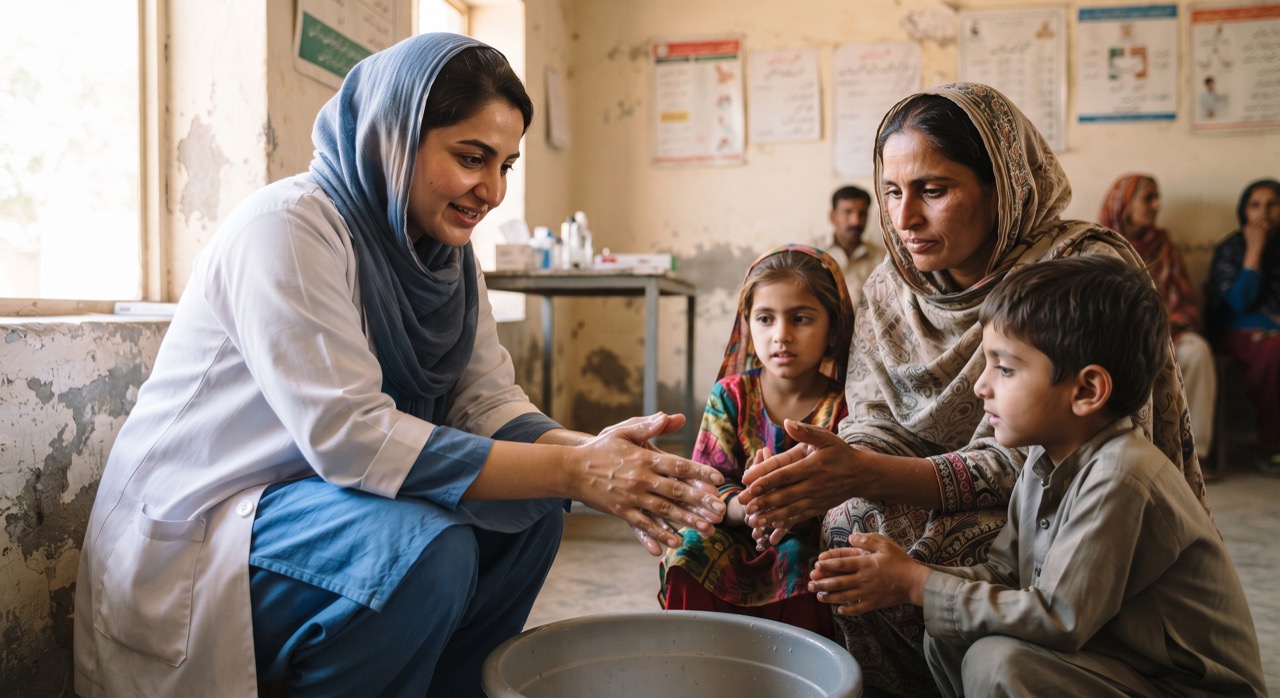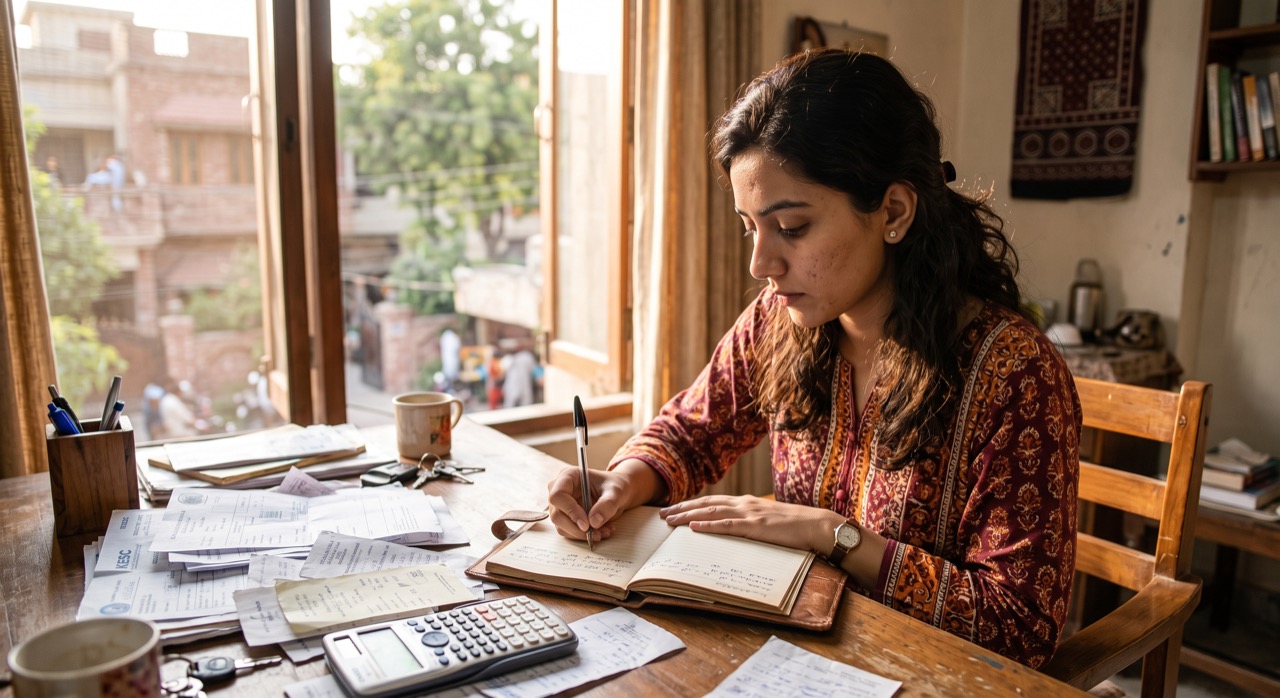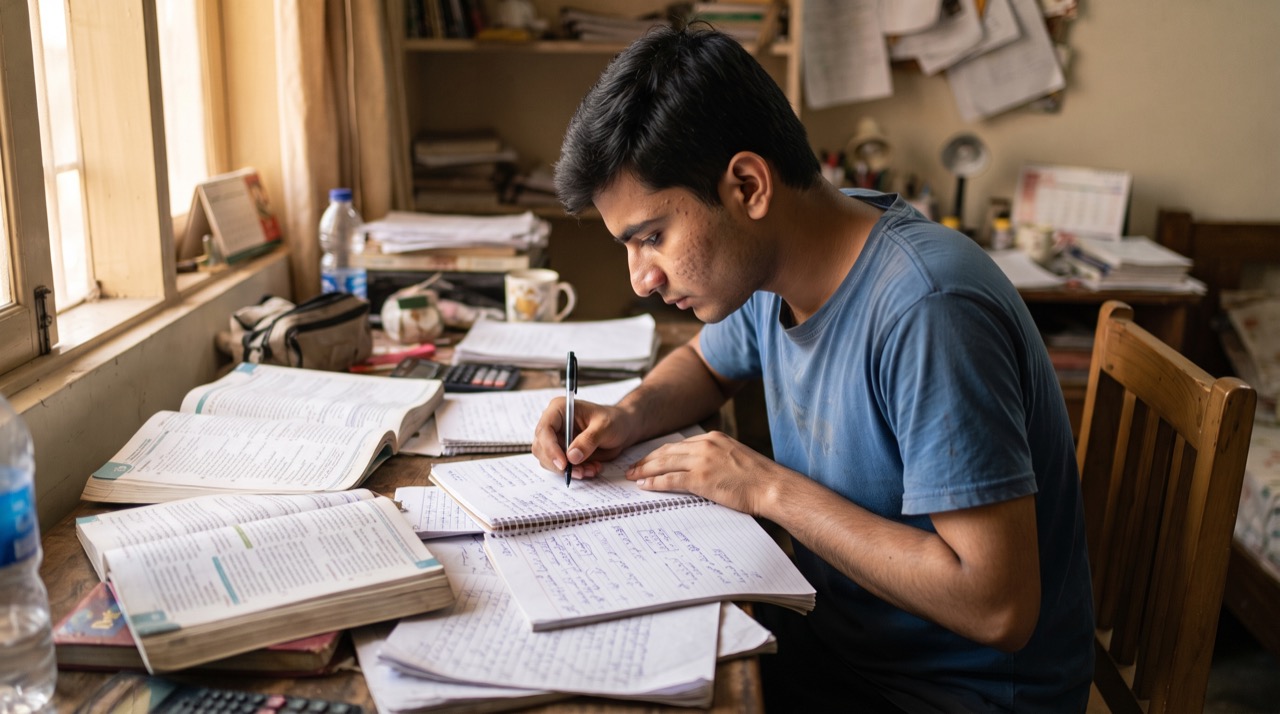
Every year, lakhs of candidates across Punjab compete for a limited number of seats in Punjab Public Service Commission (PPSC) exams — from Excise Inspector and Tehsildar to Assistant and Sub-Registrar posts. The syllabus looks huge at first glance, but PPSC written tests actually follow a predictable pattern once you break them down. This guide focuses on the three subjects that decide most candidates' fate: General Knowledge, Current Affairs, and Islamiat/Pak-Studies — the sections where consistent daily effort beats last-minute cramming every time.
Building a General Knowledge Base That Actually Sticks
General Knowledge in PPSC papers is rarely about obscure trivia — it repeats a core set of themes year after year: geography of Pakistan, world capitals and currencies, famous personalities, sports records, inventions, and basic science facts. Instead of reading random GK books cover to cover, organize your prep around these recurring buckets:
- Pakistan-specific facts: provinces, districts, rivers, mountain ranges, dams, borders, and national symbols — these appear in almost every paper.
- World geography and organizations: UN bodies, SAARC, OIC, headquarters of major international organizations, and their heads.
- Science and technology basics: everyday physics, human biology, and recent tech developments reported in mainstream news.
- Sports and honors: major tournaments, Pakistani record-holders, and national/international awards.
- Static one-liners: "first," "largest," "longest" type facts that MCQs love to test.
Keep a single revision notebook (physical or a notes app) where you log every new fact you encounter from past papers, not a fresh book each time. Repetition across multiple past papers is the single best predictor of what will show up again.
Making Current Affairs Work For You, Not Against You
Current affairs feels unmanageable because news never stops — but PPSC tests are usually finalized months before the exam date, so the "current" window that matters is roughly the 6-12 months before your test, not the whole year. A sustainable routine:
- Read one credible Urdu or English newspaper daily, focusing on national politics, economy, and international relations — skip entertainment and opinion pieces.
- Maintain a monthly current affairs summary sheet: key appointments, policy changes, budget figures, and major international events.
- Track Pakistan's foreign relations developments, especially with neighboring countries and international lenders like the IMF.
- Follow official government communications and the PPSC official website regularly for syllabus updates, test schedules, and any subject weightage changes specific to your post.
Avoid switching between five different current affairs apps — pick one reliable source and go deep rather than wide.
Islamiat and Pak-Studies: High-Yield, Low-Excuse
This is the section where marks are easiest to secure because the content is fixed and doesn't change with the news cycle. Prioritize:
- Basic Islamic history: life of the Holy Prophet (PBUH), major events, and the Rashidun Caliphate timeline.
- Pillars of Islam, key Quranic themes, and commonly asked Hadith references.
- Pakistan Movement history: key dates, personalities (Allama Iqbal, Quaid-e-Azam), and constitutional milestones from 1940 to 1973.
- Ideology of Pakistan and the reasoning behind major historical resolutions and declarations.
Because this content is static, it rewards spaced repetition — revisit the same notes weekly rather than reading once and moving on.
Consistency across a few reliable sources will always outperform a scattered rush through a dozen guidebooks in the final week.
Putting It All Together Before Exam Day
- Solve at least 5-10 years of past PPSC papers for your specific post — patterns repeat more than most candidates expect.
- Time yourself on mock MCQ sets to build speed under pressure.
- Revise your consolidated notebook in the final two weeks instead of reading new material.
- Confirm your test date, roll number, and center details directly from the official PPSC portal to avoid last-minute surprises.
PPSC preparation rewards discipline over intensity. A focused two-to-three-hour daily routine sustained over several months will consistently outperform sporadic all-night study sessions before the test.
Roman Urdu
PPSC ke jobs aur written tests ke liye tayyari mushkil nahi hoti agar aap ise sahi tareeqe se organize karein. General Knowledge mein wahi topics baar baar aate hain — Pakistan ki geography, darya, pahar, world capitals, currencies, sports records aur mashhoor shakhsiyat. Ek hi notebook mein sab notes likhein taake revision aasan rahe, har dafa nayi book na uthayein.
Current affairs ke liye rozana ek reliable newspaper parhna kaafi hai — pura saal ka data yaad rakhna zaroori nahi, sirf exam se 6 se 12 mahine pehle ke important events par focus karein. Har mahine ek summary sheet banayein jisme important appointments, budget aur foreign relations ke updates note ho. Apne post ki exact tareekh aur syllabus update ke liye PPSC ki official website zaroor check karte rahein.
Islamiat aur Pak-Studies sabse aasan marks dete hain kyunke ye content fixed hota hai. Prophet (PBUH) ki zindagi ke bunyadi waqiyat, Islam ke pillars, aur Pakistan Movement ki important tareekhein (1940 se 1973 tak) yaad karein. Allama Iqbal aur Quaid-e-Azam se mutalliq key events par khaas dhyan dein.
Aakhir mein, pichle 5 se 10 saal ke past papers apne post ke hisaab se zaroor solve karein — isse pattern samajh aata hai ke kis tarah ke sawal repeat hote hain. Mock tests se speed banayein aur last do hafton mein sirf apni purani notebook revise karein, nayi cheez shuru na karein. Rozana teen ghante ka consistent routine, ek raat ki jaagi hui mehnat se hamesha behtar result deta hai.