Debt in Pakistan rarely arrives as one clean loan. It builds up quietly — a credit card minimum payment here, a BNPL instalment for a mobile phone there, a committee (BC) contribution you're behind on, a gold-backed loan from the local jeweller, and maybe a personal loan from a sibling you haven't repaid. By the time it feels overwhelming, most families don't even have a full picture of what they owe. The good news is that debt is a math problem with a behavioural solution, and it responds well to a plan followed consistently for a few months, not a miracle fix.
Step 1: Write Down Every Single Debt
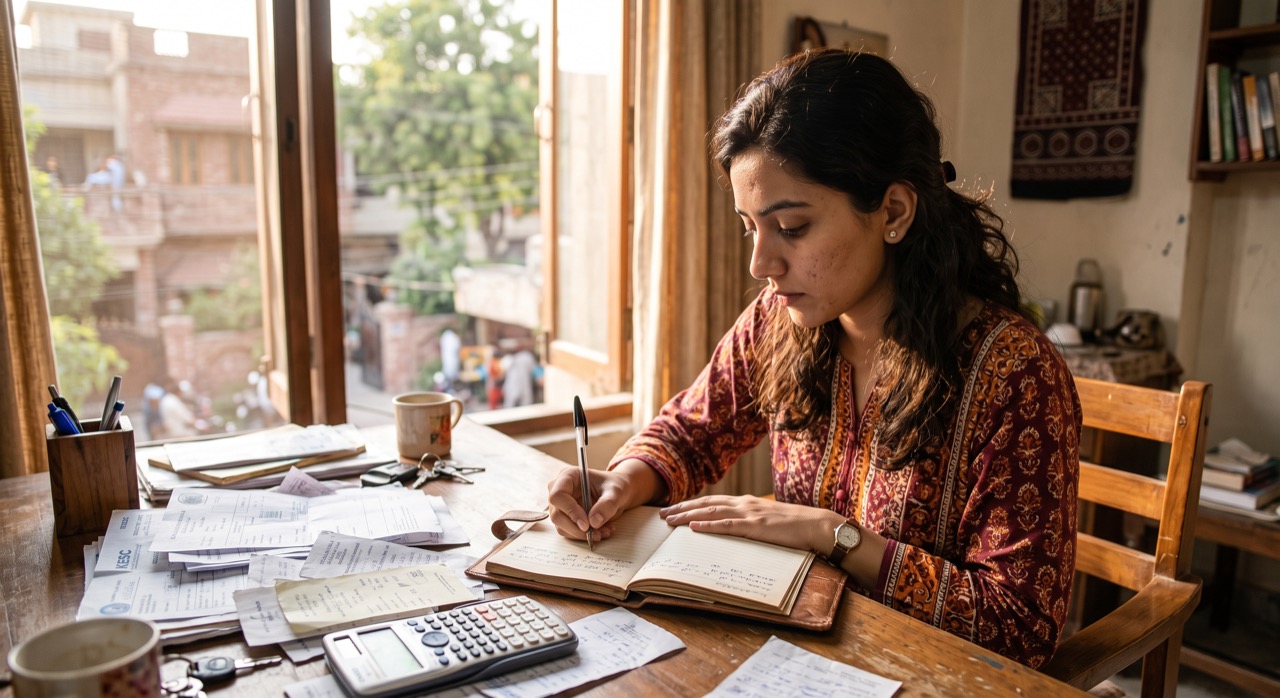
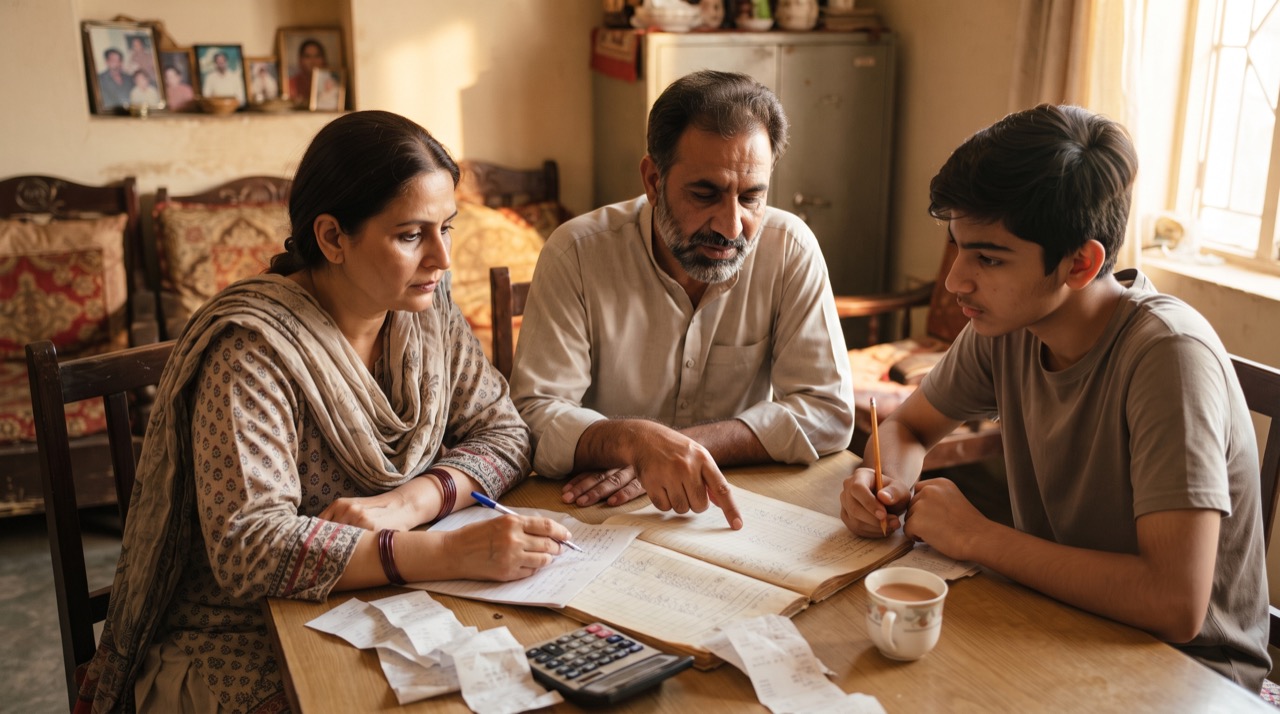
Before anything else, list every debt on one page — a notebook or a simple spreadsheet works fine. For each one, record:
- Who you owe (bank, BNPL app, jeweller, relative, mobile company)
- Total outstanding amount
- Minimum monthly payment
- Interest or markup rate, if any (credit cards in Pakistan often carry 30–40% APR when you don't pay in full)
- Due date each month
Include informal debts too — money borrowed from family, unpaid committee instalments, and advances from your employer. These carry emotional weight even without interest, and leaving them off the list means your plan is incomplete. Most people who do this exercise for the first time are relieved to discover the number is smaller and more specific than the vague dread they were carrying around.
Step 2: Pick Snowball or Avalanche — Then Automate It
Two methods work, and both beat doing nothing:
- Snowball method: Pay minimums on everything, then throw every extra rupee at your smallest balance first. Once it's cleared, roll that entire payment into the next-smallest debt. This builds momentum and quick wins, which matters when motivation is the real obstacle.
- Avalanche method: Same approach, but target the debt with the highest interest rate first — usually credit cards or BNPL late fees. This saves more money mathematically, especially useful if your highest-rate debt is also large.
If you're juggling five or more small debts and feel stuck, snowball is usually the better fit psychologically. If one debt is clearly bleeding you with a high markup, avalanche saves more rupees. Either way, set up standing instructions or auto-debit so payments happen without requiring willpower every single month.
Step 3: Negotiate With Lenders Before You Default
Pakistani banks and lenders are far more flexible before you miss a payment than after. Call your bank's collections or customer service line and ask directly:
- Can my markup rate be reduced or restructured over a longer tenure?
- Is a one-time settlement offer available for a lump sum less than the full balance?
- Can a missed payment be rescheduled instead of reported late?
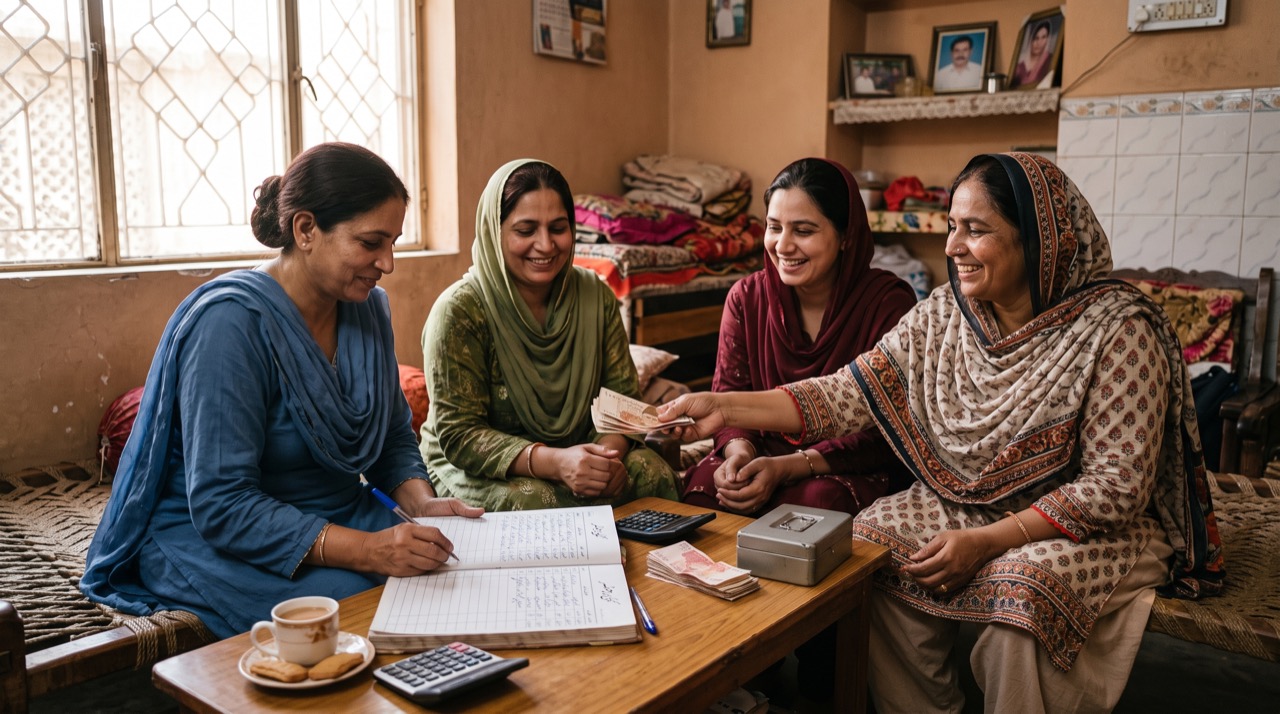
For informal lenders — a relative, a shopkeeper, a committee organiser — propose a fixed, smaller monthly amount in person rather than avoiding the conversation. Most people would rather receive something reliably than nothing while resenting you. If a recovery agent becomes abusive or threatening, you have the right to file a formal complaint; the State Bank of Pakistan regulates how banks must handle consumer collections and complaints.
Protect the Household While You Pay It Down
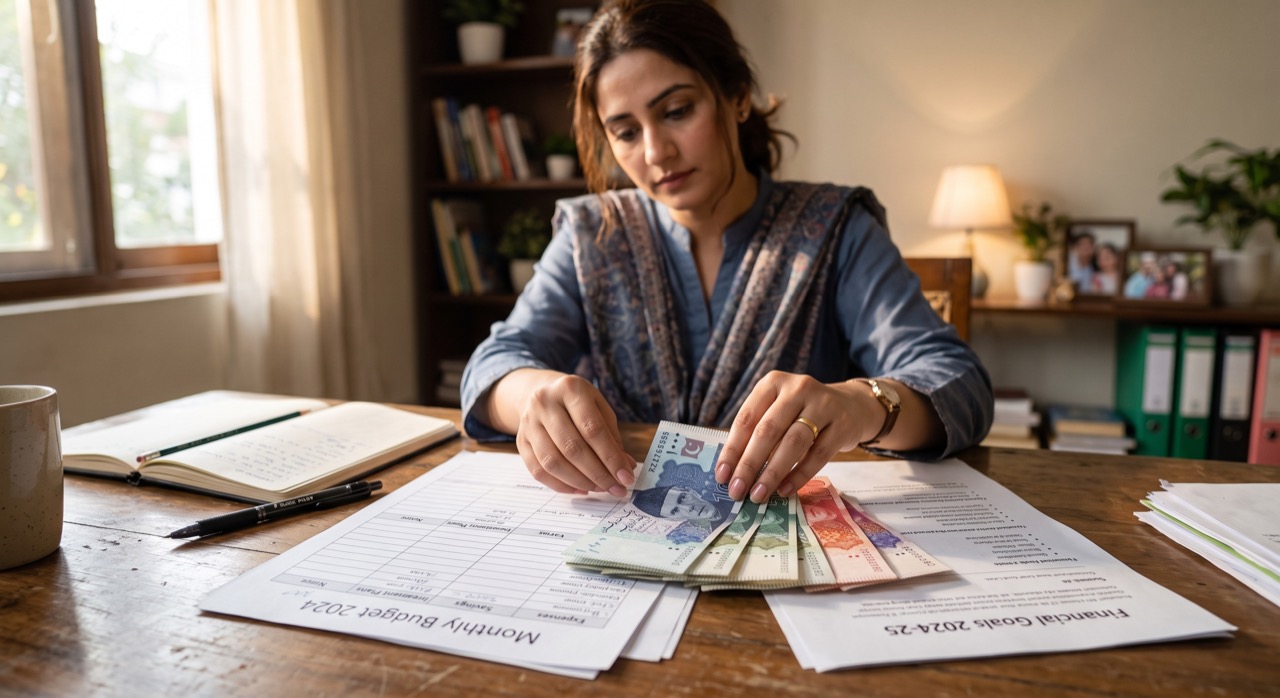
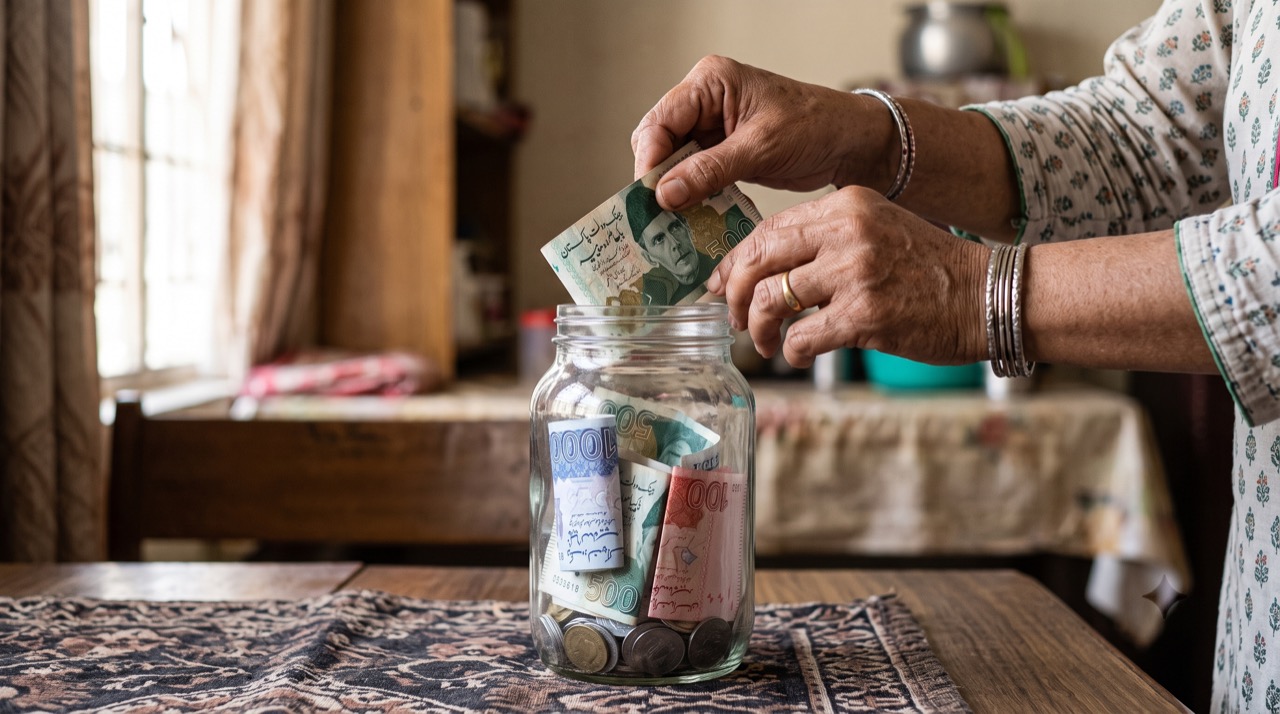
Stop adding new debt while clearing old debt — freeze BNPL apps and cut up cards if needed. Build a tiny emergency fund of even Rs. 5,000–10,000 alongside your payoff plan, so the next unexpected expense doesn't force you back onto a credit card.
A debt plan doesn't need to be perfect to work — it needs to be written down, realistic about your income, and followed for more months than you think it will take.
Roman Urdu
Pakistan mein karza aksar ek jagah se nahi aata — credit card ki minimum payment, BNPL app ki qist, committee ka bacha hua hissa, sunar se liya gaya loan, ya kisi rishtedar se udhaar, sab mil kar bojh ban jaate hain. Pehla kaam yeh hai ke har karza ek jagah likh lein — kis ko dena hai, kitna dena hai, minimum qist kitni hai, aur markup rate kya hai. Ghar walon ya committee ka udhaar bhi zaroor likhein, chahe us par sood na ho, kyunke yeh bhi zehni bojh banata hai.
Iske baad do tareeqon mein se ek choose karein. Snowball method mein sab qiston ki minimum payment karte hue, jo sabse chhota karza hai us par extra paisa lagayen — jaise hi woh khatam ho, us ki pori raqam agle chhote karze mein daal dein. Yeh tareeqa jaldi natija dikhata hai aur hosla badhata hai. Avalanche method mein sabse zyada markup wale karze ko pehle nishana banayein — is se paisa zyada bachta hai lekin natija dair se nazar aata hai. Agar aap ke paas chhote chhote bohat se karze hain to snowball behtar hai; agar ek karza bohat zyada sood khaa raha hai to avalanche behtar rahega.
Teesra qadam hai lenders se baat karna — default hone se pehle. Bank ko call karke pochein ke kya rate kam ho sakta hai, ya lambi muddat mein restructure ho sakta hai, ya ek settlement offer mil sakta hai. Ghar walon ya committee organiser se bhi khul kar baat karein aur choti magar pakki monthly raqam offer karein — yeh cheezein chhupane se zyada asar rakhti hain. Agar koi recovery agent badtameezi kare to State Bank of Pakistan mein shikayat darj karayi ja sakti hai, kyunke consumer ke haqooq mehfooz hain.
Aakhir mein, naya karza lena band karein jab tak purana khatam na ho jaye, aur agar mumkin ho to chhoti si emergency fund (5,000–10,000 rupees) bhi banayein taake agla achanak kharcha dobara credit card par na jaye. Plan perfect hona zaroori nahi, bas likha hua aur mustaqil mizaji se follow kiya gaya hona chahiye.