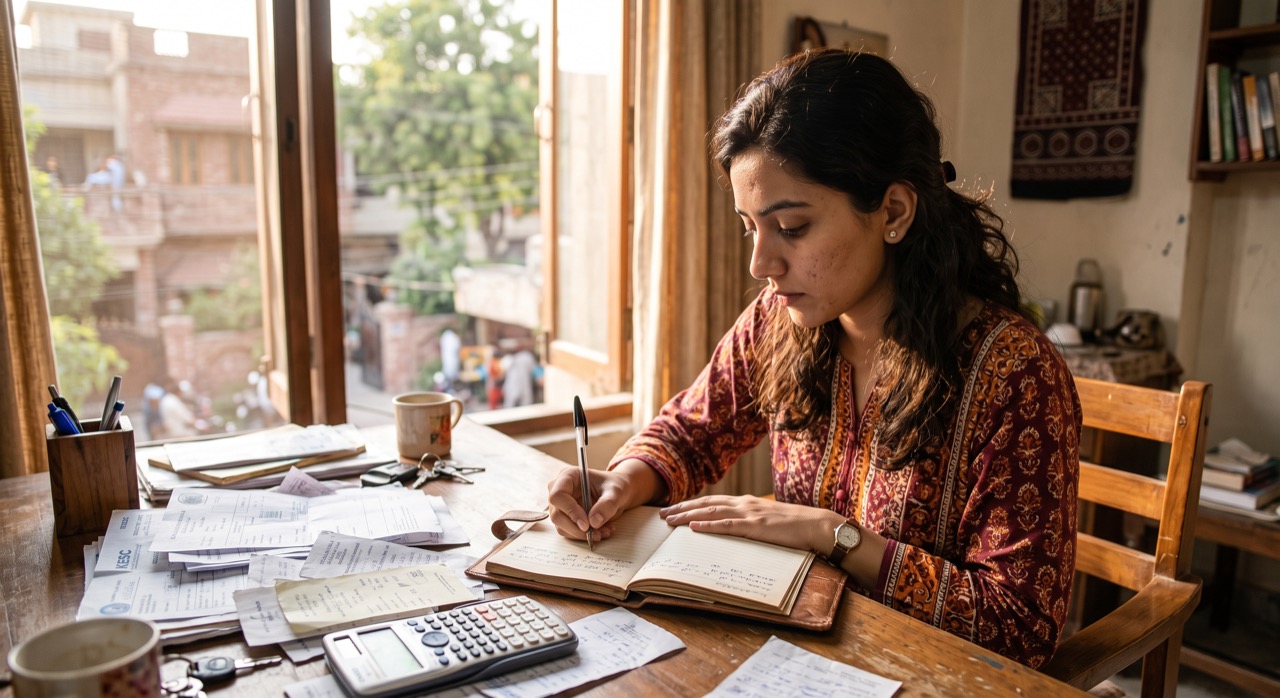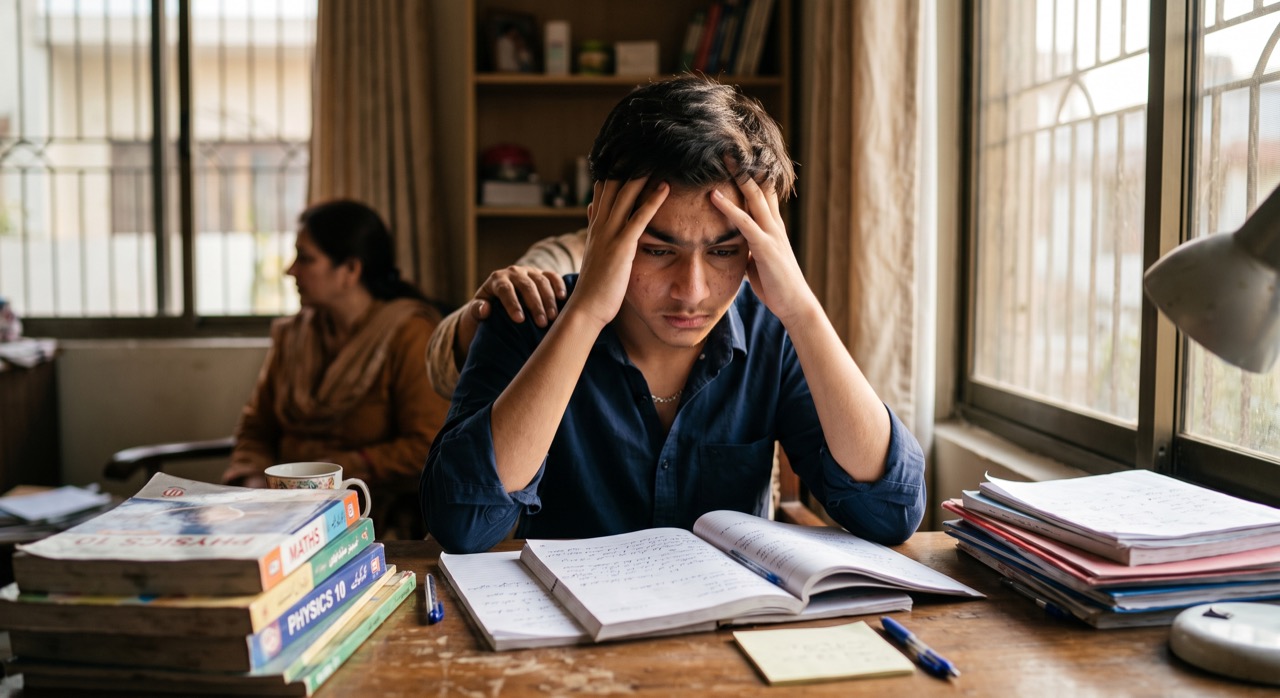
Every exam season — board results in spring, university finals in winter, entry tests scattered through the year — Pakistani homes fill with the same tension: late-night revision, half-eaten dinners, and a low hum of worry nobody quite names. A little stress before an exam is normal, even useful — it sharpens focus. The problem starts when stress stops sharpening and starts shrinking sleep, appetite, and the ability to recall what was studied days earlier. Here are specific, doable steps for students and parents, not just "don't worry, beta."
Study Smarter, Not Just Longer
Cramming feels productive because it's exhausting, but exhaustion isn't learning. The brain retains information far better through spaced, active study than one long panicked session the night before.
- Study in 25–30 minute blocks with short breaks — the Pomodoro method. Attention drops sharply after 40 minutes of continuous reading.
- Test yourself instead of re-reading. Close the book, write the answer from memory, then check it — this builds recall far better than highlighting notes.
- Solve past papers under timed conditions. It's one of the best predictors of exam-day performance, training both knowledge and pacing.
- Study the hardest subject first, while concentration is freshest, not last when willpower is gone.
Protect Your Sleep Before the Exam
Skipping sleep to "finish one more chapter" is one of the costliest mistakes in exam season. Sleep is when the brain files away what was studied that day — without it, information sticks far less, and mood and reaction time both suffer the next morning.
- Aim for 7–8 hours nightly, even in the final week — a tired brain gains less from an extra hour of revision than it loses from an hour less sleep.
- Keep a consistent bedtime and wake time; irregular sleep confuses the body's clock more than short sleep does.
- Put the phone away 30 minutes before bed — scrolling group chats about "how much syllabus is left" raises anxiety exactly when the body needs to wind down.
- Cut tea, coffee, and energy drinks after early evening; caffeine can stay in the system for six hours or more.
Calm-Down Techniques for Exam Day
Panic in the exam hall usually comes from the body, not the syllabus — a racing heart and shallow breathing make it hard to think even when the answer is known.
- Box breathing: inhale for 4 counts, hold for 4, exhale for 4, hold for 4. Repeat for two minutes before entering the hall.
- Read the whole paper first before writing anything — knowing its shape reduces fear of the unknown.
- Start with the question you know best, not the first one on the page. An early win calms the nervous system.
- Skip last-minute cramming outside the exam hall — flipping through notes in the final five minutes usually adds panic, not marks.
A tired, anxious brain does not remember more just because it was given more hours — past a point, it remembers less.
For Parents: Support Without Added Pressure
Parents want the best for their children, but well-meant pressure often backfires. What helps most during exams is rarely another lecture about hard work — it's a calmer home.
- Avoid comparing marks with cousins, neighbours, or siblings — comparison raises anxiety without raising performance.
- Keep meals light, regular, and on time; a heavy meal before an exam causes sluggishness, while skipped meals cause irritability and poor focus.
- Watch for signs that need more than reassurance — not eating for days, constant crying, extreme withdrawal, or talk of hopelessness — and involve a doctor or counsellor, not just encouragement to "relax."
- Remind them, sincerely, that one exam doesn't decide a life. Many successful people didn't get their hoped-for result on the first attempt.
Roman Urdu
Exam season aate hi ghar ka mahol tension se bhar jata hai — raat gaye tak parhai aur ek khamosh sa dar jo koi khul kar nahi kehta. Thoda stress normal hai, magar jab neend aur yaadasht kharab hone lage to masla ban jata hai. Yahan kuch practical tips hain.
Parhai ka Tareeqa Behtar Banayen
Raat bhar jaag kar cramming karna waqt zaya karna hai. 25–30 minute parhein, phir thoda break lein (Pomodoro technique). Kitab band kar ke khud se answer likhne ki koshish karein — is se yaad zyada pakki hoti hai. Purane papers time laga kar solve karein, ye best practice hai. Mushkil subject sab se pehle parhein, jab dimagh fresh ho.
Neend Poori Karein
Ek chapter aur khatam karne ke chakkar mein neend qurban na karein — dimagh soote waqt hi din bhar ki parhai yaad mein set karta hai. Roz 7–8 ghante soyein, sone-uthne ka waqt fix rakhein. Phone door rakh dein, warna "kitna syllabus reh gaya" wali group chats tension badha deti hain. Sham ke baad chai, coffee ya energy drinks se bachein.
Exam ke Din Khud ko Sambhalein
Exam hall mein ghabrahat aksar dimagh ki nahi, jism ki wajah se hoti hai. Char count saans andar lein, char roken, char mein bahar chorein, phir char roken — ye "box breathing" do minute karein. Pura paper pehle parh lein, jo sawal acha aata ho wahi se shuru karein. Akhri panch minute mein notes palatne se bachein.
Walidain ke Liye
Bachon ke number kisi se compare na karein — is se sirf pressure badhta hai. Khana waqt par aur halka rakhein. Agar bacha kai din se theek se kha nahi raha, bohot ro raha hai, ya umeed chor chuka lage to doctor ya counsellor se baat karein — sirf "relax karo" kehna kafi nahi. Unhe yaad dilayein ke ek exam poori zindagi ka faisla nahi karta.