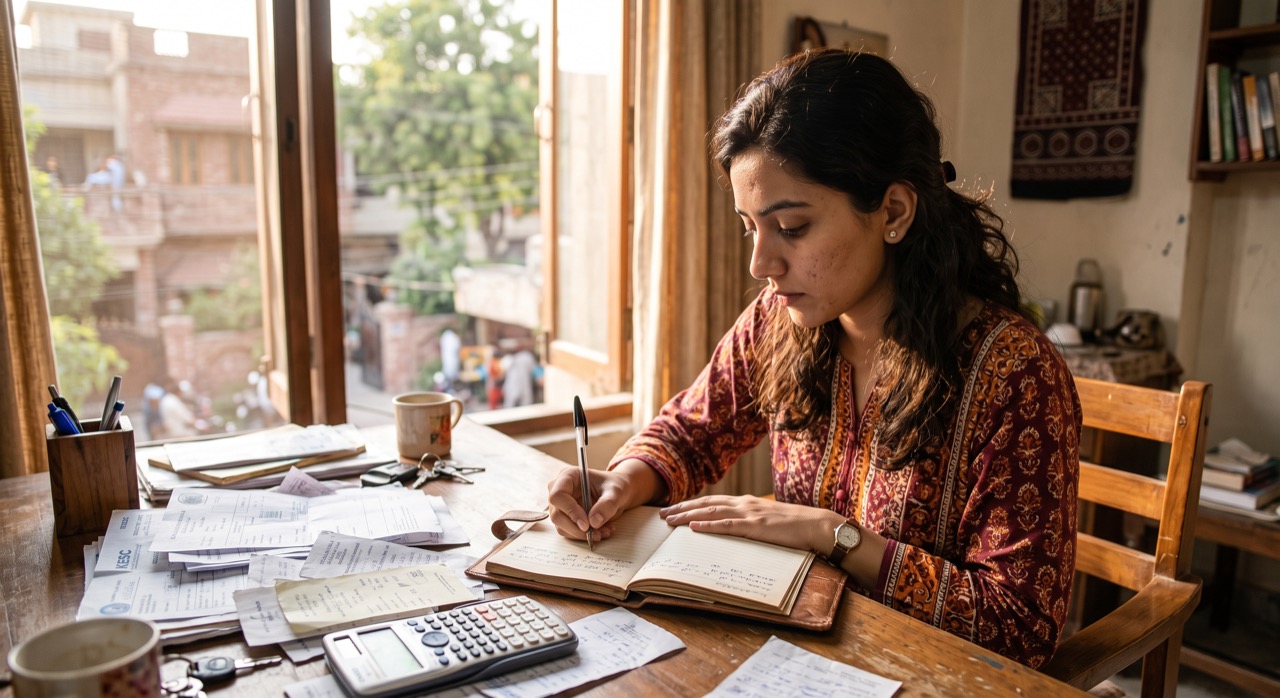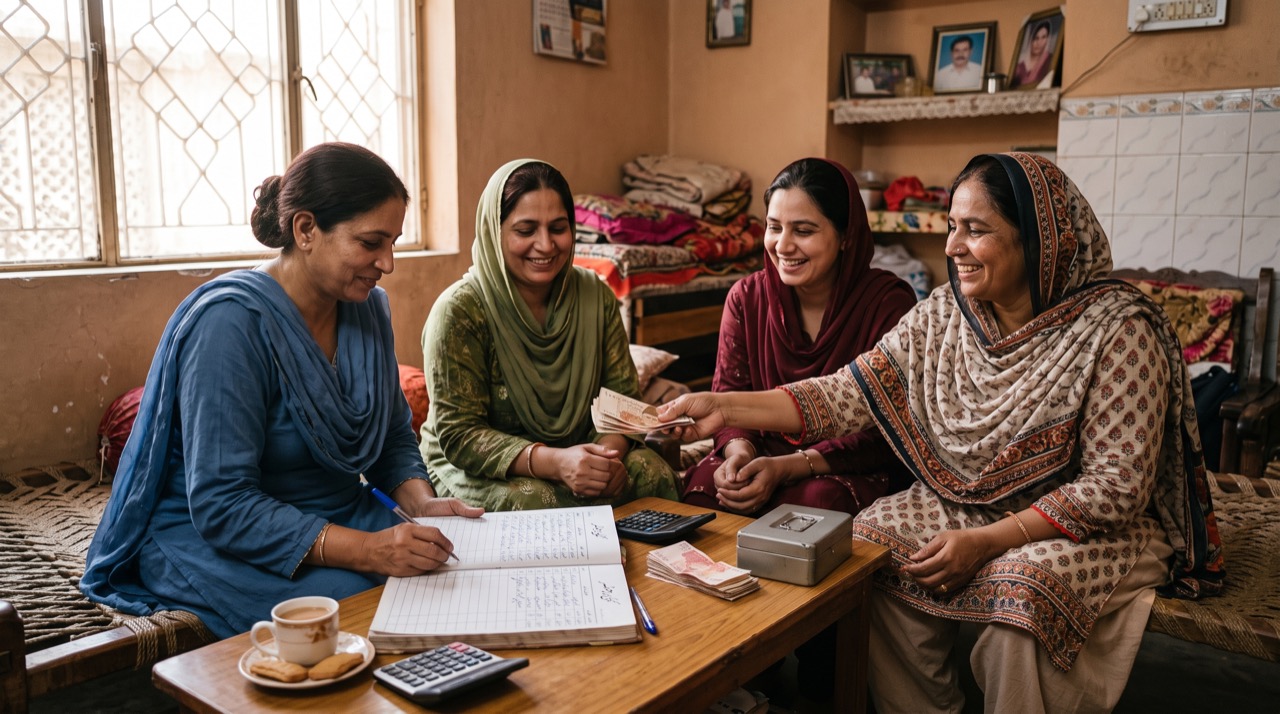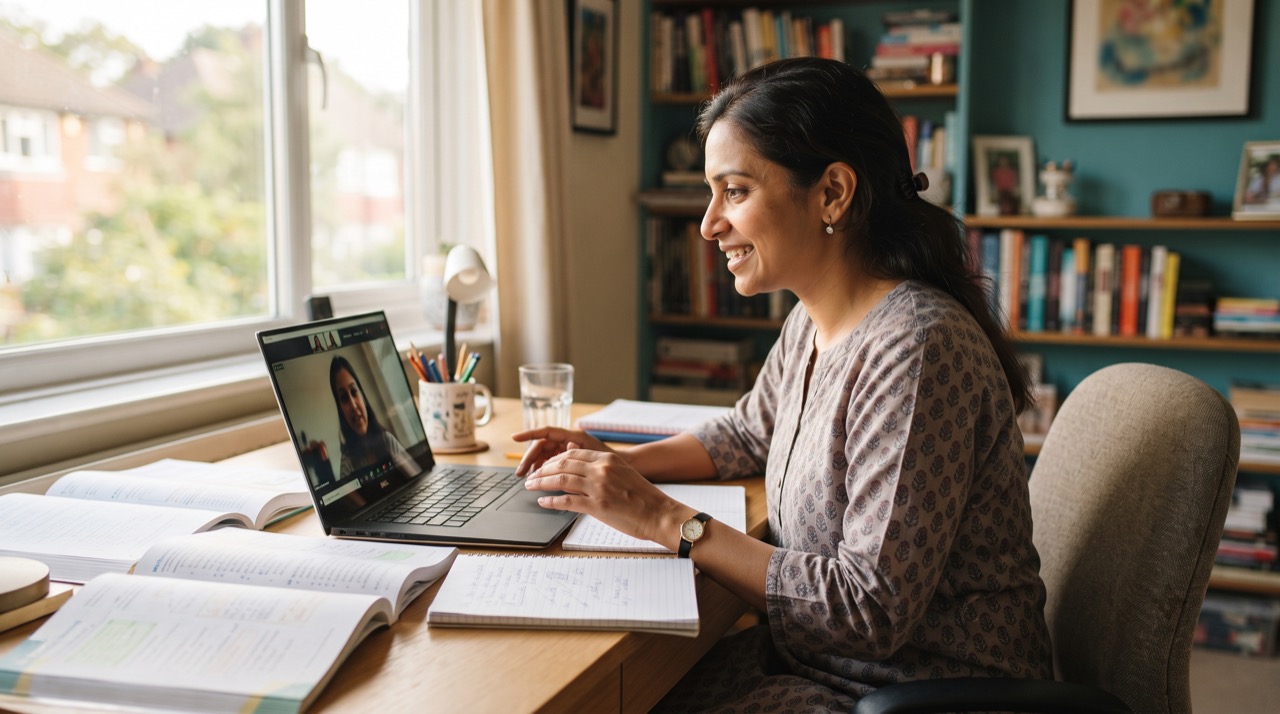
Home tutoring has always been a reliable side income in Pakistan, but the shift to online teaching has quietly turned it into something bigger — a business you can run from a spare room with a laptop and a stable internet connection. Whether you're coaching a neighbour's child through Matric maths or teaching English to students abroad, the same three questions decide whether you make pocket money or a proper income: what do you charge, how do you find students, and how do you grow past teaching one child at a time.
Setting Rates That Actually Make Sense
Most new tutors either undercharge out of nervousness or guess a number with no basis. Instead, anchor your rate to three things: subject demand, your own credentials, and the local market you're in.
- School-level subjects (Matric/Inter, O/A Levels): Beginner tutors in most Pakistani cities charge roughly PKR 800–2,000 per hour for one-on-one sessions; O/A Level and science subjects sit at the higher end because demand outstrips supply of good tutors.
- Test-prep (MDCAT, ECAT, NTS, CSS): These command a premium — often PKR 1,500–3,000/hour or a flat course fee — because students are paying for results, not just content.
- Group batches: Charge each student a lower per-head rate (e.g. PKR 500–800) for a 4–6 student group; your hourly earnings go up even though each student pays less.
- International online teaching (mostly spoken English): Platforms like Preply and Cambly pay in USD, which converts to a meaningfully higher PKR rate than local tuition — but expect a learning curve and lower pay while you build reviews.
Review and adjust your rate every few months rather than locking it in forever — a tutor who gets consistent results should be raising prices, not freezing them out of habit.
A tutor who never raises their rate isn't being humble — they're training their best students to expect to underpay them forever.
Finding Your First Students
- Start with your existing network: Family, neighbours, and your own school/college WhatsApp groups are still the fastest way to land your first two or three students with zero marketing cost.
- Local Facebook groups and OLX: Search "home tuition + your city" — these groups are extremely active in Pakistan and parents post requests daily.
- Marketplaces built for tutors: Superprof lets you list subjects, rates, and location, and parents contact you directly.
- Short-form content: A few genuinely useful 60-second explainer videos on the subject you teach, posted consistently, builds trust faster than any flyer — parents want to see how you actually explain a concept before they hire you.
- Referral discounts: Offer one free session or a small discount to any student who refers a friend — tuition spreads almost entirely by word of mouth in Pakistan, so make it worth their while to talk about you.
Scaling Beyond One-to-One
The ceiling on solo one-on-one tutoring is your own number of hours in a day. To break past it:
- Move strong students into small group batches once you have a few students on the same syllabus — same time investment, more income per hour.
- Record your explanations once, reuse them forever — a short recorded lesson on a tricky topic (say, quadratic equations or grammar tenses) saves you from re-teaching the same thing from scratch every term.
- Bring in a second tutor for a subject you don't teach and take a referral cut — this turns you from a solo tutor into a small tuition network.
- Collect digital payments properly via JazzCash or Easypaisa business accounts so records are clean and predictable, especially once you're managing several students' fees each month.
One factual note worth knowing early: tutoring income above the annual taxable threshold is subject to income tax in Pakistan, and registering for an NTN with the Federal Board of Revenue makes it far easier to open business bank accounts and prove income later — worth doing once your tuition income becomes steady rather than occasional.
Roman Urdu
Ghar se tuition aur online teaching Pakistan mein hamesha se acha side income raha hai, lekin online ho jaane se ye ab sirf pocket money nahi rahi — agar sahi tareeqe se karein to ye ek proper business ban sakta hai. Teen cheezein decide karti hain ke aap kitna kamayenge: rate kya rakhein, students kahan se layein, aur ek waqt mein ek student se aage kaise badhein.
Rate set karna: Matric/Inter ya O/A Level jaise subjects ke liye beginner tutors aam tor par PKR 800–2,000 per hour charge karte hain, aur science ya O/A Level thoda zyada kyunke achhe tutors ki demand zyada hai. MDCAT, ECAT ya NTS jese test-prep courses mein rate aur bhi zyada rakha ja sakta hai kyunke students result ke liye paisa de rahe hote hain. Group batches mein har student se kam charge karein magar total hourly income zyada ho jati hai. Agar English speaking online sikhana ho to Preply ya Cambly jese platforms USD mein pay karte hain jo PKR mein convert hone par local rate se behtar hota hai, magar shuru mein reviews banane tak thoda kam milta hai.
Students dhoondna: Sabse pehle apne khaandan, padosiyon aur school/college ke WhatsApp groups se shuru karein — ye bilkul free hai aur fast bhi. Local Facebook groups aur OLX par "tuition + apka city" search karke parents ki requests mil jati hain. Superprof jese platform par bhi apna profile bana sakte hain. Chhote explainer videos post karna bhi trust banata hai, aur referral discount dena word-of-mouth ko tez kar deta hai.
Age badhna: Jab ek hi syllabus ke kai students ho jayein to unhein chhote group batches mein shift kar dein — isse per-hour income barh jati hai. Mushkil topics ki lessons record kar lein taake bar bar wahi cheez naye se na parhani pare. Kisi doosre subject ke tutor ko apne saath jorh kar referral commission bhi le sakte hain. Payments JazzCash ya Easypaisa business account se lein taake record saaf rahe. Ek zaroori baat: agar tuition income taxable threshold se upar chali jaye to FBR mein NTN register karwana income prove karne aur business account kholne mein aasani deta hai.