Germany has become one of the most realistic destinations for Pakistani students who want a high-quality, internationally recognized degree without taking on crushing debt. Most public German universities charge little to no tuition even for international students, and the German Academic Exchange Service — known worldwide as DAAD — runs the largest and most trusted scholarship network for foreign students in the country. If you are planning your Master's or PhD and keep hearing "DAAD" from seniors who studied abroad, here is what the program actually offers and how to approach it without wasting a cycle.
What DAAD Actually Funds
DAAD is not a single scholarship — it is an umbrella organization running dozens of programs for different academic levels and fields. For Pakistani applicants, the most relevant categories are:
- Study Scholarships for Master's Courses — for graduates with a strong first degree who want to pursue a Master's, usually in development-related, engineering, or public policy fields.
- EPOS (Development-Related Postgraduate Courses) — specifically for applicants from developing countries, including Pakistan, covering Master's programs tied to development, governance, and technical fields at partner universities.
- Research Grants for Doctoral Candidates — for PhD research conducted fully or partly in Germany, open to applicants who already have a supervisor or research plan lined up.
- Short-Term Research Grants — for PhD students or young academics who need a few months in Germany to complete part of an ongoing research project.
- University-specific and subject-specific scholarships listed on the DAAD portal, which change depending on the intake year and partner institutions.
A typical DAAD Study Scholarship covers a monthly stipend (roughly €861–1,200 depending on degree level), health insurance, travel allowance, and sometimes a rent subsidy — enough to live on without needing outside income, though most students still budget carefully in expensive cities like Munich or Frankfurt.
Eligibility That Actually Matters
- A completed Bachelor's degree (for Master's scholarships) with strong academic standing — DAAD reviewers weigh your transcript heavily, so a CGPA below 3.0/4.0 will be a hard sell for competitive programs.
- Relevant work or research experience related to your intended field, even if it's a one-year job or a solid final-year project.
- Language proof: either an English proficiency certificate (IELTS/TOEFL, usually IELTS 6.5+) for English-taught programs, or German language proof for German-taught ones. Many technical Master's programs in Germany are taught fully in English.
- Not more than six years since completing your first degree at the time of application, for most Study Scholarships.
- A clear, specific study or research plan — vague motivation letters are the single biggest reason strong CVs get rejected.
The Application Process, Step by Step
- Pick the right program first. Search the DAAD database for scholarships open to Pakistani nationals in your subject area — categories and deadlines change yearly, so always confirm current details on daad.de rather than relying on old blog posts.
- Get a university admission offer lined up in parallel. Many DAAD tracks require you to apply to specific German universities or list preferred programs — the scholarship and university admission processes usually run side by side, not one after the other.
- Prepare your documents early. CV in the "Europass" format, a two-page letter of motivation, two academic reference letters, transcripts, degree certificates, and language certificates. Get transcripts attested by HEC in advance — this step alone can take weeks in Pakistan.
- Apply through the DAAD portal within the stated deadline (commonly October to November for the following year's intake, though this varies by program).
- Prepare for the interview. Shortlisted candidates are usually interviewed by a DAAD selection committee, sometimes through the German consulate or a local university partner in Pakistan. Be ready to explain, in plain terms, why this specific program and why Germany.
- After selection, apply for your German student visa with your award letter, which significantly strengthens your visa case since it proves funding.
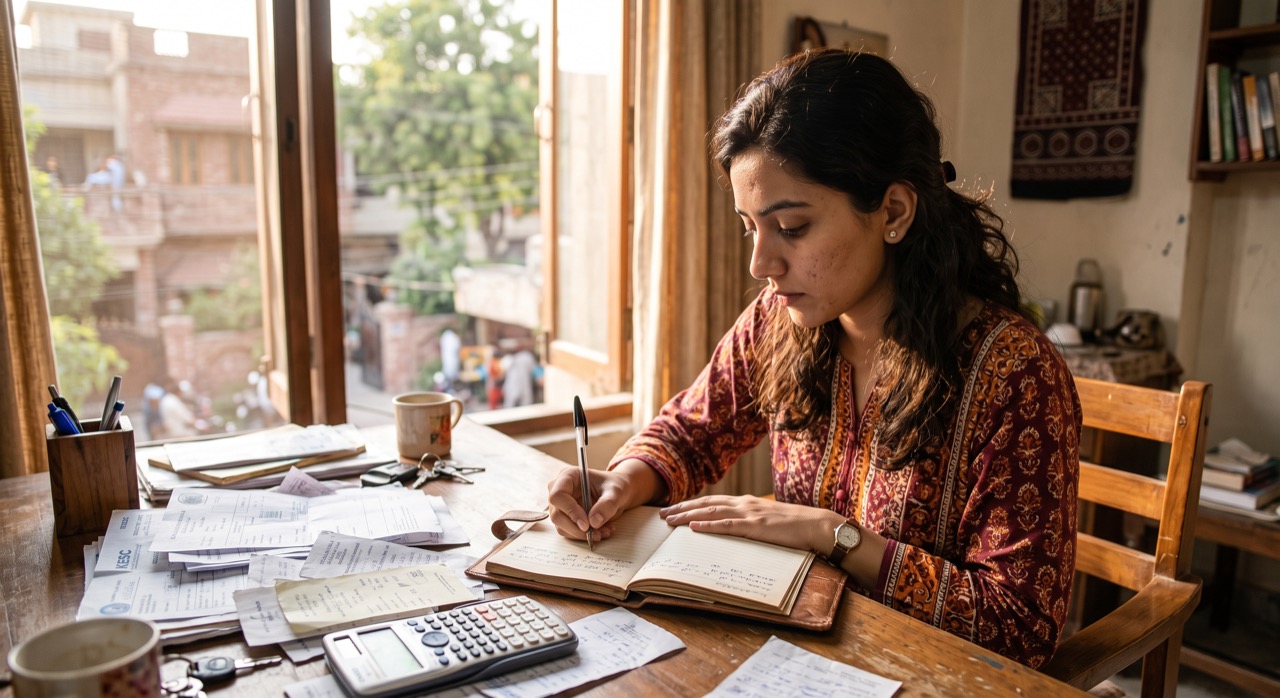
A DAAD-funded student from Lahore who was admitted to a Master's in Renewable Energy Engineering put it simply: the scholarship essay mattered less than being able to explain, in one paragraph, exactly what problem back home she wanted to solve with her degree.
Practical Tips for Pakistani Applicants
- Start at least 12 months before your intended intake — attestations, language tests, and reference letters take longer than expected.
- Tailor your motivation letter to Pakistan-specific context (energy, water, agriculture, public health, digital infrastructure) since DAAD's development-linked programs value applicants who plan to return and apply their skills locally.
- Contact your target German university's international office directly if program details on the DAAD site seem outdated — requirements do shift each cycle.
- Avoid paying any agent who claims to "guarantee" a DAAD scholarship — the process is merit-based and free to apply for directly.
Roman Urdu
Agar aap Germany mein fully funded Master's ya PhD karna chahte hain to DAAD (German Academic Exchange Service) sab se reliable aur bara scholarship network hai. Ye koi aik scholarship nahi balki bohat se alag programs ka majmua hai — jaise Master's ke liye Study Scholarships, developing countries ke students ke liye khaas EPOS program, PhD research ke liye Research Grants, aur chhote duration ke liye Short-Term Research Grants. In sab mein monthly stipend (taqreeban €861 se €1200), health insurance, aur travel allowance shamil hota hai, jo zyada tar shehron mein guzara karne ke liye kaafi hota hai.
Eligibility ke liye aapke paas strong academic record hona zaroori hai — CGPA jitna behtar ho utna acha, kyunke competition sakht hota hai. Field se related kaam ya research ka tajurba bhi madad karta hai. English-medium programs ke liye IELTS ya TOEFL (aam tor par IELTS 6.5+) chahiye, jabke German-medium programs ke liye German language ka proof chahiye hota hai. Sab se zyada important cheez ek clear aur specific study plan hai — vague motivation letter reject hone ki sab se badi wajah banta hai.
Application process mein sab se pehle apne subject se related scholarship daad.de par dhoondein, kyunke categories aur deadlines har saal change hoti hain. Sath hi German university mein admission ke liye bhi parallel apply karein, kyunke dono process aksar sath chalte hain. Documents jaise CV, motivation letter, reference letters, transcripts, aur HEC attestation pehle se tayar rakhein — attestation mein hafton lag sakte hain. Deadline (aam tor par October-November) se pehle DAAD portal par apply karein, phir shortlist hone par interview ki taiyari karein jahan aap ye batayen ke ye program aur Germany hi kyun chuna. Selection ke baad award letter ke sath student visa apply karein — is se visa case mazboot hota hai kyunke funding proof mojood hoti hai. Apni application mein Pakistan se related masail (energy, agriculture, public health, digital infra) par focus karein, kyunke DAAD un candidates ko tarjeeh deta hai jo wapas aa kar apne mulk mein kaam karna chahte hain. Aur kisi bhi aise agent se bachen jo "guaranteed" DAAD scholarship ka wada kare — ye process merit-based aur bilkul free hai.