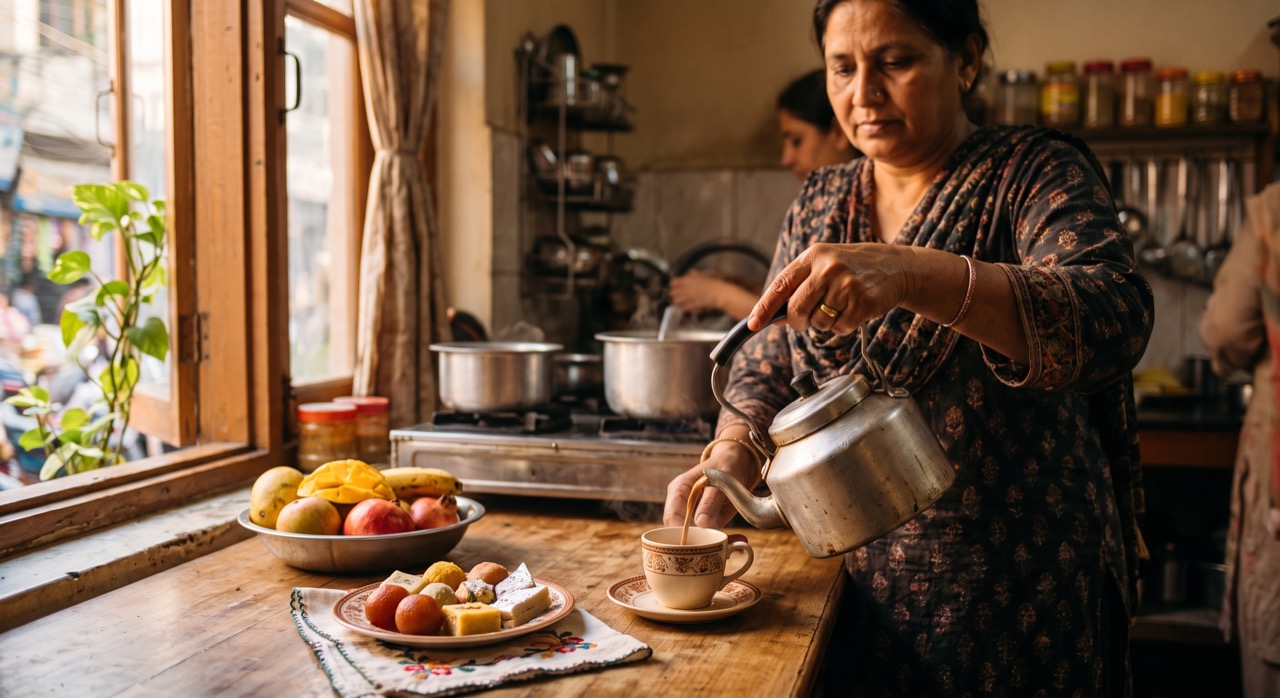
Sugar is woven into everyday life in Pakistan — a generous spoon in the morning chai, a plate of mithai passed around at every gathering, and cold drinks that show up at almost every meal. None of that makes anyone a bad eater; it's simply how our food culture is built. But small, repeated doses of added sugar throughout the day add up fast, and they show up later as cavities, weight gain, and rising blood sugar. The good news is that cutting back doesn't mean giving up chai or celebrations — it means being deliberate about where the sugar comes from and how much of it you actually need.
Why Sugar Sneaks Up on You
Most people don't overeat sugar in one big hit — they accumulate it in small amounts across the day. A typical day might include two or three cups of sweetened chai, a biscuit or rusk dipped in that chai, a bottle of cola or a sweetened lassi, and dessert after dinner. Individually each feels minor. Together, they can easily exceed 15–20 teaspoons of added sugar, roughly double what health authorities recommend. The World Health Organization suggests keeping added sugar under 10% of daily calories, with additional benefits below 5% — for most adults, that's about 6 teaspoons (25 grams) a day.
Rethinking Your Daily Chai
Chai is usually the biggest daily contributor because it's consumed multiple times a day, every day. Small changes here have an outsized effect:
- Cut sugar gradually rather than all at once — drop by half a teaspoon every few days so your taste buds adjust instead of rebelling.
- Try adding a cinnamon stick, a few strands of saffron, or crushed cardamom — these add perceived sweetness and aroma without any sugar.
- Switch from refined sugar to a smaller amount of gur (jaggery) — it isn't "healthy sugar," but it often satisfies with less quantity due to its stronger flavour.
- Limit yourself to 2 cups of sweetened chai a day and drink plain kahwa or unsweetened chai for the rest.
- Skip the rusk-in-chai habit when you can — that's often an extra hidden dose of sugar on top of the tea itself.
Mithai and Desserts Without Losing the Occasion
Nobody wants to skip mithai at Eid, a wedding, or when relatives visit — and you don't have to. The goal is portion and frequency, not elimination.
- Treat mithai as an occasion food, not a daily one. Save it for actual celebrations rather than keeping a box in the fridge for casual snacking.
- Take a single small piece and eat it slowly — most mithai is rich enough that half a piece satisfies the craving just as well as a full one.
- At home, cut standard recipes' sugar by a quarter to a third — kheer, sheer khurma, and halwa usually still taste good with noticeably less sugar than the recipe calls for.
- Choose fruit-based endings — dates, a plate of seasonal fruit, or fruit chaat — as your everyday dessert, and reserve mithai for guests and festivals.
A good rule for any household: sugar should be something you actively choose to add, not something that arrives in your cup or plate by default.
Protecting Teeth and Metabolic Health
Frequent sipping of sweet tea and soft drinks is particularly hard on teeth because it bathes them in sugar repeatedly through the day, feeding the bacteria that cause cavities. A few habits make a real difference:
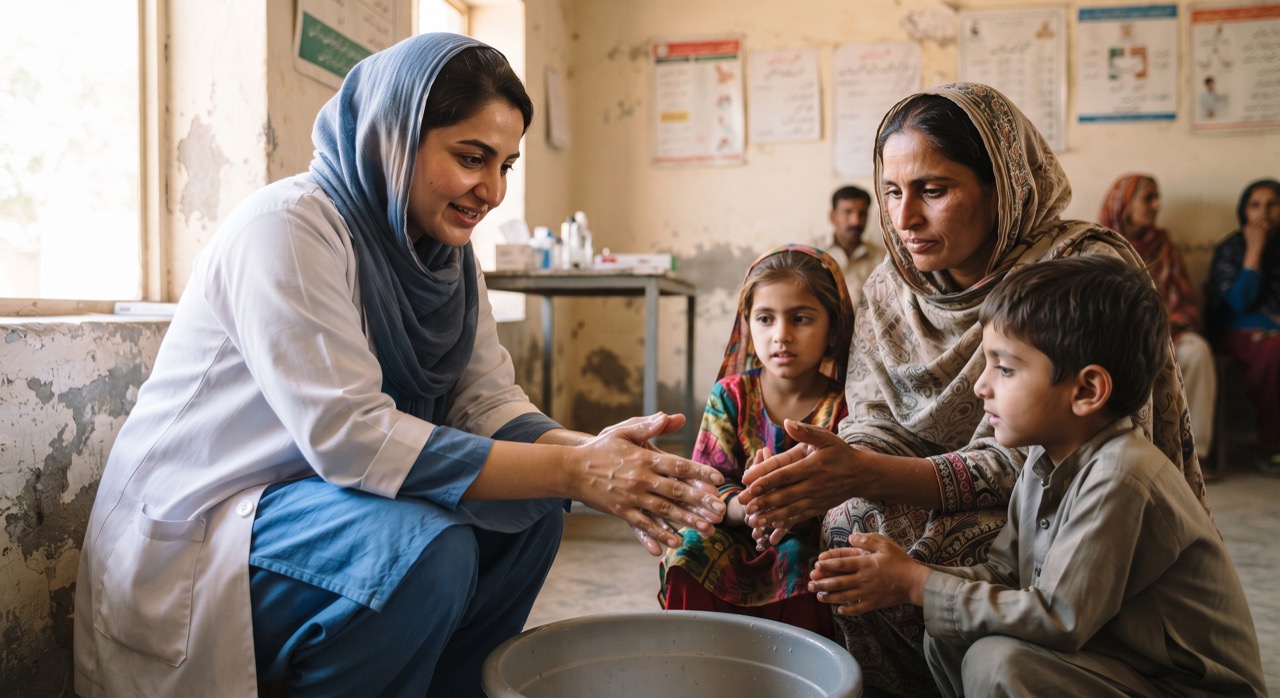
- Rinse your mouth with plain water after sweet tea, juice, or soda — this alone cuts a lot of the damage.
- Avoid sipping sugary drinks slowly over an hour; finishing them in one sitting is easier on your teeth than constant grazing.
- Brush twice daily with a fluoride toothpaste, and don't brush immediately after something acidic like a citrus drink — wait about 30 minutes.
- Watch fasting sugar and HbA1c at your annual checkup, especially if diabetes runs in your family — added sugar's effect on blood glucose builds quietly over years.
None of this requires a strict diet or giving up the foods that make gatherings special. It's about making sugar an intentional choice a few times a week rather than a constant background habit — your teeth, your energy levels, and your future blood sugar numbers will all reflect that shift.
Roman Urdu
Hamare rozana ki zindagi mein cheeni har jagah shamil hai — subah ki chai mein bhara chamach, mehmano ke liye mithai ka dabba, aur har khane ke sath cold drink. Yeh koi buri aadat nahi, bas hamara food culture aisa hi bana hai. Lekin din bhar thori thori cheeni jama hoti rahe to number bara ho jata hai — daant kharab hote hain, wazan barhta hai, aur blood sugar bhi ahista ahista barhta hai. Achi baat yeh hai ke chai ya mithai chhorne ki zaroorat nahi — bas yeh dekhna hai ke cheeni kahan se aa rahi hai aur kitni zaroori hai.
Chai sabse zyada cheeni deti hai kyunke din mein kayi baar peete hain. Cheeni thori thori kam karein — har kuch dinon baad aadha chamach kam karte jayein, zubaan khud adjust ho jayegi. Dalchini ya elaichi dal kar bhi mithaas mehsoos hoti hai bina cheeni ke. Din mein sirf 2 cup meethi chai piyein, baqi kahwa ya bagair cheeni ki chai piyein. Rusk ko chai mein dubo kar khana bhi extra cheeni add karta hai, isse bachein.
Mithai ko sirf khaas mauqon — Eid, shadi, mehmano ke liye — rakhein, roz ki cheez na banayein. Ek chhota tukra le kar araam se khayein, aksar aadha piece bhi dil bhar deta hai. Ghar par kheer, sheer khurma ya halwa banate waqt cheeni ek chauthai kam kar dein, zaiqa phir bhi acha rahega. Rozana ke dessert ke liye khajoor ya fruit chaat behtar option hai.
Meethi chai ya cold drink peene ke baad plain pani se kulli zaroor karein — isse daanton ka bohat sa nuksan bach jata hai. Do waqt fluoride paste se brush karein, lekin khatte drink ke foran baad brush na karein, 30 minute intezaar karein. Agar family mein diabetes ki history hai to saal mein ek baar fasting sugar aur HbA1c zaroor check karwayein — cheeni ka asar chupke chupke saalon mein jama hota hai. Chai aur mithai chhorna zaroori nahi, bas inhe sochi samjhi choice banayein, roz ki aadat nahi — daant, energy aur aane wale saalon ki sehat dono behtar rahenge.