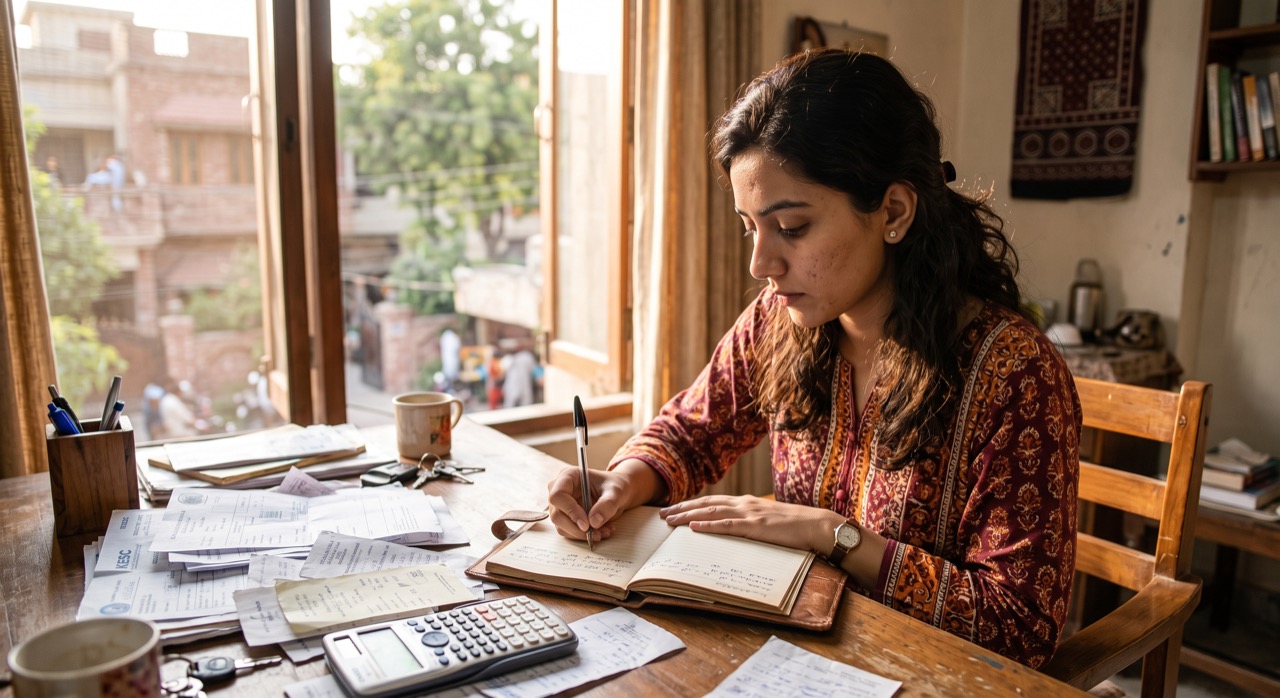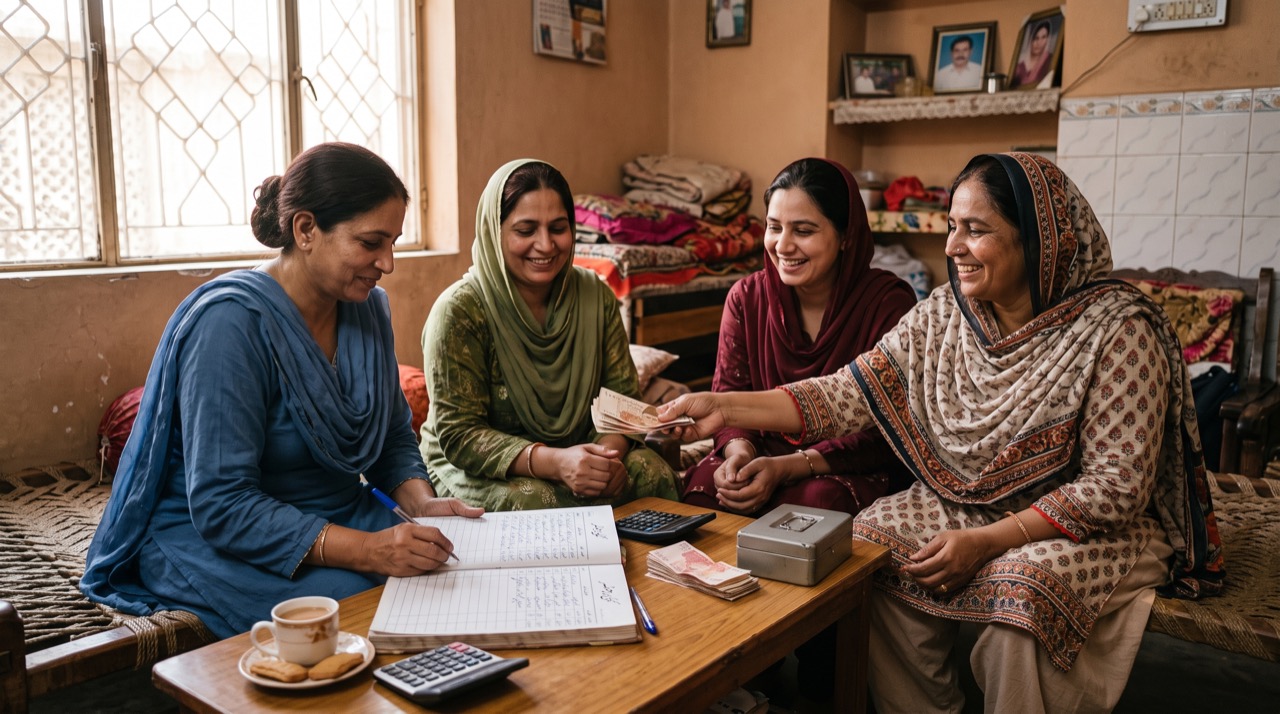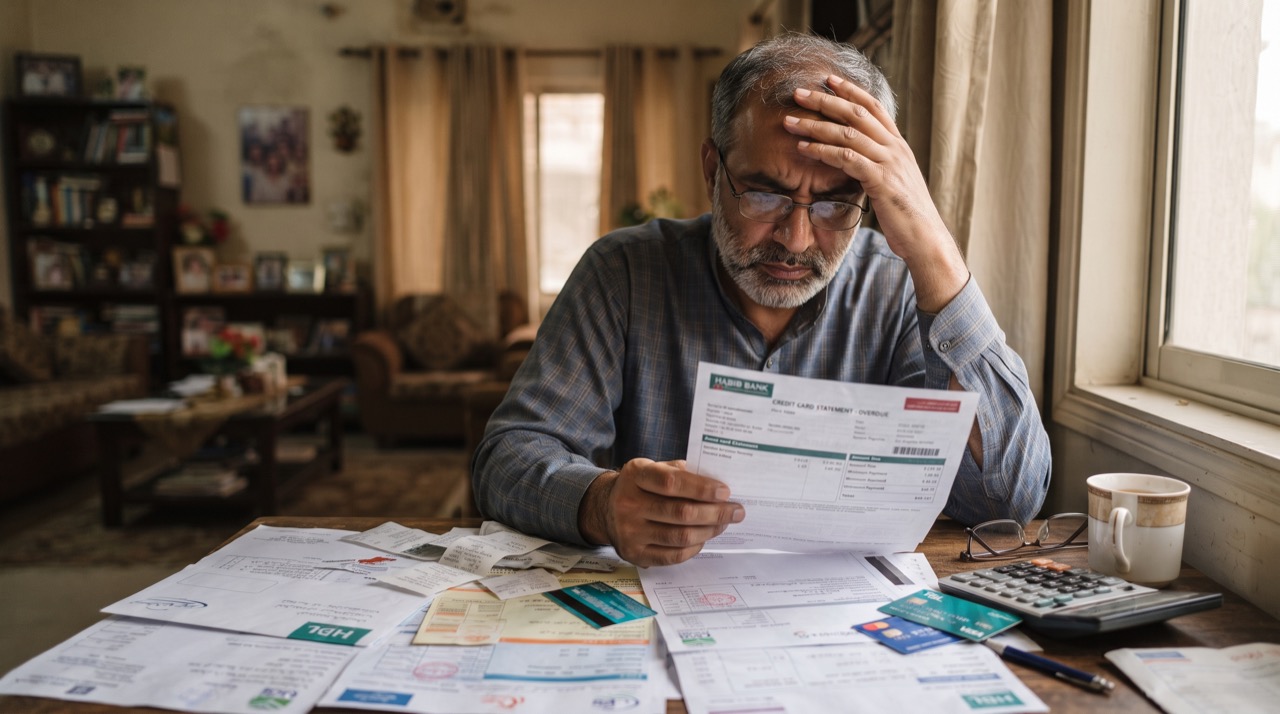
A credit card is one of the few financial tools that can either quietly build your credit profile or quietly wreck your savings, depending entirely on how you use it. In Pakistan, where credit cards are issued by commercial banks and regulated by the State Bank of Pakistan (SBP), the product itself is fine — the trouble almost always comes from not understanding the fee structure and the markup (interest) mechanics before signing up. This guide breaks down when a card genuinely helps, how the cost of carrying a balance actually compounds, and the habits that keep you in control instead of in debt.
When a Credit Card Actually Helps
Used correctly, a credit card is not a borrowing tool — it is a payment and record-keeping tool that happens to come with a short interest-free window.
- Building a credit history: Banks and future lenders (for car finance, home finance, or business loans) look at your repayment record. A card paid in full every month builds a clean track record with almost no cost.
- Float on planned expenses: If you know a bill or purchase is coming and you already have the cash for it, using the card and paying it off before the due date effectively gives you 20–45 interest-free days depending on your statement cycle.
- Consumer protections: Many banks offer purchase protection, extended warranties, and dispute rights on card transactions that cash or direct debit cards don't offer, which matters for online shopping and travel bookings.
- Reward points and cashback: On fuel, grocery, and utility bill categories, several Pakistani banks (HBL, UBL, MCB, Bank Alfalah, Standard Chartered) run rotating cashback or points campaigns that are worth capturing if you were going to spend the money anyway.
- Installment plans (Easy Pay/Amaan/Islamic instalment options): For a genuinely needed big-ticket purchase, a bank's 0%-markup instalment plan can be cheaper than a personal loan — but only if there's no processing fee eating the saving.
How Interest (Markup) Really Builds
This is the part most cardholders underestimate. Pakistani banks typically charge a monthly markup of roughly 3% to 3.75% on the outstanding balance, which compounds to an effective annual rate well above 40% once you include late fees. A few facts that change how people actually think about this:
- The grace period disappears the moment you carry a balance. If you pay even part of last month's bill late or short, most banks stop offering an interest-free period on new transactions too — markup is then charged from the transaction date, not just on the unpaid amount.
- Minimum payment is a trap, not a solution. Paying only the minimum due (often 5% of the outstanding balance) keeps the account "current" on paper while markup keeps accruing on almost the entire remaining balance.
- Cash withdrawals cost more and start accruing interest immediately — there is no grace period on ATM cash advances, and a separate cash advance fee applies on top of markup from day one.
- Islamic credit cards (such as those offered by Meezan Bank and other Islamic banking windows) use a different structure — often a fixed monthly fee based on outstanding usage rather than compounding interest — but the effective cost can still be significant if balances are carried for months.
Fees You Need to Know About
- Annual/renewal fee: Varies widely by card tier — some banks waive it for the first year or if annual spend crosses a threshold.
- Late payment fee: A fixed penalty plus continued markup, charged even if you miss the due date by one day.
- Over-limit fee: Charged if a transaction pushes your balance past the assigned credit limit.
- Foreign transaction/currency conversion fee: Typically 2–3.5% on purchases made in foreign currency, relevant for online subscriptions billed in USD or travel spending.
- Cash advance fee: A flat charge or percentage taken the moment you withdraw cash on the card, separate from markup.
Rules for Responsible Use
- Pay the full statement balance before the due date, every cycle — not the minimum.
- Never use a credit card for ATM cash withdrawal except as a genuine last resort.
- Set the credit limit at a level you could clear with one month's income, not the maximum the bank offers you.
- Track due dates with a calendar reminder or your bank's SMS/app alerts — one missed date can undo a year of on-time payments.
- Before applying, compare the Key Facts Statement / schedule of charges across banks — SBP requires all banks to disclose these clearly, and they're rarely identical.
A credit card only costs you money when you treat it as extra income instead of a payment method for money you already have.
For the official list of consumer banking rules and how to file a complaint against a bank, the State Bank of Pakistan website is the authoritative source.
Roman Urdu
Pakistan mein credit card aik acha tool ban sakta hai agar aap ise sahi tarah use karein — warna ye qarze ka jaal bhi ban sakta hai. Sabse pehli baat: agar aap har mahine poora bill time par clear karte hain, to card almost free hota hai aur aapki credit history bhi achi banti hai. Isse future mein car finance ya home finance lene mein asani hoti hai.
Asal masla tab shuru hota hai jab log sirf "minimum payment" (aksar 5% outstanding amount) pay karte hain. Ye galat fehmi paida karta hai ke account theek hai, lekin bank baqi amount par har mahine 3% se 3.75% tak markup charge karta rehta hai — jo saal ke hisaab se 40% se zyada ban jata hai. Aur agar aap ek dafa late payment karte hain, to agli purchases par bhi grace period (yani free interest wala time) khatam ho jata hai.
ATM se cash nikalna sabse mehnga kaam hai — is par koi grace period nahi hota aur cash advance fee alag se lagti hai, markup usi din se shuru ho jata hai. Islamic banks (jaise Meezan) ka structure thora mukhtalif hota hai — fixed fee based on usage — lekin agar balance mahino tak carry hota rahe to cost phir bhi khaasi ho sakti hai.
Kuch zaroori fees jo dekhni chahiye: annual fee, late payment fee, over-limit fee, foreign currency conversion fee (2-3.5%), aur cash advance fee. Card lene se pehle bank ka "Schedule of Charges" zaroor compare karein — har bank ka alag hota hai.
Zimedar tarike se use karne ke liye: har mahine poora bill clear karein, cash withdrawal avoid karein, credit limit apni salary ke mutabiq rakhein, aur due date ke liye reminder set karein. Yaad rakhein — credit card tab hi nuqsan deta hai jab ise extra income samjha jaye, na ke sirf apne paise kharch karne ka aik tareeqa.