Losing someone you love upends everything — the walls of the house feel different, their name still sits in your phone, and grief arrives in waves that follow no calendar. In Pakistan, mourning is often communal, with soyem, chehlum, and endless visitors reciting Quran Khwani, yet the private, internal process of grieving can still feel lonely and confusing. Understanding what is happening inside you, and giving yourself permission to heal at your own pace, is the first step toward genuine recovery.
The Stages of Grief Are a Map, Not a Rulebook
Psychiatrist Elisabeth Kübler-Ross described five stages of grief: denial, anger, bargaining, depression, and acceptance. Decades of research since then have shown these stages are not linear — you might feel numb one day, furious the next, and then calm before grief resurfaces without warning. Some people skip stages entirely; others cycle back to the same one repeatedly. None of this means you are "doing grief wrong." Simply knowing the stages exist can help you recognize what you are feeling without judging yourself for feeling it.
Gentle, Practical Ways to Cope
- Let yourself feel it. Suppressing tears or anger to "stay strong" for the family often delays healing rather than speeding it up.
- Keep a simple routine. Regular meals, sleep, and light movement, even a short walk, anchor the body when emotions feel chaotic.
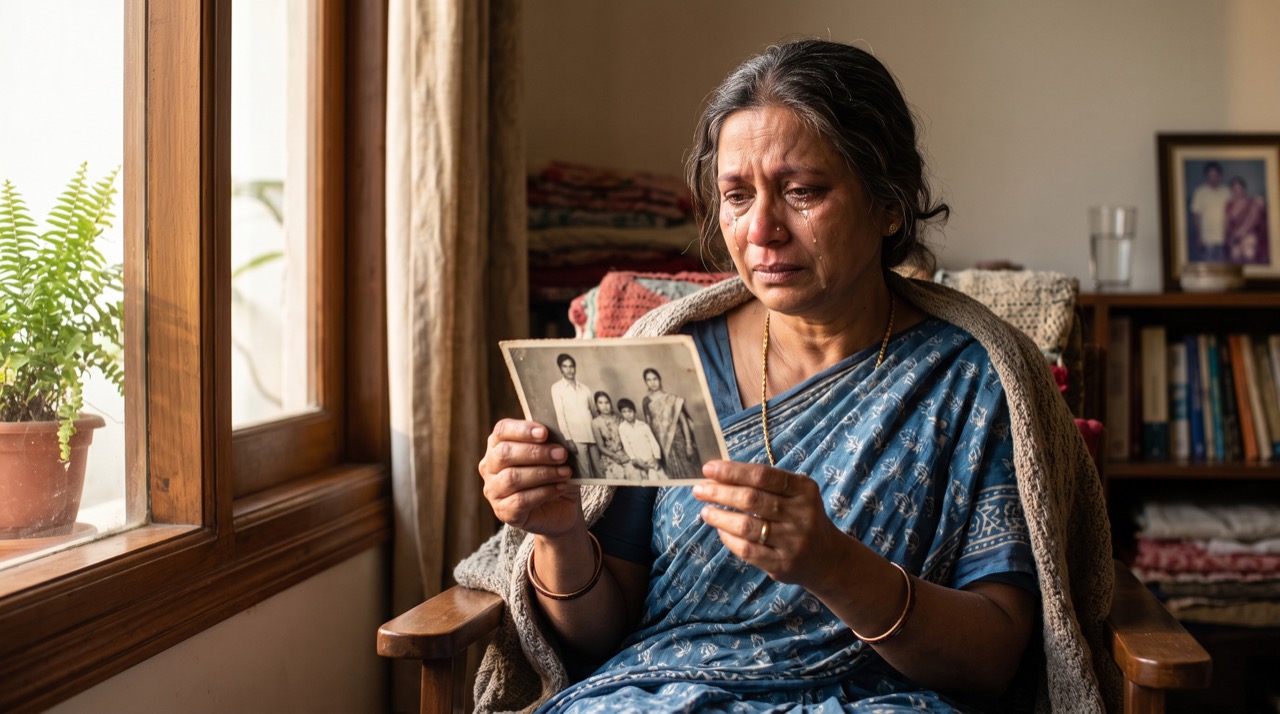
- Talk about the person you lost. Saying their name, sharing memories, and looking at old photos with family keeps the bond alive rather than avoided.
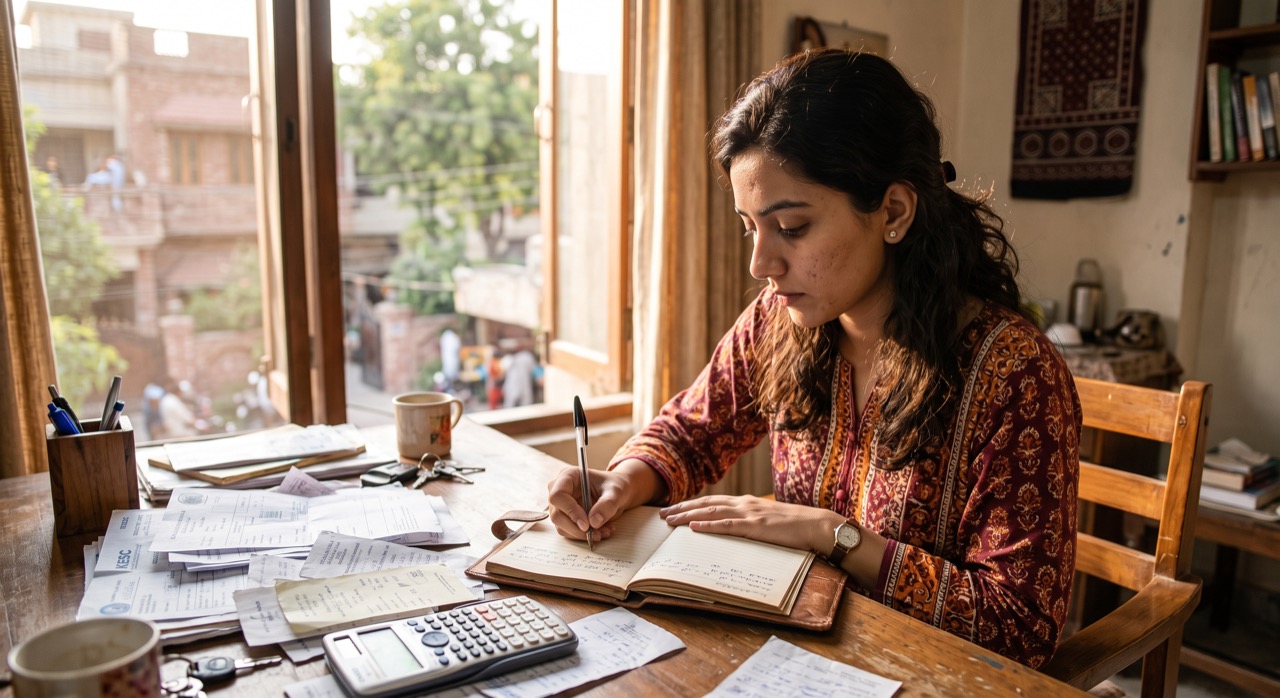
- Write it down. A short daily journal entry, even three lines, gives grief somewhere to go besides your chest.
- Avoid major decisions early on. Big financial or life decisions made in the first few months of acute grief are best delayed if possible.
- Limit numbing habits. Overworking, excessive scrolling, or oversleeping can mask grief instead of processing it.
Leaning on Faith and Community the Healthy Way
For many Pakistani families, Islamic mourning rituals — soyem, chehlum, and regular dua — offer real structure and comfort. Reciting Quran for the deceased, giving sadqah, and observing the mourning period are practices rooted in both faith and psychology: they give grief a shape and a timeline. Let visitors and relatives help with practical matters such as food, errands, or childcare so you can rest. At the same time, it is perfectly fine to ask for quiet time between visits — constant socializing is not required to grieve "properly."
Grief is the price we pay for love — the deeper the love, the harder the loss, but also the stronger the memory that remains.
When Grief Needs Professional Support
Grief becomes a concern when it stops easing over many months, when you cannot function at work or home, when you have thoughts of self-harm, or when you start relying on substances to cope. This is not a sign of weak faith or weak character — it is a sign the mind needs extra support, just as a broken bone needs a cast. In Pakistan, organizations like Umang Pakistan and Taskeen Health Initiative offer confidential helplines and counseling for exactly this kind of pain. The World Health Organization also confirms that grief counseling and community support are effective, evidence-based ways to heal.
Healing does not mean forgetting. It means learning to carry the love for someone even after they are gone — a little lighter, over time.
Roman Urdu
Kisi apne ko khona zindagi ka sabse mushkil tajurba hota hai. Ghar ki deewaron se le kar mobile ki contact list tak, har cheez waisi hi lagti hai jaise gham ki laharen bina kisi waqt ke aati hain. Pakistan mein soyem, chehlum aur Quran Khwani jaisi rasmein gham ko ek structure deti hain, lekin andar se guzarne wala process phir bhi tanha aur confusing lag sakta hai.
Gham ke Marhale Samjhein
Maheer Elisabeth Kübler-Ross ne gham ke paanch marhale bataye: inkar, gussa, bargaining, udaasi aur qabooliyat. Yeh zaroori nahi ke yeh seedhi tarteeb mein aayen — kabhi bilkul sunn feel hoga, kabhi gussa, phir sukoon, aur phir dobara gham wapas aa sakta hai. Agar aap in marhalon mein aage peeche jaa rahe hain to iska matlab yeh nahi ke aap "ghalat tareeqe" se gham kar rahe hain.
Sehat Mand Tareeqe Se Guzarne Ke Tareeqe
- Apne aansu ya gussa dabayein nahin — "mazboot" dikhne ki koshish gham ko lamba kar sakti hai.
- Khana, neend aur halki walk jaisi routine ko qayam rakhein.
- Marhoom ka zikar karein, unki yaadein family ke sath share karein, purani tasveerein dekhein.
- Roz kuch lafz likhna, chahe teen lines hi sahi, dil ka bojh halka karta hai.
- Shuru ke mahinon mein bade faislay, maali ya zindagi ke, taalne ki koshish karein.
- Kaam mein khud ko doobo dena ya zyada neend lena gham ko chupata hai, khatam nahi karta.
Deen Aur Khandan Ka Sahara
Soyem, chehlum, dua aur Quran Khwani jaise amal gham ko ek waqt aur shakal dete hain — yeh sirf mazhabi nahi balke nafsiyati taur par bhi faida mand hain. Mehmano ko khane-peene ya ghar ke kaam mein madad karne dein taake aap aaram kar sakein, magar khamoshi ke lamhay maangna bhi bilkul theek hai.
Agar gham mahinon baad bhi kam na ho, kaam ya ghar ki zimmedariyan mushkil ho jayein, ya dil mein khud ko nuksan pohanchane ke khayal aayen, to yeh kamzori nahi balke madad lene ka waqt hai. Umang Pakistan aur Taskeen Health Initiative jaisi organizations khamoshi se counseling faraham karti hain. Yaad rahe, gham bhoolna nahi sikhata, balke us mohabbat ko waqt ke sath halka kar ke sath lekar chalna sikhata hai.