Every winter in Lahore, Karachi and Islamabad, the same ads resurface: a special tea, a golden capsule, a "miracle" seed that promises to supercharge your immune system in days. The truth is less exciting but far more useful — your immune system is not a dial you can crank up with one product. It is a network of cells, organs and signals that responds to consistent, boring, daily habits over weeks and months. The good news is that those habits are well within reach, and the science behind them is solid.
Sleep Is Not Optional — It Is Maintenance
During deep sleep, your body produces and releases cytokines, the signalling proteins that coordinate immune response and help fight infection and inflammation. Chronic short sleep (under 6 hours a night) is linked in research to a higher likelihood of catching a common cold after viral exposure, and to weaker antibody response after vaccination.
- Aim for 7–9 hours a night, at a consistent time — irregular sleep timing disrupts the same hormonal rhythms as short sleep does.
- Keep the room dark and cool; late-night phone scrolling delays melatonin release and pushes bedtime back without you noticing.
- If Fajr means an early start, protect an earlier bedtime rather than trying to "catch up" on weekends — sleep debt does not fully reverse with one long nap.
Diet: Whole Foods Over Miracle Ingredients
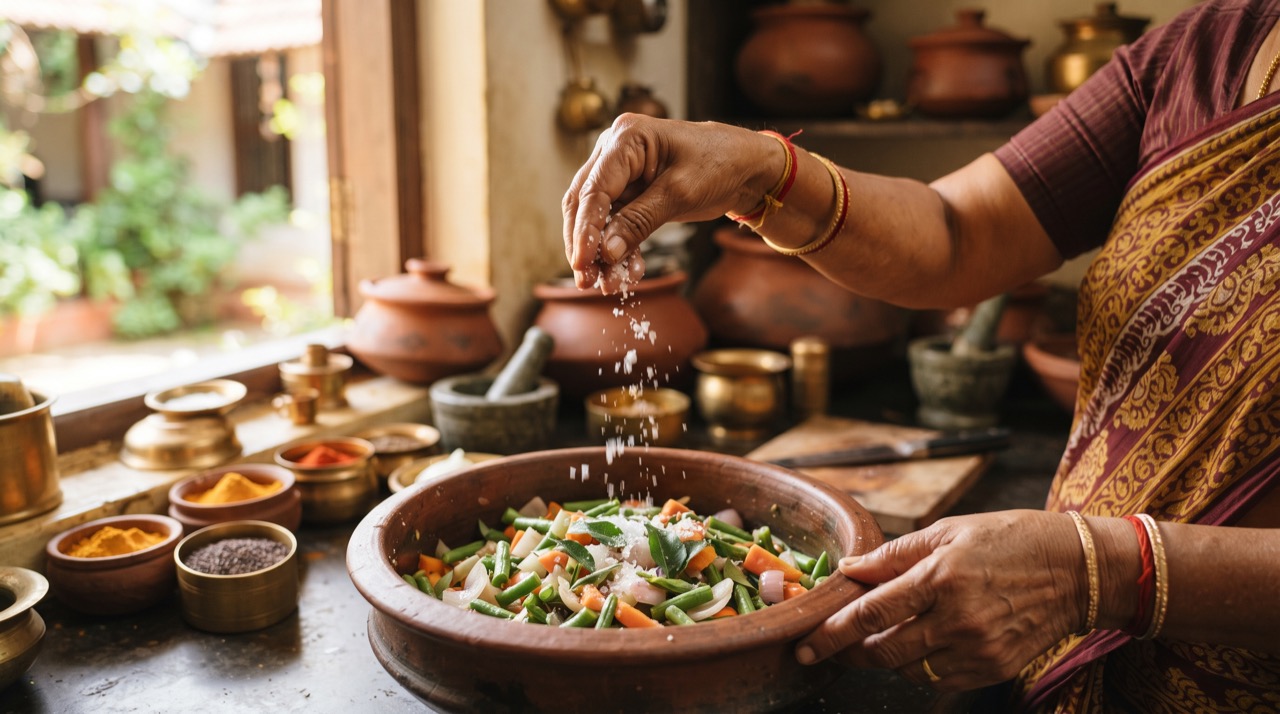
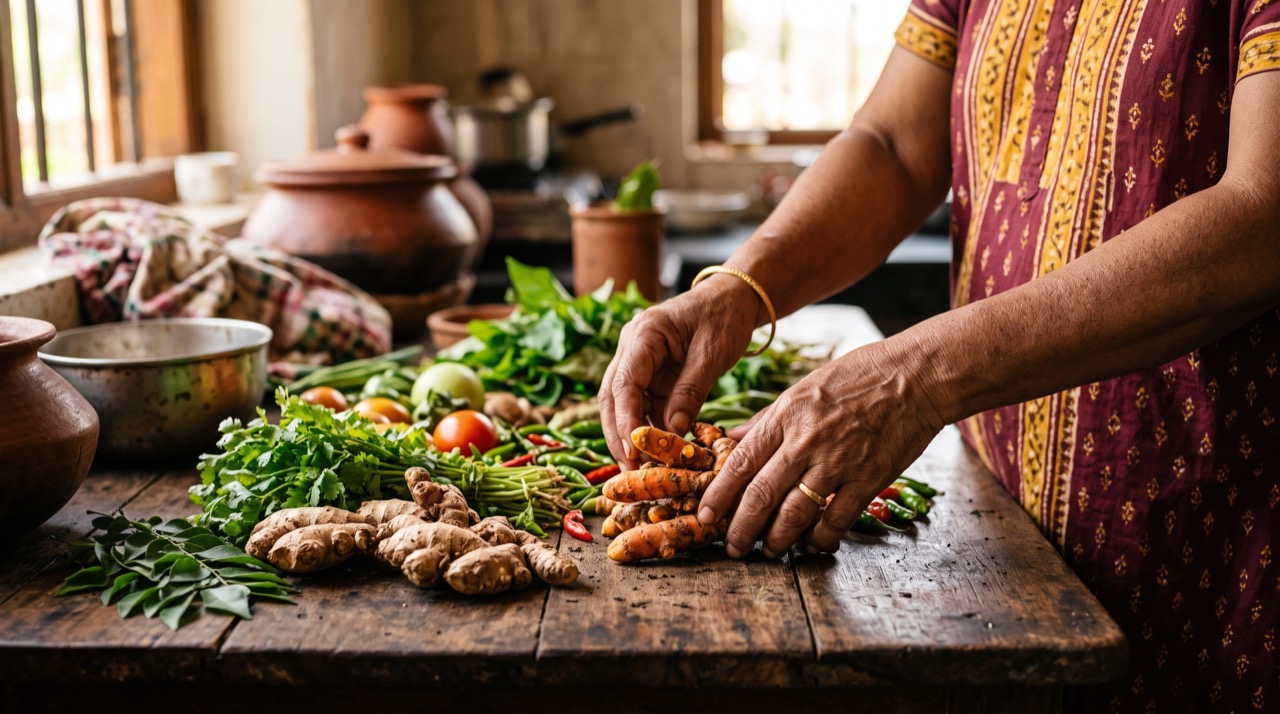
No single fruit, spice or supplement "boosts" immunity in the way marketing implies. What the evidence actually supports is a pattern: a varied diet rich in fruits, vegetables, whole grains, legumes and adequate protein, which supplies the vitamins (A, C, D, E, B6, B12, folate), minerals (zinc, iron, selenium) and fibre your immune cells need to function and regenerate.
- Vitamin D deficiency is genuinely common in Pakistan despite abundant sunlight, largely due to covered clothing, indoor work and pollution-haze filtering UV rays. Low vitamin D is associated with more frequent respiratory infections. Ten to fifteen minutes of midday sun on arms and face several times a week helps; if you suspect deficiency, get a blood test and discuss supplementation with a doctor rather than guessing on the dose.
- Zinc (found in chickpeas, lentils, meat, pumpkin seeds) supports immune cell development; deficiency impairs immune function, though megadosing beyond the recommended intake has no added benefit and can cause nausea or copper deficiency.
- Gut bacteria play a real role in immune regulation. Fermented foods like plain dahi (yogurt) and diverse plant fibre feed beneficial gut flora.
- Sugar-sweetened drinks and ultra-processed snacks, eaten habitually, are linked with chronic low-grade inflammation, which works against — not for — a well-functioning immune system.
- There is no credible evidence that any single "superfood" — kalonji, tulsi, giloy, elderberry, or otherwise — prevents infection on its own. Some have modest, specific effects studied in small trials (for example, elderberry may modestly shorten cold duration for some people), but none replace the basics, and unregulated herbal concentrates can interact with medications.
Movement, Stress and the Habits That Actually Add Up
Regular moderate exercise — brisk walking, cycling, household chores that get your heart rate up — is associated with fewer sick days and better vaccine response, most likely by improving circulation of immune cells and lowering chronic inflammation. Extreme, exhausting exercise without recovery can temporarily do the opposite, so consistency beats intensity.
- Aim for at least 150 minutes a week of moderate activity — roughly 20–30 minutes daily, which fits around namaz breaks or an evening walk.
- Chronic psychological stress raises cortisol, which over time suppresses immune signalling. Prayer, structured breathing, or simply a consistent wind-down routine before bed measurably lowers stress hormones.
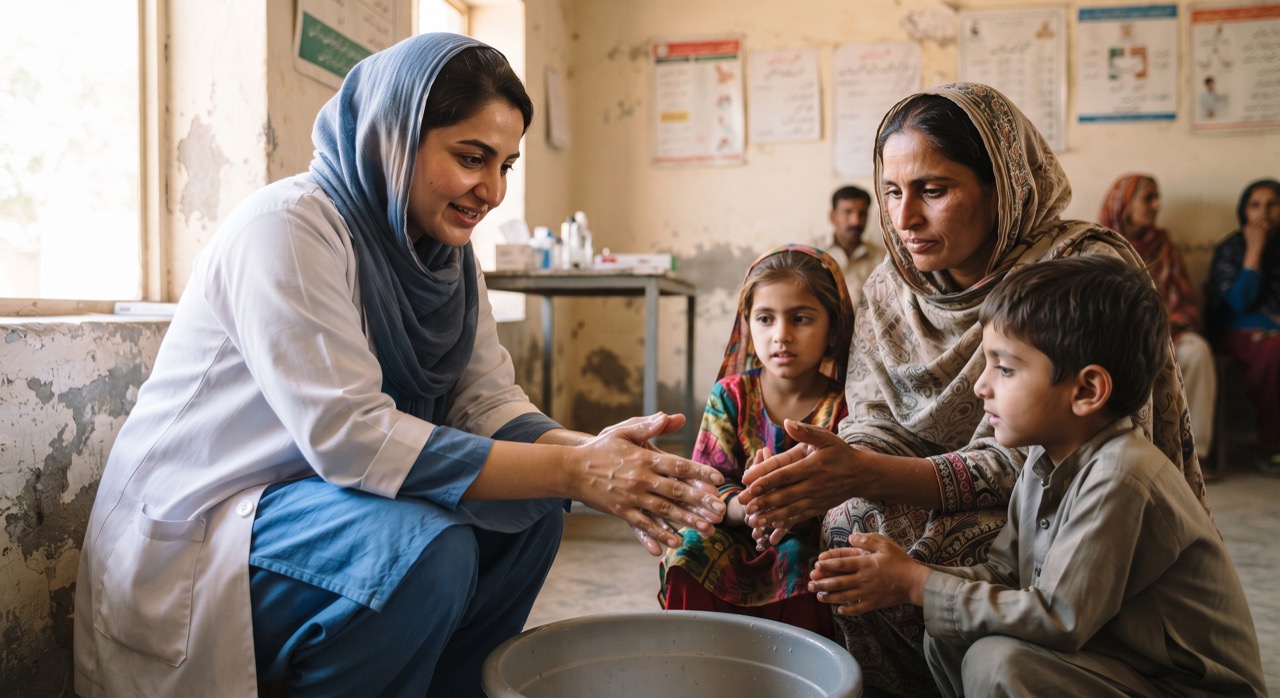
- Wash hands regularly and stay current on doctor-recommended vaccinations — unglamorous, but among the most evidence-backed protective steps that exist.
Immunity is not something you switch on with a product — it is the compound interest of ordinary habits: consistent sleep, a varied plate, regular movement, and managed stress, repeated for months, not days.
If you are looking for further reading grounded in research rather than marketing, the World Health Organization and the UK's NHS both publish accessible, evidence-reviewed guidance on nutrition, sleep and vaccination that is free of product promotion.
Roman Urdu
Har sardi mein ek naya "miracle" product market mein aa jata hai jo immunity ko raaton raat "boost" karne ka dawa karta hai. Haqiqat yeh hai ke immune system koi switch nahi jo ek cheez khane se on ho jaye — yeh rozana ki aadaton ka natija hai, jo hafton aur mahinon mein asar dikhati hain.
Neend Zaroori Hai
Gehri neend ke dauran jism woh cytokines banata hai jo infection se larne mein madad dete hain. Agar neend consistently 6 ghante se kam ho, to zukaam aur infections lagne ka chance research mein zyada dikhaya gaya hai. Koshish karein ke roz 7-9 ghante so'en, aik hi waqt par so'en aur jag'en, aur sone se pehle phone ki screen kam dekhein — is se neend ka hormone (melatonin) time par release hota hai.
Khana: Mukammal Ghiza, Na Ke Miracle Ingredient
Koi ek phal, masala ya supplement immunity ko akela "boost" nahi karta — jo cheez sach mein kaam karti hai woh hai variety: phal, sabzi, sabut anaaj, daalein aur protein ka mix. Pakistan mein dhoop ki kami nahi phir bhi Vitamin D ki deficiency aam hai kyunke log dhoop mein kam waqt guzarte hain — hafte mein kai baar 10-15 minute dhoop lena madadgar hai, aur agar shak ho to doctor se blood test karwa'en. Zinc (chana, daal, gosht, kaddu ke beej) bhi zaroori hai lekin zaroorat se zyada lena faida nahi dega. Ghar ka dahi gut bacteria ke liye acha hai. Meethay drinks aur processed snacks ki zyadti jism mein sozish (inflammation) barhati hai jo immunity ke khilaf kaam karti hai. Kalonji, tulsi ya giloy jaisi cheezein koi guaranteed "cure" nahi — kuch par chhoti research hui hai lekin yeh basics ka replacement nahi ban sakti.
Harkat Aur Stress Ka Control
Roz ki halki-phulki exercise — tez chalna, cycling, ghar ka kaam — immune cells ki circulation behtar karti hai aur sick din kam karti hai. Hafte mein kam az kam 150 minute (rozana 20-30 minute) kafi hai. Zyada stress cortisol barhata hai jo immunity ko kamzor karta hai — namaz, sukoon se saans lena, ya sone se pehle aik routine is stress ko kam karne mein madad karti hai. Haath dhona aur doctor ki tajweez kardah vaccines lagwana bhi utna hi zaroori hai jitna khana aur neend.
Immunity koi ek dawa ya product se nahi aati — yeh mahinon tak consistent neend, mukhtalif ghiza, harkat aur stress control ka natija hai.