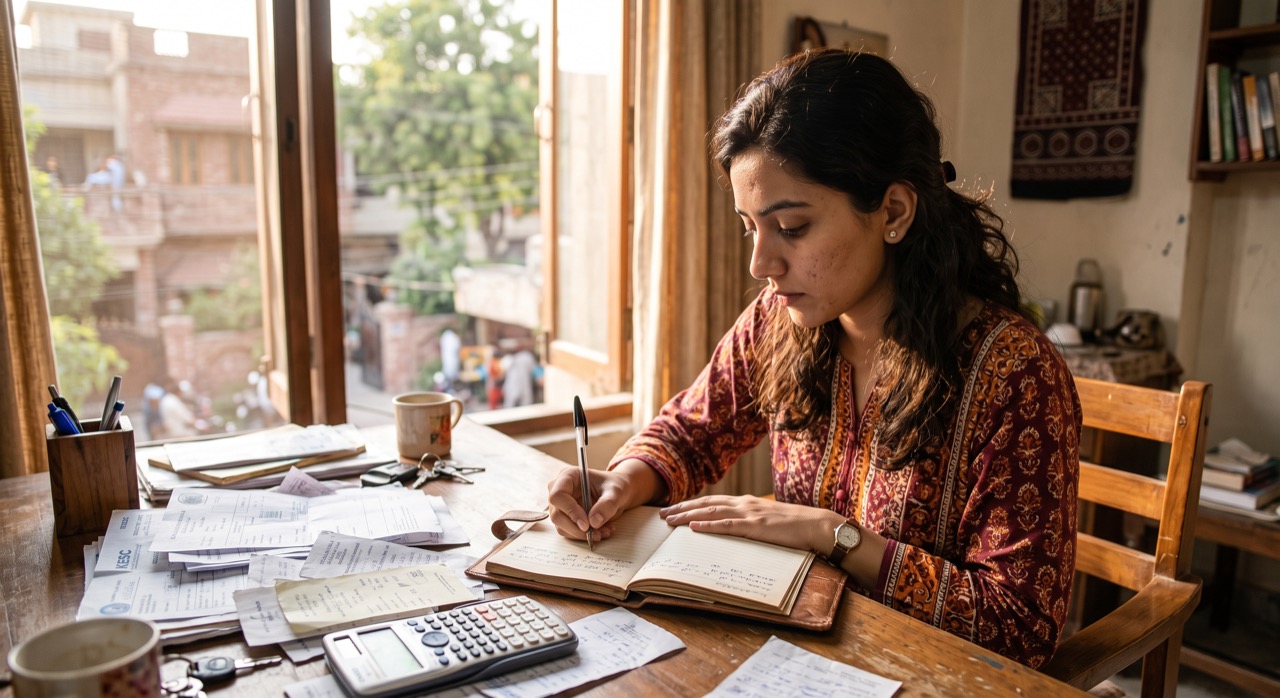
Most of us learned about money the hard way — by making mistakes as adults, with real consequences attached. But financial habits, like language or manners, are absorbed far more easily in childhood than they are corrected later in life. The good news for Pakistani parents is that you don't need a finance degree or a large allowance budget to raise a money-smart child. You need consistency, a few simple tools, and the willingness to let your kids make small, safe mistakes now so they don't make big, costly ones later.
Start With Concepts, Not Cash (Ages 4-7)
Young children don't need money to learn about money — they need to understand choices, patience, and value. This is the age to build the foundation.
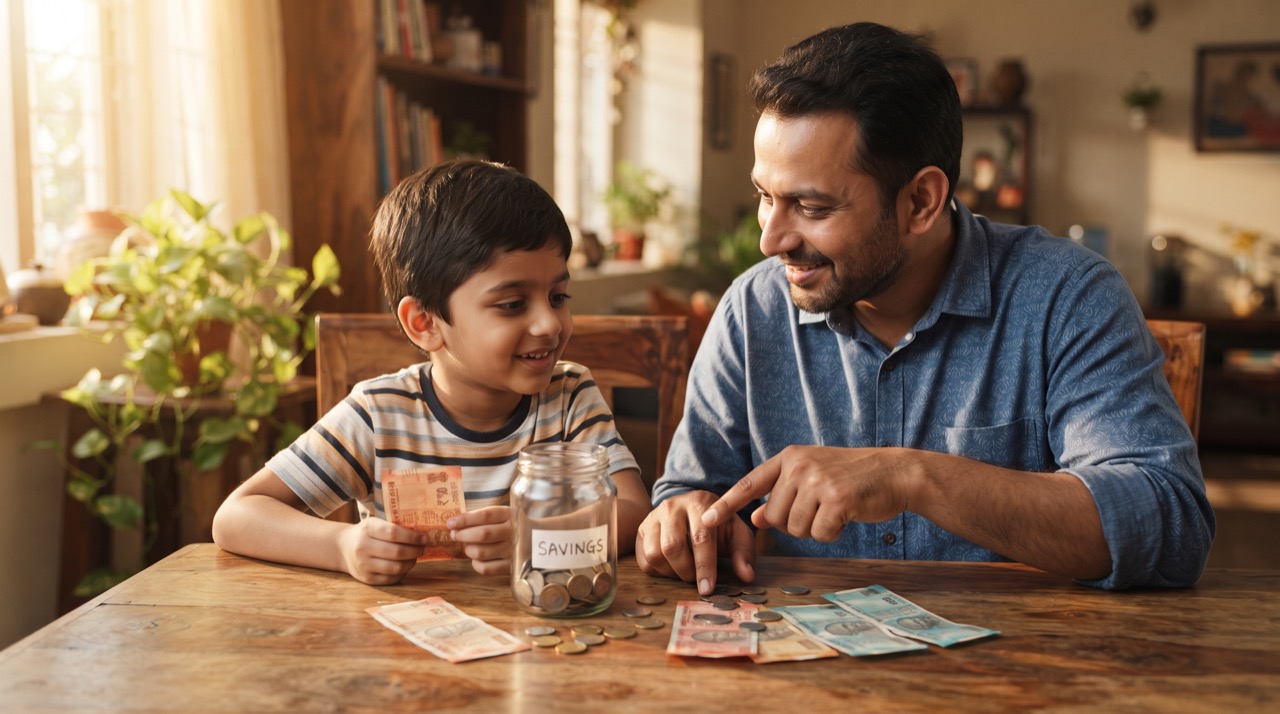
- Use a see-through jar, not just a piggy bank. Watching coins physically accumulate teaches the idea of "growing" savings far better than a sealed box.
- Give them small, real choices. At the general store, let them pick one toffee for ten rupees instead of two for the same price elsewhere — and talk about why.
- Narrate your own spending out loud. When buying groceries, say "we're buying this brand because it's better value, not just because it's cheaper" — kids absorb reasoning, not just rules.
- Introduce the three-jar system early: Khర్చa (spend), Bachat (save), and Sadqa/Dena (give). Even at this age, splitting Eidi three ways builds the instinct that money has more than one purpose.
Earning, Budgeting, and Delayed Gratification (Ages 8-12)
This is the golden window for building real financial muscle memory. Children this age can grasp cause and effect, and they're old enough to handle small sums responsibly.
- Tie a small allowance to chores — not to make them mercenary, but so they connect effort with income. Keep tasks age-appropriate: making their bed, feeding a pet, helping set the table.
- Let them save toward a specific goal — a cricket bat, a video game, a bicycle part. Write the goal and amount on paper and track progress weekly. This is where delayed gratification becomes real rather than theoretical.
- Introduce a simple budget notebook. Even a basic "money in / money out" list for their Eidi or allowance teaches structure before they ever touch a spreadsheet.
- Explain inflation in everyday terms. Point out that the samosa that cost fifteen rupees a few years ago now costs thirty — this makes saving (and its limits) tangible.
Banking, Digital Money, and Real Responsibility (Ages 13-17)
Teenagers are ready for real financial tools, and giving them supervised access now is safer than letting them figure it out alone at university.
- Open a proper savings account. Most major Pakistani banks offer youth or student accounts with parental co-signing — check with your bank, or look at options through the State Bank of Pakistan for consumer guidance on account types.
- Teach them to read a bank statement and understand basic terms like markup (interest), minimum balance, and service charges.
- Introduce mobile wallets carefully. Apps like JazzCash or Easypaisa are part of daily life in Pakistan — use them to teach transaction limits, PIN security, and never sharing OTPs, since digital fraud awareness is now a core money skill.
- Discuss needs versus wants explicitly when they ask for branded clothes or the latest phone — this is the age to introduce comparison shopping and saving up rather than immediate purchase.
- Talk openly about debt. Explain how credit cards and BNPL (buy-now-pay-later) apps work, including the real cost of only paying the minimum, before they encounter these products on their own.
Children rarely remember the lectures we give them about money — but they never forget what they watched us do with ours.
None of this requires wealth or perfect financial discipline from parents — it requires intention. A household earning a modest income can raise a child with excellent money habits, while a wealthy household can just as easily raise one with none. The difference is whether saving, budgeting, and thoughtful spending are treated as everyday family conversations rather than one-off lectures. Start small, stay consistent, and let your children practice with real (if tiny) stakes — that practice is what turns into confidence and discipline when the stakes get bigger.
Roman Urdu
Bachon ko paison ki samajh dena kisi bhi umar mein shuru kiya ja sakta hai, lekin jitni jaldi shuru karein utna behtar hai. Bachpan mein seekhi gayi aadatein zindagi bhar sath rehti hain.
4 se 7 saal: Is umar mein paise dena zaroori nahi, sirf concept samjhayein. Ek shishe ka jar rakhein taake bachay paise jama hote hue dekh sakein. Dukan par unhe choti choti choices dein — jaise do sasti cheezon mein se ek chunna — aur wajah bhi batayein. Eidi ko teen hisson mein baantna sikhayein: kharcha, bachat, aur sadqa. Yeh aadat age chal kar bohat kaam aati hai.
8 se 12 saal: Yeh sabse zaroori umar hai. Ghar ke chote kaam karne par thodi allowance dein taake bachay mehnat aur paise ka talluq samjhein. Unhe kisi cheez — jaise cricket bat ya cycle — ke liye paise jama karna sikhayein, aur ek copy mein likhwayein ke kitne paise aaye aur kitne kharch hue. Mehngai ka concept bhi rozmarra ki misalon se samjhayein, jaise samosay ka rate kitna barh gaya hai.
13 se 17 saal: Teenagers ko asli banking se rubaru karayein. Bank mein student account khulwayein aur unhe statement parhna sikhayein. JazzCash ya Easypaisa jaise mobile wallets istemal karte waqt PIN ki hifazat aur OTP kabhi kisi ko na batane ki ahmiyat samjhayein. Zaroorat aur khwahish mein farq karna sikhayein, aur credit card ya BNPL jaise qarze ke tareeqon ke baray mein khul kar baat karein taake wo asli duniya mein hoshiyar faislay kar sakein.
Yaad rakhein — bachay lectures nahi, balke apne walidain ka amal dekh kar seekhte hain. Agar ghar mein bachat aur soch samajh kar kharch karne ka mahol ho, to bachay khud-ba-khud yeh aadatein apna lete hain.