Watching a business you built with your own hands shut its doors is one of the most painful experiences an entrepreneur can go through. The debts, the awkward conversations with family, the silence from friends who once asked for "tips" — it can feel like the failure defines you. It doesn't. Across Pakistan, from small karyana shops to tech startups in Lahore and Karachi, thousands of business owners have gone through collapse and rebuilt something better. Recovery is not about pretending the loss didn't hurt. It's about processing it honestly and using it as raw material for what comes next.
Give Yourself Permission to Grieve — Then Set a Deadline for It
A business failure is a real loss, not just a financial setback. You lost a routine, an identity, maybe relationships with staff and vendors. Suppressing that grief usually delays recovery rather than speeding it up.
- Talk to someone you trust — a spouse, a parent, an old friend from university — instead of carrying it silently. In Pakistani households, business failure is often hidden out of sharam (shame), but silence tends to make the weight heavier, not lighter.
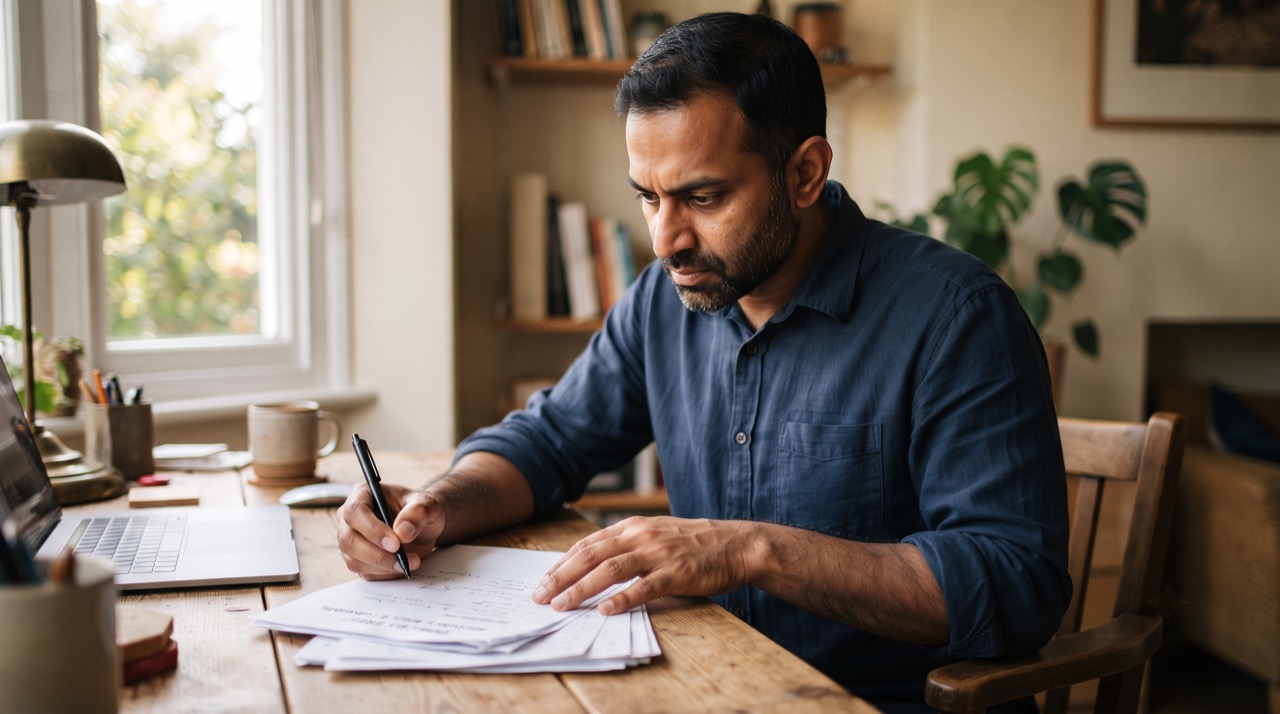
- Write down exactly what happened while it's fresh: cash flow timing, a bad partnership, misjudged demand, a supplier who let you down. Emotional honesty and factual honesty are different exercises — do both.
- Set a rough emotional deadline, even an imperfect one — "by the end of this month I want to be making calls again." Grief without a horizon can quietly turn into permanent avoidance.
Get a Clear, Unemotional Picture of the Damage
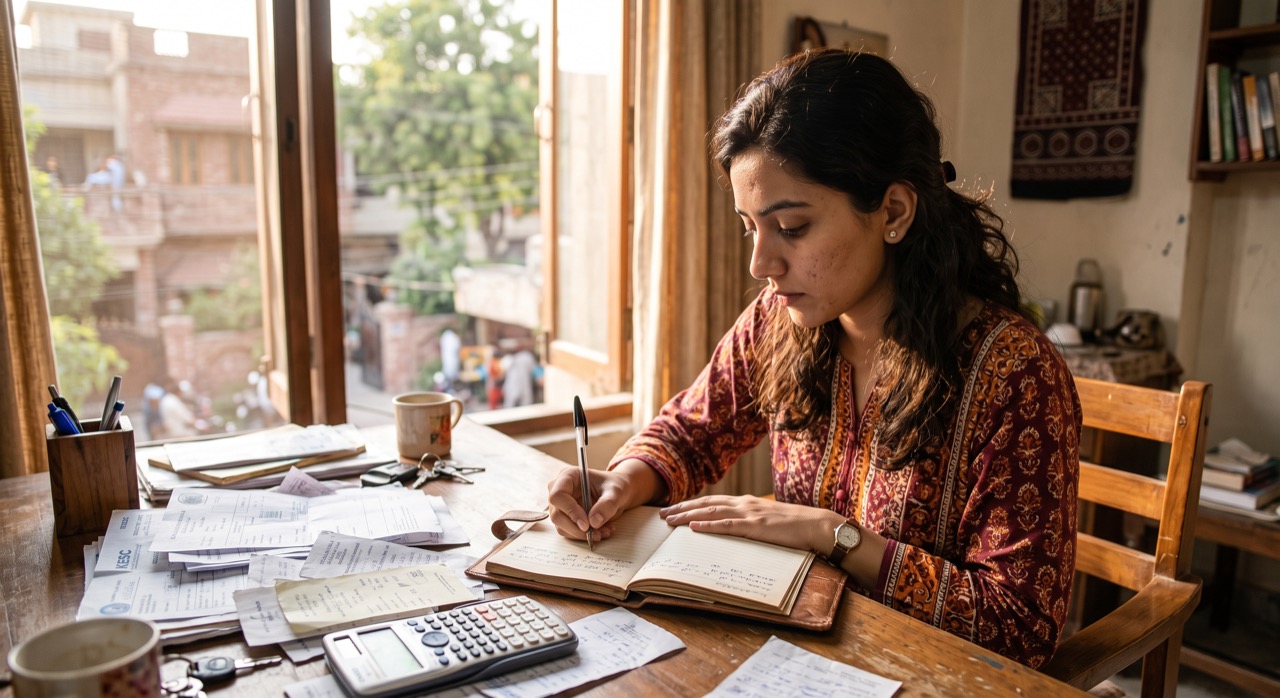
Before you can rebuild, you need to know exactly what you're rebuilding from. Vague anxiety about "how bad it is" is often worse than the actual number.
- List every outstanding liability — bank loans, supplier dues, unpaid staff salaries — in one place. Pakistani banks and NBFCs have restructuring and settlement options for stressed borrowers; a direct conversation with your branch manager is usually more productive than avoiding their calls.
- Separate personal assets from business assets clearly, especially if you operated as a sole proprietorship where the two can blur legally and financially.
- If the business had formal debt or was structured as a company, consult a lawyer or chartered accountant about your actual liability exposure under Pakistani law before assuming the worst. Reliable, current guidance is available through the SECP for company-related matters — note that closures and dues to SECP should be regularized to avoid future penalties.
Do an Honest, Structured Post-Mortem
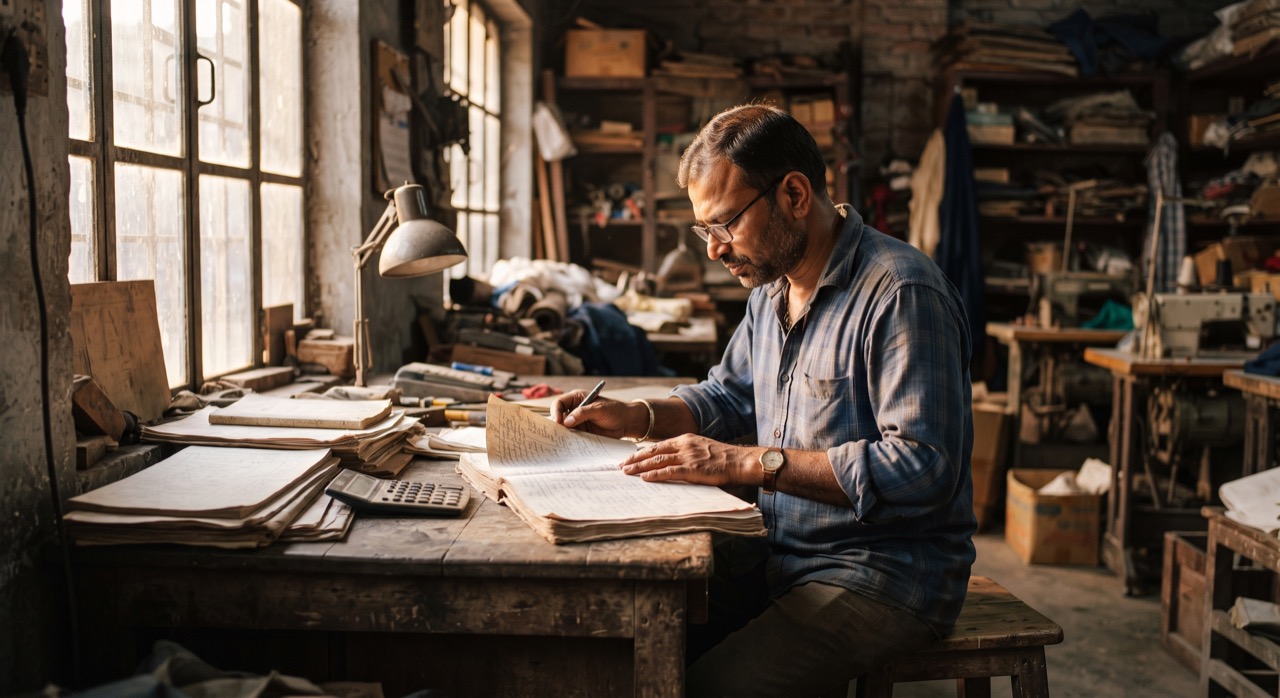
Most failed businesses don't fail for one dramatic reason — they fail from two or three ordinary mistakes compounding over time. Finding those specific mistakes is what actually protects your next venture.
- Separate market problems (no real demand, wrong pricing, wrong city or audience) from execution problems (bad hiring, poor cash management, slow decision-making).
- Ask former employees, vendors, or even customers for blunt feedback — people are often more honest once the business has already closed, since there's nothing left to protect.
- Resist two extremes: blaming only outside forces ("the economy," "bad luck," "log jealous the") and blaming only yourself entirely. Both stories stop you from learning the specific, correctable lesson.
Failure is simply the opportunity to begin again, this time more intelligently.
Rebuild Deliberately, Not Desperately
The instinct after a failure is often to jump straight into the next big idea to prove something — to yourself or to relatives. Resist that. The entrepreneurs who come back strongest usually rebuild slower and smaller than before.
- Start with a smaller, lower-risk version of your next idea before committing significant capital again — a pilot, a side project, or freelance work in the same field to rebuild both skill and confidence.
- Rebuild your financial cushion first. Even a modest emergency fund changes your decision-making from fear-driven to strategic.
- Protect your credit history and relationships — pay back what you can, even partially, and communicate proactively with creditors. Reputation in Pakistani business communities travels fast, and a graceful, transparent handling of failure is remembered far more kindly than silence or disappearance.
- Consider structured support: government-backed schemes like SMEDA offer guidance for small and medium entrepreneurs restarting or scaling a business in Pakistan.
Roman Urdu
Business fail hona bohot dukh deta hai — sirf paise ka nuksan nahi, balke izzat, routine, aur pehchan bhi chali jati hai. Lekin yeh aapki kahani ka end nahi, sirf ek mushkil chapter hai. Pakistan mein bohot saare log — chote dukandar se lekar Karachi-Lahore ke startup founders tak — is tajurbe se guzre hain aur pehle se behtar wapas aaye hain.
Sabse pehle apne dukh ko qabool karein. Chupana na chahein, kisi qareebi dost ya family member se baat karein. Sharam mahsoos karna normal hai lekin khamoshi se sirf bojh barhta hai. Jo hua uska sahi hisaab likhein — kis wajah se business flop hua: cash flow ki timing, ghalat partner, ya demand ka andaza ghalat lagana.
Uske baad apne nuksan ka clear picture banayein. Sab liabilities — bank loan, supplier ke dues, staff ki salary — ek jagah likh lein. Bank managers se seedha baat karein, unse bhagna mamla aur bigharta hai. Agar business company ke tor par register thi to SECP se apni legal position clear karwayein taake future mein koi penalty na aaye.
Phir honestly soचें ke asal wajah kya thi — sirf bad luck ya kuch specific ghaltiyan jo theek ki ja sakti thi. Purane employees ya customers se khullay dil se feedback lein, wo ab zyada sach batayenge.
Jab dobara shuru karein to jaldbaazi na karein. Chota, kam risk wala version try karein pehle, apna emergency fund dobara banayein, aur jinke paise waapis karne hain unse transparent rahein — Pakistani business community mein izzat aur trust sabse zyada matter karti hai. SMEDA jaisi government schemes bhi naye sirey se shuru karne walon ki madad kar sakti hain. Yaad rakhein: har fail hona sirf ek mauka hai dobara, is baar zyada samajhdari se shuru karne ka.