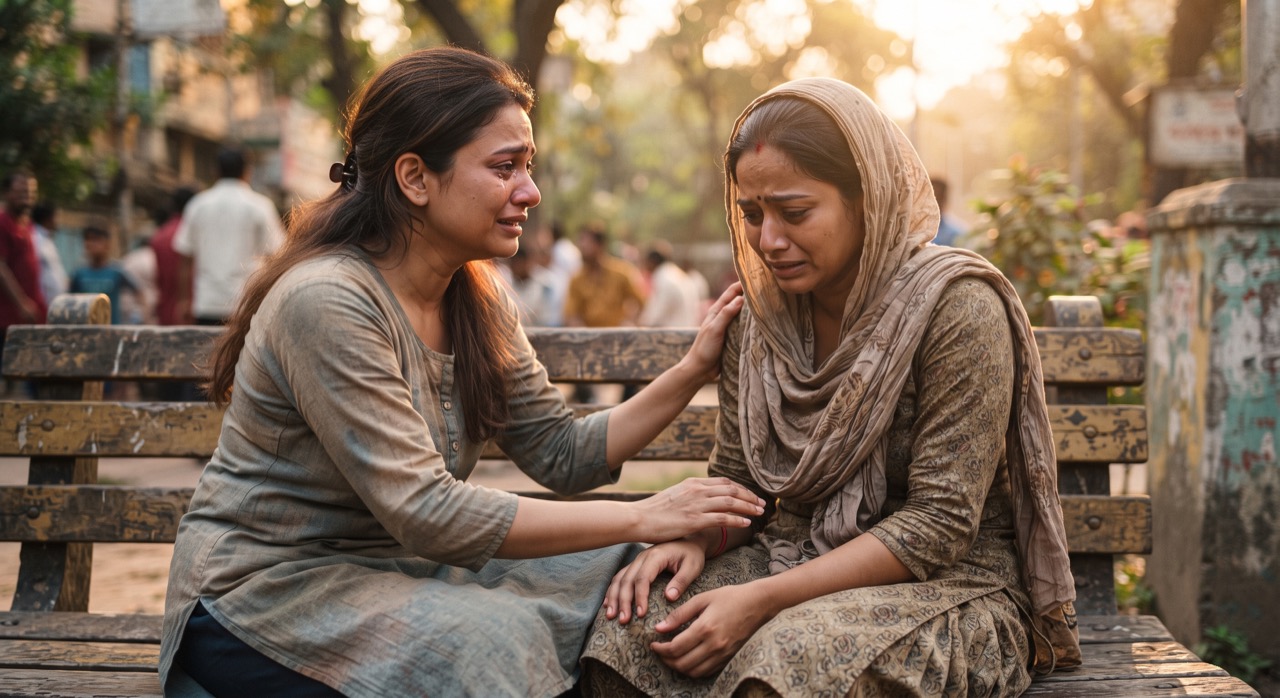
Almost every family in Pakistan has a story of a rishta that turned cold, two brothers who stopped speaking after a property dispute, or best friends separated by one misunderstanding that spiralled out of control. A falling out rarely ends because people stopped caring — it usually ends because nobody knew how to take the first step back. Rebuilding trust is slow, unglamorous work, but it is possible if you approach it with humility instead of ego.
Own Your Part Before You Expect an Apology
Most rifts have two sides, but healing only starts when one person stops waiting for the other to move first. Before you reach out, sit with the situation honestly.
- Write down what actually happened, separating facts from assumptions you made about the other person's intentions.
- Identify your specific contribution to the conflict, even if it was smaller than theirs — silence, sarcasm, or involving other relatives counts too.
- Drop the "who started it" question entirely. It keeps both sides stuck and rarely leads anywhere productive.
Choose the Right Moment, Not Just the Right Words
In Pakistani households, timing and setting matter as much as what you say. A reconciliation attempt made in front of the whole biradari, or over a rushed phone call during a busy day, often backfires because it puts the other person on the spot.
- Ask for a private, calm conversation rather than raising it during a family gathering or Eid milna where emotions and audiences are both high.
- If direct contact feels too heavy right away, a respected elder or mutual friend can gently open the door — this is a normal and accepted way of restoring peace in our culture.
- A short, sincere message can work as an icebreaker: acknowledge the distance, express that you value the relationship, and ask if they're open to talking, without dumping the entire argument into a text.
Trust Returns in Instalments, Not One Big Payment
An apology opens the door, but it does not automatically restore what was broken. Trust is rebuilt the same way it was lost — through repeated small actions over time.
- Follow through on small promises consistently: call when you say you will, show up when you say you will attend.
- Avoid bringing up old grievances as ammunition in future disagreements; if you've genuinely forgiven, let it stay forgiven.
- Give the other person space to still feel cautious. Their guardedness for a while is not rejection — it's self-protection, and it usually softens with consistency.
Sabr is not about waiting silently for things to fix themselves — it is about staying patient and steady while you actively do the work of repair.
When Izzat and Family Pressure Complicate Things
Sometimes the hardest part isn't the two people involved but the extended family, biradari opinions, or the fear of "log kya kahenge." Reaching out first can feel like losing face.
- Remind yourself that initiating peace is a sign of maturity in most cultures and religions, not weakness — it takes more courage than staying silent.
- Keep well-meaning relatives from re-opening old wounds by politely steering conversations back to moving forward, not re-litigating who was wrong.
- If a face-to-face meeting still feels impossible, small gestures — attending a family event, sending a simple dua or Eid greeting — can quietly signal that the door is open without forcing a confrontation.
Not every relationship can or should go back to exactly how it was, and that's alright. Sometimes repair means a calmer, more respectful distance rather than the old closeness. What matters most is that you leave the resentment behind and approach the future with a clean heart.
Roman Urdu
Pakistan mein har ghar mein koi na koi kahani milegi jahan do bhai jaidad ke masle par baat-cheet chhod dete hain, ya pakki dosti ek galat-fehmi ki wajah se toot jati hai. Rishta kabhi is liye nahi tootta ke mohabbat khatam ho gayi — balke is liye tootta hai ke koi pehla qadam uthana nahi janta. Trust wapas banana mushkil aur waqt-talab kaam hai, lekin agar ego chhod kar inkisari se chala jaye to mumkin hai.
Sabse pehle apni ghalti taslim karein, is se pehle ke dusre se maafi ki tawaqqo karein. Ye sochna chhod dein ke "shuru kisne kiya" — is sawal mein dono log atak jate hain aur koi faida nahi hota. Waqt aur jagah ka bhi khayal rakhein — puri biradari ke samne ya jaldi mein baat karne ke bajaye, tanhai mein pur-sukoon guftagu ka waqt nikalein. Agar seedha baat karna mushkil lage to koi qabil-e-ehtaram bazurg ya mutual dost darmiyan mein aa kar rasta bana sakta hai — ye humare culture mein aik aam aur qabil-e-qubool tareeqa hai.
Yaad rahe ke sirf ek maafi se sab kuch theek nahi ho jata — trust wapas chhote chhote qadmon se banta hai, jaisa ke ye toota tha. Chhoti baaton mein apna wada poora karein: jab call karne ka kahein to karein, jab milne ka wada karein to zaroor jayein. Purani baaton ko baar baar ladai mein na layein agar sach mein maaf kar diya hai.
Sabr ka matlab khamoshi se intezar karna nahi, balke maslay ko theek karne ke liye musalsal mehnat karte hue thehraav rakhna hai.
Kabhi kabhi izzat aur "log kya kahenge" ka khauf sab se bara rukawat banta hai. Lekin pehal karna kamzori nahi, balke bara-pan aur himmat ki nishani hai. Agar seedhi mulaqat mushkil ho to Eid ki mubarakbad ya kisi family function mein shirkat jaisi chhoti harkatein bhi darwaza khula rakhti hain. Har rishta wapas waisa nahi ban sakta jaisa pehle tha, aur ye bhi theek hai — asal maqsad dil se boojh utaarna aur mustaqbil ki taraf saaf zehan ke sath barhna hai.