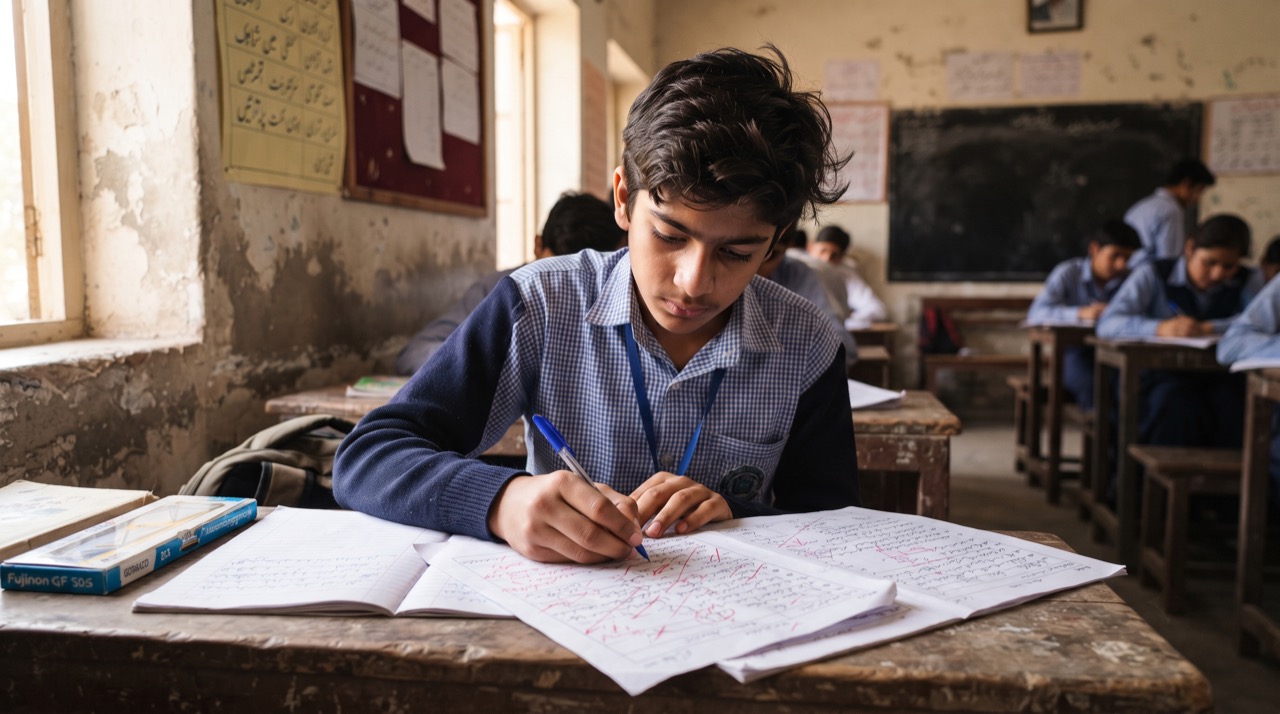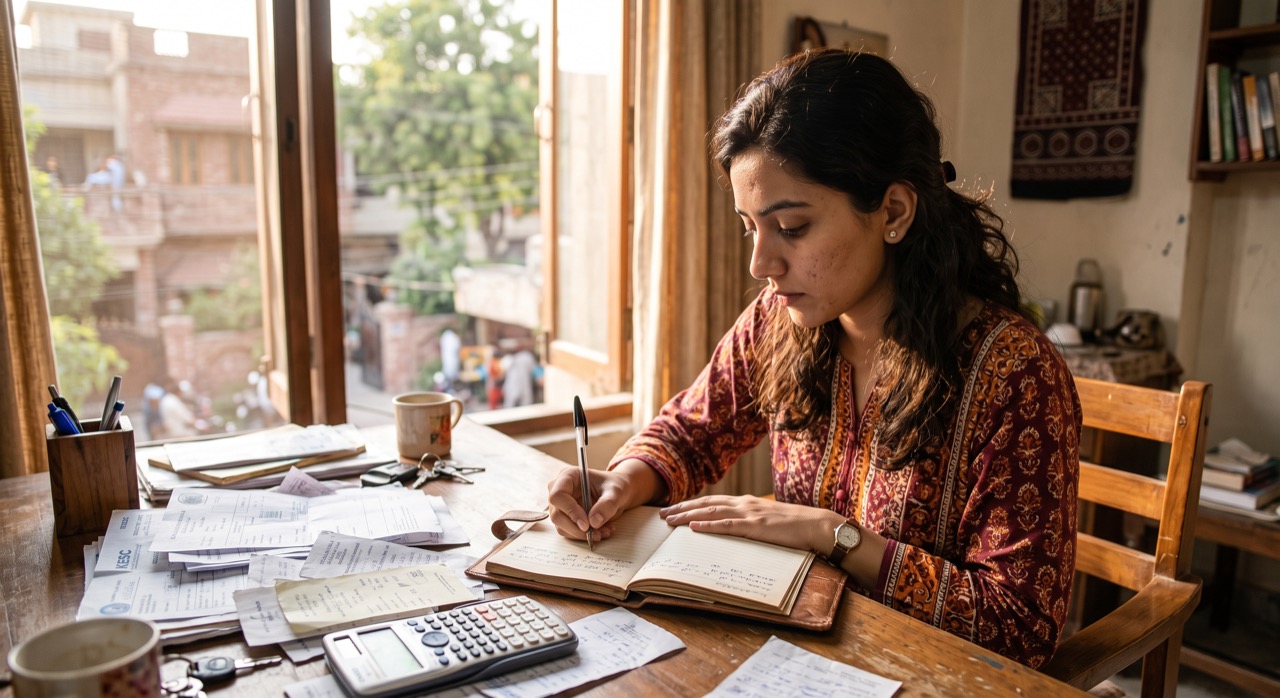
Most of us grew up believing that success arrives in one dramatic moment — the exam result that changes everything, the job offer that fixes your life, the viral post that makes you "known" overnight. So we wait. We wait for motivation, for the right time, for the big breakthrough. Meanwhile, days pass and nothing moves. The truth that almost nobody tells you is this: confidence is not the cause of progress — it's the result of it. And it's built one small, boring, repeatable win at a time.
If you feel stuck right now — in your studies, your career, your health, or just in life generally — the way out is rarely a giant leap. It's a small win today, another tomorrow, and the compounding effect of showing up when it would be easier not to.
Why Small Wins Work Better Than Big Goals
Big goals feel exciting but they don't give your brain anything to reward right now. A small win does. Every time you complete a small, specific action, your brain releases a bit of dopamine — the same chemical tied to motivation — which makes you want to repeat the behaviour. This is basic behavioural psychology, and it's why habit researchers like James Clear (author of Atomic Habits) argue that identity change happens through repeated small actions, not one-time decisions.
- Big goals are abstract — "get fit," "learn English," "start a business." Your brain doesn't know what to do with these today.
- Small wins are concrete — "walk for 15 minutes," "learn 5 new words," "message one potential client." Your brain can act on these immediately.
- Momentum beats intensity — a person who does a little every single day will almost always outperform someone who does a lot occasionally and then burns out.
How to Actually Build a Small-Wins Habit
Small wins only compound if you make them trackable and repeatable. Here's a practical system:
- Shrink the task until it's almost too easy. If "study for 3 hours" feels impossible, shrink it to "open the book and read one page." Starting is usually the hardest part — momentum takes care of the rest.
- Track it visibly. Use a simple notebook, a wall calendar, or a habit-tracking app, and mark an X for every day you complete your small win. Seeing an unbroken chain becomes its own motivation.
- Stack it onto an existing habit. Attach the new small action to something you already do daily — for example, "after Fajr namaz, I will write down my one task for the day."
- Celebrate it, even silently. Acknowledging a win — even just telling yourself "that counts" — reinforces the behaviour. Don't wait for others to notice.
- Review weekly, not daily. Don't judge yourself off one bad day. Look back every week and ask: did I move forward more days than not?
What Small Wins Look Like in Real Life
Small wins aren't about being productive for its own sake — they're evidence you gather about yourself. Every completed one becomes proof that you are someone who follows through, and that proof is what confidence is actually made of.
- Career: Instead of "get a better job," try "update one line of my CV today" or "send one message to a contact this week."
- Health: Instead of "lose 10kg," try "take a 10-minute walk after dinner" or "drink one extra glass of water before chai."
- Studies/Exams: Instead of "master the whole syllabus," try "solve 5 past-paper questions today."
- Relationships: Instead of "fix my family communication," try "have one honest 5-minute conversation this week."
"Success is the sum of small efforts, repeated day in and day out." — Robert Collier
When Progress Feels Too Slow
It's normal to look at your small win and think, "this is too tiny to matter." But confidence isn't built by the size of the action — it's built by the consistency of keeping a promise to yourself. Missing one day isn't failure; the danger is missing two days in a row, because that's when a small win turns into a dropped habit. If you slip, don't wait for Monday or a new month to restart — restart the very next opportunity you get, even if it's smaller than before.
Over weeks and months, these tiny actions stack into real skill, real fitness, real savings, and real relationships — and along the way, you become someone who trusts their own word. That trust in yourself is the actual definition of confidence.
Roman Urdu
Hum aksar sochtay hain ke kamyabi aik bara, dramatic pal hota hai — jaise koi exam ka result, koi job offer, ya raat-o-raat mash'hoor ho jana. Is wajah se hum wait karte rehte hain — motivation ka, sahi waqt ka, kisi bare breakthrough ka. Lekin din guzarte jate hain aur kuch move nahi hota. Asal baat ye hai: confidence progress ki wajah nahi hoti, balke uska natija hoti hai. Aur ye choti choti, roz ki jeeton se bunti hai.
Agar aap abhi stuck feel kar rahe hain — chahe studies mein ho, career mein, health mein ya zindagi mein overall — to raasta koi aik bara jump nahi, balke aaj ki aik choti jeet hai, phir kal ki, aur phir roz continue karne ka combined asar hai.
Choti Jeeten Bare Goals Se Behtar Kyun Kaam Karti Hain
Bare goals exciting lagte hain lekin aapke dimagh ko abhi kuch reward karne ke liye nahi deta. Choti jeet deti hai. Jab bhi aap koi specific, choti action complete karte hain, dimagh mein thora dopamine release hota hai — wahi chemical jo motivation se juda hai — jo aapko wo action dobara karne par ubharta hai.
- Bare goals abstract hote hain — "fit ho jana," "English seekhna." Dimagh ko samajh nahi aata aaj kya karna hai.
- Choti jeeten concrete hoti hain — "15 minute walk," "5 naye words seekhna." Dimagh inhe turant act kar sakta hai.
- Momentum intensity se behtar hai — jo insaan roz thora karta hai, wo aksar us se aage nikal jata hai jo kabhi kabhi bohat kuch karke burn out ho jata hai.
Practical Tareeqa
- Task itna chota kar dein ke shuru karna asaan lage — jaise "3 ghante parhna" ki jagah "aik page parhna."
- Isay track karein — copy ya calendar par mark karein, chain dekhna khud motivation deta hai.
- Kisi existing routine ke saath jor dein — jaise "Fajr ke baad aaj ka aik task likhna."
- Chahe chupke se hi sahi, apni jeet ko acknowledge karein.
- Roz ki bajaye hafta-war review karein — poochein: kya mein aage barha hoon?
"Success is the sum of small efforts, repeated day in and day out." — Robert Collier
Agar aik din miss ho jaye to wo failure nahi — asal khatra tab hai jab lagataar do din miss hon. Fauran agle mauqe par dobara shuru karein, chahe pehle se chota kadam ho. Waqt ke saath ye choti actions asli skill, asli fitness, aur apne aap par asli bharosa bana deti hain — aur yehi bharosa hi confidence ki asal tareef hai.